
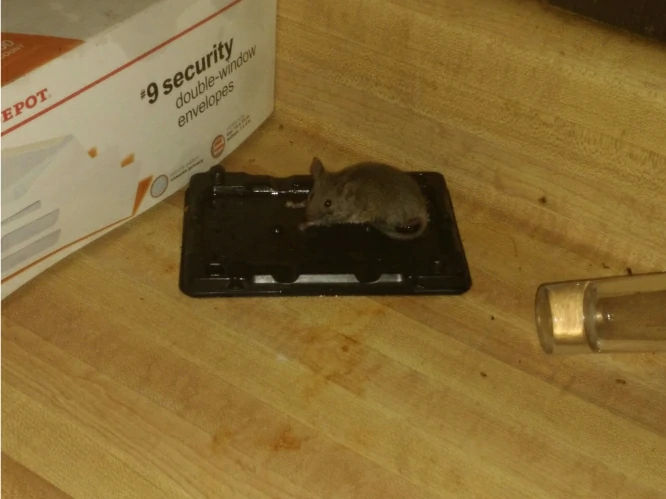
Dogs are naturally curious creatures that investigate everything with their noses and paws. If you’ve set out glue traps to catch rodents, there’s a good chance your dog will find them before any rat does.
When that happens, you’ll end up with a panicked dog covered in sticky glue that seems impossible to remove. The glue is designed to hold rodents in place, so it’s incredibly strong and won’t wash off with just water. So how do you remove rat trap glue from dog fur?
You can remove rat trap glue from dog fur using cooking oil or petroleum jelly. Work the oil into the glue-covered fur, let it sit for several minutes to break down the adhesive, then gently comb out the loosened glue. Finish by washing your dog with dish soap to remove all the oil residue.
The key is using an oil-based product to dissolve the petroleum-based adhesive. Water and regular shampoo won’t work because glue traps are specifically designed to resist moisture.
You’ll need to work slowly and patiently to avoid hurting your dog or making them more stressed than they already are from being stuck.
Why Oil Is the Only Thing That Works
Glue traps use a petroleum-based adhesive that’s made to be extremely sticky and water-resistant. This is why you can’t just give your dog a bath and expect the glue to wash off.
Water actually makes the situation worse because the glue just spreads around and gets even stickier. Regular dog shampoo won’t help either for the same reason.
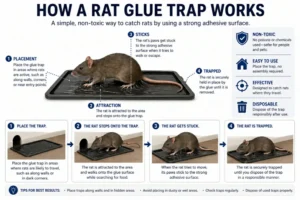
Oil-based products work because they break down the chemical structure of the adhesive. When you apply vegetable oil, olive oil, canola oil, or petroleum jelly to the glue, it starts to dissolve the sticky bonds that hold the adhesive together.
This is the same principle mechanics use when they need to remove adhesive residue from car parts. The oil seeps into the glue and makes it soft and less sticky so you can wipe or comb it away.
Petroleum jelly (like Vaseline) works even better than liquid oils in some cases because it’s thicker and stays in contact with the glue longer. This gives it more time to break down the adhesive before dripping off.
What You’ll Need Before You Start
Before you begin working on your dog, gather everything you’ll need so you’re not scrambling around halfway through the process.
You’ll need cooking oil (any type works but vegetable oil, olive oil, or canola oil are all good choices), petroleum jelly as a backup option, a fine-toothed comb or slicker brush, dish soap (Dawn is particularly effective), warm water, old towels you don’t mind getting oily, and possibly scissors if the glue is really matted.
If you have someone who can help you, that’s even better. One person can gently hold and calm your dog while the other works on removing the glue.
Dogs don’t understand what’s happening and they might try to run away or squirm, especially if they’re already stressed from being stuck to the trap. Having treats on hand can also help keep your dog calm and give them positive reinforcement for staying still.
If your dog is very anxious or aggressive when stressed, you might want to put a muzzle on them for everyone’s safety.
How to Safely Free Your Dog from the Trap
If your dog is still physically stuck to the glue trap, don’t just yank them off. This will rip out fur and could tear their skin, causing pain and possible injury.
Instead, pour cooking oil directly onto the areas where your dog is stuck to the trap. Use plenty of oil and don’t be stingy with it.
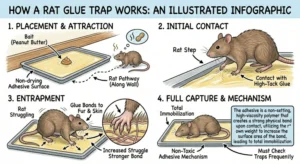
Let the oil sit for a minute or two and start to work its way into the glue. Gently massage the oil into the stuck areas using your fingers.
You’ll feel the glue starting to loosen its grip as the oil breaks it down. Slowly and carefully work your dog free from the trap.
If you encounter resistance, add more oil and wait a bit longer. Never pull hard or force anything because you could hurt your dog.
Once your dog is free from the trap itself, you can focus on getting the remaining glue out of their fur. Your dog will probably try to lick the oil and glue off themselves, which is why you need to work quickly and keep an eye on them.
Step-by-Step: Removing Glue from the Fur
Start by calming your dog down. Speak to them in a soothing voice and give them treats if they’re willing to take them.
Move to a quiet area away from distractions. Pour a generous amount of cooking oil into your hands and rub them together to warm it up slightly.
This makes it less shocking when you apply it to your dog’s fur. Gently massage the oil into all the glue-covered areas of your dog’s fur.
Don’t scrub hard or pull on the fur. Just work the oil in slowly and thoroughly, making sure it’s coating all the glue.
Let the oil sit on the glue for about 5 to 10 minutes. This gives it time to really break down the adhesive.
You can gently massage it again during this waiting period to help the process along. After the oil has had time to work, use your fingers or a fine-toothed comb to gently work the glue out of the fur.
It should come off in clumps or sticky pieces. Go slowly and be patient because rushing will pull your dog’s fur and hurt them.
If you encounter a particularly stubborn spot, apply more oil and let it sit for another few minutes before trying again. For really difficult areas, petroleum jelly works better than oil because it’s thicker and sticks to the glue longer.
When You Might Need to Cut the Fur
Sometimes the glue is so deeply embedded in your dog’s fur that no amount of oil will completely remove it. This is especially common if your dog has long or thick fur, or if they were stuck to the trap for a while before you found them.
If you’ve been working on a spot for 20 to 30 minutes and the glue still won’t budge, it might be easier and less stressful for your dog to just cut that section of fur off. Use small, sharp scissors and be extremely careful.
Dog skin is delicate and it’s easy to accidentally cut them if you’re not paying attention. Always point the scissors away from your dog’s body and cut slowly.
If you’re not comfortable doing this yourself, take your dog to a groomer or vet who has experience with this situation. They have the right tools and know how to safely trim away matted fur without injuring your dog.
Remember that fur grows back, but a scissor cut could require stitches and cause your dog unnecessary pain. When in doubt, get professional help rather than risking an injury.
Washing Your Dog After Removing the Glue
Once you’ve removed all the glue you can, your dog will be covered in oil. You can’t just leave them like this because they’ll get oil all over your house and all over themselves when they groom.
You need to wash them thoroughly with dish soap to cut through the oil. Regular dog shampoo won’t work well because it’s not designed to handle this much grease.
Dish soap like Dawn is made to break down oil and grease, which is exactly what you need. Fill your bathtub or a large basin with warm water (not hot because that can burn your dog’s sensitive skin).
Add a generous squirt of dish soap to the water and mix it around. Gently place your dog in the water and start working the soapy water through their fur, focusing on the areas that had oil on them.
You’ll probably need to wash them twice or even three times to get all the oil out. The first wash will remove most of it, but there will likely be residue left behind.
Rinse thoroughly with clean warm water after each wash. Make sure you get all the soap out because leftover soap can irritate your dog’s skin and make them itchy.
Drying and Checking for Injuries
After the final rinse, lift your dog out of the bath and wrap them in a towel. Gently pat them dry rather than rubbing vigorously.
Their skin might be sensitive after all the handling and washing. If your dog tolerates it, you can use a blow dryer on the lowest, coolest setting to help them dry faster.
Keep the dryer moving and don’t hold it too close to their skin. Many dogs are scared of blow dryers, so don’t force it if your dog is stressed.
Once your dog is mostly dry, check them over carefully for any injuries. Look for areas where fur was pulled out, cuts on the skin, or spots that look red and irritated.
Glue traps can cause skin irritation, and if your dog struggled a lot while stuck, they might have hurt themselves. Check their paws especially because dogs often step on glue traps with their feet.
Look between their toes and on their paw pads for any remaining glue or injuries. If you find any cuts or wounds, clean them gently with warm water and monitor them for signs of infection over the next few days.
Redness, swelling, discharge, or if your dog is constantly licking one spot are all signs something might be wrong and you should call your vet.
What Not to Use on Your Dog
There are several products people sometimes suggest for removing glue that you should absolutely never use on your dog. Don’t use acetone or nail polish remover.
These are toxic to dogs and can be absorbed through their skin or licked off when your dog grooms themselves. Don’t use paint thinner, turpentine, gasoline, or any other harsh chemical solvents.
These can cause chemical burns, poisoning, and serious health problems. Even some products marketed as “natural” like tea tree oil or eucalyptus oil are toxic to dogs.
Stick with plain cooking oil or petroleum jelly because these are safe even if your dog licks some while you’re working. Don’t use hot water when washing your dog because it can scald their sensitive skin.
Always test the water temperature on your wrist first, just like you would for a baby. Don’t use human shampoo instead of dish soap because it won’t cut through the oil effectively and might contain ingredients that irritate your dog’s skin.
Keeping Your Dog Calm During the Process
Removing glue from your dog’s fur takes time, and keeping them calm throughout the process is really important for both of you. Talk to your dog in a soft, soothing voice the entire time.
Dogs respond to the tone of your voice even if they don’t understand the words. Give them treats frequently as rewards for staying still and being cooperative.
If your dog gets too stressed or agitated, take a break. It’s better to work in several short sessions over an hour or two than to fight with your dog for 45 minutes straight.
Let them walk around, drink water, and relax before continuing. If you’re working alone, try to position your dog somewhere comfortable where they can’t easily run away.
Some people find it helpful to work in a small bathroom with the door closed so if the dog does try to escape, they don’t go far. Others prefer to work outside in a fenced yard where there’s more space and the dog doesn’t feel trapped.
Whatever you do, don’t yell at or punish your dog for getting stuck in the trap. They didn’t do it on purpose, and they’re already stressed and confused about what’s happening.
When to Take Your Dog to the Vet
Most of the time, you can handle glue trap removal at home without needing professional help. But there are situations where you should take your dog to the vet right away.
If your dog has glue in or around their eyes, nose, or mouth, don’t try to remove it yourself. These are very sensitive areas and you could cause serious damage.
Let a vet handle it. If your dog ate any of the glue or the trap itself while trying to get free, they need to see a vet immediately.
Glue can cause intestinal blockages, and the trap material could damage their digestive system. Signs of this include vomiting, not eating, acting lethargic, or having trouble going to the bathroom.
If your dog has large areas of raw, burned, or infected-looking skin after you remove the glue, a vet visit is needed. If you tried to remove the glue but your dog is so aggressive or stressed that you can’t safely handle them, the vet can sedate them and remove the glue safely.
If the glue covered a huge portion of your dog’s body and you can’t get it all off, or if your dog is showing signs of illness after the incident, don’t wait to see if it gets better. Get professional help.
How to Prevent This from Happening Again
The best way to deal with dogs and glue traps is to avoid the situation altogether. If you have dogs in your home, seriously consider not using glue traps at all.
They’re dangerous to pets and there are safer alternatives for rodent control. If you absolutely must use glue traps, place them only in areas your dog cannot access.
This might mean putting them inside cabinets, behind closed doors, in the attic, or in the basement if your dog doesn’t go there. Never put glue traps on the floor in open areas or anywhere your dog regularly walks.
Check your traps very frequently so if you do catch a rodent, you can remove it and the trap quickly before your dog finds it. You could also switch to different types of traps that are safer around pets.
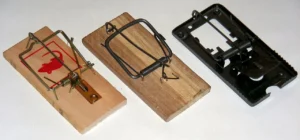
Snap traps and electronic traps are enclosed or positioned in ways that make it harder for dogs to accidentally trigger them or get stuck. Live traps are also safer because even if your dog investigates one, they won’t get glued to it.
Consider hiring a professional pest control service that can use methods and placements that are pet-safe.
Conclusion
Removing rat trap glue from your dog’s fur is definitely doable with the right approach. Use cooking oil or petroleum jelly to break down the adhesive, work slowly and gently to avoid hurting your dog, then wash them thoroughly with dish soap to remove the oil.
Check for injuries afterwards and monitor your dog for any signs of illness or infection. If the situation is more than you can handle at home, or if your dog has glue in sensitive areas like their eyes or mouth, don’t hesitate to call your vet for help.
Most importantly, think about whether glue traps are really the best choice for your home. They’re dangerous to pets, inhumane to rodents, and there are better alternatives available that work more effectively and don’t put your dog at risk.

Hi, my name is Ezra Mushala, i have been interested animals all my life. I am the main author and editor here at snakeinformer.com.