
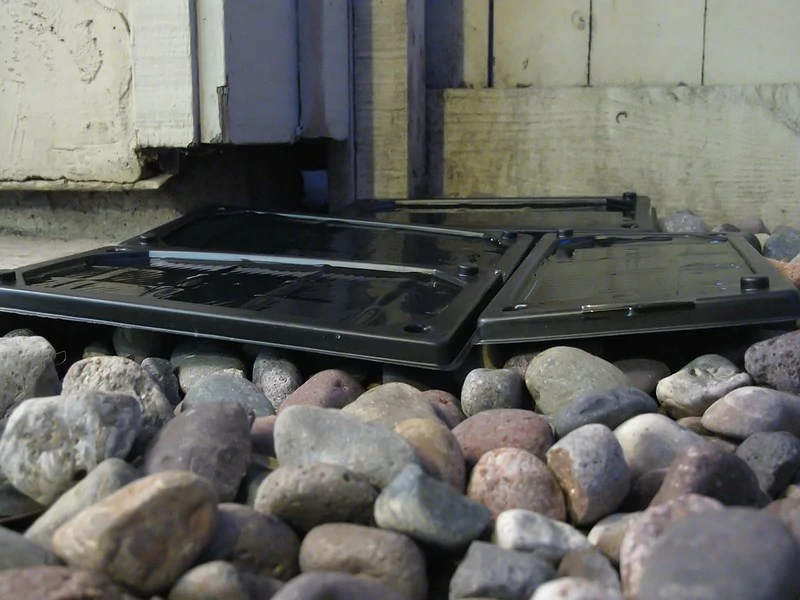
If you’re thinking about putting glue traps in your home, you probably want to know whether they’re safe around your family and pets. So, are Tomcat glue traps toxic or non-toxic?
Tomcat glue traps are non-toxic. They don’t contain poison or pesticides, and the glue isn’t meant to harm people or pets that touch it. However, non-toxic doesn’t mean harmless, since the glue is very sticky and a trapped animal can carry germs.
That’s the short version, but the details matter, like what’s actually in the glue, what to do if a pet gets stuck, and how to use the traps without creating problems at home.
What Tomcat Means by Non-Toxic
Tomcat describes its glue traps as non-toxic and “pesticide free,” and it says they’re safe for the whole family when used as directed. That’s a big deal, because plenty of rodent products rely on poison.
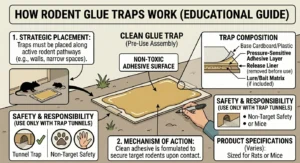
A glue trap works with stickiness, not chemicals. The mouse isn’t poisoned, it just can’t get away from the glue.
Those words on the box are about the chemicals in the trap. They don’t tell you how sticky it is, what happens to a trapped animal, or what you might touch while you handle the trap or take it out of the package.
The label also comes with a condition, which is “when used as directed.” So it pays to read the directions before you set one out.
What the Warning Labels on Tomcat Glue Traps Tell You
It’s easy to toss the package without reading it, but the label has useful safety tips.
Tomcat says to place traps along walls where rodents travel, and to lean a board against the wall in dusty areas so the trap sits between the two.
It also says to avoid wet areas (water can ruin the glue) and to keep traps away from birds and other non-target animals.
When you’re done, the directions say to throw away the whole trap, rodent and all.
If glue gets on something it shouldn’t, the label points to mineral spirits and then warm water with mild detergent. For skin and fur, cooking oil is the gentler choice.
Is the Glue on a Tomcat Trap Poisonous?
No, the glue is there to hold, not to poison, and there’s no bait laced with chemicals or anything released into the air of your home.
Tomcat doesn’t publish its exact recipe, so it’s hard to say what every ingredient is. For comparison, the safety data sheet for another brand’s glue trap lists polybutene (a thick, sticky petroleum material) as the main ingredient.
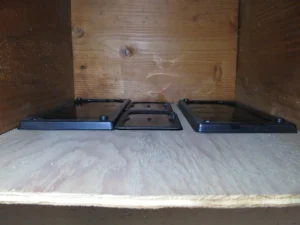
Tomcat’s own safety sheet is worth a look too. An older version, from 2012, says to remove glue from skin with mineral spirits (a paint thinner) and then wash with soap and water. That tells you how stubborn this glue is.
That’s a very different story from rodent poison, which is made to kill when it’s eaten. A glue trap simply isn’t built to work that way.
What Is Eugenol and Is It Safe?
Tomcat’s newer glue traps and boards add eugenol to make the glue stickier. Eugenol is a natural chemical found in clove oil, and it’s what gives cloves that warm, spicy smell you might know from holiday baking and from the dentist’s office.
People use eugenol in flavorings and in some dental products, so it’s not an unusual ingredient in small amounts. In strong, undiluted doses, though, it can irritate your skin and eyes.
The amount in a glue trap is small, and the label is the best place to check the details. However, it’s a good reason to keep the glue off your face and away from your eyes.
If you have sensitive skin or a known clove allergy, wear gloves and keep the glue off your hands, because even natural ingredients can cause a reaction in some people.
Can Tomcat Glue Traps Hurt You If You Touch Them?
They won’t poison you, but the glue can be a real nuisance. It sticks to skin, hair, and clothes, and pulling it off can hurt, especially if it lands on a sensitive spot like your face.
One brand’s safety sheet notes that its glue may irritate skin and dry it out, so treat any glue trap the same way.
The glue can also make a mess of carpet and floors, and it’s a real chore to clean up once it sets.
If glue gets on your skin, don’t yank it off. Rub some cooking oil on it, give it a minute to soften, and then wash with soap and water.
Tomcat’s older safety sheet suggests mineral spirits first, but oil is a gentler place to start. If glue gets in your eyes, rinse them well with water and call a doctor if they still hurt.
Wear gloves when you set out or pick up traps, and wash your hands afterward. That also protects you from germs on a used trap.
Non-Toxic Glue Still Isn’t Safe for Kids to Handle
Toddlers put everything in their mouths, and a sticky board is hard for them to resist. A non-toxic trap can still stick to a child’s hands, hair, or face, and that’s scary and painful to fix.
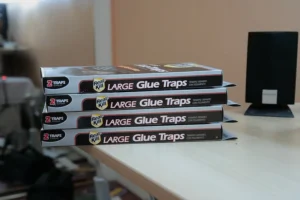
So keep traps where kids can’t reach them (behind heavy appliances, inside cabinets with child locks, or in a closet with a latch).
If a child does get stuck, stay calm and use cooking oil to loosen the glue, then wash with soap and water.
If a child puts glue or a piece of a trap in their mouth, call your doctor or your local poison control center right away. In the US, that number is 1-800-222-1222.
Can You Use Tomcat Glue Traps Around Food?
The glue isn’t a poison, so a trap near your food (like one in the pantry) isn’t a chemical risk, but mice are a different story.
Mice leave droppings and urine wherever they walk, so they can contaminate food, and a panicked mouse spreads that mess even farther.
The best spot in a kitchen or pantry is on the floor along a wall, not on a shelf or counter where food is stored.
Keep traps away from open food, pet bowls, and anything you eat off of. If a trap catches a mouse in the kitchen, bag it up, clean the area, and wash your hands before you touch any food.
Store food in hard containers and clean up crumbs too, because a trap works best when mice don’t have an easier meal. That’s the real fix for a kitchen mouse problem.
What Should You Do If a Dog or Cat Gets Stuck on a Tomcat Glue Trap?
First, stay calm, because a panicking pet can hurt itself or tear fur and skin. If you can, keep your pet from moving around, and cover any loose sticky spots with paper towels so the glue doesn’t spread to more fur.
Next, massage a little cooking oil (vegetable oil or olive oil works, and butter will do in a pinch) into the stuck spot. Give it 5 to 10 minutes to loosen the glue, and then work the trap free slowly.
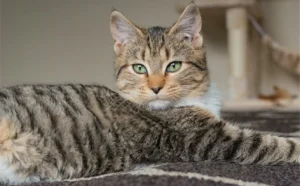
Then wash the oily spot with a mild dish soap, not dishwasher detergent, and rinse really well, because oil left behind is easy for a pet to lick off.
Skip harsh solvents like mineral spirits or paint thinner on your pet, and ask a vet before you use anything stronger than cooking oil.
Call your vet if the glue is near the eyes, nose, or mouth, or if the skin looks red or torn. Also call if your pet seems upset or keeps licking the spot.
Is It Dangerous If a Pet Eats a Tomcat Glue Trap?
The glue itself isn’t a poison, and one maker of other glue boards says a dog would need to eat huge amounts of glue before poisoning becomes a worry. However, a chewed up trap can cause other problems.
Chunks of cardboard or plastic can upset the stomach or block the intestines, and a trap with a rodent on it can also pass along germs and parasites like tapeworms.
Watch for vomiting, drooling, belly pain, a swollen tummy, or no bowel movements, and call your vet if you see any of those.
If you think your pet ate a lot of a trap, or you’re not sure how much, call your vet or the ASPCA Animal Poison Control Center at (888) 426-4435 right away. In Canada, call your vet or a local animal emergency clinic.
If your pet is gagging, pawing at its mouth, or struggling to breathe, head to an emergency vet right away, even if you think it only swallowed a small piece.
Glue Traps Can Still Spread Germs From the Rodent
The trap may be non-toxic, but the animal on it isn’t clean. Mice and rats can carry germs like hantavirus, salmonella, and the bacteria behind leptospirosis (a serious infection that can hurt the kidneys and liver).
A mouse stuck on glue is terrified, so it may urinate and leave droppings all over the trap. That’s one reason the CDC’s hantavirus advice points toward snap traps and away from glue and live traps.
When you pick up a used trap, wear gloves, put the whole thing in a sealed bag, and wash your hands well afterward.
If you ever find droppings near a trap you’ve set, treat the whole area as dirty, and clean it with gloves on before kids or pets go back in.
Never sweep or vacuum droppings, because that can kick germs into the air where you’ll breathe them in. Spray the area with a disinfectant and wipe it up instead.
Non-Toxic Doesn’t Mean Gentle on Animals
A non-toxic label tells you the trap has no poison. It doesn’t tell you what happens to the animal that gets stuck on it.
A trapped mouse can struggle for hours (and sometimes for a full day), tear its skin, and slowly give out from exhaustion and thirst.
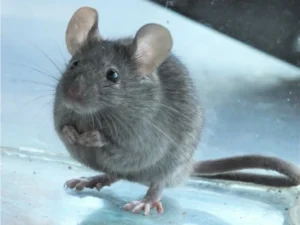
Vets and animal welfare groups mostly oppose glue traps for exactly that reason, and many of them would like to see the traps banned.
Some places have gone further and restricted them. England limited public use in 2024, Wales and Scotland have bans, Victoria in Australia bans them, and a few California cities do too.
There’s no nationwide ban in the US or Canada, but the rules keep changing, so check your local laws. If humane treatment matters to you, other traps get the job done faster.
Are Tomcat Glue Traps Safe for Birds, Lizards, and Other Wildlife?
No, and this is where “non-toxic” can mislead you. The glue doesn’t poison a bird or lizard, but it holds them just as tightly as it holds a mouse.
Retail listings show Tomcat glue traps as made for indoor use, so keep them inside, away from open garage doors, sheds, porches, and any spot where wildlife can wander in.
Wildlife rescuers have taken in birds, chipmunks, and even baby opossums that were stuck on glue boards, and some of them couldn’t be saved.
If a wild animal does get stuck, don’t pull it free. Call a wildlife rehabilitator or a vet, and you can find one near you through a wildlife rehab directory online.
Until help arrives, keep the animal calm, warm, and in a quiet spot, and wear thick gloves because even small animals bite when they’re scared.
Are Tomcat Glue Traps Safer Than Poison Baits?
For kids and pets, many people feel better about glue traps because there’s no bait to swallow. Rodent poison (the blocks and pellets that go in bait stations) can hurt a pet or child that eats it.
Poisoned rodents can also pass the poison along to owls, hawks, and pets that eat them, which is called secondary poisoning and is a big worry for the wildlife around your home.
UC IPM, the University of California’s pest program, says to keep poison baits in tamper-proof stations that kids, pets, and wildlife can’t reach.
Glue traps have their own downsides, like catching non-target animals and causing slow suffering. Neither one is a perfect choice, which is why many pros start with sealing up the home and using snap traps before they reach for anything else.
How to Use Tomcat Glue Traps Safely at Home
Wear gloves when you open the package and set out traps, because the glue clings to everything it touches. Peel the film off in one quick motion, the way the label says.
Place each trap along a wall, behind an appliance, or in another spot your pets and kids can’t reach. Tomcat’s label also says to avoid wet areas and to keep traps away from places where birds or other animals can touch the glue.
Check the traps every day, since Tomcat’s directions say to. If a trap catches a mouse, throw away the whole trap and don’t try to reuse it.
Keep unopened traps on a high shelf or in a locked cabinet. Wash your hands after you handle any trap, and keep traps away from your food prep areas.
Other Options If You’d Rather Not Use Glue
Snap traps (the kind that snap shut when a mouse steps on the trigger) are the most common alternative.
Tomcat describes its Press ‘N Set trap as a non-toxic, mechanical trap that kills with a spring and not with chemicals, so there’s no glue and no poison.
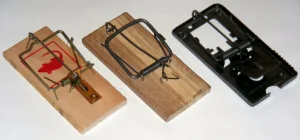
Battery powered traps kill with a quick shock and keep the mouse inside a closed box. Live traps catch mice without hurting them, though you have to check them often and follow your local rules about releasing wildlife.
No trap fixes the root problem, though. Seal every gap bigger than about a quarter inch (roughly the width of a pencil), store food in hard containers, and wipe up crumbs.
Conclusion
Tomcat glue traps are non-toxic, which means they don’t contain poison or pesticides, so the glue won’t poison you, your kids, or your pets if they touch it.
However, non-toxic doesn’t mean harmless. The glue is very sticky, it can irritate skin, and a trapped rodent can spread germs.
If a pet or child gets stuck, stay calm and use cooking oil to loosen the glue, then wash with soap and water. Call a vet or poison control if anyone eats part of a trap.
Before you buy any glue trap, read the label, check your local laws, and think about whether a quicker option would work better for your home and your conscience.
Keep traps out of reach, check them daily, and wear gloves. And if the idea of a stuck animal bothers you, a snap trap, a battery powered trap, or a live trap may suit you better.

Hi, my name is Ezra Mushala, i have been interested animals all my life. I am the main author and editor here at snakeinformer.com.