
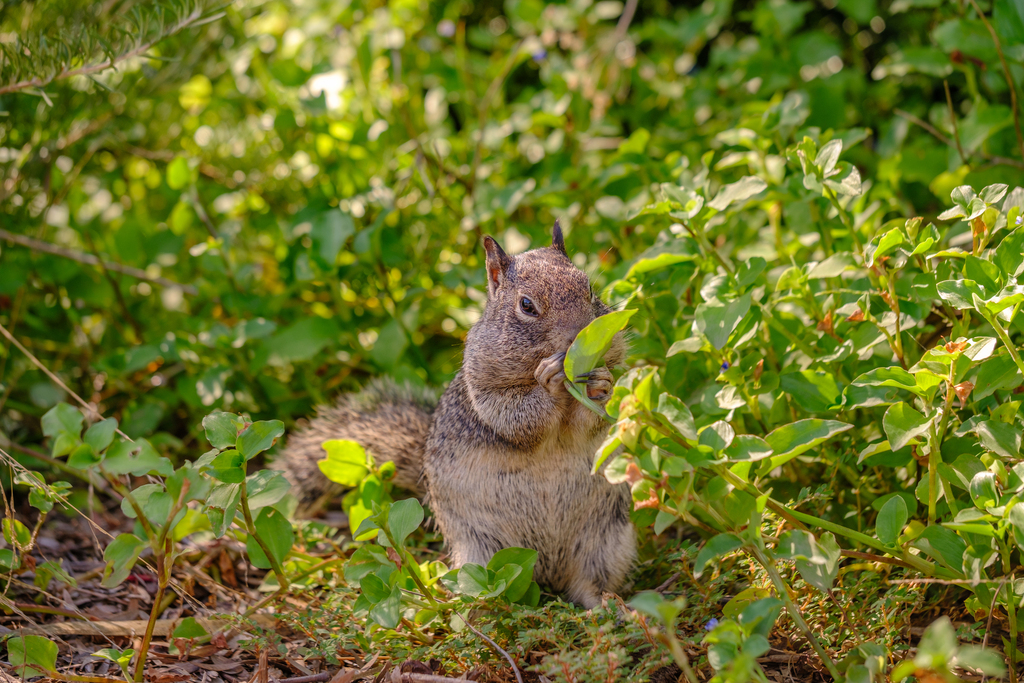
If you’ve placed rat poison around your home, you might be wondering whether it’s actually going to draw squirrels in, not just rats.
It’s a fair question, especially if you’ve got squirrels visiting your yard regularly.
So are squirrels actually attracted to rat poison, or is the risk more about accidental exposure?
Squirrels aren’t strongly attracted to rat poison the way rats are. Rat poison is designed to smell and taste appealing to a rat’s diet, which leans toward grain, fat, and scraps. Squirrels prefer nuts and seeds, so most rat poison isn’t naturally tempting to them. Still, a hungry or curious squirrel can be drawn in, especially if natural food is scarce.
The difference comes down to what each animal is naturally wired to seek out. Rat poison plays to a rat’s preferences, not a squirrel’s.
What Makes Rat Poison Attractive to Rats in the First Place
To understand why squirrels aren’t the main target, it helps to know what rat poison is actually designed to do.
Manufacturers build these products specifically around a rat’s natural diet and behavior.
Rats are scavengers by nature.
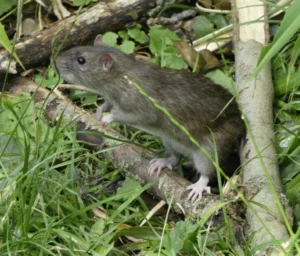
They’ll eat almost anything, including grain, meat scraps, grease, and processed food, which is why bait is often made from cereal, fat, and strong smelling additives.
This formula works well on rats because it matches what they’re already inclined to eat.
It’s not a trick or a lure in the traditional sense, it’s simply food that appeals to their existing preferences.
Squirrels have a very different natural diet.
In the wild, they focus mostly on nuts, seeds, acorns, and tree buds, foods that don’t overlap much with what rat bait is built around.
This mismatch is the main reason squirrels aren’t strongly drawn to rat poison. It’s simply not designed with their preferences in mind.
Do Squirrels Notice Rat Poison at All?
Squirrels have a strong sense of smell, and they’re naturally curious animals, so it’s not accurate to say they’ll never notice bait sitting out.
They absolutely can and do investigate new smells.
However, noticing something and being drawn to eat it are two different things.
A squirrel might sniff around a bait station out of curiosity without ever actually eating what’s inside.
Young squirrels tend to be more exploratory than adults, sometimes tasting things simply out of curiosity rather than hunger.
This can occasionally lead to a young squirrel sampling bait it wouldn’t normally bother with.
Bait stations placed near high squirrel traffic areas, like under trees or along fence lines, naturally increase the chances a squirrel notices the bait at some point.
When Squirrels Become More Likely to Investigate Bait
While squirrels aren’t naturally drawn to rat poison, certain conditions can make them more likely to give it a try.
Food scarcity is the biggest factor.
During winter, or after a particularly dry season, natural food sources like nuts and seeds become harder to find.
A hungry squirrel becomes noticeably less picky about what it’s willing to eat.
This is when squirrels are most likely to explore unfamiliar food sources, including things they’d normally ignore.
It’s simply a matter of survival instinct kicking in when preferred food is in short supply.
Squirrels that are already used to human environments, like ones that raid bird feeders or trash cans, tend to be bolder about investigating new food.
Squirrels that stick mostly to natural woodland areas tend to be more cautious.
Does the Smell or Flavor of Bait Matter?
Some rat poison products use fish oil, meat flavoring, or sweeteners to make the bait more appealing.
These additives are aimed at rats, but they can sometimes catch a squirrel’s attention too.
Squirrels do respond to strong smells, and an unusually pungent bait station might draw a passing sniff even from an animal that wouldn’t normally be interested.
This is more about curiosity than genuine attraction.
Sweetened bait pellets, in particular, may be slightly more likely to interest a squirrel than plain grain based bait, since sugar appeals to a wider range of animals.
Still, even with these additives, squirrels remain far less likely to eat a meaningful amount of bait compared to rats.
Rats are specifically drawn to this exact combination of smells and flavors.
What Happens If a Squirrel Does Eat Rat Poison?
Even though squirrels aren’t strongly attracted to rat poison, it’s worth understanding what happens if one does eat some.
The risk doesn’t disappear just because attraction is lower.
Most rat poison today is an anticoagulant, a chemical that stops blood from clotting properly.
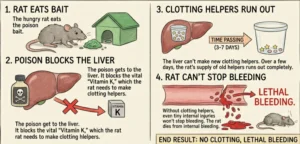
Once enough is eaten, internal bleeding can develop and eventually become fatal.
Symptoms don’t appear right away.
It typically takes one to seven days before a poisoned squirrel starts showing signs like weakness, unsteady movement, or unusual bleeding.
During this delay, the squirrel usually continues behaving normally.
This means there’s often no obvious warning sign until the poisoning has already progressed.
Why Squirrels Are Still at Risk Despite Low Attraction
Low attraction doesn’t mean zero risk, and this distinction matters a lot when you’re deciding how to handle rat poison around a property with regular squirrel activity.
Even a small percentage of squirrels investigating bait can add up over time.
This is especially true in areas with a lot of squirrel activity or multiple bait stations.
There’s also the matter of secondary poisoning to consider.
If a squirrel eats even a small, non-lethal amount of poison and is then eaten by a hawk, owl, or fox, the poison can pass along to that predator too.
This means the risk isn’t just about whether a squirrel eats a lethal dose directly.
It also extends to the wider food chain.
This is part of why wildlife groups pay close attention to rodenticide use, even when the primary target isn’t the animal in question.
How to Tell If a Squirrel Has Been Investigating Your Bait Station
If you’re trying to figure out whether squirrels have been checking out your rat poison, there are a few signs worth watching for around the bait station itself.
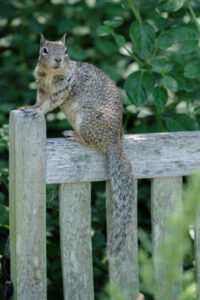
- Chew marks on the plastic housing of the station can indicate a squirrel has been gnawing at it.
Squirrels have strong front teeth built for constant gnawing on hard surfaces.
- Scattered bait outside the station, rather than bait that’s simply missing, often points to a smaller animal.
Rats tend to carry bait away more cleanly.
- Squirrel tracks or droppings near the station can also be a clue.
Watch for these appearing more frequently after you’ve placed the bait.
Reducing the Chance of Squirrel Exposure
If you have a rat problem but also want to minimize any risk to squirrels, a few practical adjustments can help.
These lower the odds of a squirrel coming across the bait in the first place.
Placing bait stations away from areas squirrels frequent most, like near trees or bird feeders, reduces how often a squirrel passes right by it.
Choosing a first generation anticoagulant over a second generation one can also help.
First generation products need multiple feedings to reach a lethal dose, giving a slight buffer compared to stronger second generation versions.
Keeping other food sources, like bird feeders and pet food, cleaned up and secured can also help.
A well fed squirrel population is generally less likely to go looking for alternative food sources.
If squirrel activity around your bait is a persistent concern, switching to snap traps inside a covered, rodent specific bait box is often the more targeted option.
This way it only affects the animal that actually triggers it.
Are Some Squirrel Species More Likely to Investigate Bait Than Others?
Different squirrel species common across North America show slightly different foraging habits.
This can affect how likely each one is to come across rat poison.
Eastern gray squirrels are the most commonly seen species in yards and neighborhoods across much of the US and Canada.

They’re known for being bold and adaptable, often willing to explore new food sources near human structures.
Fox squirrels, common throughout the Midwest and South, spend more time foraging on the ground than some other species.
This puts them closer to ground level bait stations more often.
Red squirrels, found across the northern US and much of Canada, tend to be territorial and focused on caching food they already know.
This may make them somewhat less likely to explore unfamiliar bait, though it’s not a guarantee of safety.
Regardless of species, none of them have any natural resistance to rodenticide.
Behavior differs slightly, but the underlying danger remains the same across the board.
How Squirrel Attraction Compares to Other Backyard Wildlife
It helps to put squirrel attraction in context by comparing it to other animals that might come across the same bait station.
Rats and mice are, by far, the most naturally drawn to rat poison, since the bait is built entirely around their preferences.
This is the whole point of the product.
Raccoons and opossums, both common visitors to yards across North America, are scavengers too.
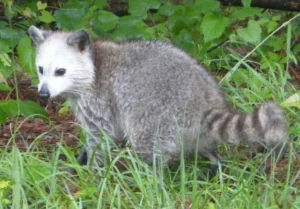
They can sometimes be more drawn to rat bait than squirrels are, especially bait with fish or meat based flavoring.
Birds are generally less at risk directly, since most rat poison isn’t formulated with a bird’s diet in mind.
However, secondary poisoning remains a real concern for birds of prey that eat poisoned rodents.
Squirrels sit somewhere in the middle.
They’re less naturally drawn in than rats or mice.
But they’re more likely to investigate out of curiosity than a bird would be, given their similar rodent biology.
What Bait Station Design Tells You About Manufacturer Intent
Modern bait stations are specifically engineered with small entry holes designed to admit rats and mice while excluding larger animals.
This design detail says a lot about who these products are actually meant for.
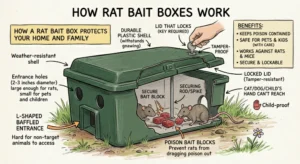
The typical entry hole on a tamper resistant bait station is sized for a rat or mouse to comfortably pass through.
Squirrels, while smaller than many people assume, are still often too large to easily slip through these openings.
This doesn’t mean a squirrel can never access a station.
Younger or smaller squirrels, and some smaller species, may still be able to squeeze in.
Still, it’s noticeably harder for them than it is for the intended rodent targets.
This design limitation is actually one of the more effective barriers against squirrel exposure.
It wasn’t necessarily built with squirrels specifically in mind, but it helps anyway.
It was built around excluding non-target species broadly.
Does Rat Poison Placement Location Change the Risk?
Where you place a bait station has a real effect on how likely a squirrel is to come across it.
Squirrels and rats often use different pathways around a property.
Rats tend to travel along walls, foundations, and other low, hidden routes.
That’s exactly where pest control professionals typically recommend placing bait stations for the best results against rats.
Squirrels, by contrast, spend much more time above ground, moving along fence tops, tree branches, and open yard spaces.
A bait station tucked tightly against a foundation wall is less likely to intersect with typical squirrel movement.
This is part of why professional pest control placement, following rat behavior patterns rather than open spots, tends to reduce squirrel exposure as a side effect.
This happens even when squirrel safety isn’t the primary goal.
What Homeowners Often Get Wrong About This Topic
A common misconception is assuming that because squirrels and rats are both rodents, they must be equally drawn to the same bait.
This overlooks how different their actual diets and behaviors are.
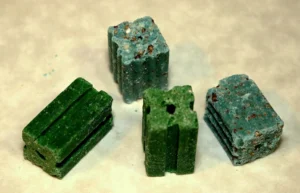
Another misunderstanding involves the idea that bright colored bait pellets somehow attract squirrels visually.
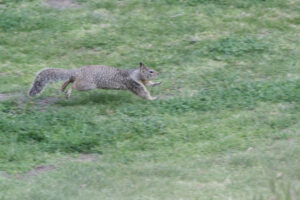
In reality, the color is added mainly to help humans identify the product if it’s found somewhere it shouldn’t be, not to attract any animal.
Some people also assume that because a squirrel hasn’t been seen eating from a station, it’s completely safe from that squirrel.
Since anticoagulant symptoms take days to show up, a squirrel could have already eaten a concerning amount without anyone noticing anything unusual yet.
Understanding these distinctions helps set more realistic expectations.
Low attraction is a real factor that lowers risk, but it isn’t the same as squirrels being immune to rat poison or naturally avoiding it entirely.
Does Time of Day Affect Squirrel Exposure to Bait?
Squirrels are diurnal, meaning they’re active during the day, which is actually a relevant detail when thinking about bait station risk.
Since squirrels are out and about in daylight, they’re more likely to notice a bait station during the day.
Rats and mice, which are largely nocturnal, tend to be most active at night instead.
This timing difference means squirrels and rats often aren’t even visiting the same bait station at the same time.
This holds true even if both pass through the same general area over a full day.
Checking bait stations during daylight hours is a useful habit if you’re trying to monitor for non-target exposure.
You’re simply more likely to spot squirrel activity firsthand this way, rather than relying on guesswork about what happened overnight.
What If You’re Not Sure Whether You Have a Rat or Squirrel Problem
Sometimes homeowners assume they have rats simply because they’ve heard noises in the attic or walls, when the culprit is actually a squirrel that’s found its way inside.
Rat droppings are small, thin, and pointed at the ends, typically around half an inch long.
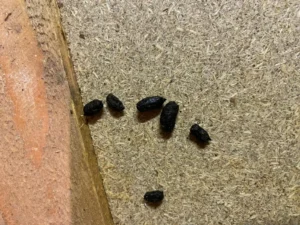
Squirrel droppings are noticeably larger, more rounded, and often lighter in color.
Rats tend to be most active at night, gnawing and scurrying while the house is quiet.
Squirrels, being active during the day, are more likely to be heard moving around in the early morning or late afternoon.
If you’re genuinely unsure which animal you’re dealing with, it’s worth confirming before setting out rat poison at all.
Using the wrong control method wastes time and adds unnecessary risk to an animal the poison was never meant to target.
Conclusion
Squirrels aren’t naturally attracted to rat poison the way rats are, mainly because their diet and food preferences are so different.
Rat bait is built around what tempts a rat, not a squirrel.
Still, low attraction doesn’t mean no risk.
A hungry or curious squirrel can and sometimes will investigate bait.
This is especially true when natural food is scarce, or the bait station sits along a route the squirrel already travels.
If you’re using rat poison and want to keep squirrels safe, thoughtful placement and choosing less persistent poison types can help.
Considering trap based alternatives is another solid option, without giving up on solving your rat problem.

Hi, my name is Ezra Mushala, i have been interested animals all my life. I am the main author and editor here at snakeinformer.com.