
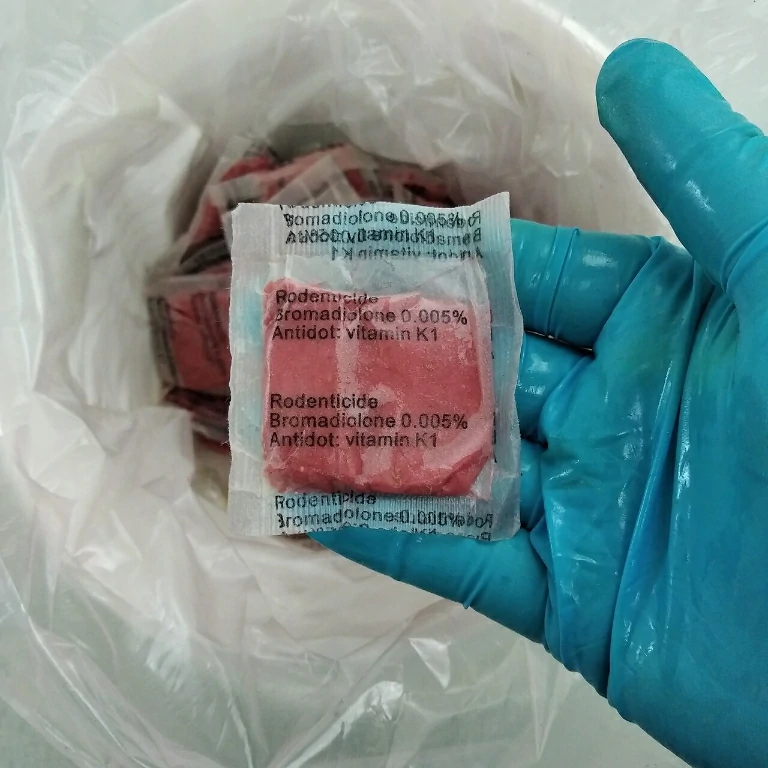
If you’ve ever picked up a box of rat bait at the hardware store, you’ve probably noticed the label doesn’t just say “poison.” It lists an actual chemical name you’ve likely never heard of.
That’s because rat poison isn’t just one thing. So what type of poison is actually inside that box?
Rat poison usually falls into one of two broad groups: anticoagulants, which stop blood from clotting, and non-anticoagulants, which kill through other means like nerve damage or gas release. Anticoagulants are by far the most common type sold today.
Knowing which type you’re holding actually matters. It changes how fast it works, how dangerous it is to pets, and how a vet would treat an accidental exposure.
The Two Main Categories
| Category | How It Kills | Speed | Common Names |
|---|---|---|---|
| First generation anticoagulants | Blocks vitamin K, stops blood clotting | Days, needs multiple feedings | Warfarin, chlorophacinone, diphacinone |
| Second generation anticoagulants | Blocks vitamin K, stops blood clotting | Days, but lethal in one feeding | Brodifacoum, bromadiolone, difenacoum, difethialone |
| Bromethalin | Damages the nervous system, causes brain swelling | Hours to a few days | Sold under various brand names |
| Cholecalciferol | Vitamin D3 overdose, raises calcium to toxic levels | A few days | Sold as “Vitamin D3 rodenticide” |
| Zinc phosphide | Releases toxic gas in the stomach | Hours | Sold as pellets or grain bait |
| Strychnine | Blocks a nerve signal, causes seizures | Under an hour | Restricted, rarely sold to consumers |
This table covers the active ingredients the EPA currently allows for sale in the United States as of this writing.
Let’s go through what each one actually does inside an animal’s body, starting with the type you’re most likely to already have in your garage or shed.
Anticoagulants: The Most Common Type by Far
Anticoagulants make up the vast majority of rat poison sold in stores. They work by messing with the body’s ability to form blood clots.
Normally, your body (and a rat’s body) needs vitamin K to produce certain clotting factors in the liver. Anticoagulant poison blocks the enzyme that recycles vitamin K.
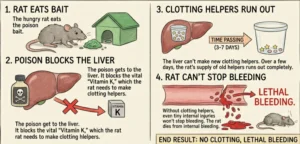
Without it, the body slowly runs out of what it needs to clot blood. This leads to internal bleeding that gets worse over several days, and eventually causes death.
This category splits into two generations. The difference between them actually matters a lot.
First Generation Anticoagulants
First generation anticoagulants include warfarin, chlorophacinone, and diphacinone. Warfarin might sound familiar.
It’s also used as a blood thinning medication in humans, just at a much lower dose.
These were the earliest anticoagulant rat poisons, developed back in the 1940s and 50s.
They usually require a rodent to eat the bait several times over several days before a lethal dose builds up.
Because of this multi-feeding requirement, some rat populations have developed resistance to first generation products over time.
That resistance is actually part of why second generation poisons were developed in the first place.
On the safety side, first generation anticoagulants leave an animal’s body relatively quickly, usually within about a week.
This makes them somewhat less risky for secondary poisoning compared to the newer generation.
Second Generation Anticoagulants
Second generation anticoagulants include brodifacoum, bromadiolone, difenacoum, and difethialone. These were developed specifically to overcome the resistance problem with older poisons.
They’re far more potent, and a single feeding can deliver a lethal dose. The catch is that death still takes several days to happen, just like with first generation products.
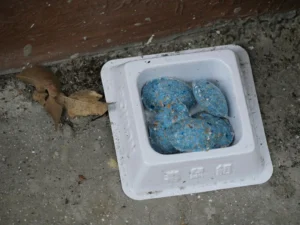
This creates a genuine safety problem. Since the rodent doesn’t die right away, it often keeps eating the bait during those days.
That means it can build up levels in its body far higher than what was actually needed to kill it.
That extra buildup becomes a real risk for anything that eats the rodent afterward, including hawks, owls, foxes, and household pets.
Second generation anticoagulants also stay in body tissue far longer than first generation ones, sometimes for months.
Because of these risks, the EPA has restricted the sale of second generation anticoagulants to licensed professionals and agricultural users in most cases.
Regular consumer products sold in stores are largely limited to first generation formulas or non-anticoagulant types instead.
A well known example of this shift is d-Con. For decades, the brand’s bait used brodifacoum, a second generation anticoagulant.
A legal dispute with the EPA over environmental and pet safety concerns eventually led the company to reformulate.
Since 2018, most d-Con consumer products have used cholecalciferol instead, a completely different type of poison covered further down.
Bromethalin: A Different Way to Cause Harm
Bromethalin isn’t an anticoagulant at all. It works on the nervous system instead of the blood.
Once eaten, it stops nerve cells from producing the energy they need to function properly. This causes the cells to swell, which puts pressure on the brain and spinal cord.
The result is paralysis, followed by death. This usually happens within one to two days, depending on the dose.
Bromethalin can work after a single feeding, which makes it attractive as an alternative to anticoagulants.
Tomcat is probably the best known brand using this active ingredient, and its packaging typically states the bromethalin content directly.
One important detail: there’s no antidote for bromethalin poisoning.
Treatment for an animal that’s eaten it is limited to supportive care, like inducing vomiting early and managing symptoms as they appear.
Cholecalciferol: Vitamin D Turned Toxic
Cholecalciferol is actually vitamin D3, the same vitamin found in supplements and fortified foods. In small amounts, it’s harmless and even necessary for health.
In the concentrated doses used in rat poison, it causes calcium and phosphate levels in the blood to spike to dangerous levels.
This can damage the kidneys, heart, and other organs within a few days.
Like bromethalin, cholecalciferol has no specific antidote. Treatment usually focuses on lowering calcium levels and supporting kidney function until the animal recovers or doesn’t.
Zinc Phosphide: Poison That Turns Into Gas
Zinc phosphide works in a genuinely unusual way. Once it reaches the acid in an animal’s stomach, it reacts and releases toxic phosphine gas directly inside the body.
This gas interferes with how cells use oxygen, which can shut down multiple organs within hours. It’s fast acting compared to anticoagulants, often working within a single day.
There’s a secondary poisoning risk here too, though it works differently than with anticoagulants.
If a predator eats a rodent shortly after it dies from zinc phosphide, undigested bait pellets can still release gas in the predator’s own stomach.
Because zinc phosphide breaks down fairly quickly, this risk drops off once enough time has passed since the original poisoning.
Strychnine: Rare and Heavily Restricted
Strychnine is the oldest and most dangerous type on this list, and today it’s tightly restricted in the U.S.
It blocks a chemical called glycine, which normally calms nerve signals in the spinal cord.
Without it, muscles contract uncontrollably, leading to severe convulsions.
Death from strychnine can happen in under an hour, and it’s considered one of the more distressing ways an animal can die from poisoning.
Because of how dangerous and fast acting it is, strychnine is rarely available to regular consumers today.
Most current uses are limited to specific, tightly controlled applications rather than general store shelves.
Why the Type of Poison Actually Matters
Knowing which category a product falls into isn’t just trivia. It changes real, practical things.
- Speed of action varies enormously, from under an hour with strychnine to several days with anticoagulants.
This affects how likely a poisoned animal is to be caught by a predator before it dies.
- Treatment differs completely between types. Anticoagulant poisoning has an actual antidote (vitamin K1), while bromethalin, cholecalciferol, and zinc phosphide don’t have one at all.
Pet safety depends heavily on which type is involved.
If you suspect a pet ate rat poison, knowing the exact product and its active ingredient can make a real difference in how quickly a vet can treat it.
- Regulation varies by type too. Second generation anticoagulants, along with larger packages of bromethalin and cholecalciferol, are now mostly restricted to licensed applicators.
First generation anticoagulants and zinc phosphide remain more widely available to regular homeowners in smaller package sizes.
How to Check What Type of Poison You’re Dealing With
If you already have a rat poison product at home, the active ingredient is required by law to be listed on the label.
It’s usually near the top, under an ingredients or active ingredients section.
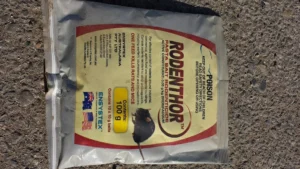
Look for names like warfarin, diphacinone, brodifacoum, bromadiolone, bromethalin, cholecalciferol, or zinc phosphide. That single word tells you which category you’re dealing with.
If a pet or child may have eaten some, keep the packaging on hand. Poison control centers and veterinarians rely heavily on that exact ingredient name to know how to respond.
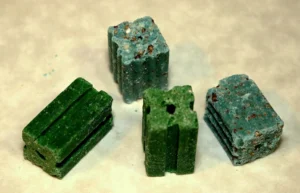
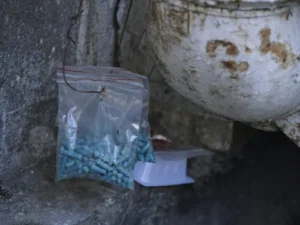
For products found without packaging, a clear photo of the bait itself can still help.
Its color, shape, and any markings can help a vet or poison control specialist narrow down what it likely contains.
Signs an Animal Has Been Poisoned
Whether it’s a rodent you’re trying to get rid of or a pet you’re worried about, the visible signs of poisoning tend to line up with the mechanism behind them.
With anticoagulants, watch for unusual bruising, bleeding gums, or blood in urine or stool.
Pale gums, weakness, and labored breathing can also show up. These signs build gradually over several days rather than appearing all at once.
With bromethalin, the signs lean more neurological. Look for wobbliness, hind leg weakness, tremors, or in severe cases, seizures and paralysis.
With cholecalciferol, early signs are easy to miss, like increased thirst and urination, but this progresses toward vomiting, lethargy, and eventually kidney failure within a few days.
With zinc phosphide, symptoms come on fast. Vomiting, difficulty breathing, and collapse can appear within hours of ingestion.
If you see any of these signs in a pet and know or suspect rat poison exposure, treat it as an emergency.
Call a vet or an animal poison control hotline right away, and bring the product packaging if you have it.
Common Brands and What They Actually Contain
Brand names don’t always tell you the active ingredient, and the same brand can even switch formulas over time, the way d-Con did.
Tomcat’s rat and mouse killer bait products generally use bromethalin, according to the company’s own product information.
JT Eaton’s bait blocks commonly use diphacinone, a first generation anticoagulant.
Havoc brand bait typically contains brodifacoum, a second generation anticoagulant usually sold in larger packaging meant for bigger infestations.
Current d-Con consumer bait products use cholecalciferol rather than the brodifacoum they used before 2018.
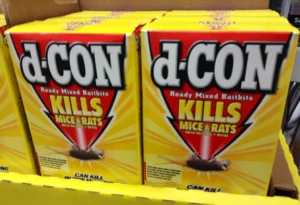
The safest habit is to never assume based on the brand name alone. Always check the actual active ingredient printed on the package before using or storing any rodenticide.
It’s also worth checking the manufacture date if one is printed on the packaging.
Most bait products stay effective for a couple of years when stored somewhere cool and dry, but potency can drop off after that.
An old, stale bait block is a common reason poison seems to stop working, even when the active ingredient itself is still technically present.
If you’re not sure how long a product has been sitting in your shed or garage, it’s usually safer to just replace it with a fresh one.
Which Type Should You Choose?
For most home rodent problems, first generation anticoagulants strike a reasonable balance.
They’re effective against non-resistant rodent populations and carry a lower secondary poisoning risk than second generation products.
If you’re dealing with a heavy infestation or suspected resistant rodents, a professional can access stronger second generation products.
They can apply them with proper bait stations and correct placement, something that’s harder to get right on your own.
Non-anticoagulant options like bromethalin or zinc phosphide can work well in specific situations.
But the lack of an antidote makes them a bigger gamble if pets or wildlife might get into them by accident.
Whatever type you choose, using a locked, tamper resistant bait station is one of the simplest ways to reduce risk, regardless of which active ingredient is inside.
It’s a small extra step that protects curious pets, kids, and any wildlife passing through your yard.
Rules Differ Outside the U.S. Too
Everything above reflects U.S. regulation, since that’s where most readers of this post are. But the type of poison available to you can depend heavily on where you live.
In Canada, Health Canada re-evaluated second generation anticoagulants back in 2018.
They now restrict many of these products to agricultural and structural pest control professionals, similar to the U.S. approach.
Consumer products sold in Canadian stores are largely limited to first generation anticoagulants for this reason.
The UK has gone even further in some respects. Second generation anticoagulants there are managed under a stewardship scheme.
This means many can only be bought and used by certified professionals, not general consumers.
Australia regulates rodenticides through the Australian Pesticides and Veterinary Medicines Authority.
Similar secondary poisoning concerns have led to tighter controls on the strongest anticoagulants in recent years, especially in areas with native predator birds.
If you live outside the U.S., it’s worth checking your own country’s pesticide regulator before assuming a product works the same way it does elsewhere.
Conclusion
Rat poison isn’t a single substance. It’s a whole category of chemicals that kill in very different ways.
Anticoagulants, which stop blood from clotting, make up most of what’s sold today, split between older first generation and stronger second generation versions.
Beyond that, non-anticoagulant options like bromethalin, cholecalciferol, zinc phosphide, and the now rare strychnine each work through a completely different mechanism.
They range from nerve damage to toxic gas release, but they all get the job done in their own way.
The type matters for more than curiosity’s sake. It affects how fast the poison works, how treatable an accidental exposure is, and how much risk it poses to pets and wildlife nearby.
Before using any rat poison, take a moment to read the active ingredient on the label. That one detail tells you almost everything else you need to know about how it works and how carefully you need to handle it.

Hi, my name is Ezra Mushala, i have been interested animals all my life. I am the main author and editor here at snakeinformer.com.