
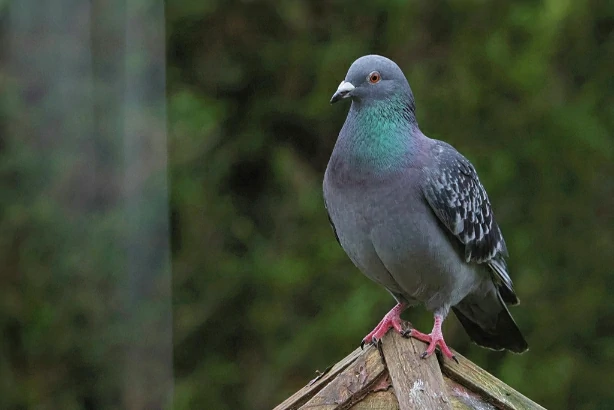
Pigeons show up almost everywhere people do. Window ledges, under bridges, city parks, wherever rat control is a constant, ongoing task.
If you’ve ever seen rat bait sitting out somewhere pigeons can reach, you’ve probably wondered whether that bait is putting the birds at risk too.
Yes, rat poison can kill pigeons. Pigeons are grain eaters, and most rat bait is made from grain based pellets or blocks, which makes it genuinely appealing to them. A pigeon that eats enough rat bait directly can be poisoned just as easily as the rat the bait was meant for.
This isn’t a small or unlikely risk either. Pigeons feed right along the ground in the same spots rats travel.
That puts them in regular contact with spilled bait, loose pellets, and poorly secured bait stations.
Why Pigeons Are Drawn to Rat Bait in the First Place
Understanding why pigeons get into rat poison comes down to what the bait is actually made of, and it’s not a coincidence.
Most rat and mouse poisons use a base of grain, oats, or seed to make the bait appealing to rodents. Rats aren’t picky eaters, but grain based food is a reliable draw for them.
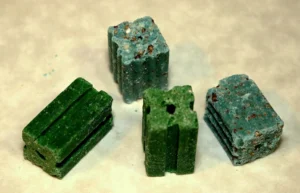
That same grain base is exactly what makes bait appealing to pigeons too. Pigeons are seed and grain eaters by nature.
A pile of oat based rat pellets looks a lot like a normal meal to them.
This is different from thinking about which specific poison is inside the bait. Zinc phosphide reacts with stomach acid to work, while an anticoagulant like brodifacoum works slowly over several days.
The type of poison matters less here than the format it comes in. A grain based bait will attract a grain eating bird almost regardless of which specific poison it contains.
Direct Poisoning Versus Secondary Poisoning in Pigeons
It helps to separate two different ways rat poison can affect a pigeon, since they work through completely different pathways.
Direct poisoning happens when a pigeon eats the bait itself. Since pigeons forage on the ground and eat grain, this is actually the more common and more relevant risk for pigeons specifically.
Secondary poisoning happens when an animal eats another animal that’s already been poisoned. This is the pathway most associated with hawks and owls, which hunt and eat poisoned rats and mice.
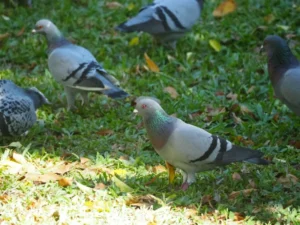
Pigeons don’t typically hunt or scavenge rodents, so secondary poisoning is a much smaller concern for them than for birds of prey.
Still, it’s not zero. Researchers studying pigeons in Thailand found measurable anticoagulant residue in the liver and blood of city pigeons.
That suggests some exposure is happening beyond just direct bait consumption.
The bigger and more direct risk for pigeons really comes down to their feeding habits. They line up almost perfectly with how rat bait is designed to look and smell.
Comparing How Different Rat Poisons Affect Pigeons
Since not all rat poisons work the same way, it’s worth looking at how each type could realistically affect a pigeon that gets into it.
| Poison Type | Risk to Pigeons | Why |
|---|---|---|
| Second generation anticoagulants (brodifacoum, bromadiolone) | High | Grain based bait is directly appealing, and the poison builds up with repeated feeding |
| First generation anticoagulants (warfarin, chlorophacinone) | Moderate to high | Same grain based appeal, though usually needs more than one feeding to be lethal |
| Bromethalin | High | Still grain or pellet based, and works fast once a lethal dose is eaten |
| Zinc phosphide | High | Often formulated as treated grain, extremely attractive to seed eating birds |
| Cholecalciferol | Moderate | Grain based, though the mechanism (calcium overload) generally requires eating more of it |
Notice that the risk to pigeons has less to do with which poison is used. It’s really about the fact that almost all of them share the same basic grain or pellet delivery format.
That’s the core issue here, not the specific toxin inside.
Why Proper Bait Stations Matter So Much Here
Since the format of the bait is really the issue, this is exactly where proper bait station use makes the biggest difference for protecting pigeons and other birds.
A well designed rat bait station has a small entry opening, typically around two to two and a half inches. That’s sized specifically for rats rather than birds.
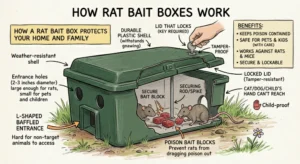
Pigeons are simply too large to fit through an opening built for a rat.
The real risk shows up when bait is scattered loose on the ground, placed in an open tray, or spills out of a damaged or poorly secured station.
Loose grain bait sitting in the open is essentially an open invitation to any pigeon nearby.
This is part of why agricultural extension guidance consistently stresses securing bait inside a proper tamper resistant station, anchored so it can’t be knocked over or shaken open.
A secured station protects the bait from rain and pests. It also happens to be the single biggest factor in keeping pigeons away from it entirely.
What Poisoning Actually Looks Like in a Pigeon
If you’re concerned about a pigeon that may have gotten into rat bait, it helps to know what to actually look for.
With anticoagulant poisoning, a pigeon might appear weak, have trouble flying, or show visible bruising or bleeding. These signs often don’t appear for several days after exposure, similar to how the delay works in rats.
With faster acting poisons like bromethalin or zinc phosphide, symptoms can show up much sooner, sometimes within a day.
A poisoned pigeon might seem disoriented, have trouble standing or balancing, or show labored breathing.
Unfortunately, there’s very little that can be done for a wild pigeon once poisoning has progressed this far. Most wildlife rehabilitation resources are limited, and anticoagulant antidotes like vitamin K need to be given quickly to work.
This is really another reason prevention through proper bait placement matters so much more than trying to treat exposure after it happens.
Do City Pest Control Programs Account for This Risk?
Since pigeons and rats are both common in the same urban environments, it’s worth knowing how this overlap actually gets handled in practice.
Most professional pest control operators are trained specifically to avoid placing bait where pigeons, sparrows, or other birds can reach it.
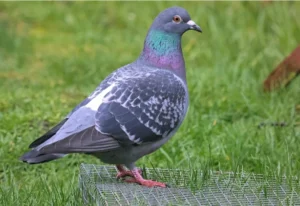
They use tamper resistant stations anchored in spots rats travel but birds generally don’t frequent as heavily, like tight spaces along walls or inside utility areas.
Cities with significant pigeon populations sometimes face a genuine tension here. Rat control is necessary, but any bait placement strategy has to account for pigeons foraging in the exact same areas rats are.
This is part of why some municipalities have moved toward more targeted rodent control methods, like dry ice treatment for burrows or increased use of snap traps in sensitive areas.
The goal is specifically to reduce the risk to non-target birds like pigeons.
If You Keep Pet Pigeons, Extra Caution Matters
If you raise pigeons yourself, whether for racing, showing, or simply as pets, this risk becomes even more personal.
Your birds are likely spending time in outdoor lofts or yards where rat bait might also be present.
Never place rat bait anywhere near a pigeon loft or aviary, even inside a supposedly secure bait station.
Pigeons kept in captivity often have more opportunities to investigate objects closely than wild birds do. That increases the risk if bait isn’t kept well away from their living space.
If you need to control rats around a pigeon loft, snap traps or enclosed, bird proof bait stations placed well outside the loft’s perimeter are a much safer approach.
That’s a far better option than any grain based bait near the birds themselves.
If you suspect a pet pigeon has gotten into rat bait, treat it as a genuine emergency. Contact an avian veterinarian right away rather than waiting to see if symptoms develop.
Are Other Common Urban Birds at Similar Risk?
Pigeons aren’t the only birds sharing this risk, and it’s worth knowing which other urban birds commonly turn up in the same situation, like house sparrows, starlings, and mourning doves.
House sparrows and starlings are both grain and seed eaters like pigeons, and both are documented getting into rat bait for the same basic reason. Their small size actually means it can take even less bait to cause serious harm.
Mourning doves, common across most of the US and Canada, are ground foraging seed eaters too, and they show up in poisoning reports for similar reasons as pigeons.
Crows and gulls represent a different kind of risk. Since they’re scavengers, they’re more likely to be exposed through secondary poisoning.
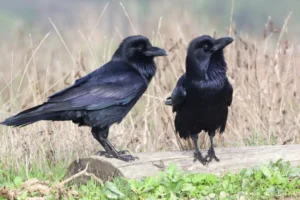
That means eating an already poisoned rat or mouse, rather than direct bait consumption.
Knowing this can help explain why a single rat control effort in an urban area can end up affecting a surprisingly wide range of local bird species if bait isn’t properly secured.
Are Pigeons Legally Protected From This Kind of Harm?
This is a detail that surprises a lot of people, so it’s worth mentioning even though it doesn’t change the ethical case for keeping bait away from birds.
The common city pigeon, known scientifically as the rock pigeon, isn’t native to North America. Because of that, it’s actually not protected under the Migratory Bird Treaty Act, the main federal law that protects most wild bird species in the US.
Mourning doves, on the other hand, are protected under that same law, since they’re a native species. So is nearly every hawk, owl, and songbird you’d typically find in a backyard.
This legal distinction doesn’t mean poisoning pigeons is somehow acceptable or encouraged, and it certainly doesn’t reduce the animal welfare concern involved. It just means the legal protections that would apply to a hawk or a native songbird generally don’t apply the same way to a city pigeon.
Regardless of legal status, responsible bait use is still about keeping poison contained. It should stay away from any animal that isn’t the intended target, pigeons included.
Why One Bait Source Can Affect an Entire Flock
Pigeons don’t feed alone, and that habit actually raises the stakes when bait isn’t properly secured.
Pigeons are highly social birds that feed in flocks. A typical urban flock can range anywhere from 20 to over 100 birds sharing the same feeding territory.
Since they forage together and tend to converge on any reliable food source, a single pile of spilled rat bait doesn’t just put one bird at risk. It can draw in dozens of pigeons over the course of a day.
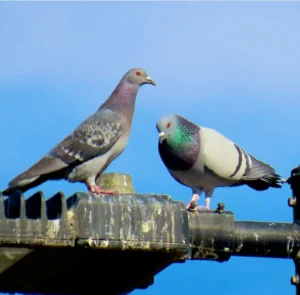
This is really different from how a hawk or owl would come across poison, since those birds hunt individually rather than in groups. A contaminated pigeon feeding spot has the potential to affect far more birds, far faster, simply because of how communally pigeons feed.
This is one more reason why keeping bait properly contained matters so much in areas where pigeons are common. A single mistake with an unsecured bait station isn’t really a single bird problem, it’s a flock problem.
What to Do If You Need to Control Rats Where Pigeons Are Also a Problem
A lot of people dealing with rats around their home or business are also dealing with pigeons at the same time, since both pests are drawn to similar food sources and structures.
The safest approach is to separate the two problems rather than trying to solve them with the same method. Rat bait should always go in a proper tamper resistant station with an opening too small for a pigeon to enter, placed along walls or in areas pigeons don’t typically frequent.
For the pigeon side of things, exclusion methods work far better than poison ever would. Bird netting, spike strips, and sloped ledges all discourage pigeons from roosting or feeding in a specific area without putting them at risk of poisoning.
Cleaning up spilled bird seed, pet food, or garbage also helps. It removes some of the draw that brings pigeons close to areas where rat bait might be present in the first place. Less competing food around a bait station generally means less incentive for a pigeon to investigate it out of curiosity.
If you’re dealing with both pests at a business or larger property, it’s often worth bringing in a pest control professional who can coordinate rat and bird control separately, rather than trying to manage both with the same product or approach.
Signs a Pigeon May Have Been Exposed to Rat Bait
If you manage a property with both an active rat control program and a regular pigeon presence, it helps to know the early warning signs, since catching exposure early gives a bird the best chance.
A pigeon that suddenly seems reluctant to fly, or flies noticeably shorter distances than usual, is worth a closer look. This can be one of the earliest visible signs of internal bleeding from anticoagulant exposure.
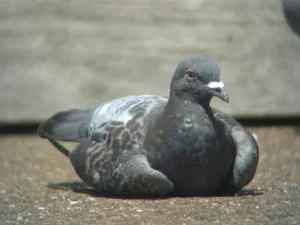
Unusual lethargy or a bird that lets you approach much closer than a healthy pigeon normally would is another red flag. Sick or weakened birds often lose some of their usual wariness around people.
Visible bruising isn’t always easy to spot under feathers, but blood around the beak, vent, or on the ground under a roosting spot can be a sign something is seriously wrong.
If you notice any of these signs in a pigeon near an area where rat bait has been used, contacting a local wildlife rehabilitator is the most useful next step, even though treatment options for wild pigeons specifically can be limited.
Conclusion
Rat poison absolutely can kill pigeons, and the risk is real rather than theoretical. Since most rat bait is grain or pellet based, it appeals to pigeons for the same reason it appeals to rats.
A pigeon that eats enough of it directly can be poisoned just as seriously as the intended target.
The good news is that this risk is largely preventable. A properly sized, secured, tamper resistant bait station keeps bait out of reach of pigeons almost entirely, since the openings are built for rats, not birds.
The real danger comes from loose, spilled, or poorly contained bait sitting out in the open where any grain eating bird can find it.
If you’re dealing with rats and pigeons share the same space, using bait stations correctly matters a lot. Leaning on non-poison options like snap traps where pigeons are a serious concern is really the safest way to protect both the birds and anything else that might come across the bait.

Hi, my name is Ezra Mushala, i have been interested animals all my life. I am the main author and editor here at snakeinformer.com.