
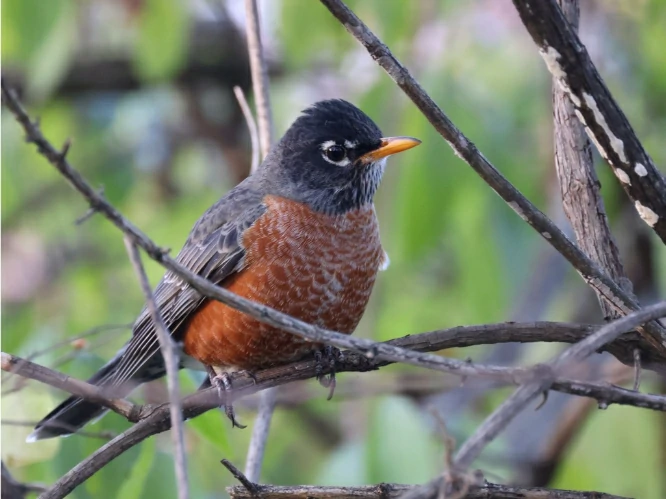
You might be using rat poison to control rodents, but you also enjoy watching birds in your yard. Or maybe you’re concerned about wild bird populations and wondering about the safety of poison. Does rat poison actually harm birds?
Yes, rat poison harms birds. Birds can die from eating poison directly or from eating poisoned rats and mice. Raptors like hawks and owls are especially at risk from secondary poisoning. Many bird species have been found with rat poison in their systems.
The chemicals in rat poison don’t just affect mammals. Birds are also vulnerable, and the widespread use of rodenticides has become a major threat to bird populations.
How Birds Are Exposed to Rat Poison
Birds can encounter rat poison in several ways. Understanding these exposure routes helps explain why so many birds are affected.
Direct consumption is the first way. Some birds eat poison pellets or blocks directly, mistaking them for seeds or food.
Grain-based poison pellets look a lot like birdseed. Sparrows, finches, doves, and other seed-eating birds might eat them.
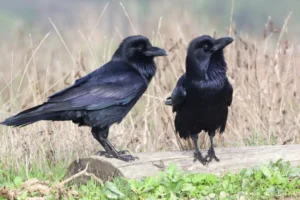
Scavenger birds like crows, ravens, and gulls will eat almost anything. If they find poison blocks, they might consume them.
Secondary poisoning happens when birds eat rats or mice that have been poisoned. This is the bigger threat, especially for predatory birds.
Owls, hawks, eagles, and other raptors hunt rats and mice. When they eat poisoned rodents, they also consume all the poison in that rodent’s body.
Poisoned rodents are easier to catch. They’re weak, slow, and confused from the poison. This makes them perfect targets for hunting birds.
One owl might eat several poisoned mice in a single night. Each mouse adds more poison to the owl’s system.
Scavengers eating dead rodents are also at risk. A crow or vulture that finds a dead poisoned rat gets a dose of poison.
Insectivorous birds can be affected if they eat insects that have consumed poison. This is less common but still happens.
Which Birds Are Most at Risk?
Raptors (birds of prey) face the highest risk from rat poison. Their diet consists mainly of rodents, which means constant exposure to poisoned prey.
Barn owls are particularly vulnerable. They hunt rats and mice almost exclusively. Studies have found rat poison in over 70% of barn owls tested in some areas.
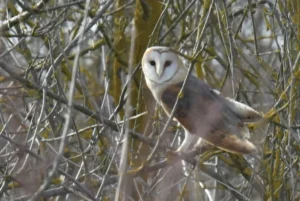
Great horned owls, screech owls, and other owl species show similarly high rates of poisoning. Owls hunt at night when rats are active, increasing their exposure.
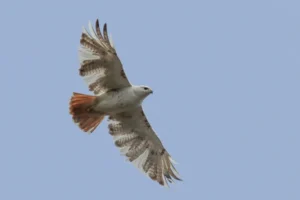
Hawks like red-tailed hawks and Cooper’s hawks also hunt rodents. They’re frequently poisoned by eating contaminated prey.
Eagles, even though they prefer larger prey, will eat rats and mice when available. Bald eagles and golden eagles have been found with rat poison in their systems.
Falcons like kestrels hunt mice and small rodents. They’re at risk, though maybe less so than owls because they also eat insects and small birds.
Scavenger birds like crows, ravens, magpies, and gulls eat dead animals. If they find a poisoned rat carcass, they’ll eat it and get poisoned.
Vultures are specialized scavengers. Turkey vultures and black vultures can be poisoned by eating dead rodents.
Seed-eating birds are at risk from direct consumption. Sparrows, finches, doves, pigeons, and quail might eat grain-based poison pellets.
Even waterfowl can be affected if poison washes into their habitat. Ducks and geese in urban parks might encounter poison.
Symptoms of Poisoning in Birds
Poisoned birds show similar symptoms to poisoned mammals. The anticoagulants cause internal bleeding that affects the whole body.
Lethargy is often the first sign. A poisoned bird sits still, doesn’t fly when approached, and seems weak or tired.
Difficulty flying or flying clumsily indicates neurological effects or weakness from blood loss. The bird might crash into things or be unable to take off.
Ruffled or fluffed feathers can indicate illness. A bird that looks puffy and isn’t grooming itself might be sick from poison.
Pale feet and legs show blood loss. Normally pink or red feet might turn pale or white in a poisoned bird.
Bleeding from the beak, nostrils, or vent (the bird’s rear opening) is a direct sign of anticoagulant poisoning.
Bruising might be visible under the skin, though this is hard to see under feathers. Sometimes bruises show up on bare skin around the eyes or legs.
Blood in droppings appears as red or dark streaks. Normal bird droppings are white and dark green, so blood is noticeable.
Difficulty breathing happens when blood leaks into the lungs or air sacs. Birds have a complex respiratory system, and bleeding disrupts it.
Seizures or tremors indicate severe poisoning affecting the nervous system. The bird might shake, twitch, or have trouble standing.
Death often happens without obvious symptoms. Many poisoned birds simply die quietly. You might find a dead bird with no visible injuries.
How Much Poison Affects Birds?
Birds are generally more sensitive to poison than mammals of similar size. They have faster metabolisms and process toxins differently.
The lethal dose varies by bird species and poison type. Second-generation anticoagulants are most dangerous to birds.
Brodifacoum is extremely toxic to birds. As little as 0.5 mg per kilogram of body weight can be lethal to some species.
A barn owl weighing 400 grams (about 14 ounces) could be killed by just 0.2 mg of brodifacoum. That’s an incredibly small amount.
A single poisoned mouse might contain 1 to 3 mg of brodifacoum in its body. If an owl eats three poisoned mice in one night, it’s getting a huge dose.
The poison accumulates over time. A bird that eats one poisoned mouse might survive. But if it eats poisoned prey regularly, the poison builds up to lethal levels.
Smaller birds need less poison to be affected. A sparrow that eats a few poison pellets could die from a dose that wouldn’t harm a larger bird.
Raptors eating multiple poisoned rodents per day get cumulative doses. Over weeks or months, the poison concentration in their body reaches toxic levels.
Some birds can handle small amounts of poison without immediate death. But sublethal poisoning still causes problems like reduced hunting ability, failed nesting, and early death.
Long-Term Effects on Bird Populations
Beyond individual birds dying, rat poison affects entire bird populations. The impacts go beyond what we can see.
Breeding success declines in poisoned birds. Even if they don’t die, the poison affects their ability to reproduce.
Poisoned raptors might produce fewer eggs. The eggs they do produce might have thinner shells or fail to hatch.
Chicks raised by poisoned parents might get poison through the food their parents bring. This causes chick mortality even though the chicks never ate poisoned prey directly.
Adult birds weakened by poison are less successful hunters. They can’t catch enough food for themselves or their young. Chicks starve even though food is available.
Poisoned birds are more vulnerable to predators. Weakness makes them easier targets for hawks, foxes, or other predators.
They’re also more likely to be hit by cars or windows. Impaired coordination and weakness make them less able to avoid hazards.
Over time, local populations decline. Areas with heavy rat poison use show reduced numbers of raptors and other bird species.
This affects ecosystem balance. Raptors control rodent populations naturally. When raptors decline, rodent problems can actually get worse, leading to more poison use.
The cycle continues, with more poison creating fewer predators, which means more rodents, which means more poison.
Geographic Extent of the Problem
Rat poison affecting birds isn’t limited to one area. It’s a widespread problem across many countries and habitats.
Urban and suburban areas show the highest rates of bird poisoning. These are where people use the most rat poison.
Studies in California found brodifacoum in over 90% of raptors tested. This included owls, hawks, and eagles from across the state.
Similar findings come from other states and countries. Canada, UK, and European nations report high rates of poisoning in bird populations.
Rural areas aren’t immune. Farms use rat poison in barns and grain storage. Wild raptors hunting near these areas get poisoned.
Even remote wilderness areas show contamination. Poison spreads through the food chain and affects birds far from where it was originally placed.
National parks and wildlife refuges have detected rat poison in resident birds. Protected areas don’t escape contamination if poison is used nearby.
Migratory birds can be affected. A bird poisoned in one location might die hundreds of miles away during migration.
Islands with rat problems often use poison for rodent control. This has led to massive bird die-offs when non-target species eat the poison.
The problem is global. Anticoagulant rodenticides are used worldwide, and birds everywhere are suffering the consequences.
Can Poisoned Birds Recover?
Some poisoned birds can survive if they get help quickly. But recovery depends on how much poison they consumed and how fast they receive treatment.
Wildlife rehabilitation centers treat poisoned birds. The main treatment is vitamin K, just like for poisoned mammals.
Vitamin K helps the bird’s body make clotting factors again. This stops the bleeding and allows the bird to recover.
Birds need injections of vitamin K because they can’t take pills. Treatment continues for several weeks until the poison is out of their system.
Supportive care includes fluids, warmth, and rest. Severely poisoned birds might need blood transfusions, though this is rarely available for wild birds.
The challenge is that most poisoned wild birds die before anyone finds them. They hide when they’re sick, making them hard to locate.
Even if found, getting a wild bird to a rehab center quickly is difficult. Many die during transport or before help arrives.
Birds with severe bleeding, especially in the brain, usually can’t be saved. The damage is too extensive by the time they show symptoms.
Sublethal poisoning might resolve on its own if the bird stops eating poisoned prey. Over time, the poison degrades and the bird recovers.
But during the recovery period, the bird is weak and vulnerable. It might starve or be killed by predators before fully recovering.
Released birds that survived poisoning can return to normal health. But they remain at risk if they continue hunting in areas where poison is used.
Preventing Bird Exposure to Rat Poison
If you use rat poison, there are ways to reduce the risk to birds, though eliminating risk entirely is nearly impossible.
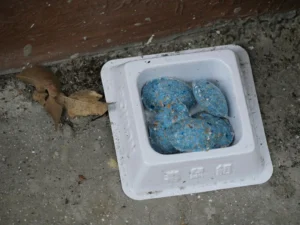
Use bait stations for all poison placement. This prevents birds from accessing the poison directly. Make sure stations are secured so birds can’t tip them over.
Place bait stations away from bird feeders. If you attract birds to your yard, don’t put rat poison nearby. The combination increases risk.
Don’t scatter poison pellets outdoors. This makes them easily accessible to seed-eating birds. Always use contained bait stations.
Remove dead rodents promptly. If you find a poisoned rat or mouse, dispose of it immediately before scavenger birds find it.
Put dead rodents in sealed bags and throw them in the trash. Don’t leave them in the yard or toss them in the woods.
Use snap traps instead of poison. Dead rats in traps haven’t eaten poison, so they’re safe for scavengers.
If you must use poison, choose first-generation anticoagulants. These are less toxic and break down faster than second-generation poisons.
Some areas have banned second-generation anticoagulants because of wildlife impacts. Check if restrictions apply where you live.
Limit poison use to indoors when possible. Rats killed inside your house won’t be eaten by outdoor birds.
Alternatives That Protect Birds
The best way to protect birds is to stop using rat poison. There are effective alternatives that don’t threaten wildlife.
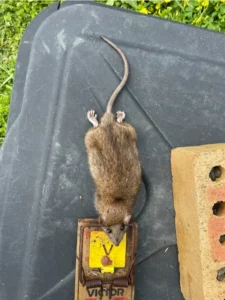
Snap traps work great and don’t involve poison. Set them along walls and in areas where you see rat activity. Dead rats in traps are safe for birds.
Electric traps kill instantly without poison. They’re more expensive but very effective and can be used many times.
Live traps catch rats for release elsewhere. This works for small numbers of rats and doesn’t harm any wildlife.
Exclusion prevents rats from entering in the first place. Seal holes, fix screens, and eliminate access to food and shelter.
Natural predators like owls can control rodents. Put up owl boxes to encourage these birds to nest nearby. They’ll hunt rats for you.
Encouraging hawks and other raptors helps too. Providing perches and habitat makes your property attractive to these natural pest controllers.
Getting a barn cat is an old-fashioned but effective solution. Cats that live outdoors can significantly reduce rat populations.
Ultrasonic repellers might help. Results vary, but they’re safe for birds and other wildlife even if they don’t work perfectly.
Professional pest control can use integrated methods. Ask about bird-safe options. Many companies now offer poison-free rat control.
Reporting Poisoned Birds
If you find a poisoned bird, reporting it can help track the extent of the problem and might support conservation efforts.
Contact local wildlife rehabilitation centers. They can take the bird for treatment if it’s still alive.
If the bird is dead, some rehab centers or universities conduct necropsies (animal autopsies) to confirm cause of death.
Environmental agencies track wildlife poisoning. Reporting helps them understand the scale of the problem.
In the US, you can report poisoned birds to your state’s Department of Fish and Wildlife. They maintain records of wildlife poisoning incidents.
The EPA (Environmental Protection Agency) is interested in pesticide impacts on wildlife. Major incidents should be reported to them.
Audubon Society and other bird conservation organizations collect data on poisoning. Your report contributes to their research.
When reporting, note where and when you found the bird. Include species if you know it, and any symptoms you observed.
Photos can be helpful for identification and documentation. Take pictures before moving the bird.
If multiple birds are affected, this indicates a serious problem. Large-scale poisoning events definitely need to be reported.
Your report might not save that individual bird, but it helps build the case for better regulations and safer pest control practices.
Legal Protections for Birds
Many birds are protected by law, which affects how rat poison can be used. Understanding these protections is important.
The Migratory Bird Treaty Act protects most bird species in North America. It’s illegal to kill protected birds, even accidentally.
Using rat poison in ways that kill protected birds could technically violate this law. Enforcement is rare for homeowners, but the risk exists.

Raptors get additional protection under the Bald and Golden Eagle Protection Act and other laws. Killing eagles with rat poison has led to prosecutions.
Endangered species receive the strongest protections. If your poison use harms endangered birds, penalties can be severe.
Some states have passed laws restricting certain rat poisons because of wildlife impacts. California banned most second-generation anticoagulants for consumer use.
These bans came directly from evidence of widespread bird poisoning. The state decided protection of wildlife outweighed the convenience of these poisons.
Professional pest control companies face stricter regulations. They must be certified and follow specific rules about poison placement.
Liability for bird deaths from poison use is uncommon but possible. If your negligent use of poison causes significant wildlife harm, you could face legal consequences.
Beyond legal issues, there’s an ethical responsibility. Birds play important roles in ecosystems. Harming them through careless poison use damages the environment.
Conclusion
Rat poison definitely harms birds. Thousands of birds die every year from eating poison directly or from eating poisoned rodents.
Raptors like owls, hawks, and eagles are especially vulnerable. These important predators suffer high poisoning rates because their diet consists mainly of rodents.
The problem isn’t limited to individual birds. Entire populations are affected, with reduced breeding success and declining numbers in areas where poison is heavily used.
Protecting birds while controlling rats is possible. Using traps, exclusion, and natural predators provides effective rodent control without poisoning wildlife.
If you must use rat poison, take precautions to minimize bird exposure. But the best choice for birds is to avoid poison entirely and use safer alternatives.

Hi, my name is Ezra Mushala, i have been interested animals all my life. I am the main author and editor here at snakeinformer.com.