
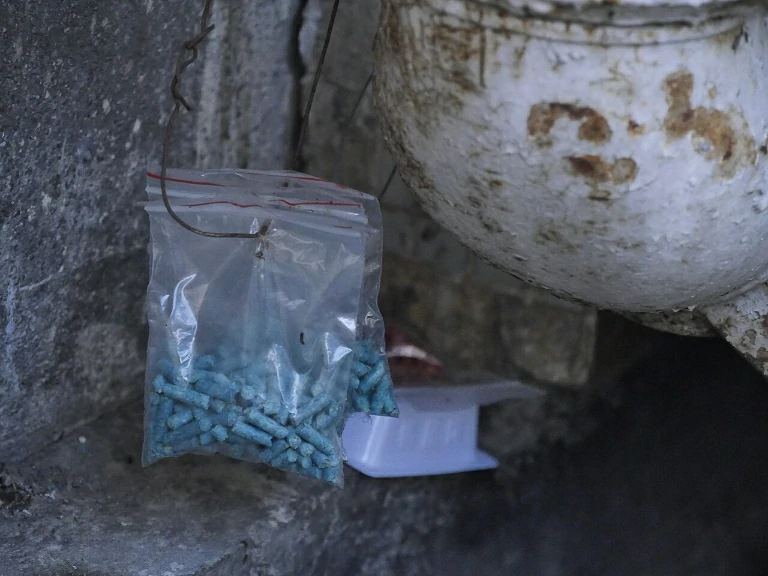
If you use rat poison in your garden or near plants, you might be worried about those chemicals getting into your vegetables or fruits.. Maybe you’re growing food for your family and wondering if poison near your garden can contaminate it. Can rat poison actually be absorbed by plants?
Yes, plants can absorb rat poison from soil, but it depends on the type of poison and plant. Some anticoagulant chemicals can be taken up through roots and moved into stems, leaves, and fruits. This makes fruits and vegetables unsafe to eat if they’re grown in contaminated soil.
The chemicals in rat poison don’t just disappear after killing rats. They stay in the soil where plants can take them up, just like they absorb water and nutrients from the ground.
How Plants Absorb Chemicals from Soil
Plants take in everything they need through their roots. Water, nutrients, minerals, and unfortunately, toxic chemicals all get absorbed the same way.
Plant roots have tiny root hairs that increase their surface area. These root hairs absorb water and dissolved substances from the soil around them. The plant can’t really tell the difference between a helpful mineral and a toxic chemical.
Once absorbed, these substances move up through the plant’s vascular system. Think of it like the plant’s bloodstream. Water and dissolved chemicals travel from roots to stems, then to leaves, flowers, and fruits.

This process is called translocation. It’s how plants get nutrients from the soil to every part of the plant that needs them. But it also means that poison in the soil can end up in the parts of the plant you eat.
Not all chemicals move through plants equally. Some stay mostly in the roots. Others move easily throughout the entire plant. Where the poison ends up depends on the chemical properties of that specific poison.
Water-soluble chemicals move through plants more easily. If rat poison dissolves in water, it can be carried throughout the plant with the water the plant absorbs.
The soil type matters too. Sandy soils don’t hold chemicals as well as clay soils. In sandy soil, poison might wash away before plants can absorb it. In clay soil, poison can stick around longer and be available for plants to take up.
Types of Rat Poison and Plant Absorption
Different rat poisons have different chances of being absorbed by plants. The chemical structure of each poison determines how easily plants can take it up.
Anticoagulant poisons like brodifacoum, bromadiolone, and warfarin can be absorbed by plants. These are the most common types of rat poison, and studies have found them in plants grown in contaminated soil.
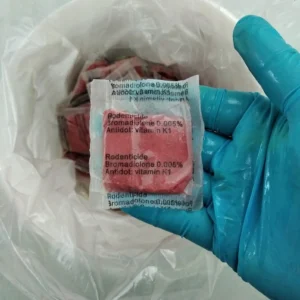
Second-generation anticoagulants are especially concerning. They’re designed to be stable and long-lasting, which means they stick around in soil for a long time. This gives plants more opportunity to absorb them.
Research has found brodifacoum in lettuce, tomatoes, and other vegetables grown in soil treated with rat poison. The amount varies depending on how much poison was in the soil and what type of plant it is.
Some plants absorb more poison than others. Leafy greens like lettuce and spinach seem to take up more anticoagulants than root vegetables. But root vegetables grown directly in contaminated soil can still have poison on their surface.
Bromethalin, a non-anticoagulant poison that attacks the nervous system, hasn’t been studied as much for plant absorption. There’s less data on whether plants take this one up, but it’s still a concern.
Cholecalciferol (vitamin D3) rat poison might be less of a problem. Plants naturally produce their own vitamin D precursors, so extra vitamin D in the soil might not accumulate in dangerous amounts. But this hasn’t been thoroughly studied.
Zinc phosphide, another type of rat poison, breaks down relatively quickly in soil. It reacts with moisture to create phosphine gas, which escapes into the air. This means less might be available for plants to absorb.
How Much Poison Plants Can Absorb?
The amount of poison a plant absorbs depends on several factors. Soil concentration is the biggest one. More poison in the soil means more available for plants to take up.
If you scatter rat poison pellets directly on garden soil, the concentration can be high. As the poison breaks down and dissolves, it creates a contaminated area where plants can absorb it.
Time matters too. Fresh poison in the soil is more available for plant uptake. As weeks and months pass, some poison breaks down or binds to soil particles where plants can’t reach it.
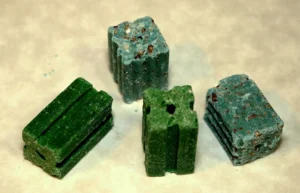
But second-generation anticoagulants can persist in soil for months or even years. This gives plants a long window to absorb the poison.
Different parts of the plant accumulate different amounts. Roots usually have the highest concentration because they’re in direct contact with contaminated soil. Leaves and stems have less. Fruits often have the lowest concentration, but they’re not poison-free.
One study found that lettuce grown in brodifacoum-contaminated soil had poison levels of 0.1 to 0.3 mg per kilogram of plant material. That might not sound like much, but remember that these anticoagulants are extremely potent.
For comparison, a dog only needs about 0.5 mg per pound of body weight to be poisoned by brodifacoum. A human would need more because we’re bigger, but it still doesn’t take much.
If you eat contaminated vegetables regularly, the poison can build up in your body over time. Anticoagulants accumulate in the liver and fat, so repeated exposure is more dangerous than a single exposure.
How Poison Gets Into Garden Soil
There are several ways rat poison can contaminate garden soil. Direct application is the most obvious. If you scatter poison pellets in or near your garden, they’ll dissolve and mix with the soil.
Some people put rat poison around the perimeter of their garden to keep rodents away from plants. This puts poison right where vegetables are growing.
Rain and irrigation water can spread poison. If you put poison blocks in one area, rain can dissolve them and wash the poison into nearby soil, including garden beds.

Poisoned rats can also contaminate soil. When a rat eats poison and then dies in or near your garden, its body releases poison as it decays. This poison leaches into the surrounding soil.
Rat droppings from poisoned rats contain poison too. If poisoned rats are living in or around your garden and leaving droppings, they’re contaminating the soil with every visit.
If you use compost in your garden, contamination can happen there too. If poisoned rats die in your compost pile, or if you accidentally compost materials with rat poison on them, the finished compost will be contaminated.
Old bait stations that leak or break can release poison into soil. Over time, weathering can damage bait stations and allow poison to escape.
Even if you don’t use rat poison yourself, your neighbors might. Poison from their property can wash into your garden during heavy rain, especially if your garden is downhill from where they’ve placed poison.
Testing Soil and Plants for Contamination
If you’re worried that your garden might be contaminated, you can test the soil and plants. But it’s not as simple as a home testing kit.
You’ll need to send samples to a specialized laboratory. Regular soil testing services that check pH and nutrients usually don’t test for pesticides or rodenticides.
Look for labs that do pesticide residue testing. These labs have the equipment needed to detect anticoagulants and other poisons in soil and plant tissue.
Collecting samples properly is important. For soil, take samples from different spots in your garden. Mix them together to get an average reading of your garden’s contamination level.
For plants, you can send whole plants or just the parts you’d eat. Labs can test leaves, fruits, or roots separately to see where poison accumulates.
Testing isn’t cheap. Pesticide residue testing can cost $100 to $300 per sample or more, depending on which chemicals you’re testing for and how detailed the analysis is.
You’ll need to tell the lab specifically what you’re looking for. There are dozens of different rat poisons, and tests need to be designed for specific chemicals.
Results take time. Most labs need at least a week or two to process samples and send you results.
If tests come back positive, you’ll know your garden is contaminated. The lab report will tell you how much poison is present and whether it’s above safe levels.
There aren’t official safety limits for rat poison in vegetables because vegetables aren’t supposed to have poison in them at all. Any detectable amount is concerning.
How to Prevent Contamination
The best way to protect your garden is to avoid using rat poison anywhere near where you grow food. This includes around the perimeter of your garden or anywhere uphill from it.
If you must use poison for rodent control, keep it far away from any edible plants. At minimum, maintain a buffer zone of at least 20 to 30 feet between poison placement and food crops.
Use bait stations and secure them well. This keeps poison contained and prevents it from washing into soil during rain. Check bait stations regularly to make sure they’re not damaged or leaking.
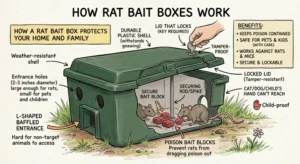
Consider alternatives to poison for areas near your garden. Snap traps, electric traps, or exclusion methods work well without putting toxic chemicals in your yard.
If your garden has been exposed to rat poison, don’t plant anything edible there for at least a year. Give the poison time to break down in the soil.
You can speed up breakdown by adding organic matter to the soil. Compost, aged manure, or other organic amendments can help soil microbes break down poison faster.
Tilling or turning the soil can help too. This mixes contaminated surface soil with deeper, cleaner soil and exposes poison to air and microbes that break it down.
Some people choose to remove contaminated topsoil completely. This is extreme, but it’s the only way to be sure poison is gone. You’d need to remove several inches of topsoil and replace it with clean soil.
If neighbors use rat poison, talk to them about your concerns. They might not realize their poison could affect your garden. Maybe they’d be willing to use traps instead.
What’s The Safe Distance for Rat Poison Near Gardens?
There’s no official safe distance for placing rat poison near food gardens. But based on how poison can spread through soil and water, you want as much distance as possible.
Poison can wash 10 to 20 feet or more during heavy rain, especially on sloped ground. If your garden is downhill from where poison is placed, it’s at higher risk.
On flat ground, poison doesn’t move as far. But irrigation and rain can still carry dissolved poison several feet from where it was originally placed.
As a general rule, keep poison at least 30 feet away from any edible plants. This gives you a buffer zone that reduces the chance of contamination.
If your yard is too small for a 30-foot buffer, don’t use poison at all. The risk of contaminating your food isn’t worth it. Use traps or other non-poison methods instead.
Remember that poisoned rats can travel before they die. A rat might eat poison 50 feet from your garden, then die right in your tomato plants. There’s no way to control where poisoned rats will end up.
This is another reason to avoid poison entirely if you’re growing food. The secondary contamination from dead rats is hard to prevent.
What to Do If Poison Contaminates Your Garden
If rat poison has gotten into your garden soil, don’t plant or harvest anything edible until you’ve dealt with the contamination.
Stop using the affected area for food production immediately. You can still grow ornamental flowers there, but not anything you’ll eat.
If plants are already growing, don’t eat them. It’s not worth the risk, even if they look fine. Harvest and dispose of any contaminated produce.
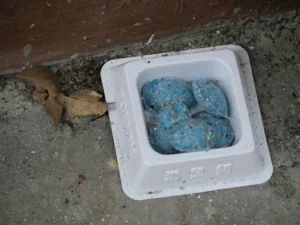
Remove any visible poison pellets or blocks. Wear gloves and put them in a sealed plastic bag for proper disposal at a hazardous waste facility.
If contamination is light and limited to a small area, you might be able to remove the affected soil. Dig out the top 6 to 12 inches of soil and dispose of it as hazardous waste.
Replace removed soil with clean topsoil or compost. This gives you a fresh start with uncontaminated soil.
For larger areas, soil remediation is more practical than removal. Add lots of organic matter and till it in. This helps microbes break down the poison faster.
You can also try phytoremediation, which uses plants to clean contaminated soil. Some plants are better at absorbing and breaking down toxins. These non-edible plants can help clean the soil over time.
Wait at least one growing season before planting food crops again. Test the soil if you want to be sure it’s safe. A clean test result means you can start growing food again.
Long-Term Effects on Soil Health
Rat poison doesn’t just affect plants. It can impact soil health in other ways too.
Anticoagulants can kill earthworms and other soil organisms. These creatures are really important for healthy soil. They break down organic matter, improve soil structure, and help plants get nutrients.
Studies have found that soil treated with rat poison has fewer earthworms. This can last for months after the poison is applied.
Beneficial insects that live in soil can also be affected. Ground beetles, centipedes, and other predators that help control pests might eat poisoned prey and get sick themselves.
Soil microbes generally aren’t killed by anticoagulant poisons. Bacteria and fungi don’t have blood, so blood thinners don’t affect them. But the overall soil ecosystem can still be disrupted.
When earthworms and other soil organisms die off, decomposition slows down. Dead plant material doesn’t break down as fast. Nutrients don’t cycle through the soil as efficiently.
This can lead to soil that’s less fertile over time. Plants might not grow as well because the soil isn’t as healthy as it should be.
Recovery can take a year or more. As poison breaks down and new organisms move in from surrounding areas, the soil ecosystem gradually rebounds.
Adding compost and other organic matter can help speed recovery. These materials provide food and habitat for beneficial soil organisms.
Conclusion
Plants can absorb rat poison from contaminated soil, making fruits and vegetables unsafe to eat. Anticoagulant poisons move through the soil and are taken up by plant roots, then transported to leaves, stems, and fruits.
The amount of poison absorbed depends on soil concentration, plant type, and how long the poison has been in the soil. Even small amounts can be dangerous because these poisons are extremely potent and build up in the body over time.
The safest approach is to never use rat poison near any area where you grow food. Keep poison at least 30 feet away from vegetable gardens, fruit trees, or any edible plants.
If your garden has been contaminated, don’t eat anything grown there until you’ve cleaned the soil or waited for the poison to break down. Testing can tell you when it’s safe to grow food again.
Using traps or other non-poison methods for rodent control protects your garden, your family, and the environment. The peace of mind is worth switching to safer pest control methods.

Hi, my name is Ezra Mushala, i have been interested animals all my life. I am the main author and editor here at snakeinformer.com.