
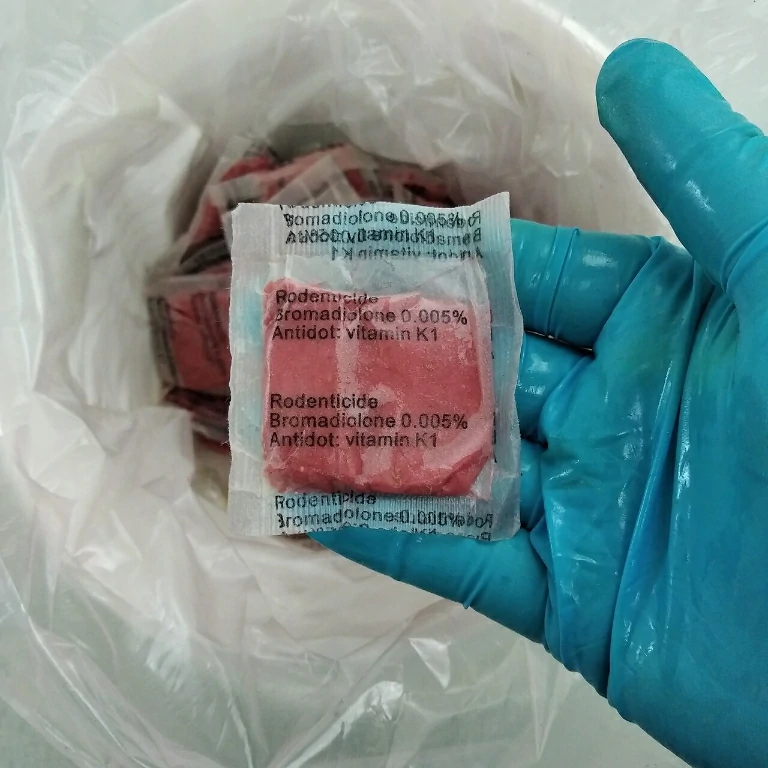
California has some of the strictest regulations on rat poison in the United States. These laws exist because of serious environmental damage caused by rodenticides, particularly their effects on wildlife.
If you live in California or you’re wondering why some rat poisons aren’t available in your area, you need to understand what’s banned and why. What rat poison is banned in California?
California restricted consumer sales of second-generation anticoagulant rodenticides including brodifacoum, bromadiolone, difenacoum, and difethialone in 2014. In 2021, California expanded the restrictions to prohibit most uses of these same chemicals, including by professionals, with limited exemptions. California later added similar restrictions on first-generation anticoagulants like chlorophacinone, diphacinone, and warfarin, with most diphacinone uses prohibited in 2024 and most chlorophacinone and warfarin uses prohibited in 2025.
These restrictions make California the most restrictive state for rodenticide use in the country.
The laws were passed after studies showed widespread poisoning of mountain lions, bobcats, raptors, and other wildlife from eating rats and mice that had consumed these poisons.
Understanding what’s banned and what alternatives are available helps you stay legal while dealing with your rat problem.
Rat Poisons Banned in California
Here’s the real timeline showing which rodenticides are banned in California, and when each ban actually took effect.
| Chemical Name | Type | Banned for Consumer Sale | Banned for All Use | Exceptions |
|---|---|---|---|---|
| Brodifacoum | Second-gen anticoagulant | 2014 | 2020 (effective Jan 1, 2021) | Licensed use in narrow settings like agriculture and water infrastructure |
| Bromadiolone | Second-gen anticoagulant | 2014 | 2020 (effective Jan 1, 2021) | Licensed use in narrow settings like agriculture and water infrastructure |
| Difenacoum | Second-gen anticoagulant | 2014 | 2020 (effective Jan 1, 2021) | Licensed use in narrow settings like agriculture and water infrastructure |
| Difethialone | Second-gen anticoagulant | 2014 | 2020 (effective Jan 1, 2021) | Licensed use in narrow settings like agriculture and water infrastructure |
| Diphacinone | First-gen anticoagulant | No formal consumer sale ban before the full ban | 2024 | Licensed use in narrow settings like agriculture and water infrastructure |
| Chlorophacinone | First-gen anticoagulant | No formal consumer sale ban before the full ban | 2025 (effective Jan 1, 2025) | Licensed use in narrow settings like agriculture and water infrastructure |
| Warfarin | First-gen anticoagulant | No formal consumer sale ban before the full ban | 2025 (effective Jan 1, 2025) | Licensed use in narrow settings like agriculture and water infrastructure |
The 2020 law (AB 1788) only banned second-generation anticoagulants statewide. It also banned first-generation anticoagulants, but only on state-owned land, not everywhere.
The full ban on first-generation anticoagulants didn’t happen until years later, through two more laws: AB 1322 in 2024, then AB 2552 in 2025.
So if you’ve read that California banned every anticoagulant back in 2020, that’s not quite right. It took three separate laws over five years to get there.
Why Did California Ban These Poisons?
The decision to ban anticoagulant rodenticides came after years of research showing devastating effects on California wildlife.
Studies found that over 70% of mountain lions tested in some areas had rodenticide in their blood. Hawks, owls, bobcats, foxes, and other predators were also being poisoned.
These animals weren’t eating the poison directly. They were getting poisoned from eating rats and mice that had consumed rodenticides.

This is called secondary poisoning, and it happens because anticoagulants (especially second-generation ones) accumulate in the rat’s liver and body tissues.
When a mountain lion eats several poisoned rats over time, the poison builds up in the mountain lion’s body too.
Eventually, levels get high enough to cause bleeding problems and death. Wildlife rehabilitation centers across California were seeing increasing numbers of predators with rodenticide poisoning.
The environmental damage was so severe that regulators decided the benefits of allowing these poisons didn’t outweigh the harm.
California has unique ecosystems with many protected species, and the state decided protecting wildlife was more important than convenient rat control.
What the 2014 Ban Changed
The 2014 ban prohibited consumer sales of second-generation anticoagulants (brodifacoum, bromadiolone, difenacoum, difethialone). Regular people could no longer buy products containing these chemicals at hardware stores or online.
However, licensed pest control professionals could still use these products. The idea was that professionals would use them more carefully, in secured bait stations, with proper monitoring and follow-up to reduce environmental risks.
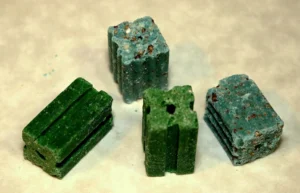
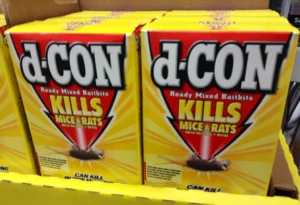
Popular products like d-CON with brodifacoum disappeared from California store shelves. Manufacturers reformulated some products for the California market using different active ingredients like bromethalin or cholecalciferol.
The ban had immediate effects on product availability but didn’t completely eliminate second-generation anticoagulant use. Professionals continued using them for several more years until the 2020 expansion.
What the 2020 Ban Changed
Assembly Bill 1788, which took effect in 2020, went much further. It banned all anticoagulant rodenticides (both first-generation and second-generation) except in very specific circumstances.
Now even licensed pest control professionals can’t use anticoagulants in most situations. The exceptions are extremely limited and include use in agricultural buildings, food processing facilities, and certain public health emergencies.
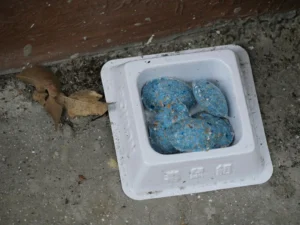
Residential pest control (which is what most people need) basically can’t use anticoagulants anymore. If you hire a pest control company in California to deal with rats in your home, they can’t legally use any anticoagulant poisons.
This was controversial. Pest control companies argued that anticoagulants were their most effective tools and that banning them would make rat control much harder.
But environmental groups and wildlife advocates pushed for the ban based on continued evidence of wildlife poisoning.
When First-Generation Anticoagulants Actually Got Banned
First-generation anticoagulants stayed mostly legal in California for years after the 2020 law passed. That finally changed through two more separate laws.
In 2024, Assembly Bill 1322 added diphacinone to the statewide ban, closing off one of the three first-generation anticoagulants for good.
Then, starting January 1, 2025, Assembly Bill 2552 added chlorophacinone and warfarin to that same ban, finishing the job for the last two.
Today, all three first-generation anticoagulants (chlorophacinone, diphacinone, and warfarin) are classified as restricted materials in California.
They’re banned from nearly every normal use now, the same way second-generation anticoagulants have been banned since 2020.
A few narrow exceptions still exist for these chemicals. Farms, certain water infrastructure projects, vector control agencies, and a handful of other specific cases can still use them under tight rules.
For almost everyone else, including regular homeowners, first-generation anticoagulants are now completely off the table. That’s a much more recent change than a lot of people realize.
Rodenticides Still Legal in California
Not every rat poison is banned. California still allows non-anticoagulant options: bromethalin, cholecalciferol (vitamin D3), and zinc phosphide.
These poisons work through completely different mechanisms than anticoagulants, and they’re considered much less likely to cause the secondary poisoning problem in wildlife.
Bromethalin is a neurotoxin that causes brain swelling and death within one to four days.
It doesn’t build up in a rat’s body the way anticoagulants do, so secondary poisoning is far less likely. Products like Tomcat with Bromethalin are legal to buy and use in California.
Cholecalciferol (vitamin D3) causes kidney failure by pushing calcium buildup way too high in the body’s organs.
Like bromethalin, it doesn’t linger in a rat’s system as long as anticoagulants do, which lowers the secondary poisoning risk. Several brands make vitamin D3 rat bait that complies with California law.
Zinc phosphide is a fast-acting poison that releases toxic gas once it hits a rat’s stomach acid. It works quickly and doesn’t cause the same secondary poisoning issues anticoagulants do.
That said, zinc phosphide can be more dangerous to pets if they eat the bait directly, which is part of why it’s mostly restricted to licensed professionals.
What Are The Penalties for Using Banned Rat Poisons?
Using banned rodenticides in California can result in serious penalties. For individuals, fines can range from $500 to several thousand dollars depending on the violation and whether it’s a first offense or repeat violation.
If your use of illegal poison harms protected wildlife, penalties increase dramatically. California Fish and Wildlife can impose additional fines, and in some cases, violations can result in criminal charges.
For pest control professionals, using banned products can result in license suspension or revocation, plus fines. A pest control business caught using illegal anticoagulants could lose its operating license permanently.
Property managers and landlords who hire pest control companies need to make sure the company isn’t using banned products.
If illegal poison is used on your property (even if you didn’t know about it), you could still face liability if it harms someone’s pet or kills wildlife.
How to Tell If a Rat Poison Is Legal in California
Always check the active ingredients before buying rat poison in California. The label has to list exactly what chemicals are inside.
If it contains brodifacoum, bromadiolone, difenacoum, difethialone, chlorophacinone, diphacinone, or warfarin, you can’t legally buy or use it as a regular consumer.
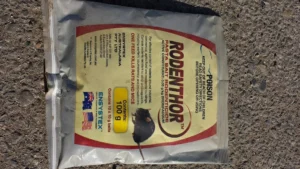
Some retailers, especially online sellers, ship products to California that aren’t actually legal to use there.
Just because you can buy something doesn’t mean you’re allowed to use it. Always check the active ingredients against the banned list.
Products legal in California often carry labels stating something like “Complies with California regulations” or “Legal for use in California.”
Still, don’t rely only on marketing language like that. Check the actual active ingredients yourself, every time.
If you’re hiring a pest control company, ask what products they plan to use. A reputable company will tell you upfront that they can’t use anticoagulants in California and explain their alternative approach instead.
Alternatives Pest Control Professionals Use
California pest control companies have adapted to the restrictions by focusing more on non-chemical methods.
Many now emphasize integrated pest management (IPM) that combines traps, exclusion, and habitat modification.
Snap traps and electronic traps have become more important since anticoagulants were restricted.
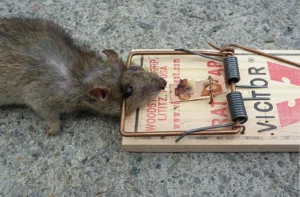
Companies place multiple traps in strategic locations and check them regularly to remove dead rats.
Exclusion work (sealing entry points) has always been part of good pest control, but it’s even more critical now. Without anticoagulants to continuously kill new rats, preventing rats from entering buildings is essential for long-term control.
When poison is necessary, companies use the legal alternatives like bromethalin or cholecalciferol. These work differently from anticoagulants and require different placement and monitoring strategies.
Some companies have invested in new technologies like remote monitoring systems that alert them when traps catch rats, allowing faster response times and better service without relying on poison.
What’s The Impact on Homeowners?
For California homeowners dealing with rats, the bans mean you have fewer poison options and need to rely more on traps and exclusion. This isn’t necessarily bad, it just requires a different approach.
You can’t run to the hardware store and grab a box of d-CON like people in other states can. You need to buy products with legal active ingredients or skip poison entirely and use traps.
The upside is that you’re not contributing to wildlife poisoning, and you’re not risking your own pets with the most dangerous anticoagulants.
The legal alternatives are generally safer for non-target animals.
The downside is that some people find traps more labor-intensive than poison. You need to check traps daily, dispose of dead rats, and reset traps. With poison, you could put out bait and mostly forget about it (though this was never really a good approach).
What’s The Impact on Agriculture?
Agricultural operations were given exceptions to the ban because rats and mice cause massive crop damage and food contamination. Farmers and food processors can still use anticoagulants under specific conditions.

These exceptions are tightly regulated. Users must follow strict protocols about bait placement, securing bait stations, monitoring, and searching for dead rodents. The goal is to minimize environmental exposure while still allowing food production to continue.
Critics argue these exceptions undermine the ban’s purpose since agricultural areas also have wildlife that can be poisoned. Supporters say the exceptions are necessary to prevent food losses and maintain food safety.
How California Compares to Other States
California has the strictest rodenticide rules in the country. No other state has banned anticoagulants this completely, though a few places are moving in the same direction.
British Columbia, just across the border in Canada, went even further and made its own ban on second-generation anticoagulants permanent back in 2023.
A handful of states, including New York and Colorado, introduced bills in 2026 to restrict or ban second-generation anticoagulants too. None have passed anything as sweeping as California’s rules yet.
Some cities and counties elsewhere in the country have local ordinances limiting rodenticide use, especially near parks and open space with wildlife. These local rules vary a lot from place to place.
The overall trend, both in the U.S. and abroad, is toward tighter rodenticide rules. California got there first, and other states are watching closely to see how it plays out before deciding whether to follow.
What to Do If You Find Banned Poison
If you discover banned rat poison on your property (maybe left by a previous owner or tenant), don’t use it. Dispose of it properly through a hazardous waste facility.
Contact your local household hazardous waste program to find out when and where you can drop off unwanted pesticides. Many California counties have regular collection events or permanent drop-off facilities.4

Don’t throw rat poison in the regular trash where animals could get into it. Don’t pour it down drains or dump it outdoors. These disposal methods are illegal and environmentally harmful.
If you’re renting and find that your landlord or property manager used banned poison, you can report it to the California Department of Pesticide Regulation. They investigate complaints and can take enforcement action.
Environmental Benefits of the Ban
Since the bans took effect, some studies have shown decreased rodenticide levels in tested wildlife, though it’s too early for comprehensive long-term data. The hope is that predator populations will recover as poisoning decreases.
Raptors (hawks and owls) that naturally control rodent populations can do their job without being poisoned by their prey.
This creates a more sustainable approach to rodent control that works with nature instead of against it.
Mountain lions, bobcats, and other mammals higher up the food chain are exposed to less poison, reducing mortality from rodenticide poisoning. This is particularly important for species with small populations or protected status.
The ecosystem benefits when natural predator-prey relationships can function without human-introduced poisons disrupting them. Healthy predator populations keep rodent numbers in check naturally.
What Challenges Did The Ban Create?
Pest control companies faced challenges adapting to the restrictions. They needed to retrain technicians, invest in more traps and equipment, and explain to customers why they couldn’t use products that work well in other states.
Some customers complained about higher costs. Trapping and exclusion require more labor than putting out bait stations, which can translate to higher service fees.
In some situations, legal alternatives don’t work as well as the banned anticoagulants. Rats that have developed resistance to bromethalin or that won’t eat cholecalciferol bait create control problems that anticoagulants might have solved.
Enforcement has been inconsistent. With so many rodenticide products available online, some people buy banned products from out-of-state sellers and use them anyway.
Catching individual violators is difficult.
What’s Next for Rodenticide Rules in California
California’s Department of Pesticide Regulation keeps evaluating rodenticide risks, and more restrictions could still be coming.
In late 2025, the department held public workshops looking at tighter mitigation measures for every anticoagulant still in use, both first and second generation.
Some environmental groups want the rules pushed even further. There’s ongoing debate over whether the agricultural exceptions should be narrowed or removed altogether.
As more data comes in on whether wildlife is actually recovering, those exceptions could get a second look.
New rodenticides with different active ingredients are also in development.
If safer options show up that control rats without harming wildlife, California could approve them while keeping the ban on the chemicals that caused all this trouble.
These rules could end up shaping other states too. If California proves rats can be controlled without anticoagulants, other states may well follow its lead.
Conclusion
California restricted consumer use of second-generation anticoagulant rodenticides including brodifacoum, bromadiolone, difenacoum, and difethialone in 2014.
In 2020, California passed additional restrictions that took effect in 2021, prohibiting most uses of these chemicals in non-agricultural settings.
California later added similar restrictions on first-generation anticoagulants like warfarin, chlorophacinone, and diphacinone.
These restrictions exist because of the risk of poisoning nontarget wildlife, including predators and scavengers that eat poisoned rodents.
Legal alternatives for rat control include bromethalin and cholecalciferol, while zinc phosphide is primarily available for professional use. Non-chemical methods like traps and exclusion can also help control rats without using rodenticides.
If you live in California, stick to legal products and methods.
The penalties for using banned poisons aren’t worth it, and the environmental damage from anticoagulants is real.
Work with reputable pest control companies that comply with current regulations, or use traps and exclusion to solve your rat problem without poison at all.

Hi, my name is Ezra Mushala, i have been interested animals all my life. I am the main author and editor here at snakeinformer.com.