
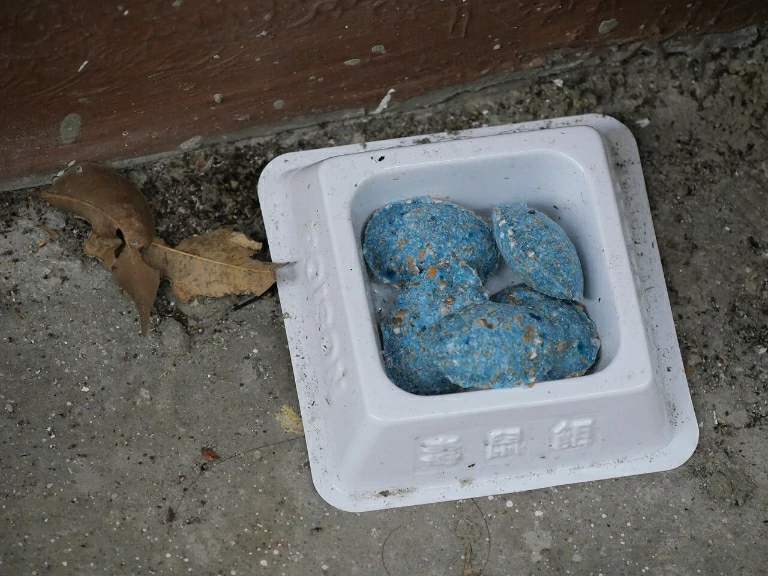
You’ve heard scratching noises coming from under your house. You know there are rats in your crawl space, and you want them gone before they damage wiring or insulation.
Crawl spaces are dark, hard to access, and seem like the perfect place to just toss some rat poison and forget about it. But can you put rat poison in your crawl space?
Yes, you can put rat poison in your crawl space, and it’s actually one of the safer places to use it compared to other locations. Crawl spaces are enclosed, away from children and pets, and separated from living areas. However, you still need to use it correctly with bait stations, and you need to deal with the problem of dead rats decomposing under your house.
Crawl spaces are tricky because once you put poison down there, you can’t easily monitor what’s happening.
Rats might die in places you can’t reach, creating terrible smells that drift up into your house.
Despite being a relatively safe location for poison, there are still important things you need to know before you start.
Why Crawl Spaces Are Better Than Other Locations
Compared to putting poison in your yard, attic, or living areas, crawl spaces have some advantages that make poison use safer.
Crawl spaces are separated from where people and pets spend time. There’s usually a floor or barrier between the crawl space and your living areas. This makes it much harder for children or pets to accidentally access the poison.
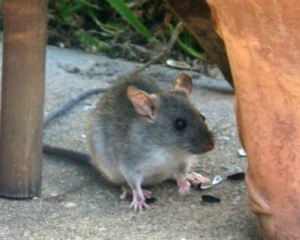
The enclosed nature of crawl spaces means poison is less likely to contaminate outdoor areas. You’re not putting it where rain can wash it into your garden or where wildlife can easily get to it.
Most crawl spaces have limited entry points. If you can control access (like keeping a crawl space door locked), you reduce the risk of unauthorized people or animals getting in.
Temperature in crawl spaces is usually more stable than outdoors. This means poison doesn’t break down as quickly from heat and sun exposure. It stays effective longer.
However, crawl spaces also present unique challenges. The main one is that you can’t easily check on poison or remove dead rats. This is where the problems start.
The Dead Rat Smell Problem
The biggest issue with using poison in crawl spaces is what happens when rats die down there. This is something you really need to think about before you start.
When a rat eats poison, it doesn’t die immediately. It wanders around for 2 to 5 days before dying. In a crawl space, this means the rat could die anywhere in that dark, cramped space under your house.
Dead rats start to smell within 24 to 48 hours of dying. The smell gets worse over the next few days as decomposition speeds up. This is a truly horrible smell that’s hard to describe but impossible to ignore.
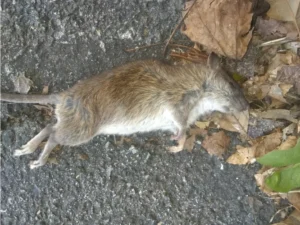
The smell doesn’t stay in the crawl space. It rises up through gaps in your flooring, around pipes and wires, and through any cracks or openings. Soon your whole house smells like rotting meat.
The smell can last for 2 to 8 weeks depending on the temperature and humidity in your crawl space. Warm, humid crawl spaces produce worse smells that last longer. Cool, dry crawl spaces are somewhat better but still bad.
You can’t just spray air freshener and cover it up. The smell is too strong. It permeates your furniture, carpets, and clothing. Guests will notice it immediately when they enter your house.
Opening windows and running fans helps a little, but not much. The only real solution is to find and remove the dead rat, which brings us to the next problem.
Why Dead Rats Are Hard to Remove From Crawl Spaces
Crawl spaces live up to their name. They’re spaces you can barely crawl through, if you can fit at all. This makes finding and removing dead rats really difficult.
Most crawl spaces are only 18 to 36 inches tall. You can’t stand up. You have to crawl on your hands and knees or belly through dirt, over pipes, around support posts, and past insulation.
It’s dark down there. You need a good flashlight or headlamp, and even then, visibility is limited. Dead rats are small and blend in with dirt and debris. Finding them is like searching for something in a dark, cramped cave.
Crawl spaces often have vapor barriers (plastic sheeting) covering the ground. Dead rats can be under this plastic. You have to lift and move the plastic to search, which is difficult in such a tight space.
Some parts of your crawl space might be completely inaccessible. There might be areas too narrow to squeeze into or blocked by ductwork and pipes. If a rat dies in one of these spots, you literally can’t get to it.
Even if you find the dead rat, you have to crawl back out while holding it or putting it in a bag. This is disgusting work that most people don’t want to do.
Professionals charge $150 to $400 or more to go into crawl spaces and remove dead animals. If you have multiple dead rats, the cost adds up fast.
How to Use Rat Poison Safely in Crawl Spaces
If you decide to use poison in your crawl space despite the dead rat problem, here’s how to do it as safely as possible.
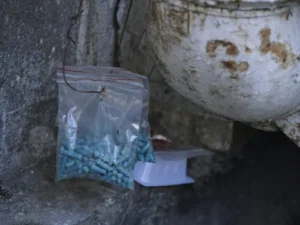
Always use tamper-resistant bait stations. These are boxes that hold the poison and prevent it from being dragged around. Place them along walls and near areas where you’ve seen rat droppings.
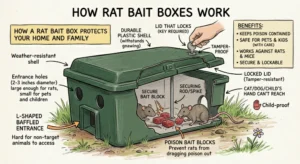
Secure the bait stations so they don’t get knocked over. Some crawl spaces flood occasionally, and you don’t want poison floating around in water.
Place stations in areas you can actually reach again. Don’t put them in spots you won’t be able to access when it’s time to check or remove them. Think about whether you can crawl to that spot multiple times.
Use a crawl space map. Draw a simple diagram showing where you placed each bait station. Number them and mark the locations. This helps you find them later and makes sure you retrieve all poison when you’re done.
Check stations weekly if possible. This means crawling back down there regularly to see if rats are eating the bait and to look for dead rats. It’s a pain, but it’s necessary.
Remove dead rats as soon as you find them. Don’t leave them to decompose. Put them in a sealed plastic bag and throw them in the trash. Wear gloves.
Stop using poison as soon as rat activity stops. Once you’re not seeing fresh droppings and the bait isn’t being eaten, remove all bait stations. Don’t leave them down there permanently.
Better Alternatives to Poison in Crawl Spaces
Given the dead rat smell problem, you might want to consider alternatives to poison. Some of these actually work better in crawl spaces.
Snap traps are excellent for crawl spaces. Unlike poison, traps keep the rat in one spot where you know you can find it. You check traps every day or two and remove dead rats before they start to smell.
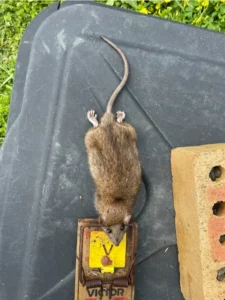
Electronic traps work even better. Some models can hold multiple rats and have indicators that show when they’ve caught something. You know exactly when and where you caught a rat.
The key with traps in crawl spaces is placement. Put them along walls and near entry points. Rats run along edges, not across open spaces. Place traps perpendicular to walls with the trigger end against the wall.
Bait traps with peanut butter, bacon, or dried fruit. Make sure the bait is secured so rats have to trigger the trap to get it.
Check traps daily if possible. Dead rats in traps don’t smell as bad as rats decomposing in random spots, but they still smell. Remove them quickly.
Use enough traps. For a serious rat problem, you might need 10 to 20 traps in your crawl space. This sounds like a lot, but it’s effective.
Seal entry points after you’ve caught the rats. This is actually the most important step. Find where rats are getting into your crawl space and block these holes. Use steel wool, hardware cloth, or expanding foam.
Finding Where Rats Are Getting In
Before you use any rat control method in your crawl space, you need to find and seal entry points. Otherwise, new rats will just move in after you kill the current ones.
Inspect your foundation for cracks and holes. Rats can squeeze through openings as small as a quarter. Look carefully around the entire perimeter of your house.
Check where pipes and wires enter your crawl space. There are often gaps around these utilities. Seal them with steel wool and caulk or expanding foam.
Look at crawl space vents. Some vents have damaged screens or are missing screens entirely. Rats can walk right through these. Replace damaged screens with hardware cloth.
Inspect the crawl space door or access panel. Make sure it closes tightly and doesn’t have gaps. Some access panels are poorly fitted and leave space for rats to squeeze through.
Go inside the crawl space with a bright light. Look at the underside of your floor and the inside of foundation walls. You’re looking for light coming through from outside. Where light gets in, rats can get in.
Seal every hole you find. For small gaps, use caulk or expanding foam. For larger holes, stuff them with steel wool first, then cover with hardware cloth or metal flashing. Don’t use wood or plastic because rats will chew through it.
Dealing With the Smell If Rats Die in Your Crawl Space
If you’ve already used poison and rats have died in your crawl space, you need to deal with the smell. Here’s what you can do.
Try to find and remove the dead rats. This is the only permanent solution. Put on old clothes you can throw away, wear a respirator or mask, bring a strong flashlight, and crawl around looking for bodies.
Use your nose to narrow down the location. As gross as it sounds, follow the smell to find the general area. Then search visually in that zone.
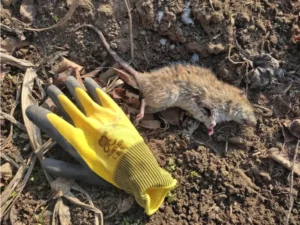
If you absolutely can’t find or reach the dead rat, you’ll have to wait it out. Keep your house well-ventilated. Open windows and run fans to move air through. This doesn’t eliminate the smell but makes it more bearable.
Activated charcoal can absorb some odors. Put bowls of activated charcoal in the rooms above where you think the dead rat is. Replace the charcoal every few days.
Commercial odor eliminators designed for dead animals can help somewhat. These are sold at hardware stores. Spray them in the crawl space near where you think the rat died.
Negative air pressure can keep smells from rising into your house. Open windows on upper floors and close vents on lower floors. This creates airflow that pulls air up and out, rather than pulling crawl space air into your living space.
Enzymatic cleaners break down organic matter and can reduce smell over time. Spray these in the crawl space, but they work slowly and won’t completely eliminate the odor.
Ultimately, if the smell is really bad and you can’t find the rat, you might need to hire a professional dead animal removal service. They have tools like inspection cameras and scent detectors to find carcasses.
Moisture and Poison in Crawl Spaces
Crawl spaces are often damp or humid, and this affects how rat poison works and creates additional problems.
Moisture makes poison blocks and pellets deteriorate faster. They can turn mushy or moldy. Rats won’t eat moldy poison, so you’re wasting money.
Use bait stations that protect poison from moisture. The boxes should be waterproof or at least water-resistant. Check them regularly for dampness.
If your crawl space floods seasonally, poison will get washed around. This contaminates the entire space and makes the poison ineffective. Don’t use poison in crawl spaces that flood.
Damp conditions speed up decomposition of dead rats. This means the smell gets worse faster but also goes away sooner. It’s a trade-off.
Fix moisture problems in your crawl space before dealing with rats. Reduce humidity with vapor barriers, improve drainage around your foundation, and fix any water leaks. A dry crawl space is less attractive to rats anyway.
When to Call a Professional
Some rat problems in crawl spaces are beyond DIY solutions. Here’s when you should call a professional pest control company.
If you have a large rat infestation (seeing multiple rats, lots of droppings everywhere), professionals have the tools and experience to handle it efficiently.
If your crawl space is too small or difficult for you to access safely, don’t risk injury trying to crawl around in there. Professionals are trained to work in confined spaces.
If you’ve tried poison or traps and the problem keeps coming back, there might be entry points you’re missing. Professionals can do a thorough inspection and seal holes you didn’t find.
If you can’t handle the physical work of crawling around in a dirty crawl space, there’s no shame in hiring someone. It’s unpleasant work that many people would rather pay someone else to do.
If dead rats are creating unbearable smells and you can’t find them, professionals have special equipment like thermal imaging cameras and scent detectors that make finding carcasses easier.
The cost of professional rat control for crawl spaces typically runs $300 to $600 for initial treatment, with follow-up visits if needed. This includes inspection, sealing entry points, and placing traps or bait stations.
Long-Term Rat Prevention in Crawl Spaces
Once you’ve solved your current rat problem, focus on keeping them from coming back. Prevention is easier than control.
Keep your crawl space clean and dry. Rats are attracted to moisture and clutter. Remove debris, fix water leaks, and maintain good ventilation.
Store nothing in your crawl space if possible. If you must store things, use sealed plastic containers, not cardboard boxes. Rats love to nest in cardboard and fabric.
Maintain proper drainage around your house. Water pooling near your foundation can seep into the crawl space and attract rats.
Trim vegetation away from your house. Bushes and plants touching your foundation give rats cover to approach your crawl space unnoticed.
Install door sweeps on exterior doors. Check that they seal properly. Rats often enter crawl spaces through gaps under doors.
Inspect your crawl space seasonally. Do a quick check every few months to look for new holes, droppings, or other signs of rats. Catching problems early makes them easier to solve.
Consider installing a vapor barrier if you don’t have one. This is thick plastic sheeting that covers the ground. It reduces moisture and makes it easier to see rat droppings or other signs of activity.
Conclusion
Yes, you can put rat poison in your crawl space, and it’s one of the safer locations compared to yards or living areas. Crawl spaces are enclosed and separated from where children and pets spend time.
However, the biggest problem is dead rats decomposing under your house and creating terrible smells that last for weeks. These smells rise into your living space and are really hard to get rid of.
You also face the challenge of crawling around in a dark, cramped space to place poison, check it, and remove dead rats. Many crawl spaces have areas you can’t even reach.
Traps are often a better choice for crawl spaces. They keep dead rats in one spot where you can find and remove them before they start to smell. Combined with sealing entry points, traps solve rat problems without the decomposition smell issue.
If you do use poison, use bait stations, map their locations, check regularly, remove dead rats immediately, and seal entry points so new rats don’t replace the ones you killed. For serious problems or difficult crawl spaces, hiring a professional is worth the cost.

Hi, my name is Ezra Mushala, i have been interested animals all my life. I am the main author and editor here at snakeinformer.com.