
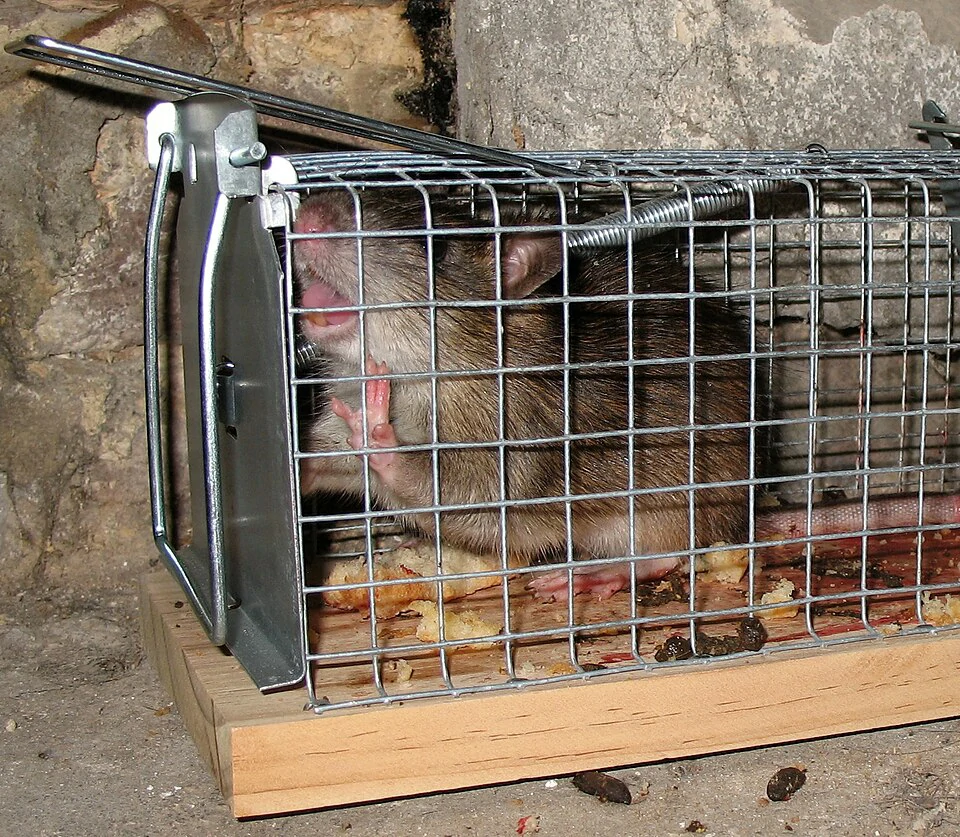
Setting a rat trap is the easy part. The hard part comes when you actually catch something and have to figure out what to do next.
Maybe you’re at work when the trap goes off. Maybe you catch a rat right before bed. Or maybe you just don’t want to deal with it immediately. How long can you leave a rat in a trap?
For snap traps with dead rats, you can leave them for up to 24 hours in cool weather, though 12 hours is better to avoid smell and other pests. For live traps, you should never leave a rat for more than 24 hours, and 12 hours is much more humane. In hot weather, check all traps every 4 to 8 hours.
The type of trap matters, the weather matters, and honestly, your conscience should matter too. Leaving any animal suffering isn’t okay, even if it’s a pest.
Let’s break down exactly how long you can (and should) wait before dealing with a trapped rat.
Dead Rats in Snap Traps
If you’ve used a snap trap and the rat died instantly, time isn’t as critical as with live traps. The rat isn’t suffering anymore.
But you still can’t just leave it there for days. A dead rat starts decomposing quickly, and that creates problems.
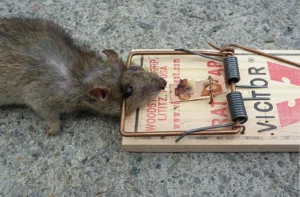
In cool weather (below 60 degrees), a dead rat can stay in a trap for about 24 hours before the smell becomes really noticeable. After that, decomposition accelerates.
In warm weather (above 70 degrees), you’ve got maybe 8 to 12 hours before the smell kicks in. Above 80 degrees, count on just 4 to 6 hours.
Why You Shouldn’t Leave Dead Rats Too Long
Smell is the obvious issue. Dead animals produce gases as they decompose, and these gases smell terrible.
The smell doesn’t just stay near the trap. It spreads through your house, gets into fabrics and carpets, and can linger for days even after you remove the rat.
Dead rats also attract other pests. Flies will lay eggs on the carcass within hours. Those eggs become maggots, and suddenly you’ve got two problems instead of one.
Other rats might actually be attracted to a dead rat. They’re curious animals and will investigate. This can make your rat problem worse, not better.
Living Rats in Any Type of Trap
If the rat is alive, whether in a snap trap that didn’t kill it or in a live trap, you can’t wait long at all.
The maximum you should ever leave a live rat is 24 hours. But that’s really pushing it, especially in hot weather or stressful conditions.
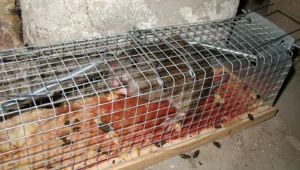
Twelve hours is a much more reasonable and humane limit. Morning and evening checks ensure the rat isn’t suffering all day or all night.
In extreme heat (above 85 degrees) or if the trap is in direct sun, you need to check every 4 to 8 hours. Rats can die from heat stress surprisingly quickly.
What Counts as “Leaving” a Rat?
Some people think that if they’re home, they haven’t really “left” the rat. But if you catch a rat at 8 AM and don’t check the trap until 6 PM, that’s 10 hours.
Being in the same building doesn’t count as checking the trap. You need to actually look at it.
The clock starts the moment the trap goes off, not when you get around to checking it.
If you hear a trap snap and think “I’ll check it later,” you’re already starting the timer on how long that rat has to wait.
Temperature Changes Everything
Cold slows decomposition in dead rats, which means you can wait longer before dealing with them. But cold also means a live rat is burning energy trying to stay warm.
Heat speeds up decomposition in dead rats, making them smell faster. And heat can literally kill a live rat in hours.

If you set traps in summer, you can’t use the same checking schedule you’d use in winter. Heat requires more frequent checks.
Attics and garages get especially hot. A trap in your air-conditioned basement is very different from one in a 110-degree attic.
The Smell Timeline
With dead rats, smell is your main concern after the first 24 hours. Here’s roughly what to expect:
First 4 to 6 hours: No smell in cool weather. Slight smell in hot weather.
6 to 12 hours: Faint smell starting in cool weather. Definite smell in warm weather.
12 to 24 hours: Noticeable smell in cool weather. Strong smell in warm weather.
24 to 48 hours: Strong smell regardless of weather. Maggots might be present.
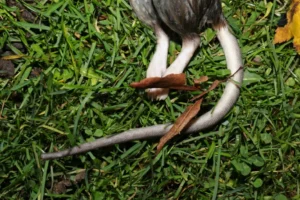
Beyond 48 hours: Severe smell that’s hard to remove. Definitely maggots. Possibly leaking fluids.
Flies and Maggots
Flies can detect a dead animal from surprisingly far away. They’re attracted to the smell of decomposition.
A fly can land on a dead rat and lay eggs within the first few hours. Those eggs hatch into maggots in about 24 hours.
Once you’ve got maggots, disposal becomes much more unpleasant. Plus, those maggots will eventually become more flies, continuing the cycle.
If you wait too long to check a trap in warm weather, you might find a rat covered in maggots. This is absolutely preventable by checking sooner.
Live Rats Suffer When Left Too Long
A rat in a live trap goes through predictable stages of suffering the longer you leave it.
First few hours: Panic and frantic escape attempts. High stress but physically okay.
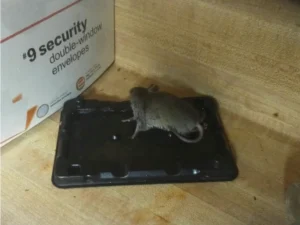
6 to 12 hours: Still trying to escape but getting tired. Dehydration starting to set in.
12 to 24 hours: Weak from dehydration and stress. Escape attempts less frequent. Real suffering happening now.
24 to 48 hours: Severe dehydration. Possibly dying or already dead. This rat has suffered unnecessarily.
Partially Caught Rats in Snap Traps
Sometimes a snap trap catches a rat but doesn’t kill it. The rat might be pinned by a leg, tail, or across its body but still alive.
These situations are the worst. The rat is in pain, terrified, and can’t escape. Every minute you wait is another minute of suffering.
If you find a partially caught rat, you need to deal with it immediately. Not in an hour. Not when you get home from work. Right now.
The humane options are to either kill the rat quickly (if you can do it) or take it to a vet for euthanasia. Don’t just leave it pinned and suffering.
Morning vs. Evening Trap Checks
If you can only check traps once a day, morning is better than evening for most situations.
A morning check means any rats caught overnight are dealt with relatively quickly (within 8 to 12 hours maximum).
Evening checks mean rats caught during the day could be there all night. That’s potentially 12 to 16 hours.
But really, you should be checking twice a day. Morning and evening checks mean no rat waits more than 12 hours.
What to Do If You Can’t Check Regularly
If your schedule doesn’t allow for checking traps every 12 to 24 hours, you have a few options.
Don’t set traps on days when you won’t be home. If you’re going away for the weekend, wait until you get back.
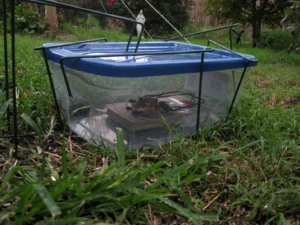
Ask a neighbor or friend to check for you. Give them clear instructions on what to do if they find something.
Use electronic traps instead of snap traps or live traps. These kill instantly and can be checked once a day without ethical concerns.
Hire a professional pest control service. They’ll handle everything, including regular trap checks.
Legal and Ethical Standards
Some places have actual laws about how often you must check traps. These laws typically require checks every 12 to 24 hours.
Even where there aren’t specific laws, animal welfare standards exist. Organizations like the ASPCA recommend checking any trap with the potential to catch a live animal every 12 hours.
From an ethical standpoint, if you’re going to use traps, you’re taking on the responsibility to check them regularly. It’s part of the deal.
Leaving an animal to suffer because you’re too busy or don’t feel like checking is indefensible, regardless of what the law says.
Setting Traps Before You Leave Town
Never, ever set traps right before leaving for a trip. This should be obvious, but people do it anyway.
They think “I’ll catch the rat while I’m gone and deal with it when I get back.” But now you’ve potentially got a rat suffering for days.
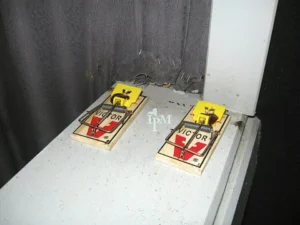
Or you’ve got a dead rat decomposing for days, creating a smell that will greet you when you return home.
If you’re going to be gone for more than 24 hours, don’t set new traps. If you already have traps set, either remove them or have someone check them daily.
Weather Forecasts Matter
Check the weather before setting traps. If a heat wave is coming and you won’t be able to check frequently, wait.
Same with severe cold. If temperatures are dropping below freezing and you can’t check often, hold off.
You can always set traps next week. But you can’t undo the suffering of a rat left in bad conditions for too long.
Multiple Traps, Multiple Checks
If you’ve set traps in different locations (attic, basement, garage, etc.), you need to check all of them.
Don’t just check the convenient ones and skip the hard-to-reach traps. Every trap deserves a check.
Make a list or set reminders for each trap location. It’s easy to forget about that one trap in the crawl space.
What Happens If You Forget
If you forget to check a trap and find it 48 hours later, you need to learn from the mistake.
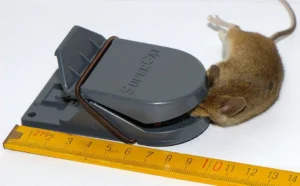
For dead rats, dispose of them immediately and clean the area thoroughly to remove smell and any maggots.
For live rats that are still alive but suffering, provide water immediately if possible, then decide on release or euthanasia.
For dead rats that were alive when last check was due, acknowledge that the animal suffered because of your neglect. Use it as motivation to be more diligent.
Setting Reminders
Use your phone to set repeating alarms for trap checks. Make them loud and annoying so you can’t ignore them.
Put notes where you’ll see them. Stick a reminder on your coffee maker if you check traps in the morning.
Tell someone else about your traps. They can remind you if you forget.
Build trap checks into your daily routine. Right after breakfast, right before bed, whatever works.
The Economic Argument
Some people avoid checking traps because it’s inconvenient. But consider the cost of not checking.
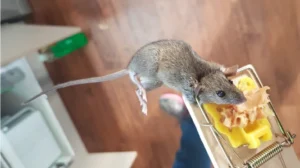
A dead rat left too long can cause smell damage that requires professional cleaning. That’s expensive.
A live rat that escapes due to prolonged chewing becomes trap-shy and much harder to catch. Now you need professional help, which is expensive.
The few minutes it takes to check a trap is nothing compared to these potential costs.
Different Traps, Different Timelines
Glue traps: Check every 4 to 8 hours maximum. Rats stuck to glue traps suffer terribly and can take days to die without intervention.
Snap traps with dead rats: 12 to 24 hours in cool weather, 4 to 12 hours in warm weather.
Snap traps with live rats: Immediately. These need to be dealt with as soon as you discover them.
Live traps: Every 12 hours, more often in heat.
Electronic traps: Every 24 hours is acceptable since death is instant.
When Professional Help Makes Sense
If you find yourself consistently unable to check traps on schedule, it’s time to call professionals.
Pest control services check traps as part of their service. You’re not paying them just to set traps but to maintain them properly.
This is especially important for businesses. If you run a restaurant or store, you can’t have dead rats sitting around for days.
Conclusion
The maximum time to leave a rat in a trap depends on several factors, but here are the basic rules:
Dead rats in snap traps: 12 to 24 hours in cool weather, 4 to 8 hours in heat.
Live rats in any trap: 12 hours maximum, preferably less. Never more than 24 hours under any circumstances.
Partially caught but still alive: Deal with immediately, no waiting.
These aren’t just suggestions. They’re ethical minimums. If you use traps, you’re responsible for checking them regularly and dealing with what you catch humanely and promptly. Anything less is cruel, regardless of whether the animal is a pest.

Hi, my name is Ezra Mushala, i have been interested animals all my life. I am the main author and editor here at snakeinformer.com.