
If you’re dealing with a rodent problem and you have dogs at home, you’re probably wondering if there’s any rat poison out there that won’t hurt your pet. It’s a common question, and the answer might not be what you want to hear.
You want something that’ll kill rats and mice without putting your dog at risk, but finding that balance is almost impossible with poison-based products. So what rat poison is safe for dogs?
There is no rat poison that is truly safe for dogs. All poisons designed to kill rodents are toxic to dogs if ingested. While some types are slightly less dangerous than others, any rat poison strong enough to kill a rat can harm or kill a dog. The only truly dog-safe rodent control methods are non-poison options like snap traps, electronic traps, and exclusion techniques.
This is a hard truth for many pet owners. The chemicals that make rat poison effective at killing rodents work the same way in dogs, just at different doses.
There’s no magic formula that kills rats but leaves dogs unharmed.
Why No Rat Poison Is Actually Dog-Safe
| Product Type | Why It’s NOT Safe for Dogs | Risk Level If Dog Eats It | Better Alternative |
|---|---|---|---|
| First-generation anticoagulants (Warfarin) | Still causes internal bleeding, just takes more | Moderate to High | Snap traps |
| Second-generation anticoagulants | Extremely toxic even in tiny amounts | Very High | Electronic traps |
| Bromethalin | Causes brain swelling, no antidote | Extremely High | Live traps |
| Cholecalciferol (Vitamin D3) | Causes kidney failure | Very High | Ultrasonic devices (limited effectiveness) |
| Zinc Phosphide | Creates toxic gas in stomach | High | Exclusion (sealing entry points) |
| “Pet-resistant” bait stations | Poison inside is still toxic if accessed | Varies (still dangerous) | Professional pest control with non-poison methods |
| Natural or “organic” poisons | Still contain toxic ingredients | Moderate to High | Cats (if you don’t have dogs who’ll bother them) |
This table shows you the truth about different rat control products. Even the ones marketed as safer options can seriously harm your dog.
The Marketing Trick Behind “Pet-Friendly” Products
You’ve probably seen rat poison products with labels that say things like “pet-friendly,” “safe around pets,” or “pet-resistant.” These terms are misleading.
What these products usually mean is that the poison is in a bait station that’s designed to be hard for dogs to open. The station might have a lock or small openings that only rats can fit through.
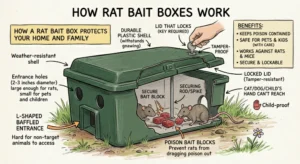
But here’s the problem: dogs are smart and determined. They can chew through plastic bait stations, knock them over and break them open, or figure out how to access the poison inside.
And even if the station itself is truly dog-proof, what happens when a rat takes the poison out of the station to eat somewhere else? Or when someone doesn’t close the station properly? Your dog can still get to the poison.
The poison inside these “pet-friendly” stations is just as toxic as any other rat poison. If your dog manages to eat it, they’ll get just as sick as they would from any other poison.
Some products claim to be safer because they use older, less potent poisons like warfarin instead of newer ones. But warfarin can still cause serious internal bleeding in dogs. It’s just that your dog might need to eat more of it to get sick.
Why First-Generation Anticoagulants Aren’t Really Safer
Some people think using first-generation anticoagulant poisons (like warfarin or chlorophacinone) is a safer choice when you have dogs. This isn’t really true.
Yes, these poisons are less potent than second-generation anticoagulants. A dog would need to eat more of them to get seriously sick, and they don’t last as long in the body.
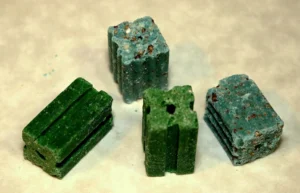
But they still work by preventing blood from clotting. If your dog eats enough, they’ll develop the same internal bleeding problems as they would with stronger poisons.
The “safer” aspect only matters if your dog eats a really small amount. But you can’t control how much your dog eats if they get into the poison. They might gobble up several blocks or a whole handful of pellets before you catch them.
Also, first-generation anticoagulants often require multiple feedings to kill rats, which means you need to put out more bait and keep it available longer. This actually increases the chances that your dog will find and eat it.
And these poisons can still cause secondary poisoning. If your dog eats a rat that died from warfarin, they can get sick too.
Natural and Organic Poisons Aren’t Safe Either
You might think switching to a “natural” or “organic” rat poison would be safer for your dog. Unfortunately, natural doesn’t mean non-toxic.
Many natural rat poisons use ingredients like corn gluten, salt, or plant-based toxins. These might sound harmless, but they can still make your dog sick.
High doses of salt, for example, can cause salt poisoning in dogs. Symptoms include vomiting, diarrhea, tremors, seizures, and even death in severe cases.
Some natural poisons use essential oils or plant extracts that are toxic to both rodents and dogs. Just because something comes from a plant doesn’t mean it’s safe for your pet.
Other natural products work by dehydrating rodents or causing digestive problems. If a dog eats these products, they can have the same effects, leading to serious dehydration or intestinal blockages.
The truth is that anything powerful enough to kill a rat is likely to harm a dog too. Natural ingredients can be just as dangerous as synthetic chemicals.
The Bait Station Myth
Bait stations are enclosures that hold rat poison and are designed to let rats in while keeping larger animals out. Many people think these make poison safe to use around dogs.
The problem is that bait stations aren’t foolproof. Determined dogs can and do break into them. They might chew through the plastic, knock the station around until it breaks, or paw at it until they get it open.
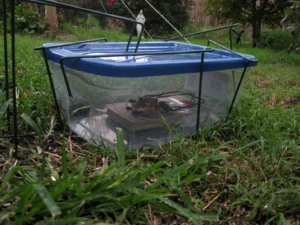
Tony Alter (CC BY 2.0)
Some bait stations have small openings that only rats are supposed to fit through. But rats sometimes drag poison out of these openings to eat elsewhere. If your dog finds these dropped pieces, they can eat them.
Bait stations can also malfunction or be left open by mistake. If someone doesn’t secure the lid properly, your dog can easily access the poison inside.
And if the bait station is outside, weather can damage it over time. Sun exposure makes plastic brittle, rain can cause rust on metal parts, and the whole thing might break down and expose the poison.
Professional-grade bait stations used by pest control companies are more secure than store-bought ones, but even these aren’t 100% dog-proof. Any physical barrier can potentially be breached by a determined dog.
Why You Can’t Just Use Less Poison
Some dog owners think they can use rat poison safely by only putting out small amounts. The logic is that if there’s less poison available, their dog can’t eat enough to get seriously hurt.
This doesn’t work for several reasons. First, you don’t know how much poison your dog might eat before you catch them. Even if you only put out one or two blocks, your dog might eat all of it in seconds.
Second, with highly toxic poisons like bromethalin or second-generation anticoagulants, even a small amount can be lethal to a dog. You can’t make these poisons safe by using less of them.
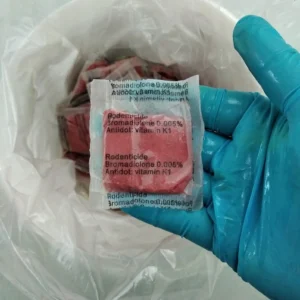
Third, using less poison makes it less effective at controlling rodents. If you’re not using enough to actually kill the rats, you’re wasting your time and still putting your dog at risk.
Rats need to eat a certain amount of poison to die from it. If you don’t put out enough bait, the rats might nibble on it but not eat a lethal dose. This can even lead to poison resistance in the rodent population.
So using less poison doesn’t protect your dog and doesn’t solve your rodent problem. It’s the worst of both worlds.
What About Poisons That Claim to Taste Bad to Dogs?
Some rat poison manufacturers say their products have a bitter taste that dogs won’t like, which supposedly keeps dogs from eating enough to get sick.
This is a weak safety feature at best. Many dogs will eat things that taste terrible if they’re hungry, curious, or just being dogs. The bitter taste might make them pause, but it often doesn’t stop them.
Rat poison is also formulated to taste good to rodents, which usually means it contains ingredients like peanut butter flavoring, grains, or other foods. These flavors can override the bitter taste, especially for dogs who’ll eat almost anything.
Some dogs seem completely unbothered by bitter tastes. They’ll eat bitter-tasting items without hesitation. The reaction varies from dog to dog.
And even if the bitter taste does make your dog stop eating after a few bites, they might have already consumed enough poison to cause problems, especially with highly toxic types.
Relying on a bitter taste to keep your dog safe is like playing Russian roulette with their life. It might work sometimes, but it’s not a reliable safety measure.
The Secondary Poisoning Problem With All Poisons
Even if you somehow keep your dog away from the actual poison bait, there’s still the risk of secondary poisoning from eating dead or dying rodents.
When a rat eats poison, the toxin stays in its body. If the rat dies in your yard and your dog finds and eats it, your dog is now eating poison too.

This is a problem with all types of rat poison, but it’s especially bad with second-generation anticoagulants. These poisons stay in the rat’s body at high concentrations, making dead rats very toxic to dogs who eat them.
You might think you can prevent this by cleaning up dead rats, but you won’t always find them. Rats often crawl into hidden spots to die, like under decks, in bushes, or in crawl spaces. Your dog might find them before you do.
Some dogs are natural hunters and will actively seek out and eat small animals. If you have a dog like this and you use rat poison anywhere on your property, you’re setting up a dangerous situation.
There’s no rat poison that eliminates this risk. Any poison that kills rats can poison your dog through secondary exposure.
Why Vets Don’t Recommend Any Rat Poison for Homes With Dogs
If you ask any veterinarian what rat poison is safe to use when you have dogs, they’ll tell you the same thing: don’t use poison at all.
Vets see the results of rat poisoning in dogs all the time. They know how quickly things can go wrong and how expensive and difficult treatment can be.
They also know that even with treatment, not all dogs survive rat poisoning. Some poisons have no antidote, and some dogs are already too sick by the time they get to the vet.
The emergency vet bills for rat poisoning can easily run into thousands of dollars. Treatment might involve multiple days of hospitalization, blood transfusions, intensive monitoring, and expensive medications.
And even after all that treatment and expense, some dogs still die or are left with permanent organ damage, especially kidney or liver damage.
From a vet’s perspective, the risk of using rat poison when you have dogs is never worth it. The potential harm to your dog far outweighs the convenience of poison for rodent control.
Real Dog-Safe Alternatives to Rat Poison
If rat poison isn’t safe for dogs, what can you use instead? There are several effective options that don’t involve toxic chemicals.
Snap traps are the classic solution. They kill rats instantly and humanely. The downside is you have to set them, check them, and dispose of dead rats, but they’re completely safe for dogs (as long as you put them where your dog can’t step on them).
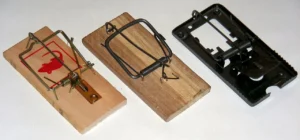
Electronic traps deliver a high-voltage shock that kills rodents instantly. They’re self-contained, and many models alert you when they’ve caught something. Dogs can’t get shocked because they’re too big to fit in the trap opening.
Live traps capture rats without killing them, so you can release them far from your home. This is the most humane option, though it requires you to actually relocate the rats.
Exclusion is the best long-term solution. This means sealing up any holes or gaps where rats might be getting into your house. If they can’t get in, you don’t have a rodent problem.
Ultrasonic devices claim to repel rodents with high-frequency sounds. Their effectiveness is debatable, but they’re safe for dogs and worth trying as part of a larger strategy.
Professional pest control services can use integrated pest management techniques that don’t rely on poison. They might use traps, exclusion, and habitat modification to solve your rodent problem.
How to Transition Away From Poison
If you’re currently using rat poison and want to switch to dog-safe methods, here’s how to do it safely.
First, remove all poison from anywhere your dog can access. This includes poison you put out yourself and any poison that might be in bait stations on your property.
Check with neighbors if you live close to other houses. Let them know you have a dog and ask if they’re using rat poison. Your dog might wander into their yard or rats might die on their property and your dog could find them.
Contact your landlord or property management if you rent. Ask them to use non-poison methods for pest control, or at least to notify you before they put out poison so you can keep your dog away.
Set up snap traps or electronic traps in areas where you’ve seen rat activity. Focus on placing them in spots your dog can’t reach, like inside cabinets, behind appliances, or in the attic.
Do a thorough check of your home’s exterior and seal any holes or gaps. Rats can squeeze through openings as small as a quarter, so be thorough. Use steel wool or hardware cloth in gaps, as rats can’t chew through these materials.
Clean up anything that might attract rats. This means securing garbage, cleaning up fallen fruit or birdseed, and removing clutter where rats might nest.
What to Do If Your Dog Eats “Safer” Poison
Even if you’re using what’s marketed as a less toxic or pet-friendly rat poison, if your dog eats it, you need to act fast.
Don’t assume that because the package said it was safer, your dog will be okay. Call your vet or an emergency animal hospital immediately and tell them what happened.
Find the poison package and read them the active ingredient. This is the most important information the vet needs. Even “safer” poisons require specific treatments.
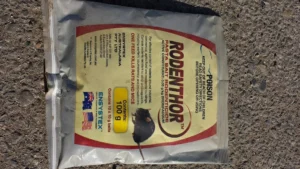
Watch for symptoms, but don’t wait for them to appear before getting help. Many rat poisons have delayed effects, and by the time symptoms show up, serious damage might already be happening.
Follow your vet’s instructions exactly. They might tell you to come in immediately, or they might give you instructions for monitoring your dog at home. Do whatever they say.
Expect treatment even for “less toxic” poisons. Your dog will probably need blood work, monitoring, and possibly medications like vitamin K1 if it was an anticoagulant poison.
Conclusion
There is no rat poison that’s truly safe for dogs. Any poison designed to kill rodents can harm or kill your dog if they eat it, and even “pet-friendly” or “less toxic” options still pose serious risks.
The only way to safely control rodents when you have dogs is to avoid poison entirely and use alternatives like snap traps, electronic traps, exclusion methods, or professional pest control services that use non-poison approaches.
If you currently have rat poison on your property and you have a dog, remove it immediately and switch to safer methods. Your dog’s life is worth more than the convenience of using poison.
Sources:
Cholecalciferol (Vitamin D3) Poisoning in Animals:https://www.msdvetmanual.com/toxicology/rodenticide-poisoning/cholecalciferol-vitamin-d3-poisoning-in-animals
Cholecalciferol (Vitamin D3) Rodenticide Poisoning: https://vcahospitals.com/know-your-pet/cholecalciferol-vitamin-d3-rodenticide-poisoning
Bromethalin Poisoning in Animals:https://www.msdvetmanual.com/toxicology/rodenticide-poisoning/bromethalin-poisoning-in-animals
Anticoagulant Rodenticide Poisoning in Animals: https://www.msdvetmanual.com/toxicology/rodenticide-poisoning/anticoagulant-rodenticide-poisoning-in-animals
Phosphide (Zinc, Magnesium, Aluminum) Poisoning in Animals:https://vcahospitals.com/know-your-pet/rodenticide-warfarin-poisoning-in-dogs

Hi, my name is Ezra Mushala, i have been interested animals all my life. I am the main author and editor here at snakeinformer.com.