
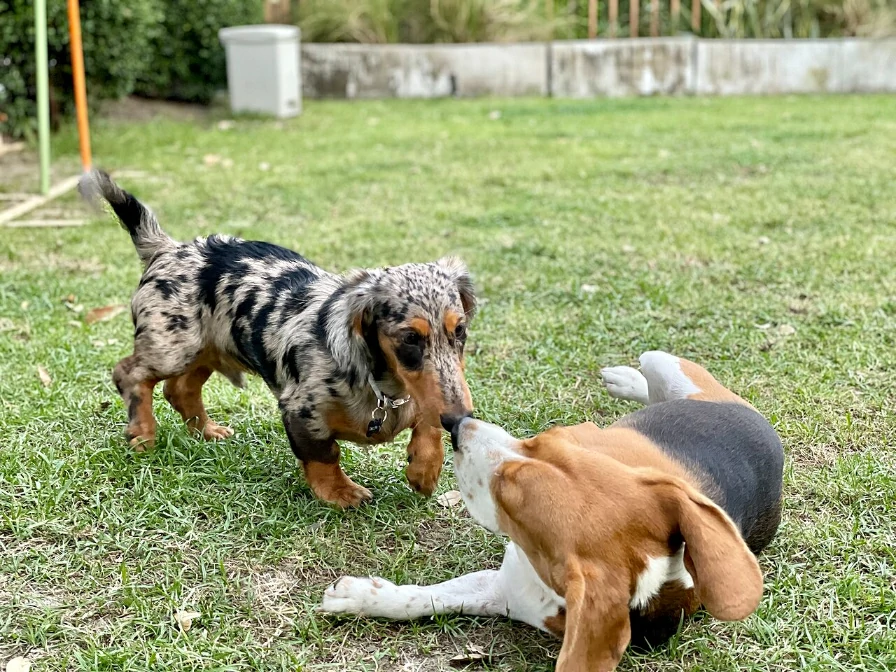
When you’re trying to protect your home from rodents, the last thing you want is to accidentally put your dog in danger. The problem is that pretty much all rat poisons can harm dogs if they eat them, but some types are way more dangerous than others.
Understanding which rat poisons pose the biggest threat to your dog can help you make smarter choices about pest control and know what to watch for if your dog gets into something they shouldn’t. So what rat poison is harmful to dogs?
All rat poisons are harmful to dogs, but the level of danger varies by type. Anticoagulant poisons, bromethalin, cholecalciferol (vitamin D3), zinc phosphide, and strychnine can all cause serious illness or death in dogs. Even small amounts of these poisons can be deadly, especially bromethalin and newer anticoagulants, which work in tiny doses.
The truth is there’s no such thing as a rat poison that’s completely safe for dogs. Any poison strong enough to kill a rat can hurt or kill a dog too. The difference is in how toxic each type is and how much your dog would need to eat to get seriously sick.
The Most Common Rat Poisons and How They Harm Dogs
| Poison Type | How It Works | Danger Level for Dogs | Symptoms | Time to Symptoms | Antidote Available? |
|---|---|---|---|---|---|
| First-generation anticoagulants (Warfarin, Chlorophacinone) | Stops blood clotting | Moderate to High | Weakness, pale gums, bleeding, bruising, blood in urine/stool | 2-5 days | Yes (Vitamin K1) |
| Second-generation anticoagulants (Brodifacoum, Bromadiolone, Difethialone) | Stops blood clotting (much stronger) | Very High | Same as above but more severe | 2-7 days | Yes (Vitamin K1) |
| Bromethalin | Causes brain swelling | Extremely High | Tremors, seizures, paralysis, death | 2-24 hours (low dose: days) | No |
| Cholecalciferol (Vitamin D3) | Causes kidney failure | Very High | Increased thirst/urination, vomiting, kidney failure | 12-36 hours | No (supportive care only) |
| Zinc Phosphide | Releases toxic gas in stomach | High | Vomiting, stomach pain, seizures, difficulty breathing | 15 minutes to 4 hours | No (supportive care only) |
| Strychnine | Affects nervous system | Extremely High | Severe muscle spasms, seizures, death | 15 minutes to 2 hours | No (supportive care only) |
This table shows you the most common rat poisons you’ll find in stores or that pest control companies use. Each one works differently and poses different levels of danger to your dog.
Why Anticoagulant Poisons Are So Dangerous
Anticoagulant rat poisons are the most widely used type, which means your dog is most likely to encounter them. These poisons work by stopping blood from clotting normally.
When a dog eats anticoagulant poison, it interferes with their body’s ability to make vitamin K. Vitamin K is what helps blood clot when there’s an injury. Without it, blood can’t clot properly.
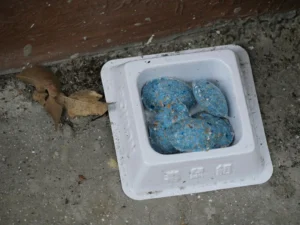
The scary thing about these poisons is that they don’t cause obvious symptoms right away. Your dog might seem totally fine for 2-5 days after eating the poison. During this time, the poison is working inside their body, using up all their clotting factors.
By the time you see symptoms like weakness, pale gums, or bleeding, your dog might already have serious internal bleeding. They could be bleeding into their chest, abdomen, or other organs without you knowing.
There are two generations of anticoagulant poisons. First-generation ones (like warfarin) are less potent and your dog would need to eat them multiple times to get seriously sick. Second-generation ones (llike brodifacoum) are much stronger. Just one meal of these can be lethal.
The good news is there’s an antidote. Vitamin K1 treatment can reverse the effects of anticoagulant poisoning if it’s given before serious bleeding starts.
But you need to get your dog to the vet fast, ideally before symptoms show up.
Bromethalin: The Poison With No Antidote
Bromethalin is one of the most dangerous rat poisons for dogs because there’s no antidote and it works really fast.
This poison causes swelling in the brain and spinal cord. It disrupts the way nerve cells work, which leads to a buildup of fluid in the brain. This swelling puts pressure on the brain and can cause permanent damage or death.
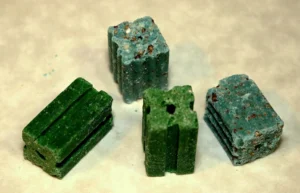
What makes bromethalin so scary is how little it takes to hurt a dog. Even a tiny amount can cause serious problems. Small dogs are at even higher risk because it doesn’t take much poison relative to their body weight to reach toxic levels.
Symptoms can show up within hours or might take a few days, depending on how much your dog ate. You might see muscle tremors, loss of coordination, seizures, or paralysis. In severe cases, dogs can become comatose or die.
Since there’s no antidote, treatment focuses on supportive care. Vets try to reduce brain swelling with medications, prevent seizures, and support your dog’s body while it tries to process and eliminate the poison.
The survival rate for dogs who eat bromethalin depends heavily on how much they ate and how fast they get treatment. Dogs who eat a large amount might not survive even with aggressive veterinary care.
Cholecalciferol (Vitamin D3) Destroys Kidneys
You might think vitamin D sounds harmless, but cholecalciferol rat poison contains massive doses that are toxic to dogs.
This poison causes calcium levels in the blood to skyrocket. All that extra calcium gets deposited in your dog’s kidneys, heart, and other organs, causing serious damage.
The kidneys are usually hit hardest. As calcium builds up in kidney tissue, it destroys the kidney cells and prevents them from working properly. This leads to acute kidney failure, which can be fatal.
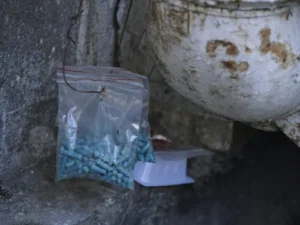
Early symptoms include increased thirst and urination (because the kidneys aren’t working right), vomiting, and loss of appetite. As the poisoning progresses, your dog might stop urinating, which is a sign of kidney failure.
There’s no specific antidote for cholecalciferol poisoning. Treatment involves aggressive IV fluids to help flush calcium out of the body and protect the kidneys, along with medications to reduce calcium absorption.
Even with treatment, some dogs develop permanent kidney damage. The outcome depends on how much poison was eaten and how quickly treatment starts.
How Zinc Phosphide Works in Your Dog’s Stomach
Zinc phosphide is a really dangerous poison because of what happens when it mixes with stomach acid.
When a dog eats zinc phosphide, it reacts with the acid in their stomach to create phosphine gas. This gas is highly toxic and can cause serious damage to the stomach lining, liver, kidneys, heart, and lungs.
Symptoms usually show up fast, within 15 minutes to a few hours. Your dog might vomit (the vomit might have a garlicky smell from the phosphine gas), have severe stomach pain, or develop seizures.
The phosphine gas can also affect your dog’s breathing. It damages lung tissue and can cause fluid to build up in the lungs, making it hard for your dog to breathe.
There’s no antidote for zinc phosphide poisoning. Treatment is supportive and focuses on managing symptoms, protecting organs, and helping your dog’s body eliminate the toxin.
One dangerous thing about zinc phosphide is that the vomit from a poisoned dog can release phosphine gas, which is toxic to people too. If your dog vomits after eating this poison, make sure you’re in a well-ventilated area and don’t breathe in the fumes.
Why Second-Generation Anticoagulants Are Worse
Second-generation anticoagulant poisons were developed because rats became resistant to the older first-generation poisons. But this “improvement” made them much more dangerous to dogs.
These newer poisons (brodifacoum, bromadiolone, difethialone, difenacoum) are incredibly potent. A dog only needs to eat a tiny amount to get a lethal dose. We’re talking about quantities as small as 0.5-1 mg per kilogram of body weight.
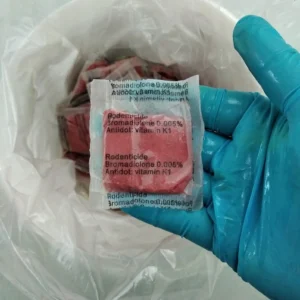
They also last way longer in the body. While first-generation anticoagulants might affect your dog for a few days, second-generation ones can stay active for weeks or even months.
This means even if your dog only ate a small amount of poison once, they might need treatment with vitamin K1 for 4-6 weeks to prevent bleeding problems.
The long-lasting effect also means that if your dog eats a rat or mouse that died from second-generation poison, they can get secondary poisoning. The poison is still active in the dead rodent’s body, and eating it can make your dog sick.
Strychnine: Rare But Extremely Deadly
Strychnine isn’t used as much anymore because of how dangerous it is, but it’s still out there, especially in rural areas or agricultural settings.
This poison affects your dog’s nervous system. It causes severe muscle spasms and seizures by interfering with nerve signals that usually relax muscles.
The symptoms are horrible. Your dog might start having violent muscle spasms all over their body. These spasms are so intense that your dog’s body can become rigid. Even small sounds or movements can trigger more spasms.
Seizures from strychnine poisoning are different from regular seizures. Your dog stays conscious during the spasms, which makes the experience even more traumatic for them.
Symptoms show up really fast, usually within 15 minutes to 2 hours of eating the poison. Without immediate treatment, dogs can die from exhaustion, breathing failure, or brain damage from the seizures.
There’s no antidote. Treatment involves sedating your dog heavily to stop the muscle spasms, supporting their breathing (sometimes with a ventilator), and trying to eliminate the poison from their system.
Why Small Amounts Can Still Be Deadly
You might think your dog would need to eat a lot of rat poison to get sick, but that’s not true for most types.
The toxicity of rat poisons is measured in how much is needed per kilogram of your dog’s body weight. Small dogs are at higher risk because they weigh less, so even a tiny amount of poison represents a large dose for their size.
For example, with brodifacoum (a second-generation anticoagulant), as little as 0.5 mg per kg of body weight can be lethal. For a 10-pound dog (about 4.5 kg), that’s only 2.25 mg. That’s a seriously tiny amount.

Bromethalin is even worse. Dogs can show symptoms with doses as low as 2.5 mg per kg, and the lethal dose isn’t much higher.
Even if your dog only nibbled on a poison block or ate a few pellets, they might have consumed enough to cause problems. You can’t judge safety by how much poison appears to be missing.
Secondary Poisoning: When Your Dog Eats a Poisoned Rodent
Here’s a danger many dog owners don’t think about: your dog can get poisoned by eating a rat or mouse that already ate poison.
When a rodent eats rat poison, the toxin doesn’t disappear from its body. If the rodent dies from the poison, its body still contains toxic levels of the substance.
If your dog catches and eats that poisoned rodent (or finds a dead one and eats it), they’re ingesting the poison too. This is called secondary poisoning or relay toxicity.
Second-generation anticoagulants are especially dangerous for secondary poisoning because they stay in the rodent’s body at high concentrations. A dog who eats multiple poisoned rodents can accumulate dangerous levels of toxin.
Bromethalin can also cause secondary poisoning. Even though rodents usually die quickly from this poison, their bodies still contain it, and dogs who eat them can get sick.
This is one reason why rat poison is dangerous even if you use it carefully and your dog never directly accesses the bait. If rodents eat the poison and die in your yard, and your dog finds and eats them, you’ve got a problem.
How Fast Different Poisons Work
The timeline for when symptoms appear varies a lot depending on what type of poison your dog ate.
Zinc phosphide and strychnine work the fastest. You might see symptoms within 15 minutes to a few hours. This means if your dog gets into these poisons, it’s an immediate emergency.
Bromethalin can cause symptoms within 2-24 hours for high doses, but if your dog ate a smaller amount, symptoms might not show up for several days.
Cholecalciferol usually causes symptoms within 12-36 hours as calcium levels start rising in the blood.
Anticoagulant poisons are the slowest. Symptoms typically don’t show up for 2-5 days (first-generation) or even up to a week (second-generation).
This delayed effect makes them extra dangerous because your dog seems fine at first.
The timing means you can’t just watch your dog for a few hours and assume they’re okay if they seem normal. Some of the most dangerous poisons have delayed effects, and by the time symptoms show up, serious internal damage might already be happening.
Why “Pet-Friendly” Poison Doesn’t Exist
You might see rat poisons marketed as “pet-friendly” or “safe around pets,” but this is misleading advertising.
These products might be packaged in ways that are supposed to make them harder for pets to access, like enclosed bait stations. But if a dog gets the station open or someone leaves a poison block where the dog can reach it, the poison inside is just as toxic.
Some products claim to be safer because they use first-generation anticoagulants instead of second-generation ones. While it’s true that first-generation poisons are less potent, they can still harm or kill your dog if eaten.
The only truly pet-safe rodent control methods are ones that don’t use poison at all: snap traps, electronic traps, live traps, or exclusion methods that seal up entry points so rodents can’t get in.
If you absolutely must use poison and you have dogs, you need to put it in places your dog absolutely cannot access under any circumstances. And you need to be aware of the risk of secondary poisoning if your dog might eat dead rodents.
What Determines How Sick Your Dog Gets?
Several factors affect how badly rat poison will hurt your dog if they eat it.
The type of poison is the biggest factor. Bromethalin and second-generation anticoagulants are the most dangerous. First-generation anticoagulants and zinc phosphide are serious but slightly less immediately deadly.
How much your dog ate matters a lot. More poison equals more danger. But remember, with some types, even tiny amounts can be lethal.
Your dog’s size plays a role. Small dogs get a higher dose per pound of body weight if they eat the same amount of poison as a large dog. This makes small breeds more vulnerable.
Your dog’s health status matters too. Older dogs, puppies, and dogs with existing health problems (especially liver or kidney disease) are at higher risk and might get sicker from smaller amounts of poison.
How quickly you get treatment is critical. The faster your dog gets to a vet, the better their chances. Early treatment can prevent the poison from causing serious damage or can reverse effects before they become life-threatening.
Signs Your Dog Ate Rat Poison
Knowing what symptoms to watch for can help you catch poisoning early, which improves your dog’s chances of survival.
For anticoagulant poisons, watch for weakness, lethargy, pale or white gums, difficulty breathing, coughing up blood, blood in urine or stool, bruising, or collapse. These signs mean internal bleeding is happening.
For bromethalin, look for muscle tremors, loss of coordination, walking like they’re drunk, seizures, extreme sensitivity to touch or sound, or paralysis.
For cholecalciferol, early signs include excessive thirst and urination, vomiting, loss of appetite, and constipation. Later signs include weakness, bad breath (smells like urine), and decreased urination.
For zinc phosphide, watch for vomiting (especially with a garlic smell), drooling, stomach pain, bloating, dark or black stool, difficulty breathing, or seizures.
For strychnine, you’ll see severe muscle spasms, rigid body posture, extreme sensitivity to touch or sound, seizures, and difficulty breathing.
Any of these symptoms, especially if you know your dog has access to rat poison or areas where it might be used, should send you straight to the vet.
What to Do If You Think Your Dog Ate Poison
If you catch your dog eating rat poison or suspect they might have eaten some, here’s what you need to do immediately.
Don’t wait to see if symptoms develop. Call your vet or an emergency animal hospital right away. Tell them you think your dog ate rat poison and describe any symptoms you’re seeing.
If you know what type of poison it was, find the package. The active ingredient listed on the package is critical information the vet needs to treat your dog properly. Bring the package with you if possible.
Don’t try to make your dog vomit unless a vet tells you to. With some types of poison (like zinc phosphide), vomiting can actually make things worse or create dangerous fumes.
Get to the vet as fast as possible. Time matters more than almost anything else with poisoning cases. The sooner treatment starts, the better your dog’s chances.
If the vet tells you to induce vomiting and you have hydrogen peroxide at home, they’ll tell you the right dose. But only do this if a professional tells you to.
Conclusion
All rat poisons are harmful to dogs, but second-generation anticoagulants and bromethalin are the most dangerous. These poisons can cause serious illness or death even in small amounts, and some have no antidote.
If you use rat poison at home, choose the least toxic option you can, put it somewhere your dog absolutely can’t reach it, and consider switching to non-poison methods of rodent control.
If your dog eats any amount of rat poison, don’t wait to see what happens. Get to a vet immediately. The faster treatment starts, the better your dog’s chance of surviving without permanent damage.
Sources:
Anticoagulant Rodenticide Scientific Review Final Report: https://www.mass.gov/doc/anticoagulant-rodenticides-scientific-review-final-report/download (PDF)
Rat Poison Toxicity in Dogs: An Emergency Guide. https://www.gsvs.org/staten-island-ny/blog/rat-poison-toxicity-dogs-emergency-guide/
Anticoagulant Rodenticide Poisoning in Dogs: https://vcahospitals.com/know-your-pet/rodenticide-warfarin-poisoning-in-dogs
Cholecalciferol (Vitamin D3) Poisoning in Animals:https://www.msdvetmanual.com/toxicology/rodenticide-poisoning/cholecalciferol-vitamin-d3-poisoning-in-animals

Hi, my name is Ezra Mushala, i have been interested animals all my life. I am the main author and editor here at snakeinformer.com.