

If you’re thinking about using an electric rat trap, you probably want to know if it’s humane. Nobody wants rats to suffer, even if they’re pests you need to get rid of. The big question is: do electric rat traps kill instantly?
Yes, electric rat traps kill instantly in most cases. The high-voltage shock (usually 6,000 to 8,000 volts) stops the rat’s heart and shuts down its nervous system within a fraction of a second. The rat dies before it has time to feel pain or panic.
This makes electric traps one of the most humane ways to kill rats, much better than poison or poorly designed snap traps.
How Fast Does the Shock Work?
When a rat steps on the metal plates inside an electric trap, the circuit completes and electricity flows through its body.
This happens in milliseconds. The rat’s brain and heart stop working before pain signals can even reach its consciousness.
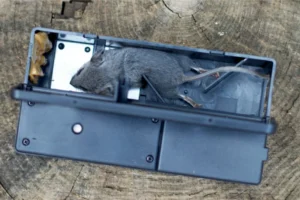
Think of it like flipping a light switch. The moment the rat touches both plates, the shock hits. There’s no delay, no suffering, just instant death.
Most electric traps deliver the shock for 2 to 3 seconds to make absolutely sure the rat is dead. Even though the rat dies almost immediately, the continued shock makes certain there’s no chance of recovery.
What Makes the Shock Lethal?
The key is voltage. Electric rat traps use between 6,000 and 8,000 volts, which is way more than enough to kill a small animal.
For comparison, a standard electrical outlet in your house is only 120 volts. The voltage in an electric trap is 50 to 70 times higher.
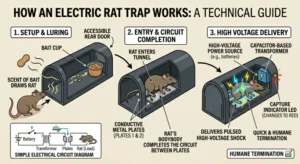
This massive voltage overwhelms the rat’s nervous system. It stops all electrical signals in the brain and stops the heart from beating.
The rat’s muscles might twitch or spasm for a few seconds after death, but this is just residual nerve activity. The rat is already dead and can’t feel anything.
Why Electric Traps Are More Humane Than Other Methods
When you compare electric traps to other rat control methods, they’re clearly one of the best options for humane killing.
vs. Poison
Rat poison takes days to kill. The rat bleeds internally, feels sick, and suffers for a long time before it finally dies.

Some poisons cause seizures or organ failure, which is extremely painful. The rat might hide in your walls and die slowly where you can’t help it.
Electric traps kill in less than a second with no suffering.
vs. Snap Traps
Snap traps can kill instantly if they hit the rat in exactly the right spot. But they often miss and break the rat’s back or leg instead.
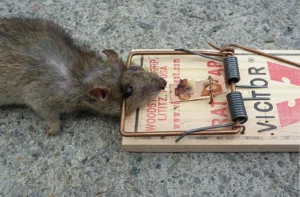
An injured rat will suffer for hours or even days before dying. You might find a rat still alive in the trap, struggling to escape.
Electric traps don’t have this problem. They kill every time if the trap is working properly.
vs. Glue Traps
Glue traps are incredibly cruel. They don’t kill at all. They just stick the rat in place until it dies of dehydration, starvation, or stress.
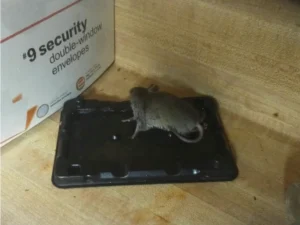
Rats caught in glue traps panic and try to pull themselves free, often ripping their own skin off in the process.
Electric traps are infinitely more humane than glue traps.
Can a Rat Survive an Electric Shock?
In rare cases, a rat might survive if something goes wrong with the trap.
If the batteries are too weak, the shock might not be strong enough to kill. The rat could get stunned but not killed.
If the rat only touches one metal plate instead of both, the circuit won’t complete. The rat won’t get shocked at all.
If the rat is too small or too large for the trap, it might not make proper contact with the plates.
These situations are uncommon with quality traps that are well-maintained. Most of the time, the rat dies instantly.
What Happens to the Rat’s Body After Death?
After the shock kills the rat, its body goes limp and falls to the floor of the trap.
You might see some twitching or muscle spasms for a few seconds. This is completely normal and doesn’t mean the rat is still alive.

The rat’s eyes might stay open. This also doesn’t mean it’s alive. Many animals die with their eyes open.
The body stays in the trap until you remove it. Electric traps are designed to contain the dead rat so you don’t have to touch it directly.
How to Make Sure the Kill Is Instant
To guarantee your electric trap kills instantly every time, you need to maintain it properly.
Use Fresh Batteries
Weak batteries won’t deliver enough voltage to kill quickly. Replace the batteries regularly, even if the trap still seems to work.
When the low-battery indicator comes on, change the batteries immediately. Don’t wait until the trap stops working completely.
Keep the Metal Plates Clean
Dirt, grease, or corrosion on the metal plates can interfere with electrical conductivity. This reduces the shock’s effectiveness.
After each rat, wipe the plates with a damp cloth. Once a month, clean them more thoroughly with a wire brush or steel wool.
Use the Right Size Trap
Make sure your trap is sized correctly for the rats you’re dealing with. A trap that’s too small or too large might not make good contact with the rat’s body.
Most traps are designed for standard Norway rats. If you’re dealing with bigger or smaller rats, you might need a different trap.
Check That the Trap Is Working
Before you set the trap, test it to make sure it’s functioning. Use a metal screwdriver or piece of wire to bridge the two plates.
You should see a spark or hear a buzzing sound. If nothing happens, the trap isn’t working and needs new batteries or repairs.
Do Rats Feel Any Pain?
The whole point of using an electric trap is to avoid causing pain. So do rats feel anything when they’re shocked?
Based on what we know about electricity and the nervous system, the answer is no. The voltage is so high and the death is so fast that the rat’s brain shuts down before pain signals can be processed.

It’s similar to what happens when a person is struck by lightning. The shock is so sudden and powerful that the victim doesn’t have time to feel it.
The rat might experience a brief sensation as the shock starts, but its consciousness ends in a fraction of a second. There’s no prolonged suffering.
What If You Hear the Rat Making Noise?
Sometimes people report hearing squeaks or other sounds coming from an electric trap after it’s been triggered.
These sounds are usually just air being forced out of the rat’s lungs as the muscles contract. It’s not the rat crying out in pain.
Think of it like squeezing a balloon. When the rat’s chest muscles contract from the shock, they push air out through the throat, making a sound.
The rat is already dead when this happens. The noise is disturbing to hear, but it doesn’t mean the rat suffered.
How Long Does the Shock Last?
Most electric traps deliver the shock for 2 to 3 seconds, even though the rat dies almost instantly.

This extended shock time is a safety feature. It makes absolutely certain the rat is dead and won’t wake up after the trap turns off.
Some traps pulse the electricity on and off during these few seconds. Others deliver a continuous shock. Either way, the rat is dead within the first fraction of a second.
Can the Shock Fail to Kill?
Yes, there are situations where the shock might not kill the rat, though they’re rare.
Battery Failure
If the batteries are dead or nearly dead, the voltage might not be high enough. The rat could get shocked but not killed.
This is why it’s so important to check the batteries regularly and replace them when the indicator says to.
Poor Contact
If the rat doesn’t touch both metal plates at the same time, the circuit won’t complete. The rat won’t get shocked at all.
This can happen if the trap is tilted or if debris is blocking the plates.
Trap Malfunction
If the trap’s electronics are damaged, it might not deliver the shock properly. This is rare with quality traps but can happen if the trap gets wet or is dropped.
What to Do If a Rat Survives
If you find a rat alive in your electric trap, something went wrong. The trap either didn’t shock the rat, or the shock wasn’t strong enough to kill.
First, don’t open the trap while it’s still on. The rat could escape or you could get shocked.
Turn the trap off and check the batteries. If they’re weak, replace them and turn the trap back on. The rat should get shocked again and die.
If new batteries don’t help, the trap might be broken. You’ll need to kill the rat another way or take it to a vet to be put down humanely.
How Do Veterinarians Kill Rats?
When vets need to put down rodents, they usually use one of two methods: injection or gas.
Injectable sedatives put the rat to sleep first, then stop the heart. This is completely painless and humane.
Carbon dioxide gas makes the rat drowsy and unconscious before killing it. The rat just falls asleep and doesn’t wake up.
Both of these methods are considered more humane than electric shock, but they require special equipment and training. For home use, electric traps are the most humane option available.
Are Electric Traps Considered Humane by Animal Welfare Groups?
Most animal welfare organizations consider electric traps to be an acceptable method of rat control.
They’re not as ideal as live traps (which don’t kill at all), but they’re much better than poison, glue traps, or poorly designed snap traps.
The key factor is speed. Any method that kills instantly without causing pain is considered humane.
Electric traps meet this standard when they’re working properly and maintained correctly.
What About Catch-and-Release?
If you really don’t want to kill rats at all, you can use live traps instead of electric ones.
Live traps catch rats without hurting them. You then release the rat far from your home so it can’t come back.
The problem with this approach is that it’s often illegal to relocate wild animals. You also might be moving the problem to someone else.
In many cases, killing the rat quickly with an electric trap is more practical and just as humane as trying to relocate it.
Do All Electric Traps Kill at the Same Speed?
Not all electric traps are created equal. Some are better designed than others.
Cheap traps might not deliver enough voltage or might have poorly designed metal plates that don’t make good contact.

High-quality traps from reputable brands are engineered to kill instantly every time. They’ve been tested to make sure they work reliably.
When buying an electric trap, read reviews and stick with known brands. Don’t just buy the cheapest option.
How Can You Tell If the Rat Died Instantly?
When you open the trap to remove a dead rat, you can look for signs that death was instant.
If the rat’s body is relaxed and lying naturally, it probably died without struggle. If the body is twisted or in an unnatural position, the rat might have suffered briefly.
Blood around the nose or mouth is normal and doesn’t necessarily mean the rat suffered. This can happen from the shock itself.
If you consistently find rats that look like they struggled, your trap might not be working properly. Check the batteries and consider replacing the trap.
What Temperature Affects the Trap’s Effectiveness?
Extreme cold can affect battery performance. If you’re using an electric trap in a freezing garage or outdoor shed, the batteries might not deliver full power.
In very cold conditions, the rat might not die as quickly because the shock is weaker.
Try to keep the trap in a place where the temperature stays above freezing. If that’s not possible, check the batteries more often and replace them sooner.
Heat usually isn’t a problem unless it’s extreme enough to damage the electronics.
Conclusion
Electric rat traps kill instantly in the vast majority of cases. The high-voltage shock (6,000 to 8,000 volts) stops the rat’s heart and brain function in a fraction of a second, long before the rat can feel pain.
This makes electric traps one of the most humane methods of killing rats, far better than poison, glue traps, or poorly designed snap traps. The rat doesn’t suffer at all.
To make sure your electric trap kills instantly every time, use fresh batteries, keep the metal plates clean, and choose a quality trap that’s the right size for the rats you’re dealing with. Regular maintenance ensures the trap works properly and kills humanely.

Hi, my name is Ezra Mushala, i have been interested animals all my life. I am the main author and editor here at snakeinformer.com.