
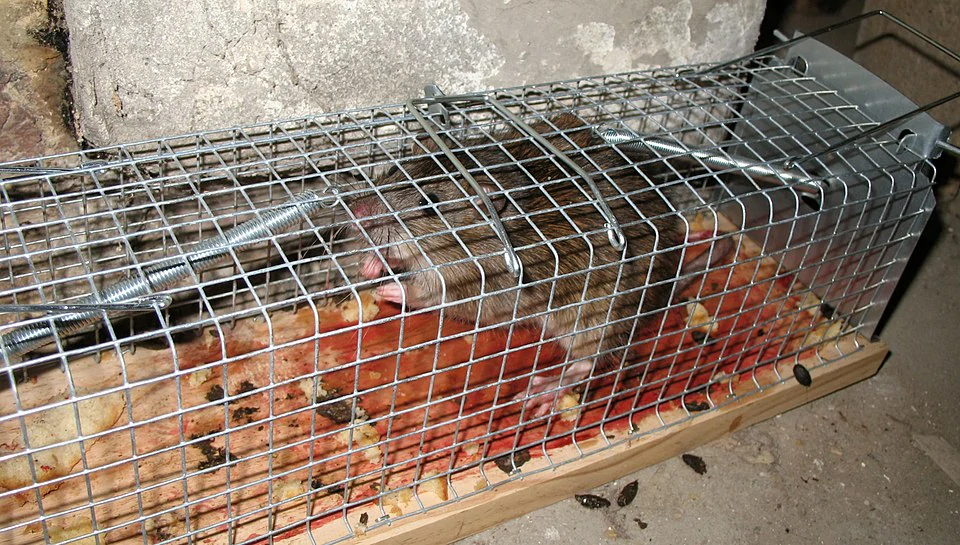
You set a rat trap last night, and this morning you hear squeaking coming from the area where you placed it. Your stomach drops because you know what that sound might mean.
The trap went off, but instead of finding a dead rat, you might be dealing with an injured one that’s still alive.
This is one of the worst-case scenarios when using traps. A rat caught but not killed is suffering, and you’re left with a difficult situation to handle. Can a rat survive a rat trap?
Yes, a rat can survive a rat trap, though it’s not common with properly set snap traps. Rats can survive if the trap doesn’t hit them in a vital area, if the spring is too weak, or if the trap is the wrong size. Glue traps and live-catch traps are designed to catch rats alive, while poorly positioned snap traps can injure without killing.
When a rat survives a snap trap, it’s usually because something went wrong with how the trap was set or positioned. Understanding why this happens can help you avoid this situation and make sure any rats you catch die quickly and humanely.
How Snap Traps Are Supposed to Work
Snap traps are designed to kill rats instantly by delivering a powerful blow to the head or neck. The metal bar is spring-loaded and snaps down with enough force to break bones and cause immediate death.
When everything works correctly, the rat steps on the trigger while trying to get the bait. The bar releases and comes down across the rat’s neck or skull. The impact should cause instant unconsciousness and death within seconds.
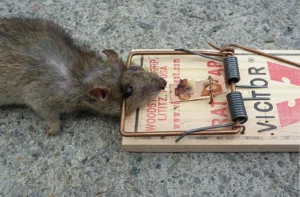
The key word here is “should.” In reality, traps don’t always work perfectly. The rat might approach from an unexpected angle, the trap might be positioned poorly, or the spring might not have enough force.
A properly functioning snap trap that catches a rat in the right spot will kill it almost every time. But there are many ways things can go wrong.
Why Rats Sometimes Survive Snap Traps
The most common reason a rat survives is because the trap doesn’t hit it in a vital area. If the bar comes down on the rat’s back, legs, or tail instead of its head or neck, the rat will be injured but not killed.
Rats can approach traps from different angles. If the trap is positioned with the trigger facing away from the rat’s usual path, the rat might climb over the trap from the back or side. When the trap springs, it catches the rat in the wrong spot.

The size of the trap matters too. Using a mouse trap on a rat is almost guaranteed to fail. The trap might catch the rat, but it won’t have enough force to kill it. Even some rat traps designed for smaller rats might not work on larger, adult rats.
Spring tension is another factor. Old traps or cheaply made traps sometimes have weak springs. When the bar comes down, it doesn’t hit hard enough to cause a fatal injury. The rat gets caught and injured, but survives.
Sometimes the trap only catches part of the rat. A rat that’s partially on the trigger might get its tail or a leg caught, but the rest of its body is outside the trap’s reach. The rat is held in place but not fatally injured.
What Happens to an Injured Rat?
A rat that’s caught in a snap trap but not killed will usually be in shock initially. The sudden pain and fear cause a stress response. The rat might freeze, squeak, or try to struggle free.
If the trap caught the rat by a leg or tail, the rat will try to pull away. Rats are surprisingly strong and flexible. Sometimes they manage to twist free, leaving behind a broken limb or part of their tail.

Rats caught across the body or back might not be able to move much. The weight of the trap and the position of the bar can pin them down. But they’re still conscious and feeling pain.
These situations are horrible for the rat and difficult for you to deal with. The humane thing to do is to end the rat’s suffering quickly, but that’s not something most people are prepared to do.
The Reality of Glue Traps
Glue traps are specifically designed to catch rats alive, not kill them. The rat steps onto the sticky surface and gets stuck. It can’t move, but it’s not injured by the trap itself.
Rats on glue traps can survive for days. They’ll struggle, which often causes injuries as they tear their skin trying to pull free. They can also die from stress, dehydration, or exhaustion.
Many people consider glue traps inhumane because of how much suffering they cause. The rat doesn’t die quickly. It’s conscious and terrified the entire time it’s stuck.
If you find a live rat on a glue trap, you have to decide what to do. Some people try to release the rat by using oil to dissolve the glue. Others choose to kill the rat to end its suffering. Neither option is pleasant.
Live-Catch Traps Keep Rats Alive Intentionally
Live-catch traps are cages that trap rats without harming them. The rat walks in, triggers a door, and gets locked inside. These traps are designed for people who want to remove rats without killing them.
A rat in a live-catch trap can survive indefinitely as long as you check the trap regularly and provide water. The trap itself doesn’t hurt the rat at all.
The challenge with live-catch traps is what you do with the rat afterward. You can’t just release it nearby because it’ll come back. You need to relocate it far away, and even then, you might be moving the problem to someone else’s property.
Some rats die in live-catch traps from stress, especially if the trap isn’t checked for a long time. Rats need water daily, and they can die from dehydration in hot weather.
Signs a Rat Is Still Alive in a Trap
The most obvious sign is sound. A live rat will squeak, scratch, or make other noises. If you hear these sounds coming from a trap, the rat is alive.
Movement is another sign. You might see the trap moving or shaking if the rat is struggling. This is especially obvious with glue traps or live-catch cages.
If you approach a trap and the rat’s eyes are open and moving, it’s alive. Dead rats quickly develop a glazed, fixed stare. Living rats will look around and react to your presence.
Breathing is harder to spot but visible if you look closely. A living rat’s chest will move up and down. You might also see the rat’s whiskers twitching or its nose moving.
What to Do If You Find a Live Rat in a Trap
Finding a live, injured rat in a trap is stressful. You need to act quickly to end the suffering, but you also need to protect yourself.
The most humane option is to kill the rat quickly. This is hard for many people to do, both emotionally and practically. If you’re not comfortable with this, you might need to call someone for help.
One method is to place the entire trap in a heavy-duty plastic bag and then use a quick, heavy blow to the rat’s head through the bag. This is brutal but effective. A brick, hammer, or similar heavy object can be used.

Another option is drowning, which involves submerging the trap in a bucket of water. This method takes several minutes and many people find it too cruel because the rat is conscious and struggling the entire time.
Some people use CO2 to euthanize rats. You can buy CO2 cartridges designed for this purpose. The rat loses consciousness quickly and dies without pain. This is one of the more humane methods if you can get the necessary equipment.
If you absolutely can’t bring yourself to kill the rat, call a pest control professional or animal control. They have the tools and experience to handle the situation.
Preventing Rats from Surviving Traps
The best approach is to prevent this situation in the first place. Using the right traps correctly significantly reduces the chance of catching a rat alive.
Always use traps that are appropriately sized for rats. Mouse traps aren’t strong enough. You need traps specifically designed for rats, with strong springs and large kill bars.
Position traps correctly. The trigger should face the direction the rat is most likely to approach from. This is usually along a wall, with the trigger side toward the wall.
Use fresh, sticky bait that forces the rat to really work at getting it. This ensures the rat spends time on the trigger and is positioned correctly when the trap springs.
Check traps at least once a day. If a trap does catch a rat in a non-fatal way, you want to find it quickly so you can end its suffering rather than letting it linger for days.
Replace old traps with weak springs. Test your traps before setting them to make sure the bar snaps down with force. A trap that barely closes won’t kill effectively.
Electronic Traps as an Alternative
Electronic rat traps are designed to kill instantly with a high-voltage shock. When the rat enters the trap, it steps on metal plates that deliver the shock. Death is nearly instantaneous.
These traps are more reliable than snap traps in terms of ensuring a quick death. There’s no chance of the rat being caught in the wrong position because the trap works on contact, not impact.
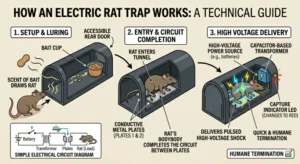
The downside is cost. Electronic traps are significantly more expensive than snap traps. But if you’re concerned about humane killing and want to avoid the possibility of injured rats, they’re worth considering.
Most electronic traps have indicators that tell you when a rat has been caught. This makes checking traps easier and ensures you don’t leave a dead rat sitting in the trap for days.
The Ethics of Different Trap Types
Different traps raise different ethical questions. Snap traps are considered humane when they work correctly because they kill almost instantly. But when they fail, they cause suffering.
Glue traps are widely considered inhumane by animal welfare organizations. The rats suffer for extended periods before dying. Many places have banned or are trying to ban glue traps.
Live-catch traps seem humane because they don’t kill, but relocating rats creates other problems. Rats moved to unfamiliar territory often die anyway from stress, predation, or starvation. You’re just changing how and where the rat dies.
Electronic traps and CO2 chambers are considered among the most humane options because they kill very quickly with minimal suffering.
Poison is controversial. Rats that eat poison die slowly over several days, often in pain. But poison is effective at dealing with large infestations where trapping individual rats isn’t practical.
Legal Considerations for Dealing with Trapped Rats
In some places, there are laws about how you can kill trapped animals. These laws are designed to prevent unnecessary cruelty. Before setting traps, check your local regulations.
Some areas require that trapped animals be killed quickly and humanely. Methods that cause prolonged suffering might be illegal, even for pest species like rats.
Relocating rats is illegal in many places because it spreads pests and diseases to new areas. Even if you catch a rat alive and want to release it, you might not be allowed to.
If you use poison or certain types of traps, you might need to follow specific regulations about where and how they’re placed, especially if you have pets or live near wildlife.
How Professionals Handle Live Rats in Traps
Pest control professionals have methods and tools that average homeowners don’t. They carry equipment designed to quickly euthanize trapped rats in the field.
Many professionals use CO2 chambers. The trapped rat is placed in a sealed container and CO2 gas is introduced. The rat becomes unconscious within seconds and dies shortly after without pain.
Some use cervical dislocation, which is a quick method of breaking the neck. This requires training and skill to do correctly and humanely. It’s not recommended for untrained people.
Professionals also have access to stronger, more reliable traps. Commercial-grade snap traps and electronic traps have higher success rates than consumer products.
If you’re regularly finding live rats in your traps, it might be worth hiring a professional to assess your trapping strategy and recommend better methods.
The Psychological Impact of Finding a Live Rat
Finding a suffering rat in a trap can be emotionally difficult. Many people are caught between feeling sorry for the animal and knowing they need to deal with the pest problem.
It’s okay to feel bad about this situation. Rats might be pests, but they’re still living creatures capable of feeling pain and fear. Having empathy doesn’t mean you’re doing something wrong.
The key is to act decisively to minimize suffering. The worst thing you can do is ignore the situation or delay dealing with it because you’re uncomfortable.
Some people find it helpful to remind themselves why they’re dealing with rats in the first place. Rats carry diseases, damage property, and contaminate food. Controlling them is necessary for health and safety.
When to Stop Using Certain Trap Types
If you repeatedly find live, injured rats in your traps, it’s a sign that your current method isn’t working well. Don’t keep doing the same thing and hoping for different results.
Switch to a different type of trap. If snap traps are failing, try electronic traps. If you can’t handle finding injured rats, stop using traps that don’t kill reliably.
Consider whether you really need to trap at all. Sometimes the better solution is prevention. Seal entry points, remove food sources, and make your home less attractive to rats. This approach avoids the entire problem of dealing with trapped animals.
If your rat problem is severe, professional pest control might be the most humane option. They can deal with the situation quickly and effectively using methods that minimize suffering.
Conclusion
Rats can survive rat traps, though it’s not the norm with properly set snap traps. Survival happens when traps are positioned wrong, sized wrong, or when they have weak springs. Glue traps and live-catch traps are designed to catch rats alive.
Finding a live rat in a trap is a difficult situation. The humane response is to end the rat’s suffering quickly, though this isn’t easy for most people.
The best approach is prevention. Use appropriately sized traps with strong springs, position them correctly, and check them daily. If you find you can’t handle the emotional or practical challenges of trapping, consider hiring professionals or focusing on prevention methods instead.

Hi, my name is Ezra Mushala, i have been interested animals all my life. I am the main author and editor here at snakeinformer.com.