
You’ve built a bucket rat trap and you’re ready to catch some rats. But there’s one critical detail that can make or break your success: the bait.
Use the wrong bait and rats will ignore your trap completely. Use the right bait and you’ll catch rats consistently, sometimes multiple rats in a single night. So what’s the best bait for a bucket rat trap?
Peanut butter is the best bait for bucket rat traps because it has a strong smell that attracts rats from a distance, it’s sticky so rats have to work to get it (which makes them spend more time on the trap), and rats love the high fat and protein content. Other excellent options include bacon, sunflower seeds, hazelnut spread, and dried fruit.
The bait you choose matters more than you might think. Rats are smart, cautious animals with strong food preferences.
If you use bait that doesn’t appeal to them, they’ll just walk right past your carefully built trap. But if you use something they can’t resist, they’ll take the risk.
Why Peanut Butter Works So Well
Peanut butter is the gold standard for rat bait, and there are several reasons why it works better than almost anything else. First, it has an incredibly strong smell.
Rats have an excellent sense of smell, and they can detect peanut butter from quite a distance. This draws them to your trap even if they weren’t actively looking for food.
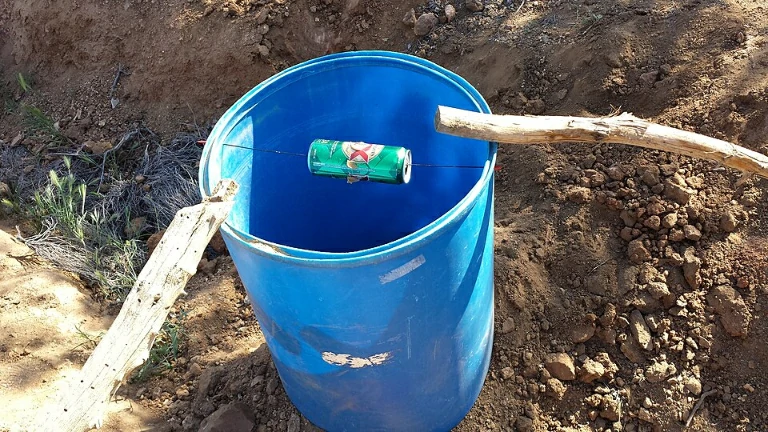
Second, peanut butter is sticky. When you spread it on the spinning can in your bucket trap, the rat can’t just grab it and run.

It has to stay there and lick or nibble at the bait, which means it spends more time on the can. The longer the rat is on the can, the more likely it is to shift its weight in a way that makes the can spin.
Third, rats are naturally attracted to high-fat, high-protein foods. In the wild, these foods give them the most energy for their size.
Peanut butter checks both boxes. It’s calorie-dense and packed with protein and fat, which makes it irresistible to rats.
You don’t need expensive peanut butter either. The cheap stuff works just as well as the fancy organic brands. In fact, some people say the cheap peanut butter with added sugar works even better because rats are also attracted to sweet foods.
How to Apply Peanut Butter to Your Trap
The way you apply the bait matters just as much as what bait you use. If you just put a tiny dab of peanut butter on one spot, it might not be enough to attract rats or keep them on the trap long enough to fall in.
Instead, spread a generous coating all over the outside of the can. Cover as much surface area as possible. The more peanut butter there is, the stronger the smell will be, and the more time the rat will spend trying to lick it all off.
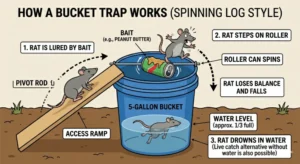
Don’t put the peanut butter on the dowel or the rim of the bucket. You want the rat to step onto the can itself to get the bait.
If the bait is somewhere else, the rat might be able to reach it without ever touching the spinning part of the trap.
Some people worry about using too much bait, thinking it might make the can too heavy to spin. This isn’t usually a problem with peanut butter because it’s spread thin and doesn’t add much weight.
The can should still spin freely even with a good coating of bait.
Bacon: A Close Second to Peanut Butter
Bacon is another excellent bait choice, especially if you’re dealing with rats that have been avoiding peanut butter.
The smell of cooked bacon is incredibly attractive to rats, and like peanut butter, it’s high in fat and protein.
You can use actual bacon strips, but bacon grease works even better for bucket traps. Bacon grease is easier to spread on the can, it won’t fall off, and the smell is just as strong. After you cook bacon, save the grease in a jar and use it for bait whenever you need it.
If you’re using actual bacon strips, you can tie them to the can with string or wire, or you can use small pieces wedged into cracks or holes you’ve made in the can.
Just make sure the rat can’t grab the bacon and pull it off without triggering the trap.
The downside of bacon is that it can attract other animals, especially if you’re using the trap outdoors. Cats, raccoons, opossums, and even birds might investigate a trap baited with bacon. If this is a concern, peanut butter is a safer choice.
Sunflower Seeds: Great for Outdoor Traps
Sunflower seeds are a favorite food of many rat species, especially roof rats and Norway rats. If you have bird feeders in your yard and you’ve noticed rats stealing the seeds, then sunflower seeds are definitely the bait to use.
For a bucket trap, you’ll want to attach the seeds to the can somehow. Some people use peanut butter or bacon grease as a “glue” to stick the seeds to the can.
Others drill small holes in the can and push the seeds partway through so they stick out.
Another option is to sprinkle seeds on the surface of the water in the bucket (if you’re using the drowning method). The seeds float on the water and make it look like solid ground.
When the rat falls from the can, it lands in what it thought was a safe pile of seeds, only to discover it’s actually water. This trick works surprisingly well.
Sunflower seeds have the advantage of being cheap and widely available. A big bag of seeds costs just a few dollars and will last you a long time.
They also store well, so you can keep them on hand for whenever you need to set a trap.
Hazelnut Spread: The Secret Weapon
Hazelnut spread (like Nutella) is less commonly used, but it’s incredibly effective. It has all the advantages of peanut butter (sticky, strong smell, high in fat) with the added bonus of containing chocolate, which many rats find even more attractive than peanut butter alone.
Spread hazelnut spread on the can just like you would peanut butter. Use a generous amount and cover as much of the can as possible. The chocolate smell will carry far, and rats will be drawn to it quickly.

The only downside is cost. Hazelnut spread is more expensive than peanut butter, so if you’re on a tight budget or you’re setting multiple traps, peanut butter is the more economical choice.
But if you’ve tried peanut butter and it’s not working, hazelnut spread is worth trying.
Dried Fruit: Sweet and Effective
Dried fruit is another excellent bait option, especially dried apricots, raisins, or dried cranberries. Rats love sweet foods, and dried fruit is concentrated sugar with a strong smell that attracts rats.
The challenge with dried fruit is attaching it to the can. You can use peanut butter or bacon grease to stick pieces of dried fruit to the can, or you can thread small pieces onto wire and wrap the wire around the can.
Another method is to cut the can open slightly and wedge pieces of dried fruit into the cuts. This keeps the fruit in place and forces the rat to spend time pulling at it, which increases the chance of the can spinning.
Dried fruit works especially well if you know the rats in your area have been getting into your fruit trees or compost pile. If they’re already eating fresh fruit, they’ll recognize dried fruit as a food source and won’t be as suspicious of it.
What About Cheese?
Cheese is the classic rat bait that everyone thinks of, but it’s actually not as effective as most people believe. Rats will eat cheese, but they’re not especially attracted to it compared to other foods.

The myth of rats loving cheese probably comes from old cartoons and stories. In reality, cheese doesn’t have a strong enough smell to attract rats from a distance, and it’s not as high in fat and protein as peanut butter or bacon.
If you only have cheese available, it can work, especially if you use a strong-smelling cheese like aged cheddar or parmesan. But if you have peanut butter, bacon, or any of the other baits mentioned here, those are better choices.
Using Food the Rats Are Already Eating
One of the smartest strategies is to use whatever food the rats in your area are already eating. If you’ve noticed rats getting into your dog food, use dog food as bait.
If they’re raiding your bird feeder, use birdseed. If they’re getting into your pantry and eating crackers, use crackers.
Rats are more likely to approach something they already recognize as food. It doesn’t trigger their natural suspicion of new things the way an unfamiliar bait might.
To attach these foods to your trap, you can use peanut butter or bacon grease as an adhesive. Smear the sticky substance on the can, then press pieces of the rat’s preferred food into it.
This gives you the best of both worlds: the strong smell of peanut butter or bacon, plus the familiar food the rat already knows is safe.
Combining Multiple Baits
Sometimes the best approach is to use more than one type of bait. You can spread peanut butter on the can and then add bacon, seeds, or dried fruit on top of it. This creates multiple layers of attraction.
The peanut butter provides the sticky base and strong smell, the bacon adds a savory meat scent, and the seeds or fruit add visual appeal and extra food value.
This combination can be especially effective if you’re dealing with a large rat population or particularly cautious rats.
Just be careful not to add so much bait that the can becomes too heavy to spin freely. Test the can after you’ve added your bait by gently pushing on it. It should still rotate easily with just a light touch.
How Fresh Does the Bait Need to Be?
Fresh bait works better than old bait, but peanut butter and bacon grease stay effective for several days. If you’ve set a trap and haven’t caught anything after 3-4 days, it’s a good idea to replace the bait with fresh material.
Bacon strips and dried fruit can start to smell bad after a few days, especially in warm weather. Moldy or rotten bait will actually repel rats rather than attract them. Check your traps regularly and refresh the bait as needed.
If you’re using seeds, they can get wet from humidity or rain and start to spoil. Replace them if they look moldy or smell off.
Where to Place the Bait for Maximum Effect
The bait should always be on the spinning part of the trap (the can), not on the stationary parts. If you put bait on the rim of the bucket or the ramp, the rat might be able to reach it without ever stepping onto the can.
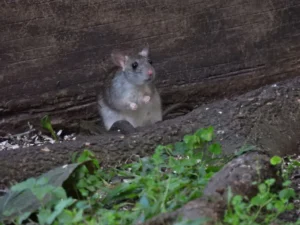
Cover as much of the can as possible with bait. Don’t just put a dab on one side. The goal is to make the rat walk all the way onto the can and move around trying to lick up all the bait. The more the rat moves, the more likely it is to lose its balance.
Some people also put a little bit of bait at the bottom of the ramp to create a scent trail leading up to the trap. This helps guide rats toward the trap and builds their confidence as they follow the smell.
What If Rats Are Ignoring Your Bait?
If you’ve tried multiple baits and rats still aren’t taking them, the problem might not be the bait itself. Here are some other things to check.
First, make sure your trap is in the right location. Rats might not find the trap if it’s not along their regular travel routes. Look for signs of rat activity (droppings, gnaw marks, greasy smudges) and place your trap there.
Second, check if the trap is stable. If the bucket wobbles or the ramp is unstable, rats won’t feel safe using it. Make sure everything is secure and won’t fall over.
Third, consider that the rats might be getting all the food they need from other sources. If there’s abundant food available elsewhere, they won’t be as motivated to investigate your trap.
Try removing other food sources (securing trash cans, bringing pet food indoors at night, cleaning up fallen fruit) to make your bait more attractive.
Finally, rats are naturally cautious of new objects. If you’ve just set up the trap, give it a few days. Rats might avoid it at first but gradually become comfortable with its presence.
Safety Considerations When Using Bait
If you have pets or children, be careful about what bait you use and where you place your trap. Peanut butter and bacon won’t harm dogs or cats if they eat a little bit, but you don’t want your pets knocking over the trap or getting stuck in it.
Place the trap in areas where pets and children can’t easily access it. Garages, sheds, and fenced-off outdoor areas work well.
If you must place a trap in an area where pets might encounter it, consider building a protective box around the trap that only rats can enter.
Never use poison as bait in a bucket trap. Poison baits are designed to kill rats slowly over several days, and you don’t want poisoned rats dying in random places around your property. Stick to food baits that attract rats to the trap without introducing toxins into your environment.
Conclusion
The best bait for a bucket rat trap is peanut butter, hands down. It’s sticky, has a strong smell, and rats find it irresistible. Bacon and bacon grease are close seconds, and sunflower seeds, hazelnut spread, and dried fruit are all excellent alternatives.
The key to success is using generous amounts of bait, applying it directly to the spinning can, and choosing something that appeals to the specific rats in your area. If you know what the rats are already eating, use that as bait for even better results.
Don’t be afraid to experiment with different baits or combinations of baits until you find what works best.
Every rat population is a little different, and what works perfectly in one location might not work as well in another. With the right bait and proper trap placement, you’ll start catching rats consistently.

Hi, my name is Ezra Mushala, i have been interested animals all my life. I am the main author and editor here at snakeinformer.com.