
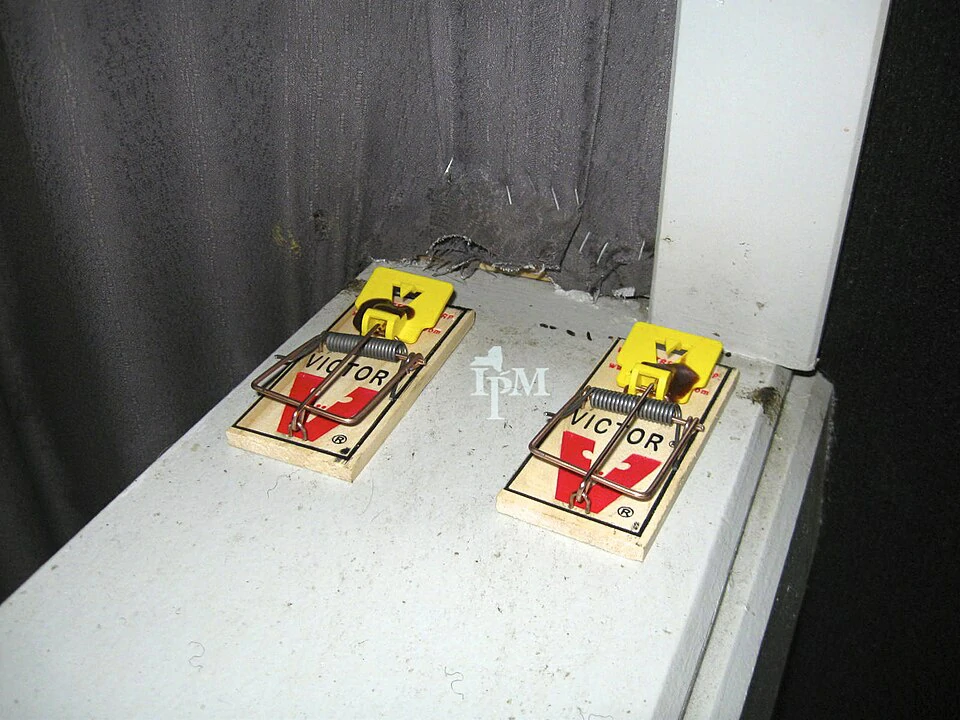
When you think about catching rats or mice, cheese is probably the first bait that comes to mind. Cartoons have been showing mice stealing cheese for decades, and it’s become the go-to image of what rodents love to eat.
But when you’re actually setting a rat trap and trying to catch a real rat, does cheese work as well as the cartoons suggest?
You’ve got the trap ready, and you’re standing in front of your fridge wondering what to use. You see the cheese and think it might be worth a try. Can I put cheese in a rat trap?
Yes, you can put cheese in a rat trap, and it will sometimes work. But cheese isn’t the best bait choice for rats. It doesn’t have a strong enough smell, it’s easy for rats to steal without triggering the trap, and many rats actually prefer high-protein foods like peanut butter, bacon, or nuts instead.
Cheese can catch rats, but you’ll have better results with other baits. The problem is that cheese doesn’t stick to the trap well, so rats can often grab it and run. It also doesn’t smell as strong as other foods, which means rats might not even notice it from a distance.
Why Cheese Became the Stereotypical Rat Bait
The idea that rats and mice love cheese more than anything else comes from old stories and cartoons, not from reality.
In medieval times, cheese was often stored in cellars and pantries where rats and mice lived. People saw rodents eating their cheese and assumed it was their favorite food.
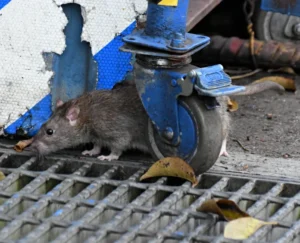
In truth, rats ate the cheese because it was available and accessible, not because they preferred it over other foods. Cheese was often left uncovered or stored in ways that made it easy for rats to reach.
Cartoons and children’s books reinforced this idea. Tom and Jerry, countless Disney cartoons, and classic fairy tales all show mice going crazy for cheese. After seeing this image repeated thousands of times, it became accepted as fact even though it’s not really true.
Rats are opportunistic eaters. They’ll eat almost anything, including cheese. But when given a choice, they usually go for foods that are higher in protein and fat, with stronger smells that help them locate the food.
The Problem with Using Cheese as Bait
The biggest issue with cheese is that it’s not sticky. When you put a piece of cheese on a rat trap, the rat can often grab it with its teeth or paws and pull it off without applying enough pressure to trigger the trap.
Rats are smart and careful. They can sense when something is dangerous, and they’ll approach a trap cautiously. If they can get the bait without fully stepping on the trigger plate, they will. Cheese makes this easy for them.

Another problem is the smell. Cheese does have a smell, especially stronger cheeses like cheddar or parmesan. But it’s not as intense as other foods rats love.
The smell doesn’t travel as far through the air, which means rats might not even know the trap is there until they’re right on top of it.
If you’re using mild cheese like mozzarella or American cheese, the smell is even weaker. Rats might walk right past your trap without noticing it because the scent isn’t strong enough to grab their attention.
What Types of Cheese Work Better Than Others?
If you’re set on using cheese, some types work better than others. Strong-smelling cheeses are your best bet because rats can detect them from farther away.
Aged cheddar has a sharper smell than mild cheddar. The aging process creates compounds that give the cheese a stronger odor. Rats are more likely to notice aged cheddar and be attracted to it.
Blue cheese is another option. It has a very pungent smell that carries through the air. Some people swear by blue cheese for rat traps, saying it works better than any other type of cheese.

Parmesan cheese, especially fresh grated parmesan, has a strong smell and a crumbly texture. The texture is actually helpful because you can press it into the trap mechanism, making it harder for the rat to steal without triggering the trap.
Soft cheeses like brie or camembert won’t work well. They’re too easy to grab and pull off the trap. Hard cheeses are better, but even then, they’re not as effective as other baits.
How Cheese Compares to Peanut Butter
Peanut butter is widely considered the best bait for rat traps, and for good reason. It’s sticky, so rats can’t just grab it and run. They have to work at it, which means more time on the trigger plate and a higher chance of setting off the trap.
The smell of peanut butter is also much stronger than cheese. It has oils and proteins that create a scent rats can detect from several feet away. This draws them to the trap even if they weren’t actively looking for food.
Peanut butter is high in fat and calories, which is exactly what rats need. They’re always searching for calorie-dense foods because they burn energy quickly. Peanut butter gives them more bang for their buck compared to cheese.
When you put peanut butter on a trap, you can smear it right onto the trigger mechanism. This forces the rat to really dig at it to get any off. With cheese, the rat can sometimes knock a piece loose without fully engaging the trigger.
Other Baits That Beat Cheese
Besides peanut butter, there are lots of other baits that work better than cheese. Bacon is excellent because the smell of cooked bacon fat is incredibly strong. You don’t need much, just a small piece secured to the trap.
Dried fruits like raisins, dates, or dried cranberries work really well. Rats love sweet foods, and dried fruit has concentrated sugars. The chewy texture also makes it harder to steal quickly.
Nuts are another great option. Almonds, walnuts, and peanuts all have strong smells and high fat content. If you crush them slightly or use nut butter, they’re even more effective.
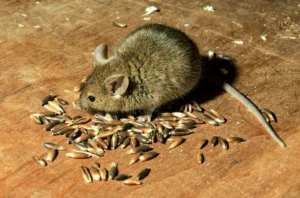
Some people use wet cat food or canned tuna. These have very intense smells that rats can’t resist. Just a small spoonful on the trap is enough to attract rats from across a room.
Chocolate is occasionally used too. Rats are attracted to the sugar and fat in chocolate. However, chocolate can melt in warm areas, which makes it messy and less effective.
When Cheese Might Actually Work
There are situations where cheese could be a decent choice, even if it’s not the best. If you don’t have anything else available and you need to set a trap right away, cheese is better than nothing.
If you’ve been using other baits and the rats aren’t taking them, switching to cheese might work. Sometimes rats get wary of certain smells or foods. Offering something different can trick them into approaching the trap.
Cheese can also work well when combined with other baits. For example, you could put a small piece of cheese on the trap and then add a dab of peanut butter on top. The peanut butter provides the stick and the smell, while the cheese adds extra attraction.
Some rats might actually prefer cheese, especially if they’ve been eating it regularly in your home. If you’ve got cheese stored somewhere and you’ve found gnaw marks on it, that tells you the rats are already interested in it. Using the same type of cheese as bait makes sense in that case.
How to Use Cheese on a Trap Correctly
If you do decide to use cheese, there are ways to make it more effective. First, use small pieces. A chunk the size of a pea is enough. If you use too much, the rat might be able to bite off pieces without fully engaging the trigger.
Press the cheese firmly onto the trap. Many traps have a little cup or hook where the bait goes. Push the cheese into this spot so it’s secure. This makes it harder for the rat to just grab it and run.
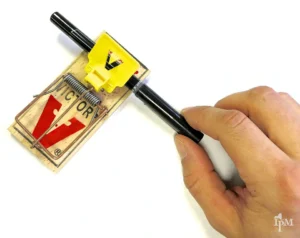
Try grating the cheese instead of using a solid piece. Grated cheese can be pressed into small spaces on the trap mechanism. This forces the rat to really work at getting it, which increases the chance of triggering the trap.
You can also melt cheese slightly and let it harden on the trap. Warm up a small piece of cheese until it’s soft, spread it on the trap, and let it cool. This creates a sticky layer that’s harder to remove than a solid chunk.
Why Rats Don’t Actually Love Cheese That Much
The truth is that rats don’t have a special preference for cheese. Studies on rat behavior and diet show that when given choices, rats go for high-protein, high-fat foods that don’t necessarily include cheese.
In the wild, rats eat seeds, grains, insects, fruits, and whatever else they can find. They’re omnivores, which means they eat both plant and animal matter. Cheese isn’t a natural part of their diet at all.
Pet rats, when offered different foods, will usually choose things like meat, eggs, nuts, and certain fruits before they choose cheese. This tells us that the cartoon stereotype just doesn’t match reality.
That said, rats will eat cheese if it’s available. They’re not going to turn it down. But they don’t seek it out the way they seek out other foods with stronger smells and higher nutritional value.
The Importance of Fresh Bait
No matter what bait you use, including cheese, it needs to be fresh. Old, dried-out bait won’t attract rats nearly as well as fresh bait.
Cheese can dry out quickly, especially in warm or dry environments. When it dries out, it loses smell and becomes even easier for rats to pick off the trap. If you’re using cheese, check your traps daily and replace the bait if it looks crusty or hard.
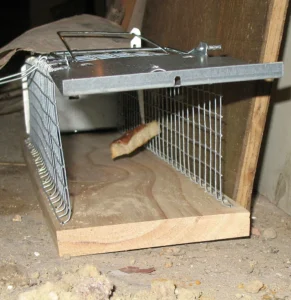
Freshness matters even more with other baits. Peanut butter can lose its smell over time. Bacon fat can go rancid. Dried fruit can become too hard. Whatever you’re using, keeping it fresh makes a big difference in how well it works.
Some people set traps and then forget about them for weeks. By the time they check, the bait is completely dried out and ineffective. Even if a rat came by, it probably wasn’t interested in old, stale food.
Combining Cheese with Better Baits
One strategy is to use cheese as a base and add something better on top. The cheese provides bulk and fills up the bait cup, while the better bait provides the smell and stick.
For example, put a small piece of cheese in the trap, then spread peanut butter over it. The peanut butter will be the main attraction, but the cheese adds extra scent and makes the bait look bigger and more appealing.
You could also press a piece of cheese onto the trap and then drizzle a little bacon grease over it. The bacon smell will travel through the air and attract rats, while the cheese gives them something solid to grab at.
This combination approach can work well if you’ve got limited quantities of the better baits. You can stretch a small amount of peanut butter or bacon by mixing it with cheese.
What Professional Pest Control Uses
Professional pest control companies rarely use cheese. When they set traps, they use commercial baits that are specifically designed to attract rats. These baits have strong attractants mixed in and are formulated to stay fresh longer.
Some professionals use peanut butter because it’s cheap and effective. Others use commercial blocks that combine proteins, fats, and scent attractants. These blocks are designed to be irresistible to rats.
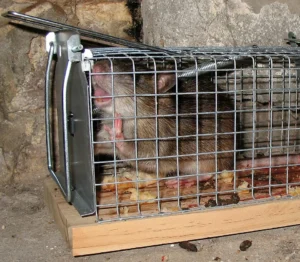
If cheese was really the best bait, professionals would use it. The fact that they don’t tells you something about how effective it actually is compared to other options.
When you call an exterminator, they might ask what you’ve been using as bait. If you say cheese, they’ll probably suggest switching to something better. They’ve got years of experience and data showing what works best.
Testing Different Baits in Your Situation
Every situation is a little different. The rats in your house might have different preferences than rats somewhere else. This is why it can be worth testing different baits to see what works best.
Set up multiple traps with different baits. Put cheese on one, peanut butter on another, and bacon on a third. Check them after 24 hours and see which one caught a rat first or which bait was taken.
This testing approach helps you figure out what the rats in your specific location prefer. Once you know what works, you can use that bait on all your traps.
Keep notes on what you try. Write down what bait you used, where you placed the trap, and what happened. Over time, you’ll develop a sense of what works best in your home.
Storage and Handling of Cheese Bait
If you’re going to use cheese, you need to handle and store it properly. Cheese can grow mold, especially in damp areas. Moldy cheese might actually repel rats instead of attracting them.
Keep your bait cheese refrigerated until you’re ready to use it. Take out only what you need for the traps you’re setting. Don’t leave cheese sitting out for hours before putting it on traps.
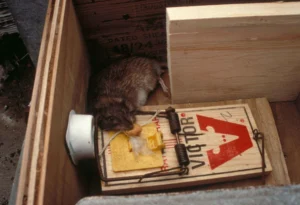
Cut the cheese into small pieces ahead of time and store them in a sealed container. This makes it quick and easy to bait traps without having to handle a big block of cheese every time.
Wash your hands after handling cheese and setting traps. This prevents you from transferring scents onto other surfaces or accidentally touching your face with cheese-covered fingers.
Conclusion
You can put cheese in a rat trap, and sometimes it’ll work. But cheese isn’t your best option. It doesn’t smell strong enough to attract rats from a distance, and it’s too easy for them to steal without triggering the trap.
If you want better results, use peanut butter, bacon, dried fruit, or nuts. These baits are stickier, smellier, and more appealing to rats. They’ll increase your chances of actually catching the rat instead of just feeding it for free.
Cheese might work in a pinch or when combined with better baits. But if you’re serious about catching rats quickly and effectively, skip the cheese and use something that rats actually prefer.

Hi, my name is Ezra Mushala, i have been interested animals all my life. I am the main author and editor here at snakeinformer.com.