
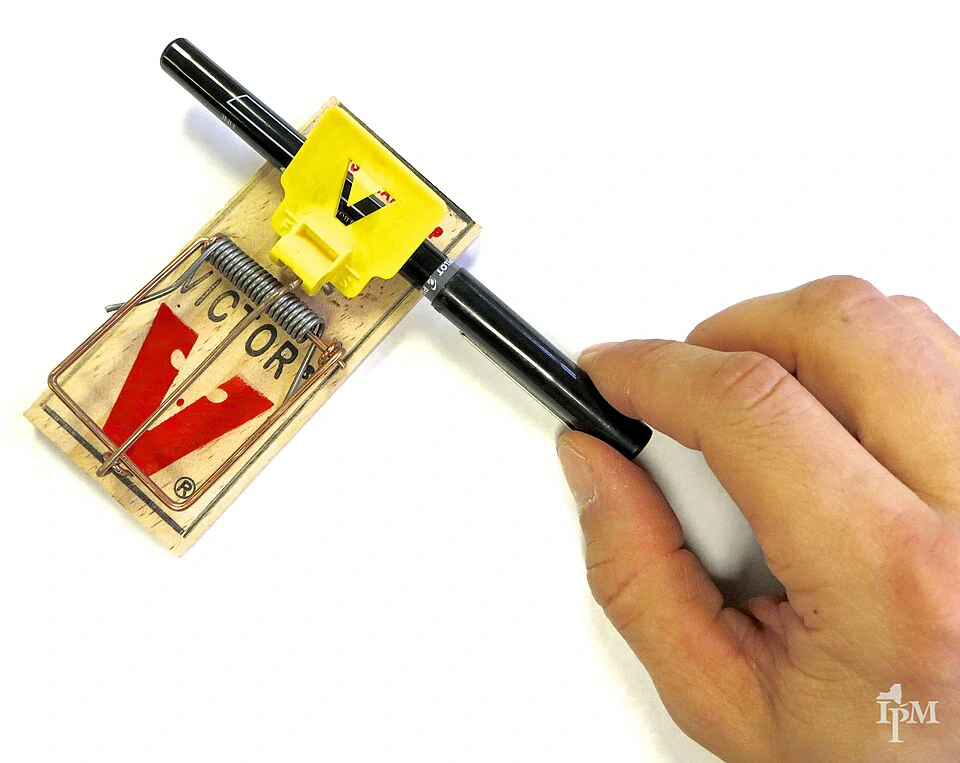
You’ve set up snap traps in what seem like the perfect locations, you’ve used good bait, and you’re checking them regularly, but you’re still finding no rats in the traps.
Meanwhile, you can hear rats in your walls at night, and fresh droppings keep appearing in your kitchen. This is one of the most frustrating situations when dealing with a rat problem. Why are your rat snap traps not working?
Rat snap traps usually don’t work because of poor placement (not along walls where rats travel), wrong bait choices, competition from other food sources in your home, trap-shy rats that learned to avoid traps, or using mouse traps instead of actual rat traps with strong enough springs.
When snap traps aren’t catching rats, you need to figure out what’s going wrong and fix it. Otherwise, you’re just wasting time while the rat population grows.
The Placement Problem
The number one reason snap traps fail is because they’re not positioned where rats actually travel.
Rats don’t wander randomly through your home. They establish specific routes called runways that they use over and over.
These runways are almost always along walls, not out in the middle of rooms. Rats feel safer when they have a wall on one side because they’re less exposed to predators.
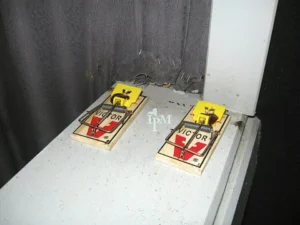
If you placed your trap in the middle of a room or even just 12 inches away from a wall, rats will simply run past it without ever coming close enough to trigger it.
They’re following their established path along the wall, and your trap isn’t on that path.
The trap needs to be right against the wall, perpendicular to it. The long edge of the trap base should touch the wall, and the trigger end (where the bait is) should face the wall. This forces a rat traveling along the wall to walk over the trap to continue its journey.
Look for signs of where rats are actually active. Fresh droppings, grease marks on baseboards (dark oily smudges), gnaw marks on food packages, and scratching sounds all tell you where to focus your trapping efforts.
Don’t just randomly place traps in rooms where you think rats might be. Put them exactly where you have evidence of rat activity.
You’re Using the Wrong Size Trap
Many people buy mouse traps by mistake and then wonder why they can’t catch rats.
Mouse traps and rat traps look similar, but rat traps are roughly twice the size. A rat trap is typically 6-8 inches long, while a mouse trap is only 3-4 inches long. The spring on a rat trap is much stronger too.
If you try to use a mouse trap on a rat, one of two things happens.
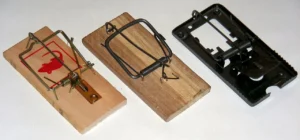
Either the rat ignores the trap completely because it’s too small and doesn’t seem like a barrier on the rat’s path, or the rat takes the bait and the trap snaps but doesn’t have enough power to kill or hold the rat.
The rat escapes with the bait, and now it’s learned that traps are something to avoid.
Check your traps carefully. The packaging should clearly say “rat trap” or “for rats.” If it says “mouse trap” or just shows pictures of mice, it’s too small. Rat traps should require real effort to set.
If you can easily compress the spring with one finger, it’s probably a mouse trap.
This mistake is especially common when people buy the cheapest traps available without checking what they’re actually for. Spend an extra few dollars to get proper rat-sized traps.
Rats Have Other Food Sources
Even the best trap placement won’t work if rats have access to plenty of other food in your home.
Think about it from the rat’s perspective. Why would it risk a small amount of peanut butter on a strange object when there’s an open bag of dog food in the garage, crumbs under the toaster, or easily accessible garbage in the kitchen?
Rats aren’t desperate when they have multiple food options. They’re cautious and picky.
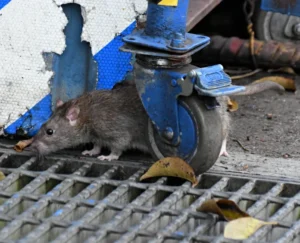
Clean up all accessible food immediately. Store pantry items in thick plastic or metal containers that rats can’t chew through. Don’t leave pet food out overnight. Clean up crumbs and spills right away. Take out garbage daily and use bins with tight-fitting lids.
Check for hidden food sources too. Bird seed in the garage, compost bins too close to your home, fruit fallen from trees in your yard, and even grease buildup under your stove can all feed rats.
When you remove competing food sources, your trap bait becomes much more attractive. A hungry rat is less cautious than a well-fed rat. If the only food available is on your trap, the rat will eventually take the risk.
The Bait Isn’t Appealing Enough
Not all bait works equally well, and using the wrong bait can mean the difference between success and failure.
Peanut butter is the most commonly recommended bait because rats love it and it’s sticky enough that they have to work to get it off the trigger plate.
But if you’re using old, stale peanut butter from a jar that’s been open for months, it won’t smell as strong and rats might not be interested.
Try different baits to see what works. Some rats prefer sweet things like chocolate, hazelnut spread, or dried fruit.
Others respond better to savory options like bacon, beef jerky, or sunflower seeds. Different rat populations in different areas can have different preferences based on what they’re used to eating.
Use fresh bait and replace it every 2-3 days if it isn’t working. Rats have an incredible sense of smell, and they’re attracted to fresh food much more than old food.
The amount of bait matters too. Use just a small amount (about the size of a pea or smaller). If you glob on too much bait, rats can lick it off without putting enough pressure on the trigger plate to set off the trap.
The bait should be secured to the plate so the rat has to tug or press to get it.
Some people have success mixing a tiny bit of vanilla extract or anise oil into their bait. These strong scents can attract curious rats from farther away.
Your Traps Are Too Obvious or Smell Wrong
Rats are smart and cautious, especially if they’ve survived in urban or suburban environments for a while.
New traps sometimes smell like plastic, chemicals, or manufacturing oils. These unfamiliar scents can make rats suspicious.
Some people recommend washing new traps with unscented soap and water, then letting them air out for a day before using them.
Even better, some trappers rub dirt on new traps to mask the newness. This makes the trap smell more like the environment where it’s placed.
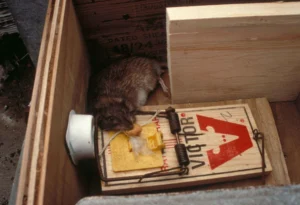
Don’t handle traps with bare hands if you can avoid it. Your human scent can make rats wary. Wear disposable gloves when setting traps to minimize how much of your scent gets on them.
If you’ve been setting traps in the same spots repeatedly without success, the rats might have learned that those specific locations are dangerous.
Try moving your traps 2-3 feet along the same wall to a slightly different spot. The rats are still traveling the same route, but the trap seems like a new object rather than the same dangerous thing they’ve been avoiding.
You Have Trap-Shy Rats
Sometimes rats learn to avoid traps after seeing or experiencing close calls.
If a rat triggered a trap but escaped (the trap missed, or caught just the tail or leg), that rat will be extremely cautious around traps from now on. It experienced pain and fear at that location, and it remembers.
Rats can also learn by watching other rats. If a young rat sees another rat get caught in a trap, it will avoid similar traps even though it wasn’t personally hurt.
To catch trap-shy rats, you need to use different tactics. One method is to leave traps in place but don’t set them for several days.
Put bait on the traps and let rats take free food from them. After 3-4 days of free meals, the rats will let their guard down. Then you set the traps and catch the now-comfortable rats.
Another approach is to use completely different trap types. If snap traps aren’t working, try electronic traps or live traps. These look and function differently enough that trap-shy rats might not recognize them as dangerous.
The Traps Aren’t Being Triggered Properly
Sometimes traps are positioned fine and rats are approaching them, but the mechanism isn’t working correctly.
If you’re using cheap or worn-out traps, the trigger mechanism might be too stiff or not sensitive enough. The rat can take the bait without applying enough pressure to release the spring.
Test your traps before setting them with bait. Press lightly on the trigger plate with a pencil or stick. It should release with just a small amount of pressure. If you have to press hard to trigger it, rats might be able to steal bait without setting it off.
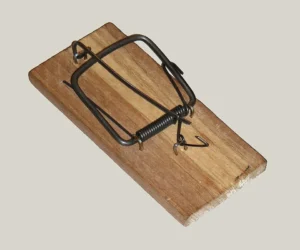
On the other hand, if a trap is too sensitive, it might be going off from vibrations, air currents, or other non-rat causes. You’ll find sprung traps with no rat and no missing bait, which wastes your time.
The bait placement affects triggering too. If you pile bait on top of the trigger plate, rats can eat from the top without pressing down. Instead, smear peanut butter directly on the plate surface, or tie solid foods (like nuts) to the plate with thread so rats have to pull on it.
You’re Not Using Enough Traps
If you only set one or two traps, you’re not giving yourself good odds of catching rats.
Professional pest control operators typically use multiple traps in every room where they see rat activity. They might place 3-5 traps along a single wall, spaced 3-6 feet apart.
Multiple traps work better for several reasons. First, they increase your chances of catching something simply by numbers. If you have five traps and each has a 20% chance of working on any given night, you’re much more likely to catch a rat than with just one trap.
Second, rats might avoid one trap but walk right into another. If a rat jumps over your first trap (either by luck or because it’s suspicious), the second trap catches it. If it goes around the second trap, the third one gets it.
Third, if you have multiple rats (which is common), you need multiple traps. Each trap can only catch one rat at a time. If you have three rats using the same runway, you need at least three traps to have any hope of catching all of them quickly.
Don’t be cheap about buying traps. Good rat traps cost $3-8 each. Buying 6-8 traps might seem like a lot, but it’s still less than a single visit from a professional pest control service.
Rats Are Using Different Routes
You might be trapping in the wrong locations entirely because rats are using routes you haven’t identified.
Rats in walls often have multiple entry and exit points. They might be coming into your kitchen through a gap behind the stove, but exiting through a hole under the sink. If you only trap near the stove, you’re missing half the problem.

Look throughout your entire home for evidence of rats. Check basements, attics, garages, and crawl spaces. Look behind appliances and under cabinets. Check for holes or gaps in walls where pipes or wires enter.
Flour or talcum powder can help you identify travel routes. Sprinkle a light layer in areas where you suspect rat activity. Check the next morning for footprints and tracks. This shows you exactly where rats are walking, so you know where to place traps.
Remember that rats can climb. They don’t just travel on floors. They’ll run along rafters in attics, climb up inside walls, and travel along pipes. If your floor-level traps aren’t working, consider whether rats are moving through your home at different heights.
Your Home Has Entry Points That Need Sealing
If new rats keep coming into your home, you’ll never catch up by trapping alone.
Rats can squeeze through holes as small as a quarter (about 1 inch diameter) for young rats, and half-dollar sized (about 1.5 inches) for adults.
Check your home’s exterior for gaps around pipes, vents, utility lines, and foundations.
Check where different materials meet. The junction between your foundation and siding, gaps around windows and doors, and spaces under garage doors are all common entry points.
Seal holes with materials rats can’t chew through. Steel wool stuffed into gaps (secured with caulk), metal sheeting, or cement all work well. Don’t use foam insulation, plastic, or wood alone because rats can chew through these easily.
Even while you’re trapping, seal up entry points. This prevents new rats from entering while you’re trying to catch the ones already inside. Otherwise, you’re in a never-ending cycle of trapping.
The Traps Are Being Triggered but Not Catching
If you keep finding sprung traps with no rat and no bait, something specific is going wrong.
The trap might be positioned at the wrong angle. It should be perpendicular to the wall, not parallel. If it’s parallel, rats can walk beside it and trigger it from the side without actually being in the kill zone.
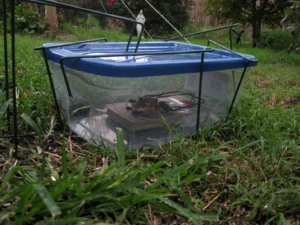
The rat might be approaching from an unexpected direction. Most traps are designed for rats to approach from the trigger end. If a rat comes from behind the trap and reaches over the kill bar to get the bait, the bar might snap down on nothing but air.
Try different positioning. Some people have success placing traps in corners where two walls meet. The corner naturally funnels rats toward the trap from a predictable direction.
Use trap boxes or guides. Some trappers build simple guides from cardboard or wood that force rats to approach from only one direction. A cardboard box with holes cut in both ends, with the trap inside, can work well.
You Need to Give It More Time
Sometimes traps aren’t working simply because you haven’t been patient enough.
Rats are naturally cautious about new objects in their environment. When you first place a trap, rats might avoid it for several days simply because it’s new and unfamiliar. This is called neophobia (fear of new things).
Leave traps in place for at least a week before deciding they’re not working. Don’t move them around constantly. Rats need time to get used to seeing the trap in that location.
Keep traps baited with fresh food and check them daily, but don’t rearrange everything every 24 hours because you’re impatient. Consistent placement over time is more effective than constantly changing your setup.
Some rats are caught within a few hours of setting traps. Others might take 5-7 days to let their guard down. Patience is actually one of your most important tools.
Conclusion
Rat snap traps usually don’t work because of placement problems (not along walls where rats actually travel), using mouse traps instead of rat traps, too much competing food in your home, unappealing or old bait, trap-shy rats that learned to avoid traps, or not using enough traps to cover the problem adequately.
To fix non-working traps, place them perpendicular to walls exactly where you see rat activity signs, use multiple traps (6-8 traps is not too many), remove all other food sources, use fresh appealing bait in small amounts, check traps twice daily, and give rats time to get used to the traps before expecting results.
If you’ve corrected all these issues and still aren’t catching rats after 2-3 weeks, consider switching to electronic traps, live traps, or calling professional pest control.
Sometimes the problem is more complex than snap traps can handle, especially with large infestations or particularly smart, experienced rats.

Hi, my name is Ezra Mushala, i have been interested animals all my life. I am the main author and editor here at snakeinformer.com.