
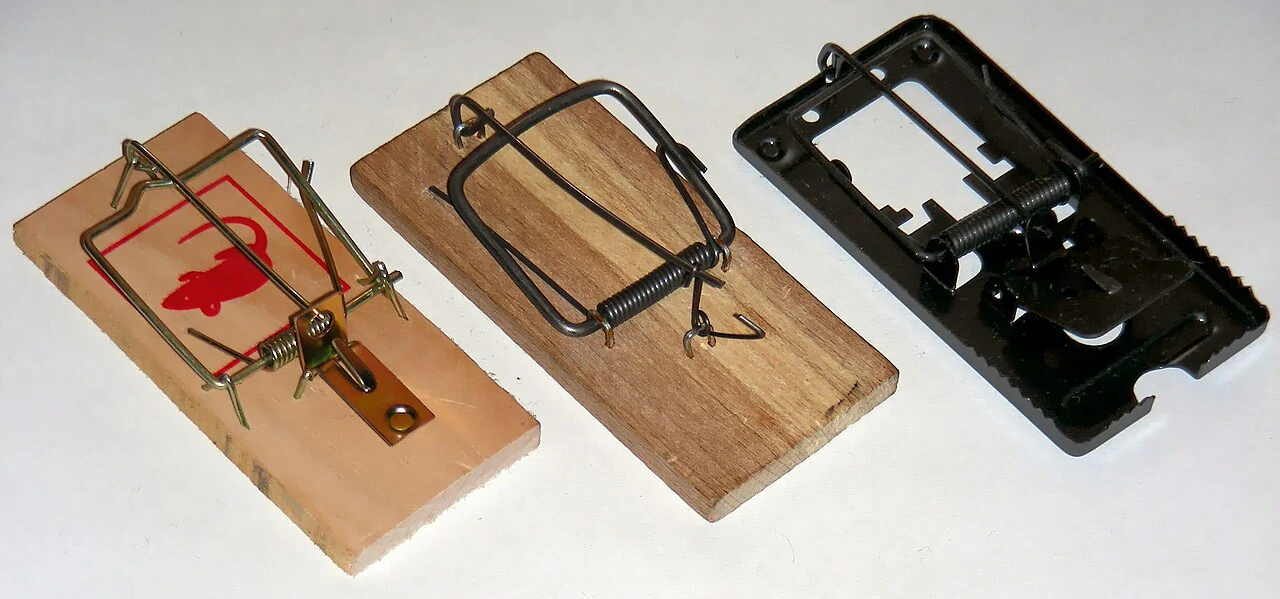
If you’ve had rat traps sitting in your garage or shed for a while, you might be wondering if they’re still good to use. Maybe you bought them months or even years ago and never got around to setting them up.
Or perhaps you’re looking at an old trap and asking yourself if it’s safe and effective anymore. Do rat traps expire?
Most rat traps don’t technically expire, but their effectiveness can decrease over time depending on the type. Snap traps can last for years if stored properly, while glue traps and bait stations have shorter shelf lives because their sticky surfaces dry out and baits lose potency.
The lifespan of a rat trap really depends on what kind you’re dealing with. Some traps are built to last indefinitely, while others lose their effectiveness after sitting around for too long.
How Long Different Rat Traps Last
Not all rat traps are created equal when it comes to how long they stay effective. The type of trap you have makes a huge difference.
Snap traps are the most durable option out there. These are the classic spring-loaded traps that have been around forever.
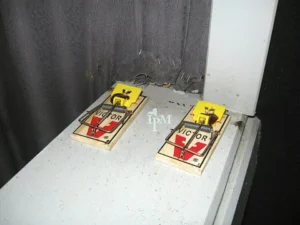
If you store them in a dry place away from moisture and extreme temperatures, they can last for decades. The metal springs might rust if they get wet, but otherwise, they’re pretty much indestructible.
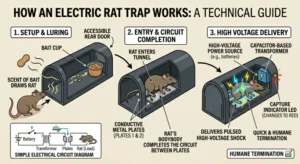
Electronic traps are a bit different. They can last for many years, but the batteries inside them will eventually die or corrode if you don’t use them. The electronic components can also wear out over time, especially if the trap gets exposed to moisture or extreme heat.
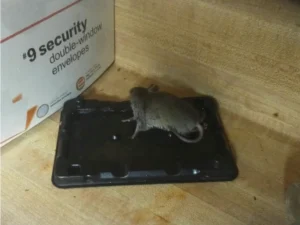
Glue traps have the shortest shelf life of any rat trap. The sticky adhesive on these traps starts to dry out and lose its stickiness after about a year, sometimes sooner if they’re stored in a hot or humid place. Once the glue isn’t sticky anymore, the trap is basically useless.
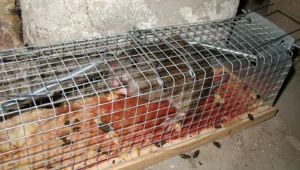
Live catch traps (the cage-style traps) can last for years just like snap traps. They’re usually made from metal or heavy-duty plastic, so they won’t break down unless they rust or crack from being left outside in bad weather.
What Makes Rat Traps Lose Their Effectiveness?
Even if a trap doesn’t have an actual expiration date stamped on it, certain things can make it stop working the way it should.
Moisture is one of the biggest problems. If snap traps or live catch traps get wet and stay wet, the metal parts will start to rust.
Rusty springs don’t snap as fast or as hard, which means they might not kill the rat or might let it escape. Electronic traps are even worse with moisture because water can damage the circuits and make them stop working completely.
Heat and humidity are terrible for glue traps. If you store them in a hot garage or shed during the summer, the adhesive will dry out much faster than it would in a cool, dry place.
Some glue traps come in sealed packages to protect them, but once you open the package, the countdown starts.
Dust and debris can also mess up your traps. If a snap trap sits in a dusty area for months, dirt can get into the trigger mechanism and make it less sensitive.
Glue traps will pick up dust and lose their stickiness even faster than they already do.
UV light from the sun can break down plastic and rubber parts on traps. If you leave traps sitting in direct sunlight, the plastic can become brittle and crack. This is especially true for electronic traps and some live catch traps that have plastic components.
Do Glue Traps Go Bad Faster Than Other Traps?
Yes, glue traps go bad much faster than any other type of rat trap. This is just the nature of how they work.
The adhesive on glue traps is designed to stay sticky for a certain amount of time. Most manufacturers say their glue traps will stay effective for about 12 months if they’re stored properly in a cool, dry place.
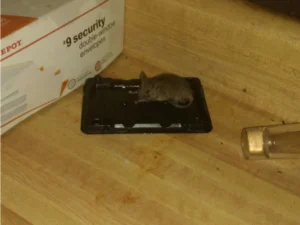
But in reality, many glue traps start losing their stickiness after just 6 months, especially if the storage conditions aren’t perfect.
Heat speeds up the breakdown of the adhesive. If you store glue traps in a garage that gets really hot in the summer, they might only last a few months before the glue starts to dry out and harden.
Humidity can also affect glue traps, but in a different way. Instead of drying out, the adhesive can become less effective because moisture in the air interferes with how well it sticks to things.
The trap might still look sticky, but it won’t hold onto a rat as well as it should.
Once you open the package, glue traps start to degrade even faster. The protective packaging keeps air, moisture, and dust away from the adhesive. When you break that seal, you’re starting the clock on how long the trap will actually work.
Can You Still Use Old Snap Traps?
In most cases, yes. Old snap traps can still work perfectly fine if they’ve been stored correctly.
Before you use an old snap trap, you should check a few things. First, look at the spring to see if there’s any rust on it.
A little bit of surface rust probably won’t stop the trap from working, but heavy rust that’s eaten into the metal means the spring might be weak or might break when you set it.
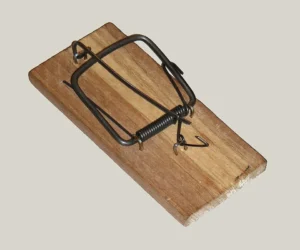
Test the trigger mechanism by setting the trap (carefully) and then triggering it with a stick or pencil.
The trap should snap shut quickly and with a lot of force. If it feels slow or weak, the spring has probably lost some of its tension over the years.
Check the wood or plastic base of the trap too. Wood can rot if it’s been stored in a damp place, and plastic can crack if it’s been in extreme heat or cold.
A cracked base means the trap won’t sit flat on the ground, which makes it less effective.
If everything looks good and the trap snaps with plenty of force, it’s probably fine to use. You might want to clean it first if it’s been sitting around collecting dust. Just wipe it down with a damp cloth and let it dry completely before you set it up.
How Should You Store Rat Traps to Make Them Last?
Proper storage can add years to the life of your rat traps, especially if you’re not planning to use them right away.
Keep your traps in a cool, dry place. A basement or closet inside your house is better than a garage or shed that gets hot in summer and cold in winter. Temperature swings and humidity will break down materials faster.
Store glue traps in their original sealed packaging until you’re ready to use them. Don’t open the package just to check them out. Every time you expose the adhesive to air, you’re shortening how long it will stay sticky.
For snap traps and electronic traps, keep them in a plastic storage container or sealed bag. This keeps dust, moisture, and pests away from them. You don’t want spiders building webs in your rat traps or mice chewing on the bait stations.
If you have electronic traps, take the batteries out before you store them. Batteries can corrode over time, especially if they’re old or cheap.
The corrosion can damage the battery compartment and ruin the whole trap. Store the batteries separately in a cool, dry place.
Don’t stack heavy things on top of your traps. Snap traps can get bent out of shape, and plastic traps can crack if something heavy is sitting on them for months.
What About Bait Stations and Poison Baits?
Bait stations themselves can last for years, but the poison baits inside them definitely have an expiration date.
Most rat poisons will have an expiration date printed somewhere on the package. This is usually 1 to 3 years from when it was manufactured. After that date, the poison starts to break down and become less effective at killing rats.

Even if the poison hasn’t reached its expiration date, it can still go bad if it’s stored wrong. Moisture is the biggest enemy of rat poison.
If the bait gets wet or damp, it can start to mold or break down. Rats won’t eat moldy bait, so your trap becomes useless.
Heat can also affect poison baits. Some types of bait will dry out and become hard as a rock if they’re stored in a hot place. Rats might ignore dried-out bait because it doesn’t smell fresh anymore.
The bait stations themselves (the plastic boxes that hold the poison) can last for many years.
They’re usually made from thick, durable plastic that can handle being left outside. Just make sure the hinges and locking mechanisms still work properly before you use an old station.
Do Electronic Rat Traps Have a Shelf Life?
Electronic rat traps can last for several years, but they do have more parts that can fail compared to simple snap traps.
The batteries are usually the first thing to go. If you leave batteries in an electronic trap for a long time without using it, they’ll eventually corrode and leak.
This can damage the battery compartment so badly that you can’t use the trap anymore. Always remove batteries if you’re storing the trap for more than a month or two.
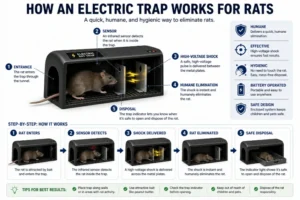
The electronic components inside the trap can also wear out over time. Circuit boards can corrode, wires can break, and sensors can stop working. This is more likely to happen if the trap has been used a lot or if it’s been exposed to moisture.
Most electronic traps have some kind of indicator light or sound that tells you when they’re working.
Before you use an old electronic trap, put fresh batteries in it and make sure all the lights and sounds are working the way they should. If something seems off, the trap might not deliver a strong enough shock to kill a rat.
The metal plates that deliver the shock can also corrode over time, especially if the trap has been used to kill rats before and wasn’t cleaned properly.
Blood and body fluids can corrode metal pretty quickly. Clean the plates with a damp cloth and make sure they’re shiny and free of corrosion.
Signs Your Rat Trap Has Gone Bad
There are some pretty clear signs that a rat trap isn’t going to work anymore, no matter what type it is.
For snap traps, a rusty or weak spring is the biggest red flag. If you set the trap and it doesn’t snap shut with a lot of force, it’s not going to kill a rat. You might catch it, but the rat could escape or just be injured instead of killed instantly.
Glue traps are easy to test. Touch the sticky surface lightly with your finger (not your whole hand). If it doesn’t feel very sticky or if dust and debris are stuck all over it, the trap is done. A good glue trap should feel extremely tacky to the touch.
For electronic traps, if the indicator lights don’t come on when you put fresh batteries in, something is wrong with the electronics. Don’t try to use a trap that isn’t showing any signs of power.
Live catch traps should have a door that closes quickly and stays shut when triggered. If the door is bent, rusted, or doesn’t latch properly, rats will be able to escape.
Any trap with visible cracks, breaks, or severe rust should be thrown away and replaced. A broken trap is worse than no trap at all because it might injure a rat without killing it, which is inhumane.
Can You Refresh or Restore Old Rat Traps?
Sometimes you can bring an old trap back to life with a little bit of work.
For snap traps with light rust, you can try cleaning the spring with steel wool or a wire brush. This will remove surface rust and might make the spring work better. Just be careful not to scratch up the metal too much or you could weaken it.
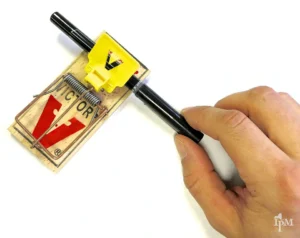
You can oil the spring very lightly with machine oil or WD-40 to help it move more smoothly. Don’t use too much oil or it will drip onto the bait and make the trap smell weird. Rats have excellent noses and they’ll avoid anything that smells like chemicals.
Electronic traps can sometimes be fixed by cleaning the battery compartment with a cotton swab dipped in white vinegar. This removes battery corrosion. Let it dry completely before you put new batteries in.
For glue traps, there’s really no way to restore them once the adhesive has dried out. You just have to buy new ones. Some people try to add their own sticky substances to old glue traps, but this doesn’t work well and can actually make the trap less effective.
Live catch traps with sticky doors or latches can be cleaned and oiled to make them work smoothly again. Just make sure you don’t use too much oil or it will smell and scare rats away.
Should You Replace Rat Traps Even If They Still Work?
Even if your old rat traps seem to be working fine, there are some good reasons to replace them every few years.
Newer trap designs are often more effective than older ones. Manufacturers are always improving their products based on what works best. A trap from 10 years ago might not catch rats as well as a modern version of the same type of trap.
Old traps might have lingering smells from previous catches. Even if you clean a snap trap after it kills a rat, there might still be traces of blood or body fluids in the cracks and crevices. Rats can smell this and they’ll avoid the trap.
Safety is another consideration. Old traps with worn-out parts are more likely to malfunction. A snap trap with a weak spring might not kill a rat cleanly, which is inhumane. An electronic trap with corroded parts might give an inconsistent shock that hurts the rat without killing it.
If you’ve been using the same traps for years without success, it might be time to try something new. Rats can actually learn to avoid certain types of traps, especially if they’ve seen other rats get caught in them.
Conclusion
Most rat traps don’t have a hard expiration date, but that doesn’t mean they’ll work forever. Snap traps and live catch traps can last for many years if you store them properly in a cool, dry place.
Electronic traps will last as long as their components hold up, but you need to remove the batteries if you’re not using them.
Glue traps have the shortest lifespan and will only stay sticky for about a year under the best conditions. Poison baits also expire after 1 to 3 years, and they’ll go bad even faster if they get wet or too hot.
Before you use any old rat trap, check it carefully to make sure it’s still in good condition. Test snap traps to see if the spring is strong, check glue traps to see if they’re still sticky, and make sure electronic traps power on properly.
If a trap shows signs of rust, cracks, or damage, it’s better to buy a new one than to risk having it fail when you need it most.

Hi, my name is Ezra Mushala, i have been interested animals all my life. I am the main author and editor here at snakeinformer.com.