

Rats are one of the most common pests people deal with, and they’re a lot tougher to get rid of than most folks expect. They breed fast, hide well, and can squeeze through gaps you wouldn’t think possible.
So if you’ve spotted droppings, chew marks, or heard scratching in your walls, you’re probably wondering: how long does it actually take to get rid of rats for good?
It usually takes anywhere from 1 to 3 months to completely get rid of rats, depending on how bad the problem is. A small, early infestation can clear up in a few weeks. A larger one, especially inside walls or attics, can take two months or longer.
There’s no single answer that fits every situation. How fast you get rid of rats depends on things like the size of the infestation, where they’re nesting, and how consistent you are with traps, bait, and sealing up entry points.
Some people manage to clear a small problem in under two weeks. Others deal with rats coming back again and again for months, mostly because the root cause never actually got fixed.
That’s really the heart of this whole guide. It’s not just about killing or trapping the rats you can see right now. It’s about understanding why they came in, how many are actually there, and what it takes to make sure they don’t just come right back.
Why There’s No Exact Timeline for Getting Rid of Rats
Every rat problem is different, so no one can give you an exact number of days. It really depends on your specific situation.
A single rat that snuck in through an open garage door is a much smaller job than a full colony that’s been breeding in your attic for months.
Rats reach sexual maturity in just 6 weeks, and a female can have a new litter every 3 weeks.
So if you’re dealing with an older infestation, you’re not just dealing with a few rats. You’re dealing with several generations.

That’s why the timeline can stretch from a couple weeks to a few months. It all comes down to catching the problem early or dealing with it after it’s already grown.
Think about it this way. If you catch just one or two rats early on, you’re basically stopping the problem before it starts.
But if a female rat has already had a litter or two inside your home, you could be dealing with 15 or 20 rats without ever having seen more than one or two at a time.
This is part of why rat problems often seem to “come out of nowhere.”
You might go weeks without noticing anything, then suddenly start seeing droppings, hearing noises, and finding chewed up food packaging all at once.
By that point, the population has already grown quite a bit.
Factors That Affect How Fast You Get Rid of Rats
A few key things decide how long your rat problem will take to fully clear up. Let’s go through them one by one.
Size of the Infestation
This is the biggest factor. If you’ve only got one or two rats, you might be rat free within a week or two using traps alone.
But if you’ve got a full nest with breeding females, it can take much longer. You’re not just removing rats, you’re breaking a growing population down to zero.

It also helps to think about this in terms of trapping math. If you catch two or three rats a week but the colony is producing new babies just as fast, you could end up trapping for months without actually making progress.
This is why figuring out roughly how many rats you’re dealing with matters so much. If you’re only seeing droppings in one small area, you’re probably dealing with a small group.
But if you’re finding droppings, gnaw marks, and hearing noises in multiple rooms or levels of your home, you’re likely dealing with a much bigger colony than you think.
Where the Rats Are Nesting
Rats that are nesting inside your walls, attic, or crawl space are harder to reach than rats that are just passing through your yard or garage.
If they’ve built a nest somewhere hard to access, you may need to open up walls or work with a pest control company that has tools to reach those spots.
Attics and crawl spaces are especially common nesting spots because they’re quiet, dark, and rarely disturbed by people.
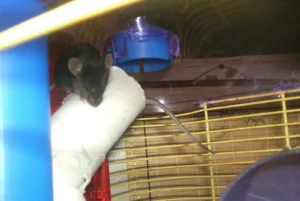
Rats can build a nest out of shredded insulation, cardboard, or fabric, and once it’s established, they’ll keep coming back to it even if you remove a few of them.
Wall voids are even trickier. You often can’t see what’s happening inside them, so you’re relying on sound, smell, and traps placed near likely entry points rather than being able to actually watch the nest itself.
How Consistent You Are With Treatment
Rats are smart, and they learn to avoid traps that didn’t work the first time. If you’re not consistent with checking and resetting traps, or refreshing bait, the process drags out much longer.
Sticking to a steady routine, checking traps daily and sealing up new gaps as you find them, speeds things up a lot.
It also matters where you place your traps. Rats tend to stick close to walls rather than crossing open floor space, since it keeps them safer from predators.
So traps placed along walls, near baseboards, or right where you’ve spotted droppings usually work better than traps placed randomly in the middle of a room.
Moving your traps every so often can help too. Rats are naturally cautious of new objects at first, but once a trap has been in the same spot a while without catching anything, they tend to just walk around it.
Whether You’ve Sealed Entry Points
You can trap every rat you see, but if you haven’t sealed up how they’re getting in, new ones will just keep showing up. This is one of the most overlooked reasons rat problems take so long to fix.
Rats can squeeze through a gap as small as a quarter inch, which is about the size of a coin. So even tiny cracks around pipes, vents, or the foundation need to be sealed.
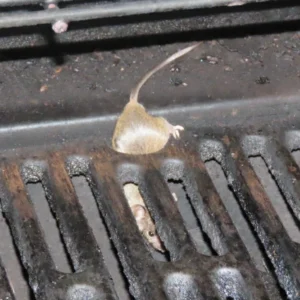
A lot of people are surprised by just how small a gap needs to be for a rat to get through. Their bodies are flexible, and their skulls are actually the limiting factor rather than the rest of their body. If their head fits, the rest of them usually can too.
Common entry points include gaps around where pipes or wires enter the home, spaces under doors, vents without proper covers, and cracks in the foundation.
Checking these areas thoroughly, ideally with a flashlight at dusk when gaps are easier to spot, can save you weeks of ongoing trouble.
Estimated Timeline to Get Rid of Rats
Here’s a general breakdown of how long it can take to get rid of rats, based on the size of the problem.
| Infestation Size | Estimated Timeline | Method Needed |
|---|---|---|
| 1-2 rats, just arrived | 1-2 weeks | Traps and sealing entry points |
| Small nest (3-6 rats) | 2-4 weeks | Traps, bait stations, sealing gaps |
| Established colony in attic/walls | 1-2 months | Professional pest control, multiple treatments |
| Severe, long-term infestation | 2-3+ months | Ongoing professional treatment, exclusion work, monitoring |
Keep in mind this table is just a general guide. Your actual timeline can be shorter or longer depending on your home, the season, and how quickly you catch the problem.
Signs You Still Have Rats (Even After Treatment)
It’s easy to think you’re done just because you haven’t seen a rat in a few days. But rats are shy and mostly come out at night, so you might still have some left even if you don’t see them.
Here are a few signs that tell you the problem isn’t fully solved yet.
Fresh Droppings
Old droppings look dry and crumbly, while fresh ones are darker and softer. If you’re still finding new droppings, that means there’s still activity.
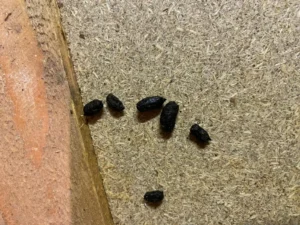
One trick pest control pros use is clearing away all the droppings you can find, then checking the same spot again a day or two later. If new droppings show up, you know for sure there’s still a rat coming through that area.
New Gnaw Marks
Rats need to chew constantly to keep their front teeth from growing too long. If you spot new chew marks on wood, wires, or food packaging, there are still rats around.
Gnaw marks on wiring are especially worth taking seriously, since damaged wires can actually create a fire risk in your home. If you notice chewed wires, it’s worth having an electrician take a look even after the rats are gone.
Scratching Sounds at Night
Since rats are mostly active after dark, hearing scratching or scurrying in your walls or ceiling at night is a strong sign they’re still there.

If the sounds seem to be coming from one specific area, that’s usually a good clue about where the nest is located, which can help you decide where to focus your traps.
A Lingering Smell
Rats leave behind a strong, musky smell, especially in areas where they’re nesting. If that smell is still around, or getting stronger, you likely still have a problem.
This smell comes from their urine, which they use to mark trails as they move around your home. A strong, consistent smell in one particular spot often points to a nest nearby.
How to Speed Up the Process of Getting Rid of Rats
If you want to shorten the timeline as much as possible, there are a few things you can do right away.
Seal Every Entry Point You Can Find
This is the single most important step. Even if you get rid of every rat currently inside, new ones will keep coming in through the same gaps.
Walk around your home and check for gaps around pipes, vents, the foundation, and where utility lines enter the house. Steel wool and caulk work well for small gaps, and steel mesh works for larger ones.

Avoid using plain caulk or foam by itself for anything larger than a pencil sized hole, since rats can chew right through it. Mixing in steel wool or metal mesh with the caulk gives it something they can’t easily gnaw away.
It’s worth doing a full check both inside and outside your home. Sometimes the entry point is obvious from outside, like a gap under the garage door, but other times it’s something you’d only notice from inside, like a small tear around a pipe under a sink.
Remove Food and Water Sources
Rats stick around where there’s easy access to food and water. Keep food in sealed containers, clean up crumbs quickly, and fix any leaky pipes or dripping faucets.
Even pet food left out overnight can be enough to keep rats coming back.
Garbage cans are another common food source, so make sure lids fit tightly and don’t have any cracks a rat could squeeze through. Compost bins can attract rats too if they’re not properly sealed or if food scraps are left sitting on top.

Outside your home, bird feeders are a surprisingly common cause of rat problems, since spilled seed on the ground gives them an easy, steady food source right near your house.
Use Both Traps and Bait Stations
Traps work well for rats that are already inside, while bait stations can help control rats that keep trying to get in from outside. Using both together usually works faster than relying on just one method.
Snap traps are generally more effective than glue traps, and they kill the rat quickly rather than leaving it to suffer.
Call a Professional for Larger Infestations
If you’re dealing with a big infestation, especially one inside your walls or attic, it’s usually faster and safer to bring in a pest control company. They have access to tools and treatments that aren’t available to the average homeowner.
Professionals can also help you find entry points you might have missed, which prevents the problem from coming right back.
Why DIY Methods Sometimes Take Longer
Doing it yourself can absolutely work, especially for smaller infestations, but it often takes longer than professional treatment. This is usually for a couple of reasons.
First, store bought traps and bait aren’t always as strong or effective as what professionals use. Second, without training, it’s easy to miss entry points or nesting areas that keep the problem going.
Still, for small, early stage infestations, DIY methods can work just fine if you’re consistent and thorough.
Does the Season Affect How Long It Takes?
Yes, the time of year can affect your timeline. Rats tend to move indoors more during colder months when they’re looking for warmth and shelter.

This means infestations that start in fall or winter can sometimes be trickier to fully clear, since rats are more motivated to stay inside your home rather than leave.
In warmer months, rats are more likely to be spread across a wider area outside, which can actually make total removal from your house a bit quicker.
What Happens If You Don’t Get Rid of Rats Completely
If even a few rats are left behind, the population can bounce back fast. Remember, a female rat can have a litter every 3 weeks, with each litter holding anywhere from 6 to 12 babies.
That means a problem you thought was solved can turn into a full blown infestation again within just a couple months if you’re not thorough.
This is why sealing entry points and continuing to monitor for signs of activity even after you think you’re done is so important.
How to Know When You’re Actually Rat Free
It can be hard to know for sure when the problem is fully gone. Here are a few signs that things are actually under control.
- No new droppings for at least 2 weeks
- No scratching or noises at night
- Traps and bait stations are no longer being triggered
- No new gnaw marks anywhere in your home
- The musky smell has faded

If you’re seeing all of these signs, it’s a good indication that you’ve successfully gotten rid of the rats. Still, it’s smart to keep a few traps out just in case, especially near common entry points.
Preventing Rats From Coming Back
Once you’ve finally cleared out a rat problem, the last thing you want is for it to start all over again. A few simple habits can help keep your home rat free going forward.
Keep your yard tidy by trimming back bushes and trees that touch your house, since rats often use these as a bridge to get onto your roof. Store firewood away from your home’s exterior too, since it makes a great hiding spot.
Regularly check the outside of your home for new gaps or cracks, especially after storms or any construction work. And always keep food, including pet food, stored properly and cleaned up.
Conclusion
Getting rid of rats completely usually takes somewhere between a few weeks and a few months, depending on how big the infestation is and how consistent you are with treatment.
Small, early problems can often be solved in just a couple weeks with traps and sealing off entry points. Larger, established infestations, especially ones inside walls or attics, can take a couple months and often need professional help.
The most important part of the whole process isn’t just removing the rats you can see. It’s sealing up how they got in and removing what attracted them in the first place.
If you stay consistent, seal every gap you can find, and keep an eye out for signs they might still be around, you’ll get to a truly rat free home. And with the right prevention habits in place, you can keep it that way for good.

Hi, my name is Ezra Mushala, i have been interested animals all my life. I am the main author and editor here at snakeinformer.com.