
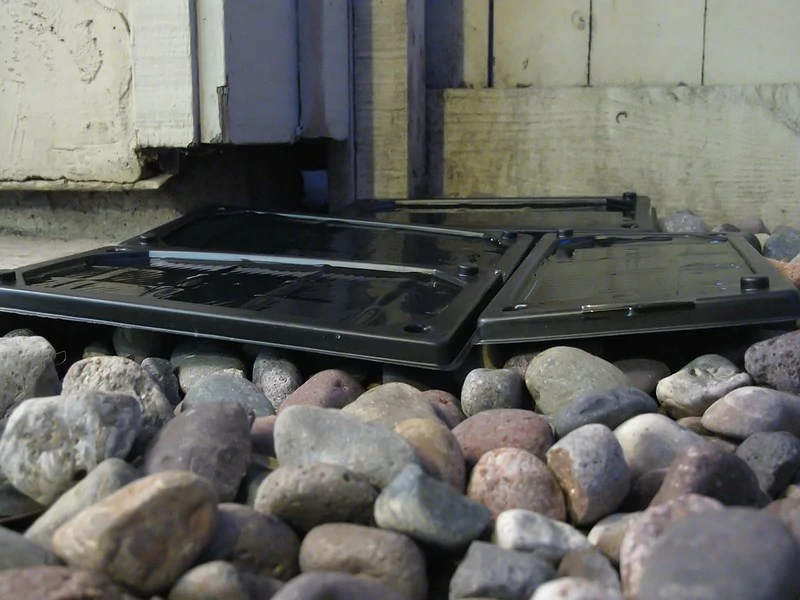
Tomcat is a name you’ll see on everything from mouse traps to bait boxes, so it’s easy to wonder what’s actually in the glue boards sitting in your cart. If you have kids or pets at home, you probably want a clear answer: are Tomcat glue traps poisonous?
No, Tomcat glue traps aren’t poisonous. The glue boards have no poison or pesticide in them, and the maker calls them non-toxic. However, Tomcat also sells poison bait stations, and those are very dangerous, so don’t mix the two up.
The glue on a Tomcat board is just a sticky adhesive that grabs whatever touches it. It doesn’t release anything into the air or onto your counters.
Still, “not poisonous” doesn’t mean “harmless,” and a few things are worth knowing before you set one down. That includes how to tell a glue board from a poison product in seconds.
Tomcat Glue Traps Aren’t Poisonous
Tomcat glue boards are sold as non-toxic and free of pesticides. That means there’s no rat poison, no insecticide, and no bait that has to be swallowed.
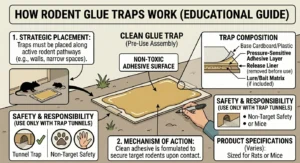
The board works by sticking, not by poisoning. A mouse (or a bug) touches the glue, gets stuck, and can’t pull free.
So if you or your child touches the glue, nothing toxic gets into your body. You’ll just have a sticky mess to clean up.
The same goes for pets. A dog or cat that steps on a board won’t be poisoned by the glue, but it can still get stuck and hurt itself while trying to get loose.
That’s the key idea to hold on to: the danger from a glue board comes from the grip, not from poison.
What’s Actually on a Tomcat Glue Trap?
A Tomcat glue board is a flat tray, usually cardboard or plastic, covered with a thick layer of adhesive (a sticky glue that stays tacky). The brand says the glue is specially made for a strong grip, and the boards come in mouse and rat sizes.
Many boards are also scented, which is how they lure mice in without any bait. The brand even calls some of its boards hypoallergenic (meaning they’re made to be less likely to cause allergic reactions).
One Tomcat version lists eugenol on the package. Eugenol is a natural compound that gives clove oil its smell, and the brand names it as part of the formula for extra stickiness.
The maker’s older safety sheet also lists the glue board as non-hazardous for shipping. That’s a good sign that it isn’t treated as a dangerous chemical.
Still, a label can’t make a sticky board safe to eat. Treat it like any glue and keep it away from mouths.
Tomcat Also Makes Poison Products, and That’s Where the Confusion Starts
Here’s what trips a lot of people up. The Tomcat name shows up on poison products too, not just glue boards.
Tomcat sells mouse bait stations (small plastic boxes holding poison blocks) with names like Mouse Killer. Their label lists the active ingredient as bromethalin, which the label itself calls a nerve poison.
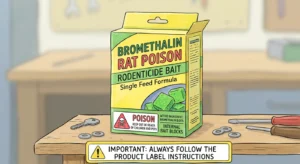
Bromethalin isn’t the same kind of poison as the older blood-thinning rat poisons. It works on the nervous system, and it can be very dangerous to a dog or cat that swallows it.
So when someone says “Tomcat is poisonous,” they may be thinking of the bait stations. That’s a fair worry for those products, but it doesn’t apply to the glue boards.
The bait blocks and glue boards come from the same brand, but they are completely different products with completely different risks.
How to Tell a Tomcat Glue Trap From a Tomcat Bait Station
You can tell them apart in a second if you know what to look for. A glue board is a flat, open tray with a sticky surface, and it usually has a thin paper cover over the glue.
A bait station is a closed plastic box with a small opening and a lid. Inside it sits a block of poison bait, and the package says things like “Mouse Killer” and lists bromethalin as the active ingredient.
Check the front of the package, too. The glue board box says glue boards, non-toxic, and free of pesticides, while the bait station box has a warning about poison.
If you’re ever unsure, read the label before you put anything down. A quick look takes ten seconds and can prevent a trip to the emergency room.
Don’t keep the two types mixed up in the same drawer. A mislabeled box is an easy mistake to make when you’re in a hurry.
Why Do Tomcat Glue Traps Kill Mice if They’re Not Poisonous?
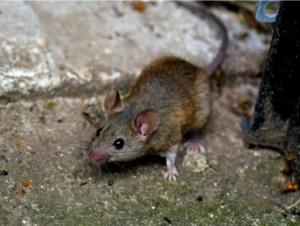
They don’t poison mice, and that’s what makes them different from bait. A mouse caught on a board dies from stress, dehydration, or sometimes suffocation if its nose and mouth get stuck in the glue.
That can take hours or even days. A lot of people find this hard to accept, and it’s the main reason some shoppers choose other traps.
Some places also limit or ban glue traps for this reason, so it’s worth checking your local rules. Some stores have stopped selling them too.
If you decide to use them, check the board often so a trapped mouse doesn’t suffer longer than it has to. A quick check each morning is a good habit.
You can also look at snap traps or live traps, which we’ll cover below. Many pest pros say these are just as easy to use and less drawn out.
Is It Safe to Touch a Tomcat Glue Trap With Bare Hands?
The glue itself is safe to touch, since it isn’t poison. Your skin won’t absorb anything harmful from it.
The mouse is a different story, though. Mice can carry germs, so pest experts say not to touch a mouse with bare hands and to wash your hands well after handling any trap.
Wear disposable gloves when you set out a board, and especially when you pick one up. It’s also smart to avoid touching your face until you’ve washed up.
If you do get glue on your fingers, don’t panic. It feels annoying, but it won’t hurt you.
Keep in mind that the board can stick to your hand and then to your clothes or couch. Go slowly, and lay out a bit of newspaper if you’re working on a nice surface.
What to Do if Tomcat Glue Gets on Your Skin or Hair
Reach for cooking oil first. Vegetable oil, olive oil, baby oil, or mineral oil will all loosen the glue, and you’ll feel it let go as you rub.
Pour a little oil on the glue, work it in with your fingers, and give it a few minutes to soak. Then peel the board away slowly, so you don’t yank your skin or hair.
When the glue is off, wash with soap and warm water to remove the oil. For hair, a shampoo works well after the oil.
Plain water by itself won’t do much, so don’t waste time scrubbing with just water.
One warning: the maker’s old safety sheet suggests mineral spirits for skin. But that’s a paint-thinner type product that can irritate skin, and it isn’t the same as gentle mineral oil, so cooking or baby oil is the kinder choice.
What if a Child Touches or Swallows Part of a Tomcat Glue Trap?
If a child touches the glue, it’s mostly a cleanup job. Use oil and soap just like you would for an adult, and keep the child from putting sticky fingers in the mouth or eyes.
Swallowing is a different matter. A small taste of glue isn’t expected to poison a child, but a piece of the cardboard or plastic tray can be a choking or blockage risk.
In the US, you can call Poison Help at 1-800-222-1222 anytime for advice. In Canada, call your provincial poison centre.
Call right away if a child swallowed anything from the board, or if the glue got in their eyes or mouth. Have the package handy, because the staff will ask what’s on the label.
And if there’s any trouble breathing or the child seems very unwell, call emergency services. Better safe than sorry.
Can Tomcat Glue Traps Hurt Pets?
They can hurt pets even though they’re not poisonous. A dog or cat that steps on a board can get stuck, panic, and tear out fur or skin trying to get free.
Pets can also swallow bits of the board, or go after a mouse stuck on it. A trapped mouse may bite, carry parasites, or hold poison if it ate bait earlier.
If a pet gets stuck, stay calm and use cooking oil to loosen the glue. Wash the oil off with dish soap, and go to a vet if the board is near the face or if anything was swallowed.
The bigger danger for pets is the Tomcat bait stations, because bromethalin can be very harmful if swallowed. If you think your pet got into poison bait, call your vet right away.
You can also call the ASPCA Animal Poison Control Center at (888) 426-4435 or Pet Poison Helpline at (855) 764-7661 (a fee may apply). Bring the package with you, since the active ingredient tells the vet what to do.
What About Eugenol? Is the Clove Oil Version Safe?
Tomcat sells a glue board that lists eugenol on the front. It’s a compound found in clove oil, and it’s used in some foods and dental products in small amounts.
The brand still calls this board free of pesticides and non-toxic. So it isn’t a poison product like the bait stations.
Still, a strong scent can bother some people and pets. If you notice sneezing, itchy eyes, or a headache, move the board somewhere else or pick an unscented one.
Dogs and cats have a very sharp sense of smell, so a scented board may also draw them in. That’s another reason to keep boards out of reach.
If a pet licks or chews a scented board, call your vet and tell them the brand and product name.
Are Tomcat Glue Traps Safe Near Food and Kitchen Counters?
The glue is non-toxic, so a board won’t poison your food. But it’s still not a good idea to put a trap right on a prep surface.
Mice carry germs, and a trapped mouse can leave droppings or urine around the board. That’s a cleanliness problem more than a poison problem.
Place boards along walls, behind appliances, or in quiet corners where mice travel, and keep them away from where you chop, cook, or eat. UC pest experts say to place traps in secluded areas along walls and behind objects.
After you remove a board, wipe the area with soap and water or a mild disinfectant. Wash your hands too.
And keep food stored in tight containers. Fewer crumbs means fewer mice, and that means fewer traps to worry about.
Where to Place Tomcat Glue Traps So They Stay Safe
Mice like to run along walls, so that’s where boards work best. Set them behind the fridge, under the stove, or in a dark corner of the garage.
Keep boards out of reach of kids and pets. A tamper-resistant station (a plastic or metal box that kids and pets can’t open) is a good way to do that.
Don’t use glue boards outdoors where rain, dust, and wildlife can ruin them or catch the wrong animal. Most are made for indoor use.
Write down where you put each one so you don’t forget. A forgotten board can catch a mouse and leave it suffering for days.
Check the boards every day, and take them up as soon as they catch something.
How to Throw Away a Tomcat Glue Trap Safely
Put on gloves before you touch the board. If it’s empty and still has glue, you can fold it in half so the glue sticks to itself, which keeps it from catching anything by accident.
If a mouse is stuck on the board, don’t just toss it live into the trash. Some people free it with cooking oil and release it far from the house, while others call a pest control company or a local humane group for help.
If the mouse is dead, slide the board into a sealed plastic bag and put it in your outside trash. Wash your hands with soap and water afterward.
Never flush a board or leave it where a pet can reach it. A dog going through the trash can end up stuck or sick.
Clean the spot where the board sat, too, since mice leave droppings and urine behind.
Safer Choices if You Want to Avoid Both Glue and Poison
Start by sealing the holes mice use to get in. They can squeeze through a gap about as wide as a pencil, so check around pipes, vents, and door bottoms.
Steel wool or metal mesh with caulk works well, since mice chew through foam and plastic. Also keep food in sealed containers, including pet food.
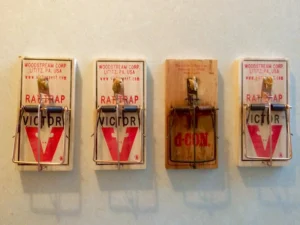
For traps, snap traps are one of the safest and cheapest ways to catch mice, and you can put them inside a covered box to keep pets and kids out. Multi-catch traps catch mice alive, so you can release them outside.
If you have a big problem, call a pest control company and tell them about your kids and pets. They can pick tools that fit your home.
Skip poison baits if you have dogs, cats, or small children. Even stations built to resist tampering aren’t a good fit for every home.
A Simple Way to Remember the Difference
Think of it this way. A glue board holds on, and a bait station poisons.
The glue board is a flat tray that you can see all of. The bait station is a closed box with a poison block inside.
If a label says “non-toxic” and “free of pesticides,” you’re holding a glue board. If it says “Mouse Killer” and lists bromethalin, you’re holding poison.
Keep both types away from kids and pets, but treat the bait stations with the most caution. A glue board can make a mess, while poison can make someone seriously sick.
Conclusion
Tomcat glue traps aren’t poisonous. The glue boards have no poison or pesticide, and the maker calls them non-toxic.
Tomcat does sell poison bait stations with bromethalin, though, and those can be very dangerous to kids and pets. Always check the label before you buy or set anything down.
If glue gets on your skin, use cooking oil and soap. If a child or pet swallows anything from a board, call poison control or your vet.
Keep glue boards out of reach, check them every day, and throw them away safely. If you’d rather skip both glue and poison, sealing your home and using covered snap traps is a good place to start.
With a little care, you can pick the right Tomcat product for your home and keep everyone safe.

Hi, my name is Ezra Mushala, i have been interested animals all my life. I am the main author and editor here at snakeinformer.com.