
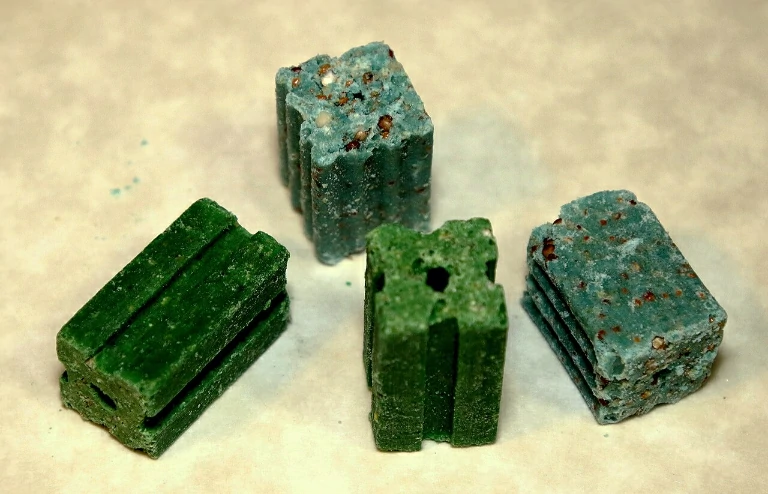
If you’ve been comparing stronger rat poisons, you’ve likely come across both bromadiolone and difethialone. Unlike some rat poison comparisons, these two are actually close cousins.
Both are second generation anticoagulants. That puts them in the same general class of powerful, single-feed poisons.
So what’s the real difference between bromadiolone and difethialone? And which one actually works better?
Bromadiolone and difethialone are both highly potent second generation anticoagulants. Both can kill a rat with a single feeding. Difethialone is generally considered slightly more potent and tends to act a bit faster. Both are restricted to licensed pest control professionals in the US.
Since they’re so closely matched, the real differences come down to small details in potency, speed, and regulation. Let’s break down exactly where they differ.
Why These Two Are So Similar
Bromadiolone and difethialone both belong to the second generation of anticoagulant rodenticides. This generation was developed to overcome resistance that rat populations had built up against older, first generation poisons like warfarin.
Both work the same basic way. They block a rat’s ability to recycle vitamin K, which the body needs to keep producing blood clotting factors.
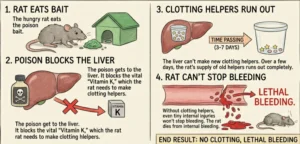
Without that recycling process, clotting factors eventually run out. The rat dies from internal bleeding.
Both are also considered single-feed poisons. A rat can pick up a lethal dose from just one visit to the bait.
This sets them apart from older, first generation options like diphacinone. Those older poisons usually need several days of repeated feeding to work.
How Bromadiolone Works
Bromadiolone has been around since it was first registered in the US in 1980. It’s sometimes called a “super warfarin” because of how much stronger it is compared to the original anticoagulant poison.
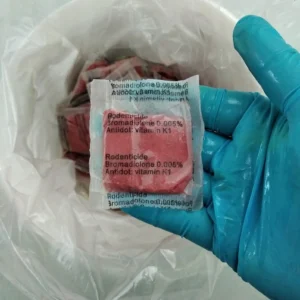
In toxicity studies, bromadiolone’s LD50 has been measured at roughly 1 to 3 mg per kilogram of body weight in rats. Some studies report figures as low as 0.56 mg/kg.
That’s the dose needed to kill half of a test population. It’s a very small amount either way.
Bromadiolone tends to work over a period of about 1 to 5 days after a lethal dose is eaten. It also has a notably long half-life in the body.
Research shows the slower elimination phase can stretch to around 170 days.
How Difethialone Works
Difethialone came along later and is chemically related to brodifacoum, one of the strongest anticoagulants ever developed. It works through the same vitamin K blocking mechanism as bromadiolone.
Where difethialone tends to pull ahead is in raw potency. In one study on the rodent species Nesokia indica, difethialone’s LD50 was measured at just 0.82 mg per kilogram of body weight.
That’s notably lower than most bromadiolone figures. A lower LD50 means less of the poison is needed to be lethal.
This generally translates to faster, more reliable kills. Difethialone product labels commonly state that rats can pick up a lethal dose in a single night’s feeding.
The first dead rodents typically show up around 4 to 5 days later.
Bromadiolone vs Difethialone: Side by Side
| Feature | Bromadiolone | Difethialone |
|---|---|---|
| Generation | Second generation | Second generation |
| Feeding required | Single feeding often lethal | Single feeding often lethal |
| Time to death | 1 to 5 days | 4 to 5 days typically |
| LD50 in rats | Roughly 0.56 to 3 mg/kg | Roughly 0.82 mg/kg in studies |
| Relative potency | Very high | Slightly higher |
| Half-life in body | Up to around 170 days | Long, similar range to brodifacoum |
| Consumer availability in the US | Restricted, professional use only | Restricted, professional use only |
| Best suited for | Resistant or tough infestations | Resistant or tough infestations |
Which One Is Actually Stronger?
Based on the available research, difethialone edges out bromadiolone slightly in raw potency. Its lower LD50 means it takes a smaller amount to deliver a lethal dose.
That said, the practical difference between the two in real world pest control is often small. Both are considered top tier anticoagulants.
Both are also highly effective against rats that have already developed resistance to first generation poisons. Some pest control professionals consider difethialone to be marginally faster acting in field conditions.
This can vary depending on the specific product formulation and bait taste. How consistently rats are feeding on it also plays a role.
Why Neither Is Sold Directly to Homeowners
This is one of the most important practical points in this whole comparison. In 2008, the EPA restricted the sale of second generation anticoagulants, including both bromadiolone and difethialone, to licensed pest control professionals.
This means you generally won’t find either of these active ingredients in rat poison sold on regular store shelves in the US. Both are still used heavily by professional exterminators.
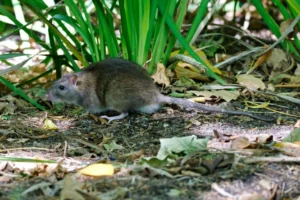
They’re just not sold in consumer packaged products anymore. If you’re a homeowner shopping for rat poison, you’re more likely to come across first generation anticoagulants like diphacinone.
Non-anticoagulant options like bromethalin or cholecalciferol are also common on store shelves. Getting access to bromadiolone or difethialone usually means hiring a licensed pest control company.
How California Treats These Two Differently
California has gone a step further than federal rules. Assembly Bill 2657 specifically restricts the use of brodifacoum, bromadiolone, difenacoum, and difethialone in what the law defines as wildlife habitat areas.
This extra layer of regulation comes from growing concern over secondary poisoning. Predators like owls, hawks, and mountain lions have been found with these poisons in their systems after eating poisoned rodents.
If you live in California, it’s worth knowing something important. Even licensed applicators face tighter restrictions on where these specific poisons can go. This is compared to most other states.
Secondary Poisoning Risk: Are They Equally Risky
Both bromadiolone and difethialone carry a real risk of secondary poisoning. This is one area where they’re genuinely comparable, rather than one being clearly safer than the other.
Since both stick around in the body for a long time, animals that eat a poisoned rat can build up dangerous levels of the toxin themselves. Studies have found both compounds in the livers of wild predators.

This includes owls, hawks, foxes, and even bobcats and mountain lions in some regions. This has become a significant concern for wildlife conservation groups.
Because of this shared risk, professionals using either poison are expected to follow strict guidelines. Bait must go in tamper resistant, weatherproof stations.
Dead rodents should be collected and disposed of properly whenever possible. This helps limit how much predators get exposed.
Which One Should You Actually Choose?
Since neither product is available to regular consumers, the real decision here mostly falls to pest control professionals, not homeowners.
If you’re dealing with a serious rat infestation and considering hiring an exterminator, it’s worth asking which product they plan to use and why.
A good pest control company should be able to explain their choice. This might come down to local rat resistance patterns, environmental sensitivity in your area, or simply which product tends to perform best in their experience.
For homeowners handling a rat problem on their own, neither bromadiolone nor difethialone will likely be an option. In that case, it’s worth focusing on consumer available alternatives instead.
Diphacinone and cholecalciferol are both realistic options. Or you can reach out to a professional if the problem is bigger than DIY methods can handle.
What This Means If You Suspect Pet Poisoning
Since both poisons work the same way, symptoms of poisoning in a pet look similar for either one. Watch for unusual bruising, bleeding gums, blood in urine or stool, pale gums, weakness, or labored breathing.
These symptoms can take a few days to show up after exposure. This makes it easy to miss early on.
If you know or suspect your pet has eaten bait containing either bromadiolone or difethialone, don’t wait for symptoms. Call your vet or an animal poison control line right away.
Both poisonings are treatable with vitamin K1. The treatment works far better when it’s started early, before significant blood loss has happened.
If possible, bring the product packaging or take a photo of the label when you call. This helps your vet confirm the exact active ingredient and plan treatment properly.
How These Are Used Beyond Home Pest Control
While most people think of rat poison in the context of homes and buildings, both bromadiolone and difethialone see heavy use in commercial and agricultural settings too.
Warehouses, food processing facilities, farms, and shipping ports all deal with serious rodent pressure, often on a much larger scale than a typical house.
In these settings, professionals often use bait stations placed at regular intervals along walls, fence lines, or known rodent pathways. These get monitored and refilled on a set schedule.
The strength and reliability of second generation anticoagulants like these two make them a practical choice for large scale, ongoing rodent control programs. This is also where secondary poisoning risk becomes a bigger concern.
Agricultural areas often border natural habitat. This means birds of prey, foxes, and other wildlife have more chances to come across and eat poisoned rodents, compared to a poison used strictly indoors in a city building.
Because of this, many professional applicators follow integrated pest management practices alongside poison use. This might include sealing entry points and removing food sources. Using poison as one tool among several, rather than the only line of defense, tends to work better long term.
How These Compare to Brodifacoum, the Other Big Name
It’s worth briefly mentioning brodifacoum, since it often comes up in the same conversation as these two. Brodifacoum is arguably the most well known second generation anticoagulant, and in many studies, it edges out both bromadiolone and difethialone in raw potency.
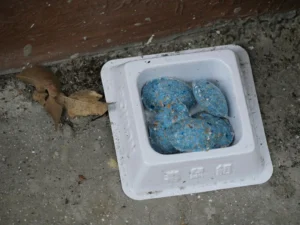
All three are chemically related and work through the same basic mechanism. The practical differences between them tend to matter less than the shared fact that all three are restricted to professional use and all three carry meaningful secondary poisoning risk.
If you’re researching rat poisons and keep running into these three names together, that’s not a coincidence. They’re often grouped together in regulatory discussions. This comes down to how similar their risk profiles are to one another.
How to Identify Which Poison Is Being Used
If you’re a renter, a business owner, or simply someone curious about what’s being used around your property, there are a few practical ways to figure out which poison a pest control company is actually using. The simplest approach is just to ask directly.
A licensed professional should be able to tell you the exact product name and active ingredient without hesitation. This information is required to be on file anyway, so there’s no real reason for them to withhold it. You can also look at the bait itself if you happen to see it sitting in a station.
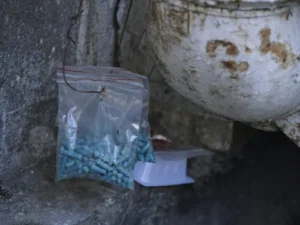
Most anticoagulant baits are dyed a distinct color, often blue-green, to make them less appealing to birds and to help tell them apart from actual food. However, color alone can’t tell you the specific active ingredient, since multiple products often share similar dye choices.
The bait station itself often has a label or sticker listing the EPA registration number and active ingredient. You can look this number up if you want more detail.
If you ever need this information quickly, such as after a suspected pet exposure, the product label is always your most reliable source.
Conclusion
Bromadiolone and difethialone are both extremely potent second generation anticoagulants. In many practical ways, they’re more alike than different.
Difethialone tends to edge out bromadiolone slightly in raw potency, with a lower LD50 in most studies. It also has a slightly faster typical time to death, usually around 4 to 5 days compared to bromadiolone’s 1 to 5 day range.
Both are restricted to licensed pest control professionals in the US, so homeowners won’t find either one sold directly on store shelves. Both also carry a real risk of secondary poisoning to predators and pets.
This is exactly why strict handling guidelines apply to professionals using either product. If you’re dealing with a serious rat problem, the choice between these two will likely be made by whoever you hire, not by you directly.
For DIY pest control, your realistic options lie elsewhere. Look toward the anticoagulants and other poison types still sold to regular consumers instead.
Whichever poison ends up being used around your home, always keep pets and children well away from any bait stations. And don’t hesitate to call a vet immediately if you ever suspect exposure.

Hi, my name is Ezra Mushala, i have been interested animals all my life. I am the main author and editor here at snakeinformer.com.