
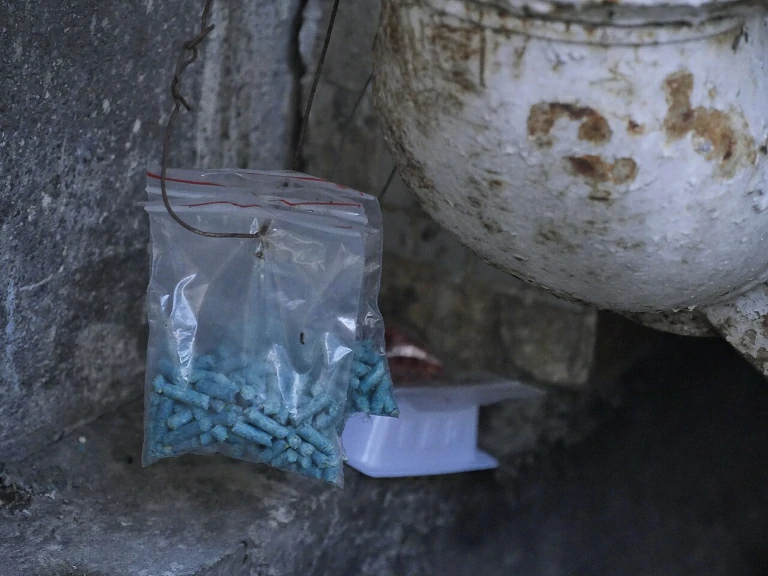
If you’re dealing with a rat problem, you’ve probably wondered what’s actually inside those poison products sitting on store shelves.
One question that comes up a lot is whether modern rat poisons contain strychnine, an infamous poison from old detective novels and historical pest control. So does rat poison contain strychnine?
Most modern rat poisons don’t contain strychnine. Today’s rat poisons mainly use anticoagulants (blood thinners) like brodifacoum or bromadiolone. Strychnine-based rodenticides were banned for most uses in the U.S. in the 1980s because they’re extremely dangerous to people, pets, and wildlife.
While you might find strychnine in very old rat poison products or in certain restricted professional-use pesticides, the rat poison you buy at hardware stores or garden centers today won’t have it.
Manufacturers switched to safer (though still toxic) ingredients decades ago.
What Strychnine Actually Is
Strychnine is a highly toxic alkaloid that comes from the seeds of the Strychnos nux-vomica tree. It’s a white, odorless powder that tastes incredibly bitter.
When an animal eats strychnine, it attacks the nervous system. It causes violent muscle spasms and convulsions that can lead to death within just a few hours.
Why Strychnine Was Banned for Most Uses
Back in the early and mid-1900s, strychnine was commonly used in rat poisons and other pest control products. But it caused serious problems.
First, it’s not selective. It kills any animal that eats it, including pets, wildlife, and even people (especially children who might accidentally ingest it).
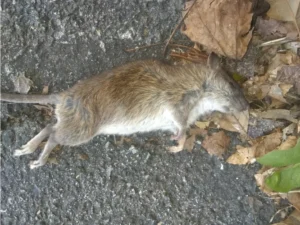
Second, animals poisoned with strychnine die a very painful death. They experience terrible muscle spasms and seizures before dying.
Third, there’s no antidote. If a dog or cat eats strychnine, there’s very little vets can do except provide supportive care and hope the animal survives.
Because of these dangers, the EPA (Environmental Protection Agency) severely restricted strychnine use in the 1980s. Today, it’s only allowed for certain underground uses by licensed pest control professionals in very specific situations.
What’s in Modern Rat Poison Instead
Today’s rat poisons mainly use anticoagulant compounds. These work very differently from strychnine.
Anticoagulants stop blood from clotting properly. When a rat eats the poison, it causes internal bleeding over several days, and the rat eventually dies from blood loss.
The most common anticoagulants in rat poison are brodifacoum, bromadiolone, difethialone, and diphacinone. These are sometimes called “second-generation” anticoagulants because they’re stronger than the older warfarin-based poisons.
How Anticoagulant Rat Poisons Work
When a rat eats an anticoagulant poison, it doesn’t die right away. The poison needs time to build up in the rat’s system.
Usually, a rat needs to eat the poison multiple times over several days before it consumes a lethal dose. This is actually by design because rats are very cautious eaters and won’t come back to a food source if it makes them sick immediately.
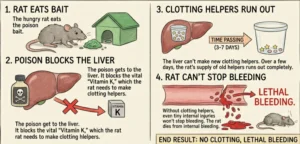
After eating enough poison, the rat’s blood loses its ability to clot. This causes internal bleeding, and the rat dies within a few days to a week.
Are Anticoagulant Poisons Safer Than Strychnine?
Anticoagulant rat poisons are definitely less immediately dangerous than strychnine, but they’re still very toxic and can kill pets and wildlife.
The big advantage is that there’s an antidote. If a dog eats anticoagulant rat poison, a vet can give it vitamin K injections to reverse the effects. With strychnine, there’s no antidote.
However, anticoagulant poisons create a different problem called secondary poisoning. When a rat eats the poison and then gets eaten by a hawk, owl, fox, or cat, that predator also gets poisoned.
Can You Still Get Strychnine-Based Rat Poison?
In the United States, you can’t buy strychnine rat poison at regular stores. It’s illegal for consumer use.
However, licensed pest control professionals can still use strychnine products in very limited situations. These are mainly for controlling certain burrowing rodents like pocket gophers in agricultural settings.
Even for professionals, the rules are very strict. They can only use strychnine underground in rodent burrows, not above ground where pets and wildlife might find it.
How to Tell What’s in Your Rat Poison
If you have rat poison at home and want to know what’s in it, check the label. The active ingredient must be listed.
Look for words like brodifacoum, bromadiolone, difethialone, or diphacinone. These are anticoagulants and make up the vast majority of modern rat poisons.
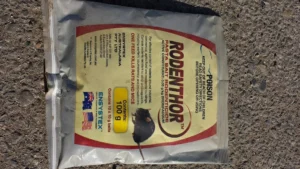
If you find an old container of rat poison in your garage or shed and it lists strychnine as the active ingredient, don’t use it. Dispose of it properly at a hazardous waste facility.
What About Non-Anticoagulant Rat Poisons?
Besides anticoagulants, there are a few other types of rat poison on the market that don’t contain strychnine.
Bromethalin is one alternative. It’s a neurotoxin that causes brain swelling. It works faster than anticoagulants (rats die within 1-2 days), but there’s no antidote if a pet eats it.
Cholecalciferol (vitamin D3) is another option. It causes a buildup of calcium in the blood, leading to kidney failure. This is also very dangerous to pets.
Why the Confusion About Strychnine in Rat Poison
Many people still think rat poison contains strychnine because it was so common for so long. If your grandparents used rat poison, it very likely contained strychnine.
Old movies, books, and TV shows also reinforced this association. Strychnine poisoning was a common murder method in classic mystery novels.
But times have changed, and so have the ingredients in pest control products. What was normal 50 years ago is now banned or heavily restricted.
The Dangers of Any Rat Poison
Even though modern rat poisons don’t contain strychnine, they’re still extremely dangerous. Every year, thousands of pets are poisoned by rodenticides.
Dogs are especially at risk because they’ll eat just about anything, including rat poison blocks and dead rats that have eaten poison. Cats can also be poisoned, though it’s less common.
If you use rat poison in or around your home, place it where pets absolutely can’t reach it. Better yet, use bait stations that only rats can access.
Safer Alternatives to Rat Poison
If you’re concerned about the dangers of rat poison (whether it contains strychnine or not), there are other ways to control rats.
Snap traps are very effective and kill rats instantly without using poison. They’re also reusable and don’t pose a risk to pets if used carefully.
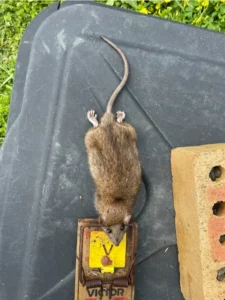
Electronic traps deliver a quick electric shock that kills rats humanely. These are more expensive but very effective.
Sealing up entry points into your home is the best long-term solution. Rats can squeeze through holes as small as a quarter, so check your foundation, walls, and roof carefully.
Conclusion
Modern rat poisons don’t contain strychnine. The EPA banned strychnine for most uses back in the 1980s because it was too dangerous to people, pets, and wildlife.
Today’s rat poisons mainly use anticoagulants like brodifacoum or bromadiolone. While these are less immediately toxic than strychnine and have an antidote, they’re still very dangerous.
If you’re dealing with rats, always read the label to know what’s in the poison you’re using. And if you find old rat poison that might contain strychnine, dispose of it properly at a hazardous waste facility.

Hi, my name is Ezra Mushala, i have been interested animals all my life. I am the main author and editor here at snakeinformer.com.