
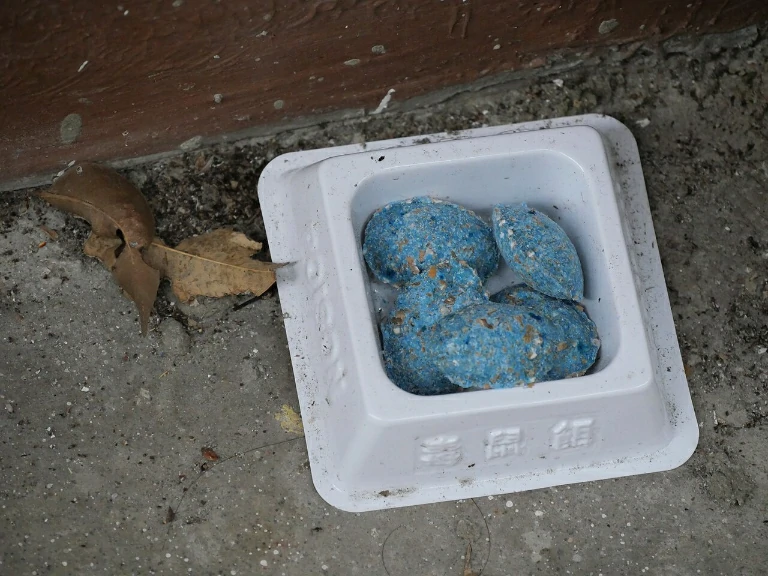
You’ve placed rat poison outside and now it’s raining. You’re wondering if the rain will dissolve the poison and make it ineffective, or if it might wash it into places you don’t want it. Does rat poison actually dissolve when it gets rained on?
Yes, rat poison dissolves in rain to varying degrees. Water breaks down the bait material and dissolves the active poison ingredients. Some poisons dissolve more easily than others, but all rat poisons are affected by rain. This makes them less effective and spreads contamination to surrounding areas.
The amount of dissolution depends on how water-soluble the poison is, how much rain falls, and how long the poison is exposed to moisture.
How Rain Affects Different Types of Rat Poison
Not all rat poisons dissolve at the same rate when exposed to rain. The formulation and active ingredients determine how quickly water breaks them down.
Grain-based pellets dissolve quickly in rain. These are made from seeds, corn, wheat, or other grains pressed together with poison mixed in.
When rain hits grain pellets, they absorb water like a sponge. The grains swell and fall apart. Within hours of heavy rain, grain pellets can completely disintegrate.
Wax-based blocks resist water better than grain pellets. The wax coating repels water to some degree, slowing down dissolution.
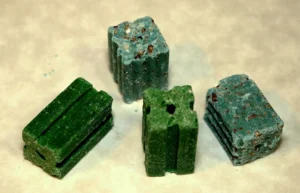
But wax isn’t waterproof. Over time, rain wears away the coating. Once water penetrates, the block starts breaking down from the inside.
Some wax blocks can survive light rain or dew. They’re marketed as “weather-resistant” or “all-weather” poison blocks.
Weather-resistant doesn’t mean rainproof. Heavy rain or prolonged exposure will still dissolve even weather-resistant blocks.
Paste baits are thick and sticky. They resist rain better than pellets but worse than wax blocks. Rain dilutes the paste and can wash it away.
The active poison ingredient itself has different water solubility. First-generation anticoagulants like warfarin are more water-soluble.
Second-generation anticoagulants like brodifacoum are less soluble but still dissolve in water. They might dissolve slower but they do dissolve.
Non-anticoagulant poisons vary. Bromethalin has low water solubility. Cholecalciferol is somewhat soluble. Zinc phosphide reacts with water to produce gas.
What Happens When Poison Dissolves?
Understanding the dissolution process helps you see why rain is such a problem for outdoor poison use.
As rain hits the poison, water molecules interact with the bait material. The binding agents that hold pellets or blocks together start to soften.
The grain, wax, or other carrier materials absorb water. This causes swelling and structural breakdown.
The active poison ingredient dissolves into the water. This creates contaminated water that contains dissolved poison.
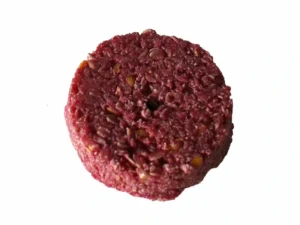
This poisoned water then flows wherever the rain takes it. It might soak into soil, run down driveways, flow into gardens, or enter storm drains.
The physical bait might also break into smaller pieces. These pieces can wash away from where you placed them.
You end up with poison spread over a larger area than intended. What started as a targeted application becomes widespread contamination.
The concentration of poison in the remaining bait decreases. As poison dissolves out, what’s left has less active ingredient.
Bait that’s partially dissolved becomes less attractive to rats. They prefer fresh, dry bait over soggy, moldy material.
Even weather-resistant blocks lose effectiveness. Rain dissolves poison from the surface, reducing the dose rats get when they gnaw on the block.
How Much Rain Causes Problems?
You don’t need a monsoon to have issues with rat poison dissolving. Even light rain affects outdoor poison.
Dew and humidity can start the dissolution process. Overnight moisture on poison pellets begins breaking them down.
A light drizzle lasting an hour can significantly affect grain-based pellets. They’ll start falling apart and losing poison to water.
Heavy rain for 15 to 30 minutes can completely destroy unprotected grain pellets. They’ll dissolve into mush.

Wax blocks hold up better. They might survive light rain but will start degrading in heavy downpours.
Continuous light rain over several days is worse than one heavy storm. Constant moisture keeps the poison wet, accelerating breakdown.
The amount of poison exposed matters too. Pellets placed in a pile dissolve slower than scattered pellets. The top layer protects the bottom ones.
But protecting inner poison doesn’t help much. The outer poison still dissolves and washes away, contaminating the environment.
Temperature affects dissolution. Warm rain dissolves things faster than cold rain. Summer storms cause more dissolution than winter rain.
Wind-driven rain is particularly damaging. Rain blown sideways can penetrate bait stations and reach poison that would otherwise stay dry.
Where Does Dissolved Poison Go?
When rain dissolves rat poison, the contaminated water and bait fragments go somewhere. Tracking this movement shows the scope of the problem.
The first place dissolved poison goes is into the soil directly beneath the bait. This immediate contamination is concentrated and can harm plants growing there.
From there, rain carries dissolved poison downhill. If your property slopes, contaminated water flows to the lowest points.
Gardens at the bottom of slopes can receive poison washed down from higher areas. Vegetables growing in this contaminated soil might absorb the poison.

Driveways and sidewalks channel contaminated water. Instead of soaking into soil, the poison flows along these surfaces.
Storm drains are major destinations. Poison-contaminated water flowing off impermeable surfaces ends up in street drains.
Most storm drains lead to streams, rivers, or lakes without treatment. The poison goes directly into aquatic ecosystems.
Lawns absorb some contaminated water. Grass doesn’t accumulate poison like vegetables, but the soil holds it.
Mulch beds and garden soil act like sponges. They soak up contaminated water and trap poison where it can persist.
Standing water collects dissolved poison. Puddles, low spots, and drainage areas can have concentrated poison.
Animals drinking from these contaminated puddles can be poisoned. Pets, wildlife, and even birds might drink poison-contaminated water.
Effects on Poison Effectiveness
Dissolved poison isn’t just an environmental problem. It also makes the poison less effective at killing rats.
Rats prefer dry, fresh bait. Soggy, rain-soaked bait is less appealing. Rats might not eat enough to get a lethal dose.
The poison concentration decreases as it dissolves out. Bait that’s lost half its poison through dissolution won’t kill rats as effectively.
Wet bait can grow mold and bacteria. This makes it even less attractive to rats. They’re picky eaters and avoid food that smells off.
Some rats learn to avoid wet bait. If they’ve eaten it before and felt sick (but didn’t die due to low dose), they’ll avoid it in the future.
You end up wasting money on poison that doesn’t work. Rain-damaged bait needs to be replaced, adding to costs.
Frequent replacement creates more opportunities for exposure. Every time you handle wet poison, you risk contaminating yourself.
Dissolved poison in the environment can also poison non-target animals without killing many rats. You get the worst of both worlds.
Protecting Poison from Rain
If you must use poison outdoors, protecting it from rain is essential. There are strategies to minimize dissolution.
Bait stations are the most important protection. These are boxes that shelter poison from rain while allowing rats to enter.
A good bait station has a solid roof. This keeps rain off the poison inside
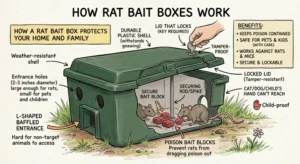
Drainage holes in the bottom let any water that does get in flow out. Without drainage, water pools and the poison sits in it.
Position bait stations under cover when possible. Placing them under eaves, porches, or overhangs provides additional rain protection.
Elevate bait stations slightly. Putting them on blocks keeps the bottom dry even if the ground floods.
Anchor stations securely. Wind can tip over lightweight stations, spilling poison into the rain.
Check stations after every rain. Replace any wet or damaged poison immediately.
Use weather-resistant poison formulations. While not rainproof, they last longer in damp conditions than regular formulations.
Don’t place poison outdoors during rainy seasons if you can avoid it. Wait for dry weather to start outdoor poison use.
Consider using poison only indoors. Inside buildings, rain isn’t a problem. Outdoor rats can be controlled with traps.
Bait Station Design Features
Since bait stations are crucial for keeping poison dry, understanding good design helps you choose or build effective ones.
- The roof should overhang the entrance holes. This prevents rain from blowing directly in.
- Entrance holes should be on the sides, not the top. Top entrances let rain pour straight in.
- Multiple small holes work better than one large opening. This limits how much rain can enter.
- The station material matters. Plastic is lightweight but can crack. Metal rusts. Heavy-duty plastic or treated wood works well.
- The interior should be large enough that rats don’t crowd near entrance holes where rain might reach them.
- Bait should be secured inside. Use rods, clips, or other fastening systems so poison doesn’t shift toward openings.
- A sloped roof helps rain run off instead of pooling. Flat roofs can collect water that eventually seeps in.
- Weatherstripping around openings can help. Though rats need to enter, well-designed seals minimize rain penetration.
- Lockable stations prevent tampering. Kids and pets can’t open them, and the locked design is often more weather-tight.
- Professional-grade stations are built tougher than consumer models. If you have severe weather, invest in better stations.
What to Do with Rain-Damaged Poison
If rain gets to your poison, you need to deal with the damaged bait properly. Don’t just leave it there.
Remove wet or dissolved poison immediately. Soggy bait won’t work and just creates contamination.
Wear gloves when handling wet poison. The dissolved poison can get on your skin more easily than dry poison.
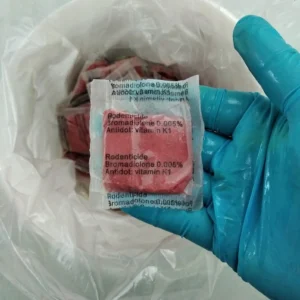
Put damaged poison in a sealed plastic bag. Double-bag it to prevent leaks.
Don’t throw it in regular trash where animals might get it. Take it to a hazardous waste facility.
If the poison has dissolved into soil or pavement, you can’t really collect it. It’s already contaminated the area.
For concentrated spills on hard surfaces, try absorbing the liquid with paper towels or kitty litter. Dispose of these as hazardous waste too.
Don’t wash dissolved poison down drains. This puts it into water systems where it can harm aquatic life.
Replace the damaged poison with fresh bait in a proper bait station. Learn from the experience and protect the new bait better.
If this keeps happening, reconsider using poison outdoors. The environmental risk might outweigh the benefit.
Long-Term Contamination from Dissolved Poison
Even after the rain stops and the bait is gone, poison can persist in the environment for months.
Poison dissolved into soil binds to soil particles. How long it stays depends on soil type and conditions.
Clay soils hold poison longer than sandy soils. The fine particles in clay trap chemicals.
Warm, moist conditions with lots of organic matter help microbes break down poison faster. Cold, dry, or compacted soil preserves it longer.
Second-generation anticoagulants like brodifacoum can persist in soil for 6 to 12 months. Some studies have found it lasting even longer.
During this time, plants can absorb the poison. Vegetables grown in contaminated soil might take up poison through their roots.
Animals digging in contaminated soil can be exposed. Dogs, cats, and wildlife that dig or eat dirt can ingest poison.
Earthworms and soil insects accumulate poison. Birds and other animals that eat them get secondary exposure.

Rain can continue moving the poison. Each new storm washes more contaminated soil to new locations.
The contamination zone expands over time. What started as a small area can spread across your yard.
Eventually the poison breaks down, but the process is slow. You might have contamination for an entire growing season or longer.
Environmental Impact of Dissolved Poison
The environmental consequences of rat poison dissolution extend beyond your property.
Aquatic ecosystems are particularly vulnerable. Poison washed into streams and ponds affects everything living there.
Fish exposed to anticoagulants suffer from bleeding disorders. Even low concentrations can affect their health and reproduction.
Amphibians like frogs and salamanders are very sensitive. They breathe through their skin and absorb dissolved poison easily.
Aquatic plants can take up poison from contaminated water. This puts poison into the food chain at the base level.
Waterfowl and other birds drinking from contaminated water can be poisoned. Even low doses can affect their breeding success.
Beneficial soil organisms are harmed by dissolved poison in soil. Earthworms, which are crucial for healthy soil, are particularly sensitive.
Predators eating poisoned prey suffer secondary poisoning. This includes hawks, owls, foxes, and other wildlife.
The cumulative effect is ecosystem degradation. Multiple species are affected, disrupting food webs and ecological balance.
The problem compounds when many people in an area use poison outdoors. The total contamination load becomes significant.
Watersheds can be affected on a large scale. Poison from thousands of homes and businesses adds up.
Alternatives for Outdoor Rat Control
Given all the problems with rain and outdoor poison use, alternatives make more sense for many situations.
Snap traps work in all weather. Rain doesn’t affect their function. Dead rats in traps are safe for scavengers.
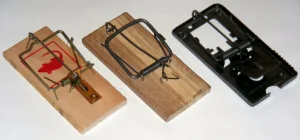
Weatherproof snap traps are designed for outdoor use. They’re made from materials that won’t rust or degrade.
Electric traps can be used outdoors if protected from rain. Place them under cover or in sheltered locations.
Live traps catch rats regardless of weather. You can release captured rats far from your property.
Exclusion prevents rats from entering buildings. Seal holes, install door sweeps, and block entry points.
Remove outdoor food sources. Secure garbage, don’t leave pet food out, clean up fallen fruit.
Eliminate water sources. Fix leaky faucets, drain standing water, remove water features if necessary.
Encourage natural predators. Owls, hawks, and snakes eat rats. Providing habitat for these predators helps control rodents.
Cats that live outdoors can significantly reduce rat populations. Barn cats or feral cat colonies control rodents naturally.
Professional pest control can implement integrated strategies. They might use a combination of traps, exclusion, and limited poison use only in protected areas.
When Indoor Poison Use Makes More Sense
If you need to use poison, keeping it indoors avoids most rain-related problems.
Rats killed indoors by poison won’t be eaten by outdoor predators. This prevents secondary poisoning of wildlife.
Indoor poison won’t be washed into gardens, soil, or waterways. Environmental contamination is minimized.
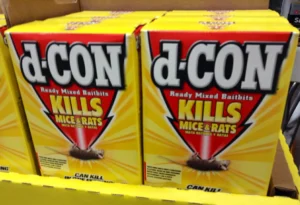
You have better control over indoor bait stations. You can check them frequently and notice problems immediately.
Dead rats indoors can be found and removed. This prevents long-term contamination and eliminates food sources for scavengers.
The effectiveness of indoor poison isn’t compromised by weather. Dry conditions keep bait fresh and attractive.
Pets and children can be kept away from indoor poison more easily. Locked bait stations in secured areas provide good protection.
For rats that are getting into your house, treating indoors makes more sense than treating outside anyway.
You’re addressing the problem where it exists. Rats inside need indoor treatment.
If rats are only outside and not entering your home, question whether poison is necessary at all.
Conclusion
Rat poison does dissolve in rain. Water breaks down the bait material and dissolves the active poison ingredients, making the poison less effective and spreading contamination.
Grain-based pellets dissolve quickly in rain. Wax blocks resist water better but still break down over time. All outdoor poison is affected by moisture.
When poison dissolves, contaminated water flows into soil, gardens, storm drains, and waterways. This creates environmental hazards and can poison non-target animals.
Using bait stations helps protect poison from rain but isn’t foolproof. Heavy or wind-driven rain can still reach poison inside stations.
The best approach for outdoor rat problems is to use methods that don’t involve poison. Traps, exclusion, and removing attractants work regardless of weather and don’t create environmental contamination.
If you must use poison, keep it indoors where rain can’t reach it. This protects effectiveness and minimizes environmental impact.

Hi, my name is Ezra Mushala, i have been interested animals all my life. I am the main author and editor here at snakeinformer.com.