
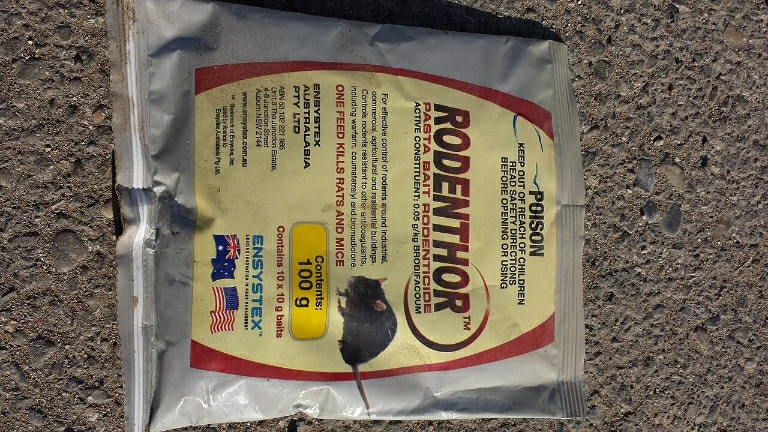
You’ve placed rat poison outside, and now it’s raining. Or maybe you’re wondering if you can wash poison out of an area where it spilled. Can water actually wash rat poison away?
Yes, rat poison can be washed away by rain, flooding, or intentional washing. Water dissolves or carries poison to other locations. This can spread contamination to areas you didn’t intend, pollute water sources, and make the poison less effective at killing rats.
Rain and water movement are actually major concerns with outdoor rat poison use. The poison doesn’t just disappear when it gets wet. It goes somewhere, and that somewhere could be your garden, storm drains, or water supplies.
How Water Affects Rat Poison
Most rat poisons are somewhat water-soluble, which means they dissolve in water at least partially. Different types of poison dissolve at different rates.
When rain hits poison pellets or blocks, water starts breaking down the bait material. The binding agents that hold the pellets together soften and dissolve.
As the bait breaks down, the active poison ingredient gets released into the water. This creates contaminated water that flows wherever the rain takes it.
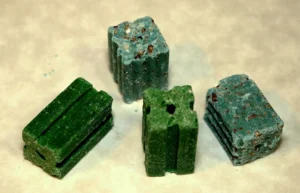
Some poisons dissolve easily in water. First-generation anticoagulants like warfarin are fairly water-soluble. Rain can wash a significant amount of warfarin out of bait blocks.
Second-generation anticoagulants like brodifacoum are less water-soluble but can still be washed away. They might not dissolve as completely, but water can carry small particles of poison to new locations.
The bait material itself affects how fast washing happens. Pellets made from grains absorb water and fall apart quickly. Wax-based blocks resist water better but will eventually break down with enough rain.
Temperature matters too. Warm water dissolves things faster than cold water. Summer rain might wash poison away faster than winter rain.
Even if the poison doesn’t completely dissolve, water can physically carry the pellets or broken pieces to new locations. Heavy rain can wash solid chunks of poison down driveways, into gardens, or toward water sources.
Where Washed Poison Goes
When rain washes rat poison away, it has to go somewhere. Understanding where poison ends up helps you see why washing is such a problem.
The poison flows with the water. If your property slopes, poison-contaminated water flows downhill. It might end up in your garden, your neighbor’s yard, or the street.
Storm drains are a major destination. Rain flowing off driveways, sidewalks, and yards carries poison into street drains. These drains usually lead to streams, rivers, or lakes without any treatment.

Soil absorbs some of the contaminated water. This puts poison into the ground where plants can take it up through their roots. If you have a vegetable garden downhill from where you placed poison, it could get contaminated.
Groundwater can be contaminated if poison soaks deep into the soil. This is less common because most poison stays near the surface, but in sandy soils with lots of rain, it’s possible.
Puddles and low spots collect poison-contaminated water. If pets or wildlife drink from these puddles, they can be poisoned.
Your lawn gets exposed to washed poison. Grass doesn’t accumulate poison like vegetable plants might, but pets rolling in contaminated grass or eating it could be exposed.
Mulch beds and garden soil act like sponges. They soak up contaminated water and hold onto poison. This is why you shouldn’t use rat poison near landscaping.
Water features like ponds or fountains can be contaminated if poison washes into them. Fish and other aquatic animals are sensitive to rat poison and can die from exposure.
Rain-Resistant vs. Weather-Resistant Poison
Some rat poisons are marketed as weather-resistant or rain-resistant. These claims need some explanation because they don’t mean waterproof.
Weather-resistant poison uses stronger binding agents. The blocks or pellets are pressed harder and designed to hold together better when wet.
These products might resist light rain or dew. They won’t immediately fall apart the first time they get wet. But heavy rain will still break them down over time.
Wax-based blocks are more weather-resistant than grain-based pellets. The wax coating repels water to some degree. But wax isn’t waterproof, and it will eventually wear away.
Some manufacturers add water-repellent coatings to poison blocks. These can extend how long the poison stays effective in damp conditions.
The problem is that weather-resistant doesn’t mean the poison won’t wash away. It just means it takes longer. A heavy rainstorm can still wash away even weather-resistant poison.
And even if the block stays physically intact, rain can still dissolve some of the active ingredient from the surface. Contaminated water runs off the block even if the block itself doesn’t move.
For outdoor use in areas with regular rain, you need more than just weather-resistant poison. You need proper placement and protection from the elements.
Using Bait Stations to Prevent Washing
Bait stations are enclosed boxes that protect poison from rain and prevent it from being washed away. They’re essential for outdoor poison placement.
A good bait station has a roof that keeps rain off the poison. It also has drainage holes on the bottom so water that does get in can flow out without pooling.
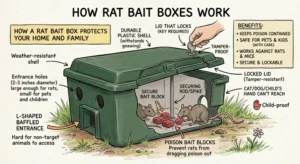
Stations should be weighted or staked down. This prevents them from being moved by wind or flooding. If the station moves, the poison inside can spill out.
The entrance holes need to be positioned to minimize rain entry. Holes on the sides rather than the top help keep rain out while still allowing rats to enter.
Even with a bait station, you should check poison after heavy rain. Sometimes water still gets in, especially during flooding or wind-driven rain.
If you find wet poison in a station, replace it. Wet poison might not be appealing to rats anymore, and it’s less effective. Plus, wet poison can grow mold.
Stations designed specifically for outdoor use are built tougher than indoor stations. They use materials that won’t break down in sun and rain.
Cheap plastic stations might crack or warp over time. Investing in a quality bait station saves money in the long run and protects the environment better.
Can You Intentionally Wash Poison Away?
If poison spills or you want to remove it from an area, you might wonder if washing it away with a hose is a good idea. The answer is definitely no.
Washing poison with water just spreads it to other areas. You’re not removing it or neutralizing it. You’re moving the contamination from one spot to many spots.
The poison goes into your yard, your garden, storm drains, or wherever the water flows. This makes the contamination worse, not better.
If poison spills on a hard surface like a driveway or sidewalk, pick it up instead of washing it. Wear gloves and use paper towels or a dustpan to collect the poison.
Put collected poison in a plastic bag and seal it. Dispose of it according to local hazardous waste guidelines.
After picking up the bulk of the spill, you can wash the area with a small amount of water and detergent. Use just enough to clean the surface without creating runoff.
Absorb the wash water with paper towels or a cloth. Don’t let it run off into the yard or drains. Dispose of the contaminated towels with the poison.
For porous surfaces like dirt or gravel, you can’t really wash poison out. If poison soaks into soil, it’s there until it breaks down naturally or you remove the contaminated soil.
Never pressure wash areas where poison has been. This creates huge amounts of contaminated water that spreads everywhere.
How Long Does Washed Poison Stay Active?
Just because poison gets washed away doesn’t mean it stops being toxic. The chemicals can remain dangerous for a long time after being moved by water.
Anticoagulant rat poisons are pretty stable in water. They don’t break down quickly just because they got wet. A poison molecule dissolved in water is just as toxic as one in a dry pellet.
Once poison washes into soil, it binds to soil particles. How long it stays depends on soil type, temperature, and microbial activity.
In warm, moist soil with lots of organic matter, microbes can break down poison faster. It might degrade significantly in a few months.
In cold, dry, or compacted soil, poison can persist for a year or more. Clay soils hold onto chemicals longer than sandy soils.
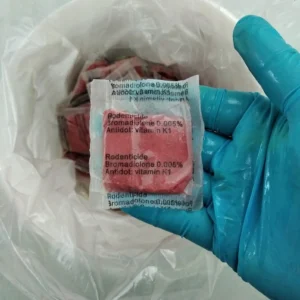
Second-generation anticoagulants like brodifacoum are especially persistent. They can remain toxic in soil for 6 months to over a year.
If poison washes into water, some of it might attach to sediment and sink. Some might stay dissolved in the water. Either way, it can harm aquatic life.
Fish and amphibians are sensitive to rat poison. Even low concentrations in water can affect their health and reproduction.
The poison can also accumulate in plants growing in contaminated soil or water. This leads to secondary poisoning of animals that eat those plants.
Environmental Impact of Washed Poison
When rat poison washes into the environment, it causes problems beyond just killing rats. The ecological effects can be serious and long-lasting.
Aquatic ecosystems are especially vulnerable. Poison washed into streams, ponds, or wetlands affects everything living there.
Anticoagulants harm fish by causing internal bleeding, just like in mammals. Fish exposed to poison might have reduced reproduction or die outright.
Amphibians like frogs and salamanders are even more sensitive. They breathe through their skin, which means they absorb chemicals from water more easily.

Aquatic insects can be affected too. These insects are food for fish, birds, and other animals. Poison in the insect population moves up the food chain.
Plants growing near contaminated water take up poison through their roots. This puts poison into the terrestrial food web too.
Birds that eat aquatic insects, fish, or plants can be poisoned. Waterfowl are at particular risk because they spend so much time in and around water.
Predators and scavengers that eat poisoned animals suffer secondary poisoning. Hawks, owls, foxes, and other predators are harmed by eating rats or other animals that consumed poison.
The cumulative effect is a contaminated ecosystem where poison cycles through food webs for months. Multiple species can be affected even though only rats were the target.
Storm Drains and Water Treatment
Many people don’t realize that storm drains are different from sewer drains. Understanding this difference is important for knowing where washed poison goes.
Storm drains (the grates you see along streets) usually lead directly to natural water bodies. The water flows to streams, rivers, lakes, or the ocean without any treatment.
This means anything washed into storm drains goes straight into the environment. Rat poison, oil, chemicals, trash, all of it flows into waterways.
Sewer drains (from sinks, toilets, showers) go to wastewater treatment plants. The water is cleaned before being released.

But rat poison shouldn’t go down sewers either. Treatment plants aren’t designed to remove rat poison. The chemicals can pass through treatment and still end up in waterways.
Plus, the poison can harm the beneficial bacteria used in wastewater treatment. These bacteria break down organic waste. Chemicals like rat poison can kill them and disrupt the treatment process.
Some cities have combined sewer systems where storm water and sewage mix. Even in these systems, heavy rain can overwhelm the system and cause overflow that dumps untreated water into rivers.
The bottom line is that rat poison should never be washed into any drain, storm or sewer. It causes environmental damage either way.
Legal Issues with Poison Runoff
In many places, allowing rat poison to wash into storm drains or waterways can be illegal. Environmental protection laws regulate what goes into water systems.
The Clean Water Act in the United States prohibits discharging pollutants into waterways. Rat poison counts as a pollutant.
If you intentionally wash poison into drains or allow it to run off your property into water, you could face fines.
For homeowners, enforcement is rare unless there’s a major incident. But if your poison causes a fish kill or obvious contamination, authorities could get involved.
Businesses and pest control companies face stricter oversight. They’re required to prevent pesticide runoff and can be fined for violations.
In some areas, there are specific regulations about outdoor pesticide use near water. You might not be allowed to place poison within a certain distance of streams, ponds, or wetlands.
Homeowners associations sometimes have rules about chemical use that affects shared property or common areas.
If your poison washes onto a neighbor’s property and harms their pets, garden, or pond, they might have legal grounds to sue you for damages.
Beyond legal issues, there’s the ethical responsibility to not pollute shared water resources. Even if you won’t get caught or fined, contaminating water is harmful to communities and ecosystems.
Alternatives for Outdoor Rat Control
If you need to control rats outdoors but don’t want to deal with poison washing away (or the environmental problems it causes), there are better options.
Snap traps work great outdoors. Place them along walls, fences, and other areas where rats travel. Check them daily and dispose of dead rats.
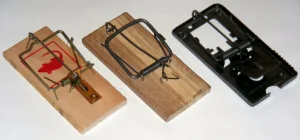
Weather-resistant snap traps are available. These are made from materials that won’t rust or break down in rain and sun.
Live traps can catch rats without killing them. You can then relocate rats far from your property. This works best for small numbers of rats.
Electric traps designed for outdoor use kill rats instantly without poison. They’re more expensive but very effective and reusable.
Exclusion is the best long-term solution. Find and seal holes where rats are entering buildings. Block access to food and shelter.
Remove attractants from your yard. Keep garbage in sealed bins, don’t leave pet food outside, clean up fallen fruit from trees, and eliminate standing water.
Predators can help control rats naturally. Encouraging owls by putting up owl boxes, or getting barn cats, can reduce rat populations.
Ultrasonic repellers can be tried, though effectiveness varies. They’re safe and won’t contaminate anything even if they don’t work perfectly.
For serious infestations, professional pest control can use integrated pest management. This combines multiple methods for effective, environmentally responsible rat control.
What to Do If Poison Washes Into Water
If rat poison accidentally washes into a pond, stream, or other water source, take action quickly to minimize damage.
Stop the source immediately. If poison is still washing in, block the flow. Move any remaining poison away from where rain can reach it.
If it’s a small pond or water feature, you might be able to drain it. This removes contaminated water before it does more harm. Dispose of the water on soil far from gardens or drains.
For larger water bodies, you can’t realistically remove the water. The poison will dilute over time, but damage might already be done.
Contact local environmental authorities. If the contamination is significant, they need to know. They can test water and assess damage to wildlife.
Don’t use contaminated water for gardens or animals. Keep pets away from water that might have poison in it.
If you have fish in a pond that’s been contaminated, monitor them closely. You might see signs of bleeding or unusual behavior. Unfortunately, there’s not much you can do to treat poisoned fish.
For future prevention, move any poison far from water sources. Use bait stations that completely prevent poison from being exposed to rain.
Consider whether you really need to use poison at all. The risk of water contamination might not be worth it, especially if you live near streams or ponds.
Conclusion
Rat poison can definitely be washed away by rain and water. The poison dissolves or gets carried to new locations, spreading contamination and creating environmental problems.
Washed poison flows into soil, gardens, storm drains, and natural water sources. It can harm plants, pets, wildlife, and aquatic ecosystems. The chemicals remain toxic even after being moved by water.
Using bait stations helps protect poison from rain and reduces washing. But the best solution for outdoor areas is to avoid poison entirely when possible.
Traps and exclusion methods work well without the risk of poison washing into places it shouldn’t be. These alternatives protect water quality and prevent environmental contamination.
If you must use poison outdoors, place it carefully in covered bait stations away from slopes, drains, and water sources. Check it after storms and replace wet or damaged poison immediately.

Hi, my name is Ezra Mushala, i have been interested animals all my life. I am the main author and editor here at snakeinformer.com.