
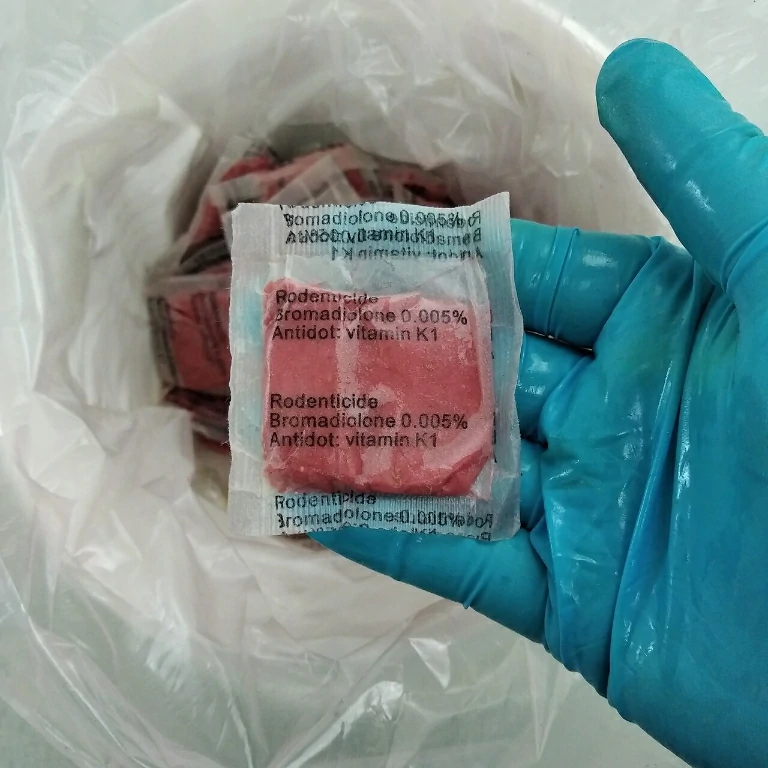
Whether you’re using rat poison to control a pest problem or you’re worried about old poison you found in your home, understanding how long rat poison stays active is important for both effectiveness and safety.
The answer affects how often you need to replace bait, how long poison remains dangerous to pets and wildlife, and when old poison can be safely disposed of. So how long is rat poison active?
Rat poison remains active for different periods depending on the type and storage conditions. In unopened containers stored properly, most rat poisons stay effective for 2 to 4 years. Once deployed, outdoor bait degrades in weeks to months due to weather exposure, while indoor bait can remain active for 6 months to over a year. Even expired poison can still be toxic to pets and children for years after it stops effectively killing rats.
The length of time poison stays active depends on several factors including the type of poison, how it’s stored, whether it’s been opened, and what conditions it’s exposed to. Understanding these variables helps you use poison safely and effectively.
What “Active” Actually Means
When we talk about rat poison being “active,” we need to distinguish between two different meanings that people often confuse.
Active for pest control means the poison is still potent enough to reliably kill rats at the rate and timeline the manufacturer intended. If the label says rats will die in 4 to 5 days, the poison is still “active” for pest control as long as it delivers those results.
Active as a toxin means the poison still contains chemicals that can harm any mammal that ingests it, even if the concentration has dropped below what’s needed to reliably kill rats. This is a much lower bar.
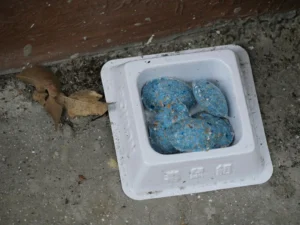
Here’s the critical point: poison can stop being active for pest control long before it stops being active as a toxin. A poison that’s only 50% as strong as when it was new might not kill rats effectively anymore, but it can still make your dog very sick or kill your cat.
When manufacturers put expiration dates on rat poison, they’re telling you when the product might stop working well for killing rats. They’re not telling you when it becomes safe or non-toxic.
This distinction matters enormously for safety. People often assume expired poison is harmless and get careless with storage and disposal. That’s a dangerous mistake.
How Different Types of Poison Degrade
Not all rat poisons degrade at the same rate. The chemical composition determines how stable the poison is over time.
| Type of Rat Poison | Active Ingredient(s) | Approximate Persistence After Expiration | How It Degrades |
|---|---|---|---|
| First-generation anticoagulants | Warfarin, diphacinone, chlorophacinone | 3–5+ years | Break down slowly over time |
| Second-generation anticoagulants | Brodifacoum, bromadiolone | 3–5+ years | Break down slowly over time |
| Bromethalin | Bromethalin | 3–5+ years | Relatively slow chemical degradation |
| Zinc phosphide | Zinc phosphide | 2–3+ years | Reacts with moisture and gradually breaks down |
| Cholecalciferol (Vitamin D3) | Cholecalciferol | 3–5+ years | Breaks down relatively slowly |
| Bait material | Grain, wax, pellets, etc. | Varies | Physical bait can deteriorate before the active ingredient |
Anticoagulant poisons (brodifacoum, bromadiolone, diphacinone, warfarin) are relatively stable chemicals. They break down slowly. In proper storage, they can remain toxic for 3 to 5 years or even longer past their expiration date.
First-generation anticoagulants (warfarin, diphacinone, chlorophacinone) are slightly less stable than second-generation types, but the difference isn’t huge. Both remain dangerous for years.
Bromethalin is a neurotoxin that’s quite stable. It can remain toxic for years past its expiration date if stored in cool, dry conditions. Heat and moisture speed up degradation, but it’s still a long-lasting poison.
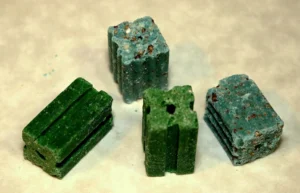
Zinc phosphide degrades faster than anticoagulants or bromethalin, especially in humid conditions. Moisture causes it to react and release phosphine gas, which is what makes it toxic.
But even degraded zinc phosphide can still produce toxic gas for 2 to 3 years or more past expiration.
Cholecalciferol (Vitamin D3) rat poison is fairly stable and can remain toxic for years. It doesn’t break down quickly even in less-than-ideal storage conditions.
The base material (grain, wax, pellets) can degrade faster than the active ingredient. You might find rat poison where the pellets have crumbled or the wax has separated, but the actual poison chemical is still active inside that degraded material.
Shelf Life in Unopened Containers
Proper storage in unopened containers gives rat poison its longest active life. Understanding shelf life helps you know whether old poison is still useful or needs to be replaced.
Most rat poison manufacturers guarantee effectiveness for 2 to 4 years from the manufacturing date when stored unopened in a cool, dry location. Check the label for the specific expiration date or manufacturing date.
“Cool and dry” typically means temperatures between 40°F and 80°F with low humidity. A climate-controlled basement or garage works well. Hot attics or damp crawl spaces are poor storage locations.
Unopened containers protect poison from air, moisture, and light, all of which speed up degradation. The seal also prevents contamination that could affect the poison’s stability.
Even after the expiration date, unopened rat poison usually remains significantly toxic. It might not kill rats as quickly or reliably as fresh poison, but it’s still dangerous to pets and people.
Some professional-grade rat poisons have longer shelf lives than consumer products. They might be guaranteed effective for 4 to 5 years. Check the specific product label.
If you find unopened rat poison with no readable date, it’s hard to know how old it is. When in doubt, don’t use it for pest control, but still treat it as fully toxic for safety purposes. Dispose of it properly.
Active Life Once Deployed Outdoors
Once you put rat poison outside in bait stations, it starts degrading much faster than it would in sealed storage. Outdoor conditions are harsh on poison.
Rain and snow are the biggest factors. Even in covered bait stations, moisture can get in. Water breaks down pellets, dissolves poison coatings on grain baits, and can wash poison away entirely.
Most outdoor rat poison is designed to be somewhat weather-resistant, but “resistant” doesn’t mean “waterproof.” In rainy climates, outdoor bait might need replacing every 2 to 4 weeks.
In dry climates, outdoor bait lasts longer, potentially 2 to 3 months. But sun exposure and temperature swings still degrade it faster than indoor storage.
Temperature extremes accelerate degradation. Bait that freezes and thaws repeatedly breaks down faster. Bait in hot sun degrades faster than bait in shade.
Mold and fungus can grow on grain-based baits in humid outdoor conditions. Moldy bait is less appealing to rats and might be less effective, but the poison is usually still active and dangerous.
Insects can infest grain-based outdoor baits. Ants, beetles, and other bugs might carry away small amounts of poison, spreading contamination beyond the bait station.
Check outdoor bait stations at least every 2 to 4 weeks. If the bait looks degraded, moldy, or significantly weathered, replace it even if rats haven’t eaten it all.
Active Life When Deployed Indoors
Indoor rat poison stays active much longer than outdoor bait because it’s protected from weather. Indoor conditions are more stable.
In dry indoor locations like attics, basements, or inside wall voids, rat poison can remain effective for 6 months to over a year. Some products claim even longer effectiveness indoors.
The poison doesn’t disappear or evaporate. If rats aren’t eating it, it just sits there remaining toxic for months.
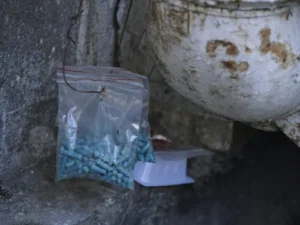
Humidity affects indoor bait too, though less dramatically than outdoors. In damp basements or crawl spaces, bait degrades faster than in dry areas. Expect 3 to 6 months of effectiveness in humid indoor spaces.
Temperature matters indoors too. Bait in hot attics (which can reach 140°F in summer) degrades faster than bait in temperature-controlled areas.
Even when indoor bait becomes less effective at attracting or killing rats (maybe because it’s dried out or lost its scent), the toxic chemicals remain active. A dried-out pellet can still poison a pet that eats it.
Dust accumulation can make bait less appealing to rats over time, but doesn’t reduce toxicity. A dusty poison pellet is still a poison pellet.
If you’re using long-term monitoring stations indoors, check and replace bait every 3 to 6 months even if it looks fine. Fresh bait is more attractive to rats.
How Do Storage Conditions Affect Longevity?
The way you store rat poison, both before and during use, dramatically impacts how long it stays active.
Cool temperatures slow down chemical degradation. Poison stored at 50°F stays potent much longer than poison stored at 90°F. If you have climate-controlled storage, use it.
Dry conditions prevent poison from breaking down. Moisture is the enemy. Store containers in areas with low humidity. Use desiccant packs in storage areas if humidity is a problem.
Dark storage is better than light exposure. UV light from sun can break down some poison chemicals. Keep containers in dark cabinets or covered areas, not on shelves exposed to sunlight.
Sealed containers are essential. Once you open a poison container, air exposure starts degrading the product faster. Reseal containers tightly after each use.
Original containers are best. Don’t transfer poison to other containers unless absolutely necessary. Original containers are designed to protect the product. Random plastic containers might not seal as well.
Keep containers off the ground. Concrete floors can be cold and damp. Put containers on shelves or pallets to avoid ground moisture.
Store away from chemicals. Some chemicals can react with or accelerate degradation of rat poison. Keep poison away from fertilizers, pesticides, and cleaning products.
Don’t store in vehicles. Cars and trucks experience huge temperature swings that degrade poison quickly. If you must transport poison, do it promptly and then move it to proper storage.
Signs That Rat Poison Has Degraded
Sometimes you can tell by looking at rat poison that it’s degraded and less effective, even though it’s still toxic.
Pellets that have crumbled into powder or dust have degraded. The binding agents have broken down. Rats are less likely to eat powder, but the poison is still dangerous.
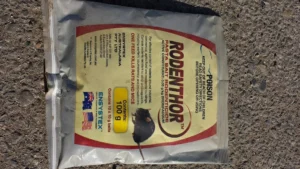
Discoloration can indicate degradation. If bright blue pellets have faded to gray or yellow pellets have turned brown, chemical changes have occurred. Effectiveness might be reduced.
Mold growth on grain-based baits means moisture got in and the product has degraded. Moldy bait is less attractive to rats, but the poison chemical might still be present.
Blocks that have separated or become crumbly have degraded. The wax or binding material has broken down, usually from heat or age.
Strong off odors (beyond the normal smell of the product) can indicate degradation. Chemical breakdown sometimes creates different smells.
Liquid baits that have separated into layers or formed sediment have degraded. The suspension has failed, but the poison might still be present in the liquid.
Dried-out products that were supposed to be moist have lost their appeal to rats, though the poison remains.
However, poison that looks perfectly fine might have degraded too. You can’t always tell by appearance. When in doubt, replace old bait with fresh product.
How Long Does Poison Stay Active in Dead Rats?
Understanding how long poison remains active in a dead rat’s body is critical for secondary poisoning risk to pets and wildlife.
With second-generation anticoagulants (brodifacoum, bromadiolone), the poison can persist in a dead rat’s liver and tissues for weeks or even months. These chemicals are very stable and don’t break down quickly.
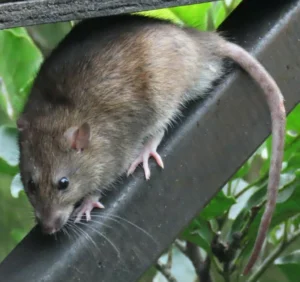
A cat that eats a rat that died 2 weeks ago from brodifacoum can still be poisoned. The poison in the rat’s liver is still active.
First-generation anticoagulants (diphacinone, warfarin) break down faster. They might remain toxic in a dead rat’s body for days to a couple of weeks, but not as long as second-generation types.
Bromethalin can remain active in a dead rat for days to weeks. It persists in fatty tissues and the nervous system.
Zinc phosphide is different. Once the rat dies and digestion stops, no more phosphine gas is produced. A rat that died days ago from zinc phosphide is much less likely to poison a predator than a rat that just ate the bait and is still alive or recently dead.
Decomposition doesn’t necessarily destroy the poison. Even partially decomposed rats can contain active poison chemicals in their remaining tissues.
This is why secondary poisoning is such a serious problem. Predators don’t just eat rats that died minutes ago. They’ll eat dead rats they find, and those rats might still contain lethal amounts of poison.
Factors That Speed Up Degradation
Certain conditions make rat poison degrade faster, reducing its effectiveness for pest control though not necessarily its toxicity.
High heat is a major factor. Temperatures above 85°F speed up chemical breakdown significantly. Poison in hot attics or vehicles degrades much faster than poison in cool basements.
Direct sunlight causes UV degradation. Even through windows, UV light breaks down some poison chemicals. Store poison in dark locations.
High humidity accelerates degradation, especially for grain-based and pellet baits. Moisture causes pellets to swell and crumble, breaks down binding agents, and can cause mold growth.
Repeated freeze-thaw cycles break down the physical structure of baits. Water in the bait expands when frozen, causing cracking and crumbling.
Air exposure speeds degradation of some poison types. This is why resealing containers tightly after each use matters.
Contamination with other chemicals can cause reactions that degrade poison. Keep rat poison away from other pesticides, fertilizers, and cleaning products.
Physical damage to pellets or blocks exposes more surface area to air and moisture, speeding degradation. Handle bait carefully to avoid crushing or breaking it.
Time itself degrades all poisons eventually, even in perfect conditions. Chemical bonds break down, ingredients separate, and potency decreases over years.
How to Tell if Old Poison Is Still Dangerous
People often find old rat poison and wonder if it’s still dangerous or if it’s degraded enough to be harmless. Here’s how to evaluate it.
First, assume it’s dangerous until proven otherwise. This is the safe default position. Even severely degraded poison can still contain toxic chemicals.
Check for an expiration date. If the poison is past its expiration date, it might not work well for killing rats anymore, but it can absolutely still poison pets and children.
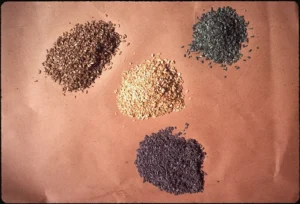
Look at the active ingredient on the label. Some poisons (like anticoagulants) stay toxic for years past expiration. Others (like zinc phosphide) degrade faster but are still dangerous for years.
Consider storage conditions. Poison stored in a cool, dry garage is more likely to still be potent than poison that was in a hot, damp shed for five years.
Don’t taste it or touch it to test it. This seems obvious, but people do incredibly dangerous things sometimes. Never test poison by exposing yourself to it.
If you’re unsure, treat it as fully active and dangerous. Dispose of it properly through a hazardous waste program. Don’t just throw it in the trash assuming it’s too old to matter.
Remember that “not effective for killing rats” and “not dangerous” are completely different things. The bar for causing illness or death in a 10-pound cat is much lower than the bar for killing a 1-pound rat.
Conclusion
Rat poison remains active for 2 to 4 years in unopened containers stored properly. Once deployed, outdoor bait degrades in weeks to months due to weather, while indoor bait can stay active for 6 months to over a year.
The critical point is that poison can stop being effective for killing rats long before it stops being toxic to pets and children. Even expired poison can remain dangerous for years.
Store rat poison in cool, dry, dark locations in sealed containers. Replace deployed bait regularly (every 2-4 weeks outdoors, every 3-6 months indoors). Dispose of old or unwanted poison through hazardous waste programs, never in regular trash.
For safety and environmental reasons, consider using snap traps or exclusion methods instead of poison. These alternatives don’t create long-term toxicity risks.

Hi, my name is Ezra Mushala, i have been interested animals all my life. I am the main author and editor here at snakeinformer.com.