
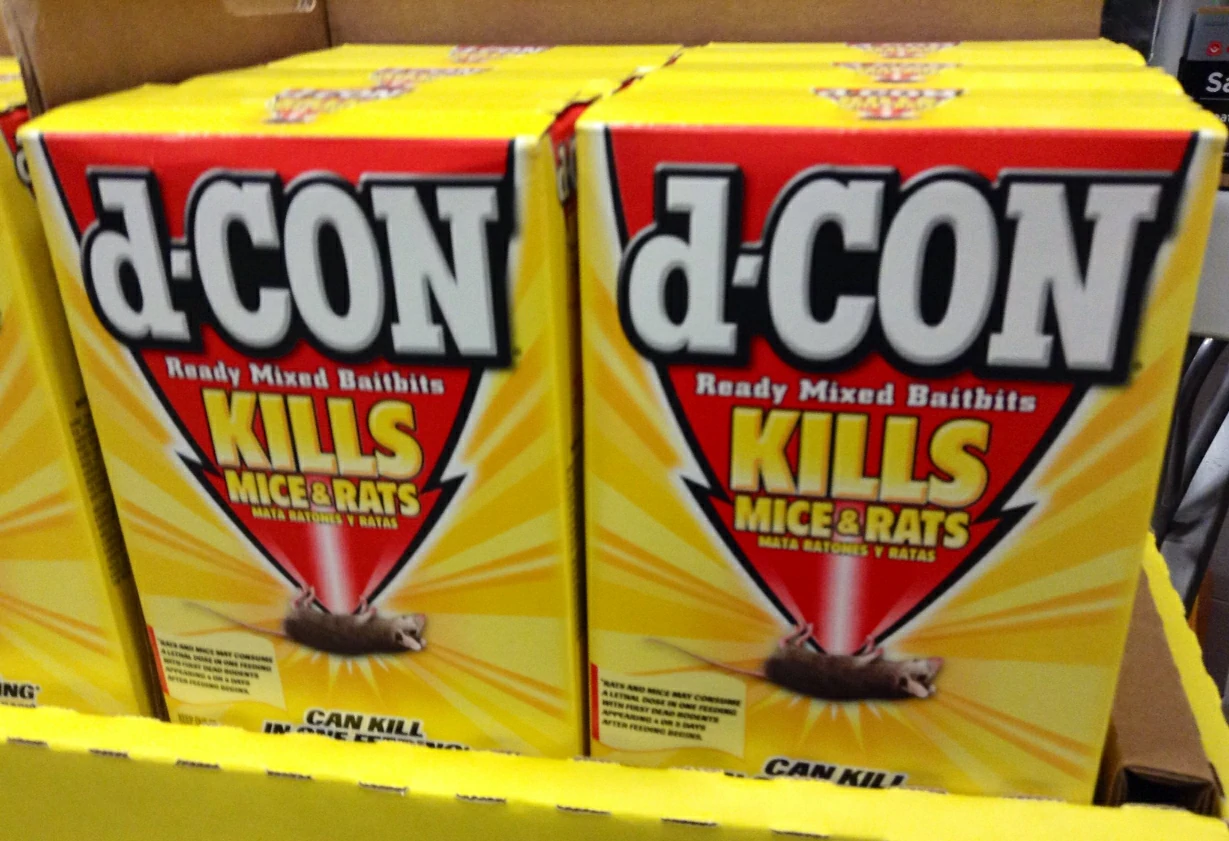
When you’re dealing with rats, you might notice that rat poison comes in different colors including green. The color isn’t random, it serves specific purposes for identification and safety. What rat poison is green, and why does color matter?
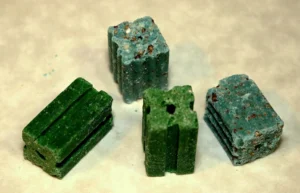
Several rat poison brands use green coloring including JT Eaton’s Bait Blocks, Tomcat’s All-Weather Bait Chunx, and various d-CON products. The green color comes from added dye that helps distinguish the poison from food, makes it easier to track consumption, and assists in identifying poisoning cases in pets or children. The color itself has no effect on how the poison works, only the active ingredient determines effectiveness.
Understanding which green rat poisons exist and why they’re colored helps you choose the right product and use it safely around your home.
Why Rat Poison is Colored Green (or Any Color)
Manufacturers add dyes to rat poison for several important safety and practical reasons.
The bright color distinguishes poison from food. If rat bait looked like regular food or animal feed, the risk of accidental consumption by people and pets would be much higher.
Medical professionals and veterinarians need to know what was ingested in poisoning cases. If a child eats something green, parents can tell doctors it might be rat poison, which helps with diagnosis and treatment.
Green dye helps you track whether rats are eating your bait. If you see green droppings or green residue on the floor near your bait stations, you know rats are consuming the poison.
Color coding helps people remember to wash their hands after handling poison. Bright, unnatural colors remind you that you’re dealing with a chemical product that needs careful handling.
Some manufacturers use specific colors to differentiate product lines. Green might indicate one formulation while blue indicates another, making it easier to remember which product you’re using.
Common Green Rat Poison Brands and Products
Several major rat poison manufacturers produce green-colored products. Here are the most commonly found green rat poisons.
JT Eaton Bait Blocks
JT Eaton produces several green rat poison products. Their Bait Blocks come in bright green and contain difethialone, a second-generation anticoagulant.
These blocks are designed for use in bait stations. The green color makes them very visible when you’re checking stations to see if bait has been consumed.
JT Eaton’s green products are popular with professional pest control operators because of their effectiveness and the clear visual indicator of consumption.
Tomcat All-Weather Bait Chunx
Tomcat’s All-Weather Bait Chunx are often green, though they also come in other colors depending on the specific formula. The green version typically contains bromadiolone as the active ingredient.
These chunx are designed to withstand outdoor weather conditions. The green color helps you spot them if they’re knocked out of bait stations by animals or weather.
Tomcat green bait is widely available in hardware stores and home improvement centers, making it one of the most commonly encountered green rat poisons.
d-CON Products
Some d-CON rat poison formulations are green. The company has produced both green pellets and green bait blocks over the years.
d-CON products often use brodifacoum or bromadiolone as active ingredients. The green color has been part of their product identity for certain product lines.
It’s worth noting that d-CON has faced regulatory pressure and reformulated some products, so current green d-CON products might be different from older versions.
Kaput Rat & Mouse Bait
Kaput produces green rat bait blocks that contain warfarin, a first-generation anticoagulant. These are less common in retail stores but used by professionals and in agricultural settings.
The green blocks are designed to be highly palatable to rats while being easy for humans to identify and track.
Generic and Store Brands
Many store-brand rat poisons are green. Hardware stores, farm supply stores, and big-box retailers often sell house-brand rat poisons that are green to match consumer expectations about what rat poison looks like.
These generic products may use various active ingredients but follow the same coloring conventions as name brands.
Green Rat Poison Product Comparison Table
| Brand/Product | Color | Active Ingredient | Type | Form | Typical Use |
|---|---|---|---|---|---|
| JT Eaton Bait Block | Bright green | Difethialone | 2nd gen anticoagulant | Solid blocks | Professional/residential |
| Tomcat All-Weather Chunx | Green | Bromadiolone | 2nd gen anticoagulant | Chunx/blocks | Residential outdoor |
| d-CON Bait Pellets (older formulas) | Green | Brodifacoum or Bromadiolone | 2nd gen anticoagulant | Pellets/blocks | Residential |
| Kaput Rat Bait | Green | Warfarin | 1st gen anticoagulant | Blocks | Professional/agricultural |
| Havoc Rodenticide Bait | Green | Brodifacoum | 2nd gen anticoagulant | Blocks | Professional/commercial |
| RatX (non-toxic alternative) | Sometimes green | Corn gluten, salt | Non-poison | Pellets | Pet-safe residential |
| Generic store brands | Often green | Varies (check label) | Varies | Pellets/blocks | Residential |
Does the Green Color Affect How Rat Poison Works?
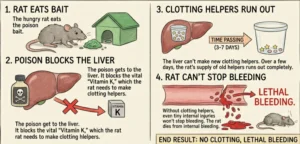
The color of rat poison has absolutely no effect on its toxicity or effectiveness. The active chemical ingredient is what kills rats, not the dye.
A green rat poison and a blue rat poison with the same active ingredient (for example, bromadiolone) will work exactly the same way. The only difference is the color of the bait.
The dye used in rat poison is FDA-approved and safe for the intended use. It’s the same type of food coloring used in many products, just added to poison to make it visually distinctive.
Some people worry that green poison is stronger or more toxic than other colors. This isn’t true. Check the active ingredient and its concentration to determine how powerful a poison is, not the color.
Rats don’t care what color the bait is. They can’t see colors the same way humans do, and they choose food based on smell and taste, not appearance.
The effectiveness of rat poison depends on the active ingredient (what chemical it uses), the concentration of that chemical, and how attractive the bait is to rats. Color plays no role in any of these factors.
How to Identify Green Rat Poison if a Pet or Child Eats It
If someone or something eats green rat poison, identifying the specific product is critical for proper treatment.
Look for the product packaging if it’s still available. The label contains the active ingredient, which is the most important information for medical treatment.
If you don’t have the package, look for any remaining bait. The shape, size, and exact shade of green can help narrow down which product it might be.
Check for green staining in the mouth, on hands, or in vomit. This confirms that a green substance was eaten and helps doctors identify it as likely rat poison.
Tell medical professionals or veterinarians that the substance was bright green and likely rat poison. They can test for anticoagulants and other common rat poison ingredients.
If possible, save a sample of the green material (or take a clear photo). This helps with identification if the packaging is lost or the specific product is unclear.
Search your home for rat poison containers. Check garages, sheds, basements, and under sinks. Finding the container gives you the exact product information needed.
Contact the manufacturer’s emergency number if it’s on any packaging you find. They can provide specific information about that product’s ingredients and toxicity.
Safety Considerations When Using Green Rat Poison
The bright green color helps prevent accidents, but you still need to handle green rat poison carefully.
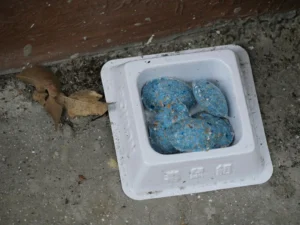
Always use tamper-resistant bait stations when putting out green rat poison. The stations prevent children and pets from accessing the poison even though the color makes it obvious that it’s not food.
Don’t transfer green rat poison to containers that might be mistaken for food. Keep it in original packaging so anyone who sees it knows immediately what it is.
Wash your hands after handling green rat poison, even though the color makes contamination obvious. The dye on your hands reminds you to wash, but make sure you actually do it thoroughly.
If you see green particles or residue anywhere outside of bait stations, clean it up immediately. Rats might have scattered or dropped the bait where children or pets can reach it.
Keep green rat poison locked away from children. The bright color might actually attract curious kids who think it looks like candy or a toy.
Tell anyone who might encounter your bait stations (family members, roommates, neighbors) that you’re using green rat poison. This awareness helps everyone watch for signs of accidental exposure.
If pets or children are present, consider whether green poison is the best choice. While the color helps with identification, it doesn’t prevent all accidents. Evaluate whether alternatives like snap traps might be safer for your situation.
Green Rat Poison Versus Other Colors
Rat poison comes in several colors besides green including blue, red, purple, and black. The color choice is usually just manufacturer preference.
Blue rat poison is extremely common and works exactly the same as green poison if they have the same active ingredient. Blue dye is used for the same identification and tracking purposes as green.
Red or pink rat poison is less common but still found in some products. The red color might be intended to look like meat or food to rats, but it’s primarily for human identification.
Purple rat poison exists in a few product lines. Again, the color is just a marker and has no effect on how the poison works.
Black or dark brown rat poison is sometimes used in products designed to look less conspicuous. These are often formulated to mimic natural food sources in color while still containing dye for identification.
Some newer “pet-safe” or non-toxic rat control products use green coloring to look like traditional rat poison while actually containing different ingredients (like corn gluten or plant-based materials that are less toxic).
The trend in recent years has been toward brighter, more obvious colors (bright green, bright blue) to maximize safety through easy identification. Manufacturers want it very clear that the product is poison and not food.
Checking the Active Ingredient is More Important Than Color
When choosing or identifying rat poison, the active ingredient matters much more than the color.
Turn the package over and read the active ingredient section. This tells you exactly what chemical is in the product and at what concentration.
Common active ingredients include bromadiolone, brodifacoum, difethialone (second-generation anticoagulants), warfarin (first-generation anticoagulant), bromethalin (neurotoxin), and cholecalciferol (vitamin D3).
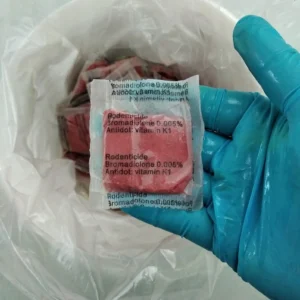
The concentration matters too. A product with 0.005% brodifacoum is much less concentrated than one with 0.05% brodifacoum, even if they’re both green and both contain brodifacoum.
Second-generation anticoagulants (brodifacoum, bromadiolone, difethialone) are more toxic than first-generation anticoagulants (warfarin, chlorophacinone). This difference in active ingredient is much more important than whether the bait is green or blue.
If someone is poisoned, doctors need to know the active ingredient, not just the color. “Green rat poison” doesn’t tell them what antidote to use or what symptoms to expect.
When buying rat poison, choose based on what active ingredient you want and what the target pest is. Then notice the color for tracking purposes, but don’t make your decision based on color alone.
Is Green Rat Poison More Toxic Than Other Colors
This is a common misconception. The color of rat poison has no relationship to how toxic it is.
What makes rat poison toxic is the active chemical ingredient, not the dye used to color it. A green poison and a blue poison with the same active ingredient are equally toxic.
Some people assume darker or brighter colors mean stronger poison. This isn’t true. Read the active ingredient and concentration to determine toxicity.
The lethal dose of rat poison depends entirely on the chemical used and its concentration. Color is irrelevant to lethality.
If you’re trying to choose a less toxic option for your home, look for products with first-generation anticoagulants (like warfarin) instead of second-generation ones (like brodifacoum), or consider non-toxic alternatives. Don’t choose based on color.
Medical treatment for rat poison ingestion is based on the active ingredient, not the color. Green poison, blue poison, and red poison with the same active ingredient all require the same treatment.
Green “Rat Poison” That Isn’t Actually Poison
Some products marketed for rat control are green but don’t contain traditional poison chemicals.
RatX is a green pellet product that kills rats through dehydration and changes in their digestive system rather than through toxic chemicals. It uses corn gluten and salt as active ingredients.
These products are marketed as “pet safe” because they’re much less toxic to dogs and cats than traditional anticoagulant or neurotoxin rat poisons.
The green color is used to make these products look similar to traditional rat poison so people recognize them as rodent control products.
If you find green rat control material and want to know if it’s actual poison or a less-toxic alternative, read the active ingredient. Products without anticoagulants, bromethalin, or cholecalciferol are likely the less-toxic alternatives.
Even these “safer” green rat control products can make pets sick if eaten in large quantities, so they should still be kept away from pets and children.
Conclusion
Several rat poison brands produce green products including JT Eaton Bait Blocks, Tomcat All-Weather Bait Chunx, various d-CON formulations, and many store brands. The green color comes from added dye used for identification and safety, not from the active ingredient.
The color of rat poison doesn’t affect how toxic or effective it is. What matters is the active ingredient (bromadiolone, brodifacoum, difethialone, etc.) and its concentration. Green poison with bromadiolone works exactly the same as blue poison with bromadiolone.
If someone or a pet eats green rat poison, identifying the specific product and active ingredient is critical for proper treatment. Save the packaging, note the exact appearance of the green bait, and provide this information to medical professionals or veterinarians immediately.

Hi, my name is Ezra Mushala, i have been interested animals all my life. I am the main author and editor here at snakeinformer.com.