
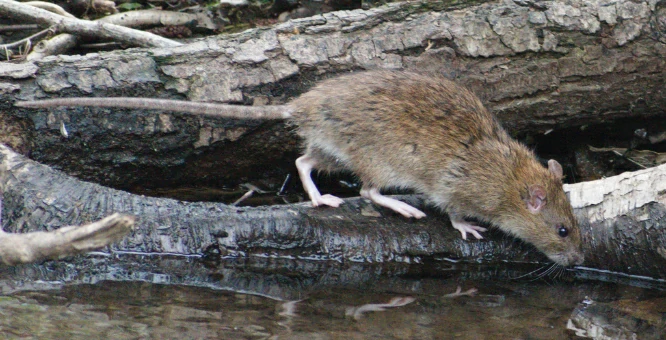
If you’re dealing with rats on a farm, you know how quickly these pests can destroy crops, contaminate feed, and spread disease.
Farmers need strong, reliable solutions that work fast and handle large infestations. But with so many rat poisons on the market, it can be hard to know which ones actually work for agricultural settings. So what rat poison do farmers use?
Farmers typically use anticoagulant rodenticides like bromadiolone, brodifacoum, and diphacinone because they’re effective for large-scale infestations, cost-efficient for big properties, and available in bulk quantities that make sense for farm operations.
These poisons work by stopping blood clotting in rats, causing internal bleeding that kills them over several days.
Farmers prefer them because one feeding is usually enough to kill a rat, and they can cover large areas like barns, grain storage, and fields without constant reapplication.
Why Farmers Choose Anticoagulant Poisons
Anticoagulants are the go-to choice for farms because they handle the reality of agricultural pest control.
When you’re managing hundreds or thousands of acres, you can’t mess around with traps or poisons that need multiple feedings.
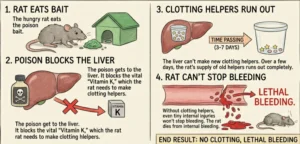
These poisons are what’s called “second generation” anticoagulants, which means they’re much stronger than the old warfarin-based products from decades ago. Rats only need to eat the bait once to get a lethal dose.
Farmers also like that these poisons don’t cause bait shyness. When a rat eats the poison, it doesn’t get sick right away, so it doesn’t learn to avoid the bait.
This is really important when you’re trying to wipe out an entire population.
Common Rat Poisons Used on Farms
Here’s a breakdown of the most popular rat poisons farmers actually use in real agricultural settings:
| Active Ingredient | Brand Examples | Form Available | Best For | Single Feed Kill |
|---|---|---|---|---|
| Bromadiolone | Maki, Contrac, Hawk | Blocks, pellets, place packs | General farm use, barns, storage | Yes |
| Brodifacoum | Havoc, Talon, Final | Blocks, pellets | Heavy infestations, grain storage | Yes |
| Difethialone | Blue Max, Generation | Blocks, pellets | Outdoor use, field edges | Yes |
| Diphacinone | Ramik, Kaput | Pellets, place packs | Around livestock areas | No (needs multiple feedings) |
| Difenacoum | Ratak, Surefire | Blocks, pellets | Wet areas, all weather | Yes |
| Chlorophacinone | Rozol | Pellets, tracking powder | Field rodents, ground squirrels | No (needs multiple feedings) |
The table shows you exactly what’s being used out there. Bromadiolone and brodifacoum dominate because they just work better than anything else for the kind of rat problems farms deal with.
Bromadiolone: The Farm Standard
Bromadiolone is probably the most common poison you’ll find on farms. It’s been around since the 1970s and has a solid track record for knocking out rat populations fast.
This poison comes in blocks that farmers can place in bait stations around barns, grain bins, chicken coops, and equipment sheds.
The blocks are weather-resistant, so they don’t fall apart when they get wet.
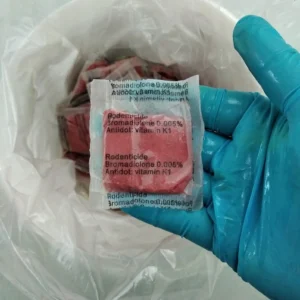
One block usually contains enough poison to kill several rats. Farmers like this because it means less labor, you’re not out there replacing bait every few days.
The death timeline is pretty predictable. Rats that eat bromadiolone usually die within 4 to 7 days. This delayed death is actually a good thing because it prevents bait shyness in the rest of the population.
Brodifacoum: For Serious Infestations
When farmers have a really bad rat problem, they often reach for brodifacoum. This is one of the strongest anticoagulants available, and it doesn’t mess around.
Brodifacoum is more toxic than bromadiolone, which means rats need to eat less of it to die. This makes it perfect for situations where rats have plenty of other food sources and might not eat much bait.
Grain storage facilities use brodifacoum a lot because that’s where the worst infestations happen. R
ats love grain, and they’ll set up massive colonies if you let them.
The downside is that brodifacoum is also more dangerous to other animals. Farmers have to be really careful about placement and making sure livestock, pets, and wildlife can’t get to it.
Why Pellets vs. Blocks Matters on Farms
The form of the poison actually makes a big difference in how well it works on a farm. Blocks and pellets each have their place depending on what you’re dealing with.
Blocks are better for permanent bait stations that stay in one spot. They’re wax-based, so they hold up in barns and sheds even when it’s humid.
Rats have to gnaw on them, which means they’re less likely to scatter the bait everywhere.
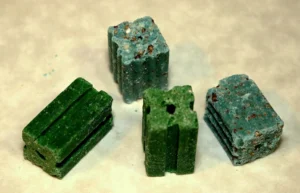
Pellets work better when you need to cover a lot of ground fast. Farmers can spread them along fence lines, field edges, and around the perimeter of buildings.
They’re also good for getting poison into burrows and tight spaces where you can’t fit a bait station.
Place packs are becoming more popular too. These are sealed packets of poison that rats chew through.
Farmers like them because they’re cleaner and you can tell if rats have been eating them.
How Farmers Apply Rat Poison Safely
Farms have unique challenges when it comes to poison application. You’ve got livestock, working dogs, cats that control mice, wild birds, and all kinds of other animals moving through the property.
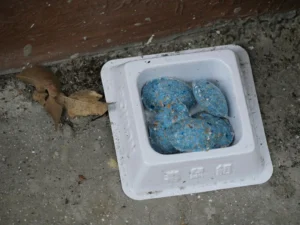
Most farmers use tamper-resistant bait stations for this reason. These are locked boxes that only rats can get into. The openings are too small for chickens, dogs, or cats to access the poison inside.
Bait stations get placed along walls, near entry points to buildings, and anywhere you see rat droppings or gnaw marks.
Rats like to run along edges, so that’s where the stations go.
Farmers also rotate their poisons sometimes. If you use the same active ingredient year after year, you can end up with resistant rat populations. S
witching between bromadiolone and brodifacoum helps prevent this.
First Generation vs. Second Generation: What’s the Difference?
You’ll hear these terms thrown around, and they’re actually really important for understanding why farmers use what they use.
First generation anticoagulants include warfarin, chlorophacinone, and diphacinone.
These require multiple feedings over several days to kill a rat. They’re weaker and take longer to work.
Second generation anticoagulants include bromadiolone, brodifacoum, and difethialone.
These are much stronger. One feeding is usually enough to deliver a lethal dose.
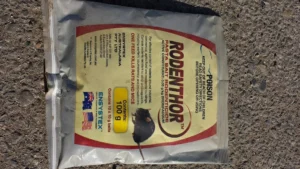
Farmers almost always go with second generation because it’s just more practical. You can’t guarantee rats will come back to eat the same bait multiple times, especially when there’s other food around.
The trade-off is that second generation poisons are more dangerous to non-target animals. They stay in a rat’s body longer, which means if an owl or hawk eats a poisoned rat, they can get poisoned too.
How Do Farmers Buy Rat Poison?
Farms go through a lot of rat poison, way more than a homeowner ever would. That’s why farmers buy in bulk from agricultural supply companies, not hardware stores.
A typical farm might order 50-pound buckets of bait blocks or pellets at a time. This brings the cost way down compared to buying small boxes.
Agricultural co-ops and farm supply stores sell commercial-grade products that aren’t always available to regular consumers.
These products come in larger quantities and higher concentrations.
Some farmers also work with pest control companies that service agricultural accounts. These companies provide bait stations, refill them regularly, and monitor rat activity as part of a contract.
Where Do Famers Use The Most Poison?
If there’s one place on a farm where rat poison gets used heavily, it’s around grain storage. Rats can destroy thousands of dollars worth of grain in a season.
Grain bins, silos, and storage sheds create perfect conditions for rats. There’s unlimited food, shelter from weather, and places to nest.
Without aggressive poisoning, rat populations explode.
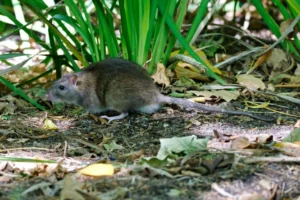
Farmers set up bait stations around the perimeter of grain storage before harvest even starts. This creates a barrier that kills rats before they can move in.
Inside storage buildings, bait gets placed along walls and near any cracks or holes where rats might enter. The goal is to intercept them before they reach the grain.
Some farmers also use tracking powder in these areas. This is a poison dust that sticks to rats’ feet and fur.
When they groom themselves, they ingest it and die.
Livestock Areas Need Extra Caution
Using rat poison around livestock takes extra planning because you can’t risk animals like cows, pigs, chickens, or horses getting into it.
Tamper-resistant bait stations are mandatory in these areas. They have to be secured so they can’t be knocked over or broken open by curious animals.
Farmers usually choose diphacinone for livestock areas because it’s slightly less toxic than the second generation options. It requires multiple feedings, but the trade-off is worth it for the added safety.
Barn cats are another consideration. A lot of farms keep cats specifically to control mice and young rats.
If those cats eat poisoned rats, they can get sick or die. This is called secondary poisoning.
Field Edges and Outdoor Areas
Rats don’t just live in buildings. They also burrow in field edges, fence lines, ditches, and brush piles. Controlling these outdoor populations requires different tactics.
Pellet baits work better outdoors because you can broadcast them over larger areas. Place packs also work well because they’re weather-resistant and rats can drag them into burrows.
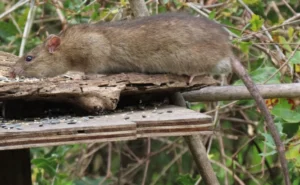
Chlorophacinone is commonly used for field rodents like ground squirrels and voles, which cause different problems than Norway rats or roof rats.
It comes in pelleted form that can be spread with equipment.
Outdoor baiting has to account for rain, snow, heat, and wildlife. Farmers check and replace outdoor bait more often because weather breaks it down faster.
Environmental and Wildlife Concerns
Modern farmers are more aware of how rat poison affects the environment than ever before. Anticoagulants don’t just kill rats, they can work their way up the food chain.
Raptors like owls, hawks, and eagles eat poisoned rats and can die from secondary poisoning. This has become a real problem in agricultural areas where second generation poisons are used heavily.
Some farmers are switching to barn owl boxes and other natural predator solutions to reduce poison use. A family of barn owls can eat hundreds of rats per year without any poison involved.
There’s also growing concern about poison getting into water sources. Pellets that wash into streams or ponds can poison fish and other aquatic life.
What Regulations Do Farmers Have to Follow?
Using rat poison on farms isn’t completely unregulated. There are rules about how these products can be applied, especially for second generation anticoagulants.
In many states, brodifacoum and other strong poisons can only be used by certified applicators or under specific conditions.
Farmers might need a pesticide license depending on the scale of use.

Labels on agricultural rat poisons have strict instructions about placement, distance from water sources, and how to dispose of dead rats.
Violating these rules can result in fines.
The EPA has also restricted some uses of second generation anticoagulants to reduce environmental harm.
This mainly affects residential use, but it impacts what products farmers can buy too.
Cost Considerations for Farm-Scale Poisoning
Rat control is a significant expense for farms, but it’s way cheaper than the damage rats cause if you don’t control them.
A 50-pound bucket of bromadiolone bait blocks costs around $150 to $250 depending on the brand.
That might sound expensive, but it can last a whole season for a medium-sized farm.
Bait stations add to the cost. A good tamper-resistant station runs $15 to $40 each, and a farm might need 20 or 30 of them placed strategically.
Some farmers factor in the cost of hiring pest control services. Professional service contracts for farms typically run $500 to $2,000 per year depending on property size and rat pressure.
Alternatives Farmers Sometimes Use
Not every farmer relies 100% on poison. Some integrate other methods to reduce how much poison they need.
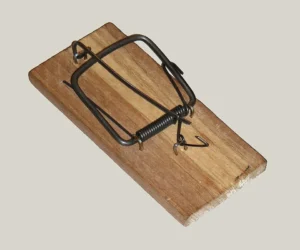
Traps work for low-level rat problems or in areas where poison isn’t safe to use. Snap traps are cheap and reusable, but they’re labor-intensive for large properties.
Electronic traps that electrocute rats are becoming more popular in barns and equipment sheds. They’re cleaner than poison and there’s no risk of secondary poisoning.
Some organic farms can’t use synthetic poisons at all. They rely on cats, barn owls, terriers, and aggressive exclusion work to keep rats under control.
Exclusion means sealing up buildings so rats can’t get in. This includes fixing holes, installing door sweeps, and removing anything rats can nest in. It’s time-consuming but really effective.
Signs It’s Time to Put Out Poison
Farmers don’t just throw out poison randomly. They look for specific signs that rats are becoming a problem.
Droppings are the most obvious sign. Fresh rat droppings are dark and shiny. If you’re seeing them daily, you’ve got an active infestation.
Gnaw marks on wood, plastic, or wiring mean rats are living nearby. They gnaw constantly to keep their teeth from growing too long.
Tracks in dust or mud show you where rats are traveling. You can even put out tracking patches (flour or baby powder) to see their routes.
Burrows around buildings or in field edges are another clear sign. Norway rats dig extensive tunnel systems that can undermine foundations.
How Long Does Farm Rat Poison Last?
Rat poison doesn’t last forever, especially in agricultural settings where it’s exposed to heat, cold, moisture, and pests.
Most bait blocks stay effective for several months if they’re kept dry and protected in bait stations. Once they get wet or moldy, rats won’t eat them anymore.
Pellets break down faster, especially outdoors. Rain, snow, and humidity turn them into mush within weeks. That’s why farmers have to replace outdoor pellet bait regularly.
Unopened poison stored properly can last 1 to 2 years. The active ingredient doesn’t break down quickly, but the bait matrix that makes it attractive to rats does deteriorate.
Farmers should always check the manufacture date and use the oldest stock first. Rotating inventory prevents waste and makes sure the poison you’re putting out is fresh.
Conclusion
Farmers rely on powerful anticoagulant rodenticides like bromadiolone and brodifacoum because they work efficiently for large-scale rat control on agricultural properties.
These second generation poisons kill rats with a single feeding, which is critical when you’re managing barns, grain storage, livestock areas, and field edges across hundreds of acres.
The choice between blocks, pellets, and place packs depends on where you’re placing the bait and what kind of rats you’re dealing with.
Blocks work best in permanent bait stations, while pellets cover more ground in outdoor areas.
Safety is a huge concern, which is why tamper-resistant bait stations and careful placement are standard practice.
Farmers have to protect livestock, pets, working animals, and wildlife while still knocking out rat populations that can destroy crops and spread disease.

Hi, my name is Ezra Mushala, i have been interested animals all my life. I am the main author and editor here at snakeinformer.com.