
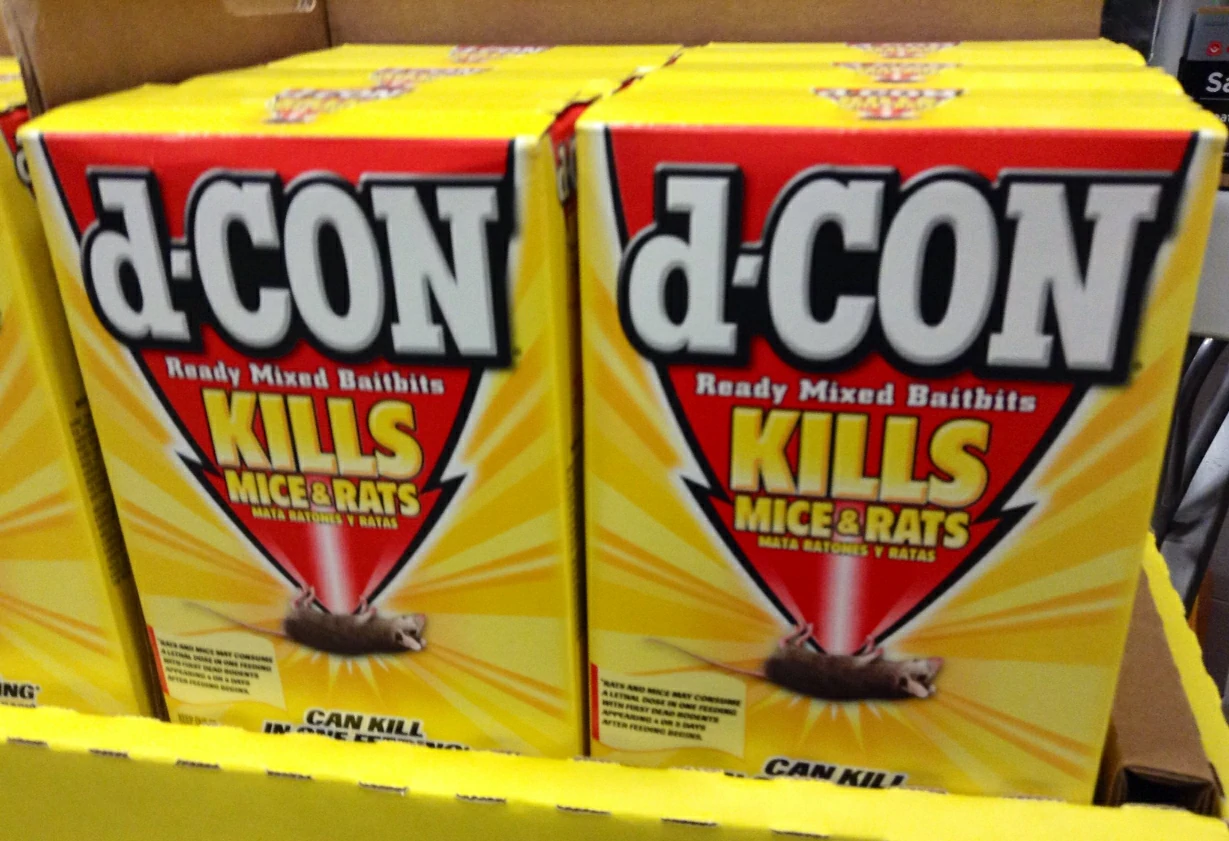
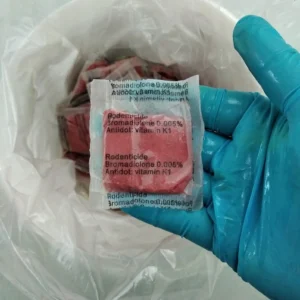
Rat poison kills thousands of rats every year, but it also kills pets, wildlife, and even children who accidentally ingest it.
It’s dangerous, it causes secondary poisoning in predators that eat poisoned rats, and it’s responsible for countless emergency vet visits and human poisonings. So with all these problems, why is rat poison not banned?
Rat poison isn’t banned because it’s still considered an effective and necessary tool for controlling rodent populations in homes, businesses, and agriculture. Rats spread diseases, contaminate food supplies, and cause billions of dollars in property damage every year. While safer alternatives exist, they’re not always practical or effective for large-scale infestations, so poison remains legal with regulations to minimize risks.
The decision to keep rat poison legal comes down to balancing public health needs against environmental and safety concerns.
Rats Are a Serious Public Health Threat
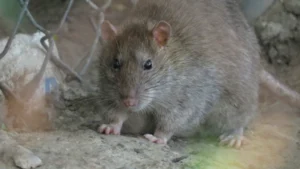
Rats aren’t just a nuisance. They’re vectors for serious diseases that can affect humans. Rats carry hantavirus, leptospirosis, rat-bite fever, salmonella, and plague. They can spread these diseases through their urine, droppings, bites, and fleas.
In cities with large rat populations, these diseases pose real risks to people, especially in areas with poor sanitation or crowded living conditions.

Controlling rat populations is a public health priority.
Rat poison is one of the most effective tools available for quickly reducing rat numbers in areas where disease transmission is a concern.
Banning it completely would make it harder to control outbreaks and protect public health.
Rats Cause Billions in Economic Damage
Rats chew through electrical wiring, which causes fires. They contaminate food in warehouses, restaurants, and homes. They damage crops in agricultural areas.
The economic impact of rats is estimated at billions of dollars annually in the United States alone.
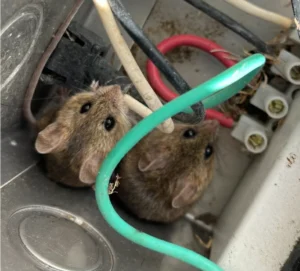
For businesses like restaurants, food processing plants, and grain storage facilities, rat infestations can mean failed health inspections, contaminated products, and huge financial losses.
Rat poison is often the fastest and most reliable way to eliminate infestations before they spiral out of control.
Farmers also rely on rat poison to protect stored grain and prevent rats from destroying crops. Without poison, many agricultural operations would struggle to keep rat populations under control.
Alternatives to Poison Aren’t Always Practical
Traps work well for small infestations in homes, but they’re not practical for large warehouses, farms, or city-wide rat problems. You can’t trap thousands of rats quickly and efficiently.
Exclusion (sealing up entry points) is a great long-term solution, but it doesn’t work when you’re dealing with rats that are already inside a building or when there are just too many entry points to seal.
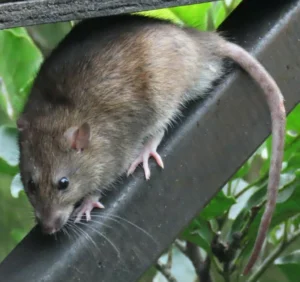
Natural predators like cats and owls can help control rat populations, but they’re not enough on their own, especially in urban areas where rat populations are huge.
So while alternatives exist, none of them are as fast or scalable as poison for dealing with serious infestations. That’s why poison remains legal.
There Are Regulations Try to Minimize the Risks
Rat poison isn’t completely unregulated. In many countries, including the United States, there are strict rules about how rat poison can be sold and used.
For example, the EPA (Environmental Protection Agency) has restricted the sale of certain highly toxic second-generation anticoagulants to the general public. These stronger poisons are now only available to licensed pest control professionals in most cases.
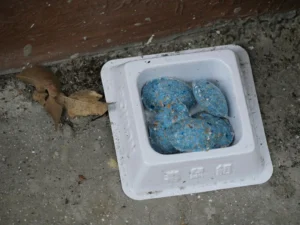
Consumer-level rat poisons must be sold in tamper-resistant bait stations to reduce the risk of children and pets accessing the poison directly. The bait stations are designed so only small rodents can get inside.
Labels also include clear warnings about the dangers of the poison and instructions for safe use. These regulations are meant to reduce accidental poisonings while still allowing people to control rat problems.
Some Places Have Banned or Restricted Rat Poison
While rat poison isn’t banned everywhere, some places have taken steps to restrict or eliminate its use. For example:
California has passed laws restricting the use of second-generation anticoagulant rodenticides to protect wildlife.
Some cities and counties have banned the use of rat poison on public property or in certain areas to protect birds of prey and other wildlife.
Canada has also restricted the sale of certain rat poisons to professionals only.
These bans and restrictions are usually the result of advocacy from environmental groups and evidence showing harm to wildlife populations, especially raptors like hawks and owls that eat poisoned rats.
Secondary Poisoning Is a Major Concern For Banning Rat Poison
One of the biggest arguments for banning rat poison is secondary poisoning. When a rat eats poison and dies, predators like hawks, owls, foxes, and cats eat the poisoned rat.
The poison then transfers to the predator, making them sick or killing them.
This has been a huge problem for wildlife populations. Studies have found rat poison in the bodies of eagles, owls, mountain lions, bobcats, and other predators.
In some areas, secondary poisoning is a leading cause of death for these animals.
Environmental groups argue that the harm to wildlife outweighs the benefits of using poison to control rats.
They push for bans or stricter regulations to protect non-target species.
Why a Complete Ban Is Unlikely
Despite the problems with rat poison, a complete ban is unlikely because rats are too big of a problem to ignore. Without effective control methods, rat populations would explode, leading to more disease, more property damage, and more public health risks.
Governments have to weigh the harm caused by poison against the harm caused by uncontrolled rat populations.
Right now, the consensus is that poison, when used responsibly, does more good than harm.
Instead of banning poison outright, the trend is toward stricter regulations, better bait station designs, and encouraging the use of less persistent poisons that break down faster and cause less secondary poisoning.
Safer Poisons Are Being Developed
Manufacturers are working on developing rat poisons that are less harmful to non-target animals.
For example, cholecalciferol (vitamin D3) poisons break down faster in a rat’s body than anticoagulants, reducing the risk of secondary poisoning.
Some companies are also developing poisons that work faster, so rats die before they can travel far and be eaten by predators. Others are researching baits that are less attractive to non-target animals like pets and wildlife.
These innovations might reduce the harm caused by rat poison while still allowing effective rat control.
Public Pressure Is Pushing for Change
As awareness of the dangers of rat poison grows, more people are calling for bans or restrictions.
Environmental groups, wildlife advocates, and even some pest control professionals are pushing for safer alternatives.

This public pressure has led to some of the regulations and bans mentioned earlier. It’s also driving research into better methods of rat control.
If enough people demand change, governments might tighten restrictions even further or invest in developing and promoting non-poison alternatives.
What You Can Do Instead of Using Poison
If you’re dealing with rats at home and want to avoid poison, there are effective alternatives:
- Use snap traps or electronic traps. These kill rats instantly and let you dispose of the bodies immediately.
- Seal up entry points. Rats can squeeze through holes the size of a quarter. Find and seal every possible entry point to your home.
- Remove food sources. Secure garbage, store pet food indoors, clean up spills, and don’t leave food out overnight.
- Use live traps and relocate rats if that’s legal in your area (check local laws, as relocating rats is illegal in some places).
- Hire a professional pest control company that uses integrated pest management (IPM) methods. They’ll use a combination of trapping, exclusion, and habitat modification instead of relying solely on poison.
Integrated Pest Management Is Becoming More Important
Integrated pest management takes a different approach from simply putting out poison whenever rats are seen. It starts by figuring out why the rats are there and what is allowing them to survive.
Food sources are removed, entry points are sealed, clutter and shelter are reduced, and traps can be used to remove rats that are already present. Poison may be considered when other methods aren’t enough, rather than automatically being the first step.
The advantage is that you’re addressing both the existing rats and the conditions that allowed the infestation to develop in the first place.
So Is Rat Poison Actually Necessary?
For some infestations, poison may be useful. For others, there may be no good reason to use it at all.
A few rats around a home can often be managed with sanitation, exclusion, and traps. A large infestation spread through a warehouse, agricultural facility, or other difficult environment can be much harder to control.
That’s why the debate over banning rat poison isn’t as simple as saying poison is good or poison is bad. The real question is whether the risks of using a particular product in a particular situation are justified by the need for rodent control.
The safest approach is to use non-poison methods whenever they can solve the problem, and to avoid unnecessary exposure to people, pets, and wildlife when rodenticides are used.
Conclusion
Rat poison isn’t banned because rats are a serious public health and economic problem, and poison is one of the most effective tools for controlling them quickly.
Alternatives like traps and exclusion work well for small infestations but aren’t practical for large-scale problems in warehouses, farms, or cities.
While rat poison does cause harm through accidental poisonings and secondary poisoning of wildlife, regulations try to minimize these risks by restricting certain poisons and requiring tamper-resistant bait stations.
Some places have banned or restricted certain types of rat poison to protect wildlife, but a complete ban is unlikely because the need to control rat populations is too important.
Instead, the focus is on developing safer poisons, tightening regulations, and encouraging people to use non-poison methods when possible.
If you’re dealing with rats at home, you can avoid poison entirely by using traps and exclusion methods.

Hi, my name is Ezra Mushala, i have been interested animals all my life. I am the main author and editor here at snakeinformer.com.