
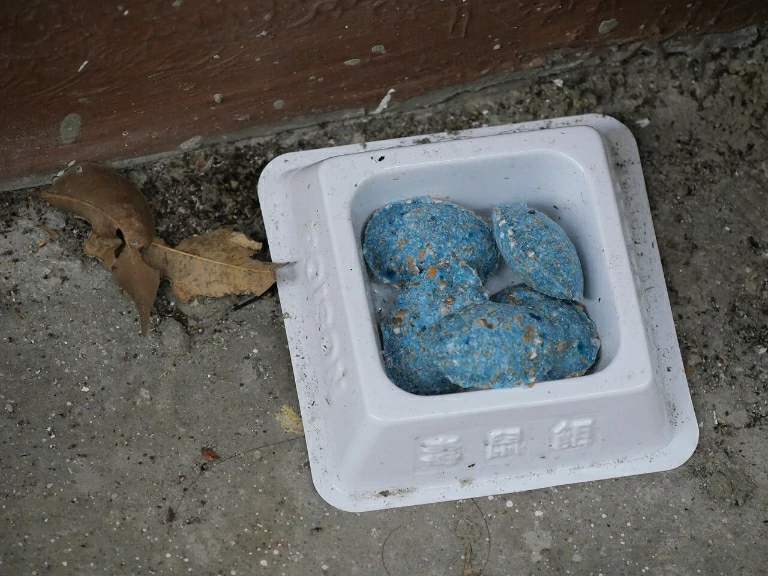
Rat poison is made to target rats and other rodents, but that doesn’t mean it stops there once it’s out in the world.
A lot of pet owners and parents worry about what else could be affected if a curious animal or child in your home comes across it.
So does rat poison only affect rats?
Rat poison doesn’t only work on rats. It can kill any mammal that eats enough of it, including dogs, cats, wildlife, and even humans. The reason it’s marketed as “rat poison” is because it’s formulated to be appealing to rats and dosed to kill small rodents. But the poison itself isn’t species-specific. It affects all mammals the same way.
This happens in two different ways, and knowing the difference can help you understand just how far the risk actually spreads.
Rat Poison Works in All Mammals
Most rat poisons are anticoagulants, which means they stop blood from clotting. When a mammal (rat, dog, cat, or human) eats anticoagulant poison, it prevents their blood from forming clots.
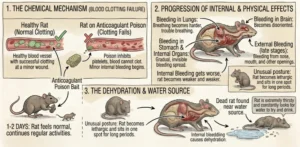
This mechanism works the same in every mammal. Your blood clotting process is basically identical to a rat’s.
The same chemicals that stop a rat’s blood from clotting will stop your blood from clotting.
The difference isn’t in how the poison works. It’s in how much you need to eat to die. A rat weighs a few hundred grams. A human weighs tens of thousands of grams.
The dose that kills a rat won’t kill a human, but only because humans are so much bigger.
Why Rat Poison Is Designed for Rats
Rat poison is formulated to be attractive to rats specifically. Manufacturers add scents and flavors that appeal to rodent preferences, like grains, peanut butter, seeds, and fish oil.
The poison is also dosed so that a rat eating a normal amount of bait over a few days will consume enough to die. This dosing is based on the average weight and metabolism of a rat.
But that doesn’t make the poison selective. If a dog eats the same bait, the poison works exactly the same way in the dog’s body.
The dog just needs to eat more of it (relative to its body weight) to reach a lethal dose.
How Rat Poison Ends Up Affecting Other Animals
There are really two paths that lead to non-target animals getting poisoned.
The first is direct exposure.
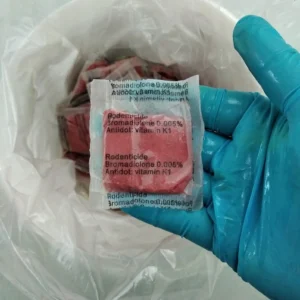
This happens when an animal eats the bait itself, whether that’s a dog getting into a station or a bird pecking at loose pellets.
The second is secondary poisoning. This happens when an animal eats a rodent that has already eaten poison, even if that rodent hasn’t died yet.
Secondary poisoning is a bigger concern than most people realize.
With second generation anticoagulant poisons, the toxin can stay active in a rodent’s body for days after it eats the bait.
Animals That Can Be Affected By Rat Poison
The table below breaks down some of the animals most commonly affected by rat poison, along with how they’re usually exposed.
| Animal | How They’re Exposed | Risk Level |
|---|---|---|
| Dogs | Direct bait consumption | High |
| Cats | Direct or secondary (eating poisoned rodents) | Moderate to high |
| Owls | Secondary (eating poisoned rodents) | High |
| Hawks | Secondary (eating poisoned rodents) | High |
| Foxes | Secondary (eating poisoned rodents) | Moderate |
| Coyotes | Secondary (eating poisoned rodents) | Moderate |
| Snakes | Secondary (eating poisoned rodents) | Moderate |
| Chickens | Direct bait consumption | Moderate |
| Wild birds | Direct bait consumption | Low to moderate |
| Livestock | Direct bait consumption | Low |
This isn’t a complete list, but it covers the animals most commonly affected in both suburban and rural settings across the US and Canada.
Why Dogs Are Especially At Risk
Dogs are one of the most commonly affected non-target animals, and it’s not hard to see why.
Dogs are curious, food motivated, and often willing to eat things that smell or look interesting.

Since a lot of rat poison is scented to be appealing to rodents, that same appeal can easily extend to dogs as well.
Smaller dogs are at greater risk than larger ones, since it takes a smaller amount of poison to reach a dangerous dose relative to their body weight.
If you have a dog and you’re using rat poison anywhere on your property, tamper resistant bait stations help a lot.
They’re one of the best ways to reduce this risk.
Why Cats Face A Different Kind Of Risk
Cats are generally less likely than dogs to eat bait directly, since they tend to be pickier eaters. But cats face a real risk from secondary poisoning instead.
A cat that hunts and eats a poisoned mouse or rat can absorb enough of the toxin to get sick itself.
This is especially true for outdoor and barn cats that hunt rodents often.
Indoor cats are at much lower risk overall, simply because they have less access to wild rodents or bait stations placed outdoors.
Why Birds Of Prey Are Especially Vulnerable
Owls, hawks, and other birds of prey are some of the animals most affected by secondary poisoning, and this has become a growing concern among wildlife experts.
These birds naturally hunt rodents as a major part of their diet. That puts them directly in the path of any rat that has recently eaten poison.

Because these birds often eat multiple rodents over time, the toxin can build up in their system.
This buildup effect is part of why second generation anticoagulant poisons have come under increased scrutiny from wildlife conservation groups in recent years.
Some regions in the US and Canada have started restricting certain second generation poisons.
This comes down to the harm they cause to birds of prey and other predators.
Why This Matters For The Local Food Chain
Birds of prey and other predators play an important role in controlling rodent populations naturally.
When these animals get sick or die from secondary poisoning, it can actually make rodent problems worse.
Fewer natural predators means fewer checks on rodent population growth, which can lead to more rats and mice in an area, not fewer.
This creates a bit of an ironic cycle. The poison meant to reduce rodent problems can end up harming the very animals that help keep those populations in check naturally.
Wildlife groups have pushed for more careful poison use and stronger restrictions partly because of this ripple effect through local ecosystems.
Can Livestock Or Farm Animals Be Affected?
Yes, though the risk level tends to be lower than it is for pets and wildlife.
Livestock like chickens, goats, or horses are generally less likely to seek out rat bait on their own.
Chickens are a bit more at risk than larger livestock, since they tend to peck at anything on the ground.
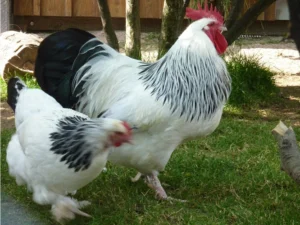
Farms that use rat poison typically place bait in secured stations inside barns rather than out in open pasture.
If you keep farm animals and are dealing with a rodent problem, talk to a vet or agricultural extension office.
They can walk you through safe placement practices for your specific setup.
Different Types of Poison Affect Different Animals Differently
While most rat poisons work the same way in all mammals, some animals are more or less sensitive to certain types of poison.
For example, cats are more sensitive to anticoagulant poisons than dogs are because their livers process the chemicals differently. A dose that might only make a dog sick could kill a cat.
Birds of prey are extremely sensitive to second-generation anticoagulants like brodifacoum. Even a small amount of poison in a rat’s body can kill a hawk or owl that eats it.
Ruminants (animals like cows and sheep) are more resistant to some poisons because their multi-chambered stomachs process toxins differently than single-stomached animals do.
But these are differences in sensitivity, not differences in whether the poison works at all. The poison still affects all these animals through the same mechanism.
What To Do If You Suspect An Animal Has Been Poisoned
If you think a pet has eaten rat poison directly, don’t wait to see if symptoms appear.
Call your vet or an animal poison control hotline right away. Faster treatment generally leads to better outcomes.
Common symptoms of anticoagulant poisoning in pets include lethargy, pale gums, unusual bruising, or blood in urine or stool.
These signs may not show up for a day or two after exposure.
If you find a sick or injured wild animal and suspect secondary poisoning, contact a local wildlife rehabilitation center rather than trying to treat the animal yourself.
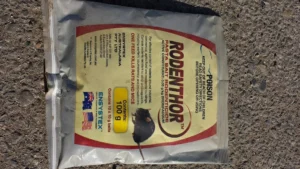
Bring the poison packaging with you to the vet if possible, since knowing the exact active ingredient helps vets choose the right treatment quickly.
How To Reduce The Risk To Non-Target Animals
Using tamper resistant bait stations is one of the most effective ways to limit exposure to pets and wildlife.
These stations are built so only small rodents can get to the bait inside.
Choosing first generation anticoagulants over second generation ones can also reduce the risk of secondary poisoning, since first generation poisons don’t build up in an animal’s body the same way.
Removing dead rodents promptly, before predators or pets can get to them, helps cut down on secondary poisoning risk as well.
Some homeowners choose to avoid anticoagulant poisons altogether in favor of snap traps or professional pest control services that use more targeted methods.
Are There Alternatives That Are Actually Selective?
If you want a rat control method that doesn’t affect other animals, poison isn’t it. You need to use physical methods like traps.
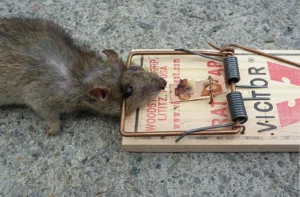
Snap traps kill rats instantly and don’t pose any risk to other animals as long as they’re placed correctly. Electronic traps work the same way.
Live traps catch rats without killing them, and you can release non-target animals if you accidentally catch them (though relocating rats might be illegal in your area).
Exclusion (sealing entry points) works on rats without affecting any other animals at all.
These methods are truly selective. Poison is not.
What Regulations Exist Around Rat Poison And Wildlife Safety?
In recent years, several US states and Canadian provinces have introduced restrictions on second generation rodenticides.
This largely comes down to their impact on wildlife.
California, for example, passed restrictions on certain second generation anticoagulants for general consumer use.
This was partly a response to documented harm to birds of prey and other predators.
Health Canada has also reviewed rodenticide regulations over the years.
The goal has been reducing unintended harm to non-target species while still allowing effective rodent control.
These regulations vary quite a bit by location.
It’s worth checking your local and state or provincial guidelines if you want to know exactly what’s restricted in your area.
Even where second generation poisons remain legal, many pest control companies have voluntarily shifted toward safer alternatives.
Stricter placement practices have become more common too, in response to growing wildlife concerns.
How Professional Pest Control Handles This Risk
Licensed pest control companies are generally more careful about non-target exposure than the average homeowner.
This comes down partly to training on proper placement, and partly to liability concerns.
Professionals typically use tamper resistant bait stations as a standard practice.
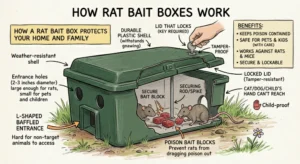
These are secured in place so they can’t easily be moved or opened by pets, wildlife, or children.
Many companies also monitor bait stations regularly.
Replacing bait and removing dead rodents promptly cuts down the window of opportunity for secondary poisoning.
Some pest control services have shifted toward integrated pest management approaches.
These combine traps, exclusion methods like sealing entry points, and poison used more sparingly.
If you’re concerned about protecting pets and local wildlife while dealing with a rodent problem, ask questions.
A pest control company should be able to explain their specific placement and poison choice practices.
Don’t hesitate to ask what active ingredient they’re using and why they chose it for your property.
Conclusion
Rat poison doesn’t just affect rats.
Dogs, cats, birds of prey, and other wildlife can all be harmed, either through direct contact with bait or by eating a poisoned rodent.
Secondary poisoning is a real concern, especially for predators like owls and hawks that rely on rodents as food.
This ripple effect can end up impacting the broader local ecosystem over time.
If you’re using rat poison at home, a few small steps go a long way.
Use tamper resistant stations, choose your poison type carefully, and remove dead rodents quickly to protect the animals around you.
If you ever suspect a pet or wild animal has been exposed to rat poison, reach out to a vet or wildlife professional right away.
Acting quickly gives that animal the best possible chance.

Hi, my name is Ezra Mushala, i have been interested animals all my life. I am the main author and editor here at snakeinformer.com.