
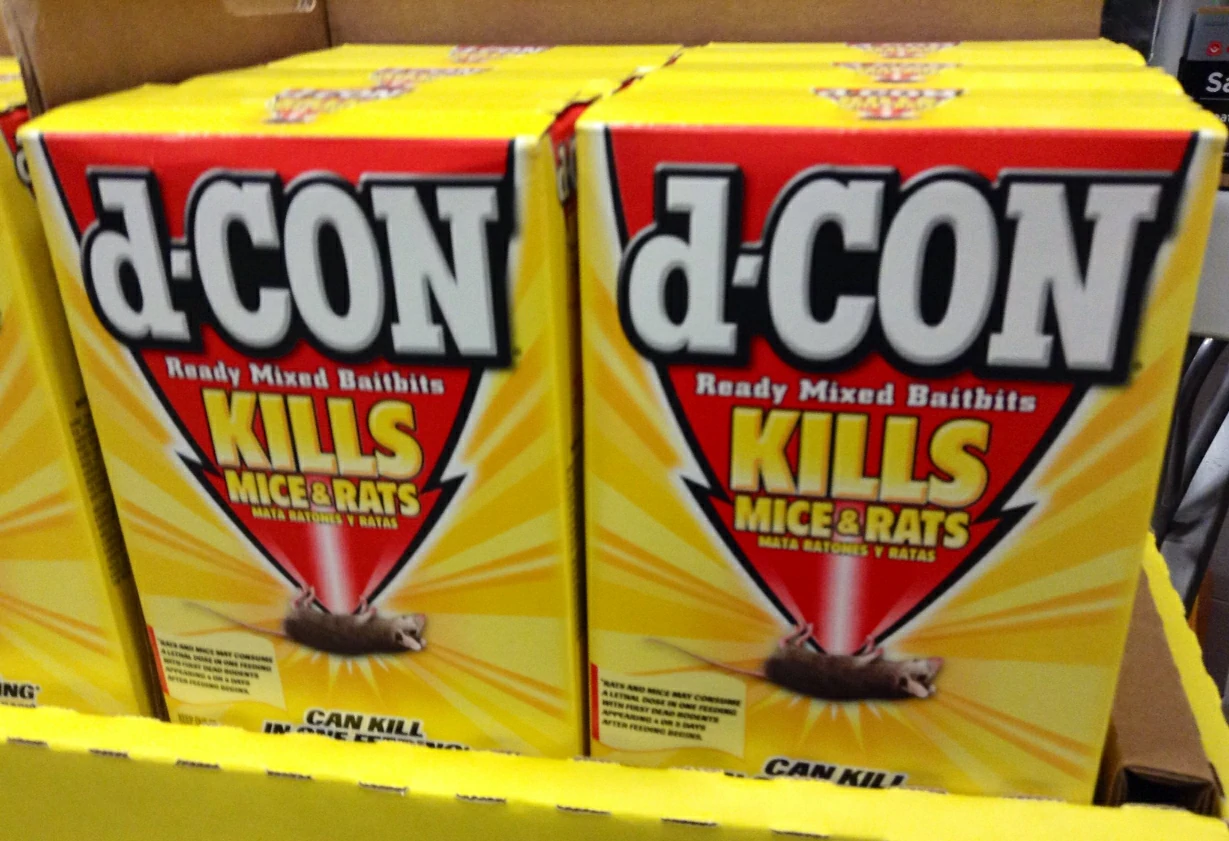
One of the scariest moments for any dog owner is realizing your pet might have eaten rat poison. Maybe you saw them chewing on something in the yard, or you noticed an opened bait station, or you’re seeing symptoms that make you worried.
The first question that hits you is how much poison did they eat, and is it enough to hurt them? How much rat poison is bad for dogs?
Any amount of rat poison is bad for dogs and requires immediate veterinary attention. The toxic dose depends on the type of poison and your dog’s weight, but as little as 0.1-0.5 ounces (3-14 grams) of common anticoagulant rat poison can be lethal to a 10-pound dog. Larger dogs need more poison to be lethal, but even small amounts can cause serious illness requiring expensive treatment.
There’s no safe amount of rat poison for dogs to eat. Different types of poison have different toxic doses, and what kills a Chihuahua might only make a German Shepherd sick.
But all rat poisons are designed to kill mammals, and dogs are mammals. If your dog ate any rat poison, you need to act fast because early treatment makes all the difference between full recovery and tragedy.
How Toxic Dose Is Calculated
Veterinarians calculate toxic doses based on milligrams of poison per kilogram of body weight (mg/kg). This tells them how dangerous a given exposure is and what treatment is needed.
The problem is that most people don’t know exactly how much poison their dog ate.
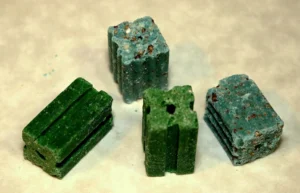
When you call the vet or poison control, they’ll ask what type of poison it was (active ingredient), how much of the product was available (the whole box? just one block?), and how much is missing. They’ll also ask your dog’s weight.
With this information, they can estimate whether your dog consumed a potentially toxic dose. For most anticoagulant rat poisons, the toxic dose is 0.1-1.0 mg/kg depending on the specific chemical.
That sounds tiny, but poison bait typically contains 0.005% to 0.01% active ingredient.
This means a 10-pound (4.5 kg) dog eating 0.1 ounce (3 grams) of bait containing 0.005% brodifacoum has consumed about 0.15 mg of poison, which equals 0.033 mg/kg.
That’s below the toxic threshold for a single exposure, but it’s enough to require monitoring or preventive treatment.
Anticoagulant Rat Poison Toxicity in Dogs
Anticoagulant poisons (warfarin, brodifacoum, bromadiolone, etc.) are the most common type of rat poison, and the toxic doses vary between first-generation and second-generation types.
First-generation anticoagulants (warfarin, chlorophacinone, diphacinone) are less potent. The toxic dose is roughly 1-5 mg/kg, and dogs need to eat poison multiple times over several days to be seriously harmed.
A single small exposure might not be lethal, but it still requires treatment.
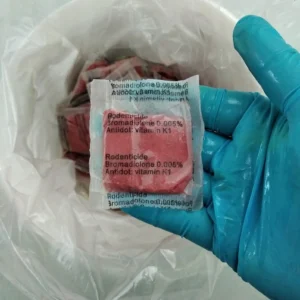
Second-generation anticoagulants (brodifacoum, bromadiolone, difethialone) are much more dangerous. The toxic dose is 0.1-1.0 mg/kg, and a single feeding can be lethal.
These poisons also persist in the body for weeks, requiring longer treatment.
A 50-pound (23 kg) dog that eats a 1-ounce block of bait containing 0.005% brodifacoum has consumed about 1.4 mg of poison, which equals 0.06 mg/kg.
That’s approaching toxic levels and absolutely requires veterinary treatment even though it’s technically below the 0.1 mg/kg threshold.
Don’t try to do the math yourself and decide your dog will be fine. Err on the side of caution and get veterinary care for any exposure.
Bromethalin Toxicity in Dogs
Bromethalin is a neurotoxin that causes brain swelling. It’s becoming more common in rat poisons, especially in places like California where anticoagulants are restricted. Bromethalin is extremely toxic to dogs.
The toxic dose for bromethalin is 2.5 mg/kg for causing symptoms and as low as 1.0 mg/kg for potentially lethal effects in sensitive dogs. That’s very low compared to anticoagulants.
A 25-pound (11 kg) dog that eats just 0.5 ounce (14 grams) of bait containing 0.01% bromethalin has consumed 1.4 mg of poison, which equals 0.13 mg/kg. That’s enough to cause symptoms and potentially life-threatening effects.
The scary thing about bromethalin is there’s no antidote. Treatment is supportive care only (IV fluids, medications to reduce brain swelling, monitoring). The outcome depends on how much was eaten and how quickly treatment starts.
Even small amounts of bromethalin can cause problems. Don’t assume your dog will be okay because they only ate a little bit. Get them to the vet immediately.
Cholecalciferol (Vitamin D3) Toxicity in Dogs
Cholecalciferol rat poisons contain massive doses of vitamin D3 that cause calcium levels in the blood to spike, leading to kidney failure. The toxic dose is surprisingly low.
As little as 0.5 mg/kg can cause toxicity in dogs, and 2-3 mg/kg can be lethal. Rat poison products containing cholecalciferol typically have concentrations around 0.075% to 0.1%.
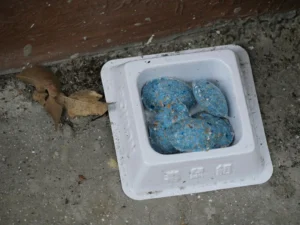
A 20-pound (9 kg) dog eating 0.25 ounce (7 grams) of bait with 0.075% cholecalciferol has consumed about 5.25 mg of vitamin D3, which equals 0.58 mg/kg. That’s enough to cause toxicity and requires immediate treatment.
Treatment involves aggressive IV fluids, medications to lower calcium levels, and monitoring kidney function for several days. If treatment is delayed, permanent kidney damage or death can occur.
Like all rat poisons, there’s no safe amount for dogs to eat. Any exposure requires veterinary attention.
Zinc Phosphide Toxicity in Dogs
Zinc phosphide releases toxic phosphine gas when it contacts stomach acid. It’s an acute poison that works quickly. Dogs are particularly sensitive to zinc phosphide.
The toxic dose is around 10-40 mg/kg depending on various factors. Zinc phosphide baits typically contain 2% active ingredient, much higher than anticoagulant concentrations.
A 30-pound (14 kg) dog that eats 0.5 ounce (14 grams) of bait containing 2% zinc phosphide has consumed 280 mg of poison, which equals 20 mg/kg. That’s in the middle of the toxic range and potentially lethal.
Zinc phosphide poisoning shows symptoms quickly, often within 15 minutes to a few hours. Signs include vomiting, difficulty breathing, wobbliness, tremors, seizures, and collapse. This is a true emergency requiring immediate veterinary care.
The gas released from zinc phosphide can also be dangerous to people handling the vomit or the dog’s breath. Veterinary staff take special precautions when treating zinc phosphide poisoning.
How Does Dog Size Affect Toxic Dose?
Bigger dogs can tolerate larger amounts of poison than small dogs, but this doesn’t mean big dogs are safe. The toxic dose is based on body weight, so a Great Dane needs to eat more poison than a Chihuahua to reach the same blood levels.
A 10-pound dog eating 0.1 ounce of brodifacoum bait might be in serious trouble. A 100-pound dog eating that same 0.1 ounce might only need monitoring or preventive treatment.
But if the 100-pound dog eats an entire box of bait, it’s just as endangered as the small dog.
Size also affects treatment. Larger dogs need higher doses of antidotes like vitamin K1, and treatment costs increase with dog size. A week of vitamin K1 for a Labrador costs more than for a Yorkshire Terrier.
Don’t assume your big dog will be fine just because they’re big. The amount of poison available matters just as much as your dog’s size.
What Are The Symptoms of Rat Poison Exposure in Dogs?
Symptoms depend on what type of poison your dog ate. Anticoagulant poisoning symptoms usually don’t appear for two to seven days and include weakness, pale gums, difficulty breathing, coughing, bloody nose, blood in urine or stool, bruising, and collapse.
Bromethalin poisoning symptoms appear faster, within hours to a few days. Signs include loss of coordination, tremors, seizures, paralysis (usually starting in the hind legs), extreme sensitivity to touch, and depression or stupor.
Cholecalciferol poisoning symptoms develop over one to three days and include extreme thirst, increased urination, vomiting, loss of appetite, weakness, and eventually kidney failure symptoms like not urinating, severe lethargy, and collapse.
Zinc phosphide poisoning symptoms appear very quickly, within 15 minutes to four hours. Signs include vomiting (often with a smell like rotten fish or garlic), bloating, difficulty breathing, wobbliness, tremors, seizures, and collapse.
If you see any of these symptoms and your dog had any possible access to rat poison, get to the vet immediately. Don’t wait to see if symptoms get worse.
Why You Shouldn’t Wait for Symptoms
The biggest mistake people make is waiting to see if their dog gets sick before going to the vet. By the time symptoms appear, significant damage has often already occurred, making treatment harder and less likely to succeed.
With anticoagulant poisoning, once you see bleeding symptoms, your dog has already lost a lot of blood internally. Treatment at this stage requires blood transfusions and intensive care, not just vitamin K1 pills.

With bromethalin, once neurological symptoms appear, brain swelling has already started. There’s no antidote, only supportive care, and the outcome might already be determined by the time you notice something’s wrong.
With cholecalciferol, once kidney failure symptoms appear, permanent damage might already exist. Early treatment can prevent kidney damage, but late treatment might only slow the progression.
The window for easy, effective treatment is very short after exposure. If you see your dog eat poison or strongly suspect they did, go to the vet immediately regardless of whether symptoms are present.
What Are The Emergency Treatment Steps?
If you witnessed your dog eating rat poison within the last hour or two, call your vet immediately. They might tell you to induce vomiting at home using hydrogen peroxide before coming in, or they might tell you to come straight to the clinic.
Inducing vomiting only works if the poison is still in the stomach (within 1-2 hours of eating it) and if the dog is alert and able to vomit safely. Never induce vomiting in a dog that’s already showing symptoms, having seizures, or is unconscious.
Bring the poison package or bait to the vet with you. They need to know exactly what active ingredient is involved because treatment differs for different poisons. If you can’t bring the package, at least write down the product name and active ingredient.
Don’t give your dog anything to eat or drink unless the vet tells you to. Some home remedies people try (like milk or bread) don’t help and might interfere with treatment.
Drive carefully to the vet. Getting in a car accident because you’re panicking doesn’t help your dog. Call ahead so the vet is ready when you arrive.
What Veterinary Treatment Do Dogs Get Rat Poison Exposure?
Treatment depends on when the exposure occurred and what type of poison was involved. If you arrive within a couple hours of exposure, the vet will induce vomiting to remove as much poison as possible from the stomach.
After vomiting, the vet gives activated charcoal. This binds to poison still in the digestive system, preventing it from being absorbed into the bloodstream. Multiple doses of activated charcoal might be given over 24-48 hours.

For anticoagulant poisoning, treatment includes vitamin K1 (the antidote) given by injection initially, then as pills for three to six weeks depending on which anticoagulant was involved. Blood tests monitor clotting function to make sure the dose is adequate.
For bromethalin poisoning, there’s no antidote. Treatment is supportive care with IV fluids, medications to reduce brain swelling (like mannitol or corticosteroids), anti-seizure medications if needed, and intensive monitoring. The dog might need to stay hospitalized for several days.
For cholecalciferol poisoning, aggressive IV fluids help flush calcium from the body and protect the kidneys. Medications like furosemide, corticosteroids, and calcitonin help lower calcium levels. Treatment continues for several days with regular blood tests.
For zinc phosphide poisoning, the vet provides supportive care including IV fluids, anti-nausea medications, medications to protect the stomach lining, and monitoring for respiratory problems. Treatment focuses on managing symptoms since there’s no specific antidote.
What Are The Cost of Treating Rat Poison Exposure?
Treatment costs vary widely based on how much poison was consumed, how quickly you got to the vet, what type of poison was involved, and whether your dog develops complications.
Minimal exposure caught early might cost $200-500 (exam, induced vomiting, activated charcoal, preventive vitamin K1 prescription). This is the best-case scenario.
Moderate exposure requiring hospitalization can cost $1,000-2,500 (hospitalization, IV fluids, medications, monitoring, blood tests, vitamin K1 treatment for weeks).
Severe poisoning with complications like bleeding, kidney failure, or neurological symptoms can cost $3,000-10,000 or more (intensive care, blood transfusions, extended hospitalization, multiple medications, repeated blood tests).
Pet insurance might cover rat poison treatment if you have it, but many policies have deductibles and co-pays. Read your policy to understand coverage.
The cost of prevention (keeping rat poison out of reach, using tamper-resistant bait stations, or avoiding poison entirely) is essentially free compared to the cost of treating a poisoned dog.
Long-Term Effects After Treatment
Dogs that receive prompt treatment for anticoagulant poisoning usually recover fully with no lasting effects. They need to complete the full course of vitamin K1 (don’t stop early even if they seem fine), but once treatment is finished, they’re back to normal.
Bromethalin poisoning can cause permanent neurological damage if treatment is delayed or if the dose was very high. Some dogs recover fully, others might have lasting effects like tremors, coordination problems, or seizures requiring lifelong medication.

Cholecalciferol poisoning can cause permanent kidney damage if treatment doesn’t start quickly enough. Dogs might need special diets and medications for kidney disease for the rest of their lives. In severe cases, kidney failure is fatal despite treatment.
Zinc phosphide poisoning either kills the dog quickly or the dog recovers fully. There aren’t usually long-term effects in dogs that survive with appropriate treatment.
The key to avoiding long-term problems is getting treatment as fast as possible after exposure. Every hour you wait reduces the chances of full recovery.
Preventing Rat Poison Exposure in Dogs
The best approach is not using rat poison at all if you have dogs. Use snap traps, electronic traps, and exclusion (sealing entry points) instead. These methods work without risking your pet’s life.
If you must use poison, always use tamper-resistant bait stations and place them where your dog absolutely cannot access them. Don’t underestimate your dog’s ability to get into things. Dogs can chew through cheap plastic bait stations or knock them over and open them.
Never put out loose poison. Always secure it in proper bait stations designed to exclude animals larger than rats and mice.
Tell your neighbors if you have outdoor dogs. Ask them not to use rat poison or at least to use tamper-resistant stations if they must. Many dog poisonings happen when dogs access poison placed by neighbors.
If you live in an apartment or rental property, ask your landlord what pest control methods are used. Make sure they’re not placing poison in areas your dog can access.
What to Do If You Don’t Know What Poison It Was
Sometimes you find evidence that your dog ate something but you don’t know what it was. Maybe you find a chewed box or wrapper but can’t read the label, or your dog vomits up something that looks like poison but you don’t know the source.
Go to the vet anyway. Explain the situation and bring whatever evidence you have. The vet can run tests to figure out what’s going on and provide appropriate treatment.
Blood tests can detect anticoagulant poisoning by measuring clotting times. If clotting is abnormal, the vet knows to treat with vitamin K1 even without knowing the exact poison.
For other poison types, treatment is based on symptoms. If your dog shows neurological signs, the vet might suspect bromethalin or zinc phosphide. If your dog shows kidney problems and high calcium, they might suspect cholecalciferol.
Don’t assume your dog will be fine just because you don’t know what they ate. Unexplained symptoms after possible poison exposure require veterinary attention.
Conclusion
Any amount of rat poison is bad for dogs and requires immediate veterinary care. The toxic dose depends on the type of poison and your dog’s weight, but common anticoagulants can be lethal at doses as low as 0.1 ounces for small dogs.
Larger dogs tolerate more poison, but all exposures are dangerous.
Different rat poisons have different toxic doses. Anticoagulants require vitamin K1 treatment for weeks. Bromethalin has no antidote and can cause permanent brain damage.
Cholecalciferol causes kidney failure. Zinc phosphide works quickly and is extremely dangerous.
Never wait for symptoms to appear before seeking veterinary care. By the time symptoms show up, significant damage has often occurred.
Early treatment (within hours of exposure) gives the best chance of full recovery with minimal complications.
The best approach is preventing exposure altogether by avoiding rat poison use around dogs, using tamper-resistant stations if poison is necessary, and keeping all rodenticides securely stored where pets cannot possibly access them.
An ounce of prevention is worth thousands of dollars in vet bills and the heartbreak of losing your dog to poisoning.
Sources:
Anticoagulant Rodenticide Scientific Review Final Report: https://www.mass.gov/doc/anticoagulant-rodenticides-scientific-review-final-report/download (PDF)
Rodenticide Poisoning:https://www.merckvetmanual.com/special-pet-topics/poisoning/rodenticide-poisoning
Rat Poison Toxicity in Dogs: An Emergency Guide. https://www.gsvs.org/staten-island-ny/blog/rat-poison-toxicity-dogs-emergency-guide/
Anticoagulant Rodenticide Poisoning in Dogs: https://vcahospitals.com/know-your-pet/rodenticide-warfarin-poisoning-in-dogs

Hi, my name is Ezra Mushala, i have been interested animals all my life. I am the main author and editor here at snakeinformer.com.