
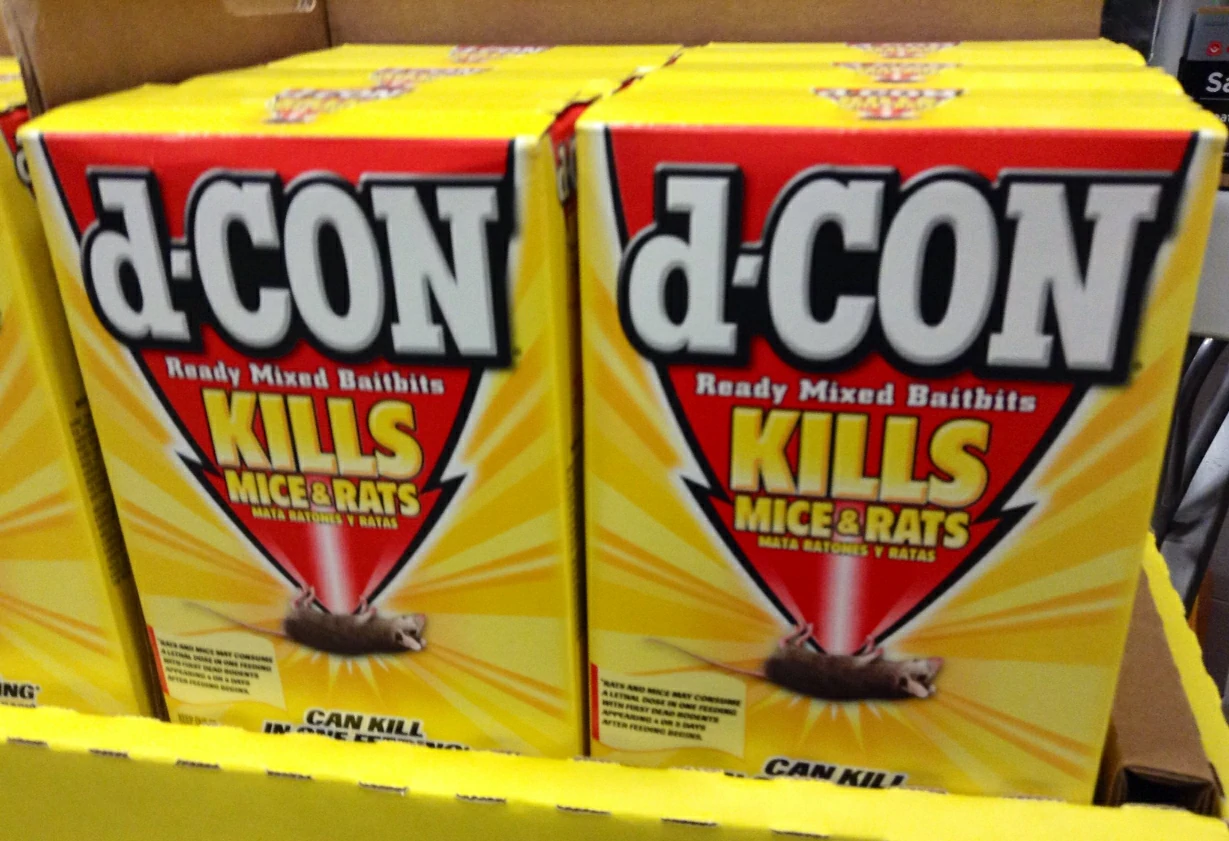
Finding out your dog ate rat poison is terrifying. Your heart races as you try to figure out how bad the situation is and how fast you need to act.
One of the first questions that hits you is how long before the poison starts affecting your dog. Do you have hours? Days? Minutes? How long before rat poison effects dog?
The time before rat poison affects dogs depends on the type of poison. Anticoagulant poisons take 1-7 days before symptoms appear. Bromethalin causes symptoms within 2-24 hours for high doses, or 1-4 days for lower doses. Cholecalciferol symptoms appear in 8-48 hours. Zinc phosphide shows symptoms fastest, within 15 minutes to 4 hours. Regardless of type, seek immediate veterinary care without waiting for symptoms.
The delay between eating poison and showing symptoms gives you a critical window for treatment, but only if you act immediately.
Waiting to see if your dog gets sick wastes this window and dramatically reduces the chances of full recovery.
Anticoagulant Rat Poison Timeline
Anticoagulant poisons (warfarin, brodifacoum, bromadiolone, diphacinone, etc.) are the most common type of rat poison, and they have the longest delay before symptoms appear. This delay can be both good and bad.
After eating anticoagulant poison, your dog will seem completely normal for the first 1-3 days. They’ll eat, play, and act like nothing happened.
This is because the poison takes time to deplete vitamin K stores and use up existing clotting factors in the blood.
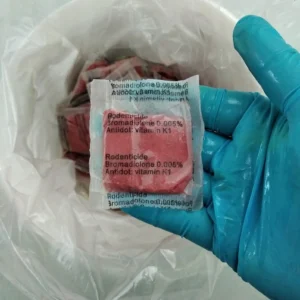
First symptoms typically appear 2-5 days after exposure. Your dog might seem a bit tired or less interested in food. These early signs are subtle and easy to miss.
Obvious bleeding symptoms usually show up 3-7 days after eating the poison. This includes weakness, pale gums, difficulty breathing, coughing, bloody nose, blood in urine or stool, and bruising.
Second-generation anticoagulants like brodifacoum tend to cause symptoms on the earlier end of this range (3-5 days) because they’re more potent.
First-generation anticoagulants like warfarin might take closer to 5-7 days for symptoms to appear.
The delayed timeline is actually an advantage if you know your dog ate poison. You have several days to get treatment started before serious symptoms appear.
But if you don’t know about the exposure and just wait for symptoms, by the time you see bleeding your dog has already lost a significant amount of blood internally.
Bromethalin Neurotoxin Timeline
Bromethalin is a neurotoxin that’s becoming more common in rat poisons, especially in areas where anticoagulants are restricted. It causes brain swelling and works much faster than anticoagulants.
The timeline for bromethalin depends on how much your dog ate. High doses (from eating a large amount of poison) cause symptoms very quickly, sometimes within 2-4 hours, though 8-12 hours is more typical.
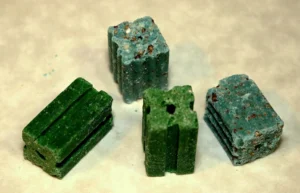
Lower doses (from eating a smaller amount) cause symptoms more slowly over 1-4 days. These symptoms might be milder at first but can still progress to severe neurological problems.
Early symptoms include loss of appetite, vomiting, and mild hyperactivity or excitement. Your dog might seem “off” but not obviously sick.
As the poison affects the brain, symptoms progress to tremors, loss of coordination, seizures, paralysis (usually starting in the hind legs), extreme sensitivity to touch or sound, and depression or stupor.
The scary thing about bromethalin is that once neurological symptoms appear, permanent brain damage might have already occurred. There’s no antidote, only supportive care, so early treatment (before symptoms start) is absolutely critical.
If your dog ate bromethalin poison, don’t wait to see what happens. Get to the vet within the first few hours while treatment can still prevent the poison from being absorbed.
Cholecalciferol (Vitamin D3) Timeline
Cholecalciferol rat poisons contain massive doses of vitamin D3 that cause calcium levels to spike and lead to kidney failure. The timeline falls between anticoagulants and bromethalin.
Initial symptoms usually appear 8-48 hours after eating the poison. These early signs include increased thirst, increased urination, loss of appetite, vomiting, and depression.
As calcium levels continue rising and kidneys start failing, symptoms worsen over 1-3 days. Your dog might become very lethargic, stop eating completely, vomit frequently, and show signs of abdominal pain.
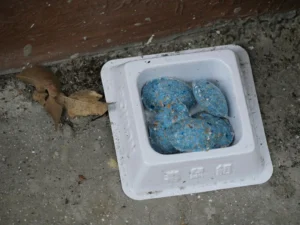
Kidney failure symptoms appear 2-4 days after exposure. At this stage, your dog might stop urinating (or urinate very little), become severely weak, and show signs of serious illness.
The damage to kidneys happens during those first few days even if you can’t see it. By the time obvious kidney failure symptoms appear, permanent damage might already exist.
Treatment works best when started within the first 24 hours after exposure, before calcium levels spike too high and before kidney damage occurs. Once kidneys are damaged, treatment can only slow the progression, not reverse the harm.
Zinc Phosphide Timeline
Zinc phosphide is an acute poison that releases toxic phosphine gas when it hits stomach acid. It’s the fastest-acting rat poison and also one of the most immediately dangerous.
Symptoms can appear as quickly as 15 minutes after eating the poison, though 30 minutes to 4 hours is more typical. Your dog won’t have a long asymptomatic period like with anticoagulants.
The first symptom is usually vomiting. The vomit might have a distinctive smell like rotten fish or garlic because of the phosphine gas. This is a telltale sign of zinc phosphide poisoning.
Other symptoms that appear quickly include bloating or abdominal pain, difficulty breathing, wobbliness, tremors, seizures, and collapse.
Zinc phosphide poisoning progresses fast. A dog that seems mildly sick can deteriorate to critical condition within hours. There’s no antidote, and treatment is supportive care aimed at managing symptoms.
If you suspect your dog ate zinc phosphide poison, this is an immediate emergency. Don’t drive to the vet, call them first and drive while someone else calls. Every minute matters with this poison.
Why You Can’t Wait for Symptoms
The biggest mistake people make is waiting to see if their dog shows symptoms before seeking veterinary care. This approach wastes the most critical treatment window and dramatically reduces the chances of full recovery.
Treatment is easiest and most effective in the first 1-2 hours after exposure, before the poison is absorbed. During this window, the vet can induce vomiting to remove poison from the stomach and give activated charcoal to prevent absorption.
Once the poison is absorbed into the bloodstream, treatment becomes more complicated and less effective. You’re managing the effects of the poison instead of preventing those effects in the first place.
By the time obvious symptoms appear, significant damage has often occurred. Anticoagulant poisoning symptoms mean your dog has already lost substantial blood.
Bromethalin symptoms mean brain swelling has started. Cholecalciferol symptoms mean kidney damage is underway.
Even if you’re not 100% sure your dog ate poison, if there’s a reasonable possibility (you found a chewed poison box, the dog was near bait stations, poison is missing), go to the vet.
It’s better to go and find out nothing’s wrong than to wait and miss the treatment window.
Early Treatment vs. Late Treatment Can Change Outcomes
Dogs treated within 1-2 hours of eating anticoagulant poison usually recover fully with no complications. Treatment involves induced vomiting, activated charcoal, and preventive vitamin K1 for a few weeks. Total cost might be $200-500.
Dogs treated after symptoms appear need blood transfusions, intensive care, extended hospitalization, and weeks of vitamin K1. Cost can be $2,000-5,000 or more, and some dogs don’t survive despite aggressive treatment.
For bromethalin, treatment within 2-4 hours might prevent symptoms entirely. The vet induces vomiting, gives activated charcoal, and monitors the dog.
Even without an antidote, preventing absorption means no poisoning occurs.
Dogs that don’t get treatment until symptoms appear face permanent neurological damage or death. There’s no way to reverse brain swelling once it starts.
Cost can be $3,000-10,000 for intensive care, and outcomes are often poor.
Cholecalciferol treatment within 8-12 hours can prevent kidney damage. Aggressive IV fluids and medications lower calcium levels before harm occurs. The dog might need 2-3 days of hospitalization but usually recovers fully.
Treatment delayed until kidney failure symptoms appear can’t reverse the damage.
The dog might need lifelong management for kidney disease, or the damage might be so severe that euthanasia is the kindest option.
What Factors Affect How Fast Symptoms Appear?
The amount of poison consumed matters a lot. A dog that ate a tiny nibble might not show symptoms for days or might show only mild symptoms. A dog that ate a whole box of bait will show symptoms faster and more severely.
Your dog’s size affects the timeline. Smaller dogs reach toxic blood levels faster than large dogs from the same amount of poison.
A Chihuahua that ate poison might show symptoms sooner than a Labrador that ate the same amount.

Your dog’s overall health plays a role. Dogs with existing health problems might show symptoms faster or more severely than healthy dogs.
Older dogs and puppies are also at higher risk.
The specific formulation of poison matters. Different products have different concentrations of active ingredients. Professional-grade poisons tend to be more concentrated than consumer products.
Whether your dog ate on an empty stomach or full stomach affects absorption speed. Poison eaten on an empty stomach absorbs faster, potentially causing symptoms sooner.
Signs to Watch For in the First 24 Hours
Even though many poisons don’t cause obvious symptoms for days, watch your dog closely in the first 24 hours after suspected exposure. Some subtle signs might appear that warrant immediate attention.
For any type of poison, watch for vomiting, diarrhea, loss of appetite, lethargy, increased thirst or urination, or behavioral changes.
While these symptoms are vague and could be many things, they’re red flags after possible poison exposure.
For bromethalin or zinc phosphide (the faster-acting poisons), watch specifically for neurological signs like tremors, loss of coordination, unusual sensitivity to sound or touch, or any change in mental state.
If your dog vomits and the vomit has an unusual smell (like rotten fish or garlic), this could indicate zinc phosphide poisoning and requires immediate emergency care.
Don’t take a “wait and see” approach. If you suspect poison exposure, go to the vet before symptoms appear. Watching for symptoms is not a substitute for getting treatment.
What Happens at the Emergency Vet?
When you arrive at the emergency vet, tell them immediately that your dog ate or might have eaten rat poison. This is triage information that bumps your dog up in priority.
Bring the poison package or at least write down the product name and active ingredient. The vet needs this information to provide appropriate treatment.
If the exposure was within the last 1-2 hours, the vet will likely induce vomiting using an injection of apomorphine or by giving hydrogen peroxide. This removes undigested poison from the stomach.

After vomiting (or if vomiting isn’t appropriate), the vet gives activated charcoal. This binds to poison in the digestive system and prevents it from being absorbed. Multiple doses might be given over 24 hours.
For anticoagulant poisoning, the vet will likely start vitamin K1 treatment immediately, even if symptoms haven’t appeared yet. This prevents bleeding problems from developing. They might also run baseline blood tests to check clotting function.
For bromethalin, cholecalciferol, or zinc phosphide poisoning, treatment is more intensive and usually requires hospitalization for monitoring and supportive care.
What To Do If You Can’t Get to a Vet Immediately
Sometimes you’re in a situation where you can’t get to a vet right away (middle of the night in a rural area, far from any emergency clinic, etc.). This is not ideal, but here’s what you can do:
Call a pet poison helpline (like Pet Poison Helpline or ASPCA Animal Poison Control). These services charge a consultation fee ($65-95) but provide expert advice on what to do until you can reach a vet.
If advised by the poison helpline or your vet over the phone, you might be told to induce vomiting at home using 3% hydrogen peroxide. The dose is 1 teaspoon per 5 pounds of body weight, maximum 3 tablespoons. Give it orally, and vomiting should occur within 10-15 minutes.
Only induce vomiting if your dog is alert and able to swallow safely, and only if the exposure was within the last 1-2 hours. Never induce vomiting if your dog is already showing symptoms, having seizures, or is unconscious.
After inducing vomiting, get to a vet as soon as possible. Home treatment is not a substitute for veterinary care, it’s just a stopgap until professional help is available.
How To Prevent Rat Poison Exposure In The Future
The best approach is not using rat poison at all if you have dogs. Use snap traps, electronic traps, and exclusion (sealing entry points) instead. These methods eliminate rats without risking your dog’s life.
If you must use poison, only use it inside tamper-resistant bait stations placed where your dog absolutely cannot access them. Don’t underestimate your dog’s ability to get into things. Use heavy-duty stations secured properly.

Tell neighbors you have a dog and ask them to use tamper-resistant stations if they use poison. Many dog poisonings happen when dogs access poison placed by neighbors.
If you live in a rental property or apartment, ask your landlord what pest control methods are used. Make sure poison isn’t being placed where your dog can access it.
Keep emergency vet contact information readily available. Know where your nearest 24-hour emergency vet is located and how to get there. In a poisoning emergency, every minute counts.
Conclusion
The time before rat poison affects dogs varies by poison type. Anticoagulants take 1-7 days before symptoms appear. Bromethalin causes symptoms in 2-24 hours for high doses or 1-4 days for lower doses.
Cholecalciferol symptoms appear in 8-48 hours. Zinc phosphide shows symptoms fastest at 15 minutes to 4 hours.
Regardless of which poison your dog ate, never wait for symptoms before seeking veterinary care. The window for effective treatment is in the first 1-2 hours after exposure, long before symptoms appear.
Treatment during this window is simple, cheap, and almost always successful. Treatment after symptoms appear is complicated, expensive, and outcomes are often poor.
If you know or suspect your dog ate rat poison, go to the vet immediately. Don’t wait to see what happens. Don’t try home remedies.
Don’t hope for the best. The best decision you can make is acting fast, and the worst decision is waiting.
Sources:
Cholecalciferol (Vitamin D3) Poisoning in Animals:https://www.msdvetmanual.com/toxicology/rodenticide-poisoning/cholecalciferol-vitamin-d3-poisoning-in-animals
Cholecalciferol (Vitamin D3) Rodenticide Poisoning: https://vcahospitals.com/know-your-pet/cholecalciferol-vitamin-d3-rodenticide-poisoning
Bromethalin Poisoning in Animals:https://www.msdvetmanual.com/toxicology/rodenticide-poisoning/bromethalin-poisoning-in-animals
Anticoagulant Rodenticide Poisoning in Animals: https://www.msdvetmanual.com/toxicology/rodenticide-poisoning/anticoagulant-rodenticide-poisoning-in-animals
Phosphide (Zinc, Magnesium, Aluminum) Poisoning in Animals:https://vcahospitals.com/know-your-pet/rodenticide-warfarin-poisoning-in-dogs

Hi, my name is Ezra Mushala, i have been interested animals all my life. I am the main author and editor here at snakeinformer.com.