
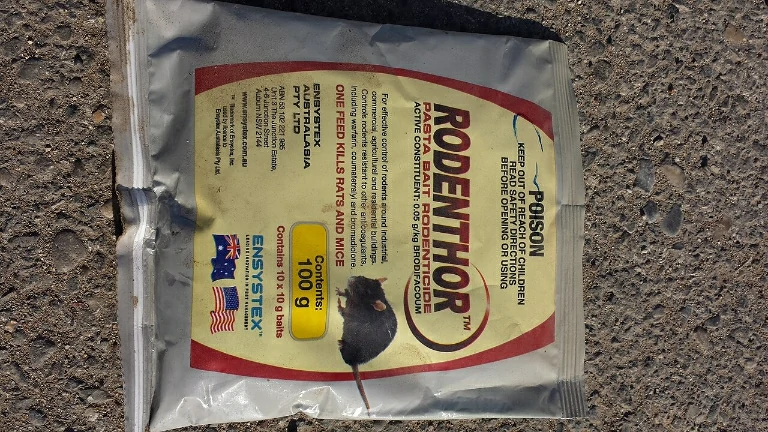
When you’re shopping for rat poison, you’ll see dozens of different products with confusing names and competing claims. Some work faster, some are safer for pets, and some are banned in certain states.
One ingredient that keeps coming up is brodifacoum, and it’s known as one of the most powerful rat poisons available. What rat poison has brodifacoum?
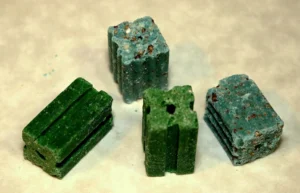
Many popular rat poison brands contain brodifacoum, including d-CON Corner Fit Mouse Poison Bait Station, Tomcat All-Weather Bait Chunx, JT Eaton Bait Block, and Havoc Rodenticide Bait Packs. Brodifacoum is a second-generation anticoagulant that’s extremely potent and can kill rats after a single feeding, though death still takes several days.
Brodifacoum is one of the strongest anticoagulant rodenticides available to consumers in many areas, though some states have banned or restricted it due to environmental concerns.
Knowing which products contain brodifacoum helps you make informed decisions about effectiveness, safety, and legal compliance when dealing with your rat problem.
Common Brands That Contain Brodifacoum
Here’s a table of widely available rat poison products that contain brodifacoum as their active ingredient:
| Product Name | Brodifacoum Concentration | Form | Intended Use | Restricted in California |
|---|---|---|---|---|
| d-CON Corner Fit Mouse Poison Bait Station | 0.005% | Pre-filled station | Mice and rats | Yes |
| Tomcat All-Weather Bait Chunx | 0.005% | Blocks | Rats and mice | Yes |
| JT Eaton Bait Block | 0.005% | Blocks | Rats and mice | Yes |
| Havoc Rodenticide Bait Packs | 0.005% | Pellet packs | Rats and mice | Yes |
| Contrac All-Weather Blox | 0.005% | Blocks | Rats and mice | Yes |
| Ditrac All-Weather Blox | 0.005% | Blocks | Rats and mice | Yes |
| Fastrac All-Weather Blox | 0.005% | Blocks | Rats and mice | Yes |
| Talon-G Rodenticide | 0.005% | Pellets | Rats and mice | Yes |
Most brodifacoum products use the same concentration (0.005%), which has been determined to be effective for killing rats while minimizing the amount of active ingredient needed.
Professional-grade products might have slightly higher concentrations but they’re not available to general consumers.
Why Is Brodifacoum So Effective?
Brodifacoum belongs to a class of rodenticides called second-generation anticoagulants. These were developed in the 1970s and 1980s to overcome resistance that rats had developed to older first-generation anticoagulants like warfarin.
What makes brodifacoum special is its extreme potency. A rat only needs to eat brodifacoum bait once to consume a lethal dose.
The chemical is so powerful that a single feeding session can deliver enough poison to kill the rat, even though death still takes three to seven days.
Brodifacoum also persists in the rat’s body for an exceptionally long time. It has a half-life of 120-300 days in rats, meaning it stays in their system for months.
This persistence ensures that once a rat eats enough brodifacoum, there’s no chance of recovery even if the rat stops eating the bait.
The chemical works by blocking vitamin K epoxide reductase, an enzyme needed to recycle vitamin K. Without this enzyme, the rat can’t make clotting factors, and it develops uncontrolled internal bleeding that eventually kills it.
How Brodifacoum Compares to Other Rat Poisons
First-generation anticoagulants like warfarin, chlorophacinone, and diphacinone require rats to eat poison multiple times over several days to consume a lethal dose.
If a rat only eats the bait once or twice, it might survive. Brodifacoum eliminates this problem by being lethal after a single feeding.
Other second-generation anticoagulants like bromadiolone and difethialone work similarly to brodifacoum, but brodifacoum is generally considered the most potent.
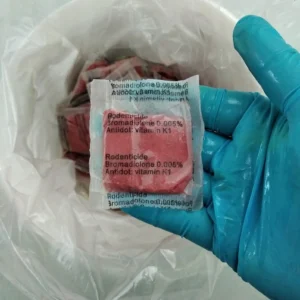
It requires the smallest amount to kill a rat, which is why it’s so popular in commercial products.
Non-anticoagulant poisons like bromethalin work through different mechanisms (bromethalin causes brain swelling).
These can kill rats faster than brodifacoum, sometimes in one to two days instead of three to seven. However, they don’t have antidotes like anticoagulants do.
Cholecalciferol (vitamin D3) and zinc phosphide are other alternatives that work differently from brodifacoum. They might be safer for wildlife in terms of secondary poisoning, but they’re not as reliably effective as brodifacoum for killing resistant rat populations.
The Dangers of Brodifacoum to Pets
Brodifacoum’s extreme potency makes it very dangerous to pets. If your dog eats brodifacoum rat poison, even a small amount can cause serious problems. A 50-pound dog can be fatally poisoned by eating less than half an ounce of typical brodifacoum bait.
What makes brodifacoum especially dangerous is that it stays in the body for so long. Treatment for brodifacoum poisoning in pets requires vitamin K1 therapy for four to six weeks, much longer than the two to three weeks needed for first-generation anticoagulant poisoning.
Secondary poisoning is also a major concern. When your cat catches and eats a rat that consumed brodifacoum, the accumulated poison in the rat’s liver can be enough to poison your cat.
This happens more often with brodifacoum than with less potent poisons because so much of it builds up in the rat’s body.
Symptoms of brodifacoum poisoning in pets include weakness, pale gums, difficulty breathing, coughing, bloody nose, blood in urine or stool, and bruising.
These symptoms might not appear for two to five days after exposure, which is why immediate treatment is critical even if your pet seems fine right after eating the poison.
Why Is Brodifacoum Restricted in Some Areas?
California banned consumer sales of second-generation anticoagulants including brodifacoum in 2014. This decision came after studies showed these poisons were killing significant numbers of predatory birds, mountain lions, bobcats, and other wildlife.
When predators eat rats poisoned with brodifacoum, they accumulate the poison in their own bodies.

Because brodifacoum persists for so long, eating multiple poisoned rats over time can build up lethal levels. Studies found brodifacoum in the blood of over 70% of tested mountain lions in some California areas.
The environmental impact was so severe that regulators decided the benefits of allowing consumer brodifacoum use didn’t outweigh the harm to wildlife.
Professional pest control operators can still use brodifacoum under strict regulations, but homeowners can’t buy it.
Other states are considering similar restrictions. Washington, Hawaii, and some localities in other states have either banned or limited brodifacoum use.
The trend is moving toward restricting these powerful second-generation anticoagulants due to environmental concerns.
How to Identify Brodifacoum Products
Always read the active ingredients list on any rat poison before buying it. This information is printed on the product label, usually on the back or bottom of the package. Look for “brodifacoum” listed under “Active Ingredient” or “Active Ingredients.”
The concentration is listed as a percentage, typically 0.005% for consumer products. This might seem like a tiny amount, but remember that brodifacoum is so potent that this concentration is lethal to rats.
Product names don’t always indicate what’s inside. A product called “Fast-Acting Rat Killer” might contain brodifacoum, bromethalin, or something else entirely.
Don’t rely on marketing names, always check the actual ingredients.
If you live in California or another area where brodifacoum is restricted, make sure you’re not buying an illegal product online. Some websites will ship restricted products to states where they’re banned. You could face fines for possessing illegal rodenticides.
Proper Use of Brodifacoum Products
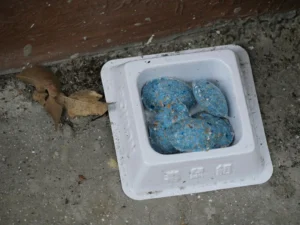
If you’re in an area where brodifacoum products are legal and you decide to use them, always use tamper-resistant bait stations.
These stations prevent pets, children, and wildlife from accessing the poison directly while allowing rats to enter and feed.
Place bait stations along walls in areas where you’ve seen rat activity. Rats travel the same routes repeatedly, so positioning stations along these paths increases the likelihood rats will find and eat the bait.
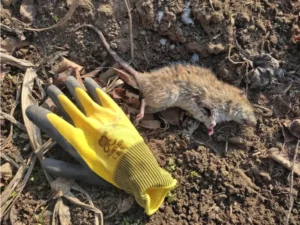
Wear gloves when handling brodifacoum products. The poison can be absorbed through your skin, and you don’t want to risk exposure or accidentally transfer it to food or surfaces you’ll touch later.
Check bait stations every few days to see if rats are consuming the bait. If the bait blocks are being eaten, refill the station. If bait remains untouched after a week, consider relocating the station to a different area with more rat activity.
Keep children and pets away from areas where you’ve placed bait stations. Even though the stations are tamper-resistant, it’s better to add an extra layer of safety by placing them in locations that kids and pets don’t access.
What to Do If Your Pet Eats Brodifacoum
If you see your pet eat brodifacoum poison or even suspect they might have eaten it, get them to a veterinarian immediately. Don’t wait for symptoms to appear.
The sooner treatment starts, the better the outcome.
Bring the poison package with you to the vet. They need to know exactly what active ingredient is involved because treatment protocols differ for different poisons. Brodifacoum requires longer treatment than less potent anticoagulants.
Your vet will likely induce vomiting if the exposure was recent (within a few hours). They’ll give activated charcoal to absorb any poison still in the digestive system. Then they’ll start vitamin K1 therapy, which your pet will need for four to six weeks.
During treatment, your pet will need regular blood tests to monitor clotting ability. These tests (called PT/PTT or clotting times) show whether the vitamin K1 dose is adequate and when it’s safe to stop treatment.
Don’t try to treat brodifacoum poisoning at home. Vitamin K1 must be prescription-grade and given at the right dose for the right duration.
Stopping treatment too early can lead to a relapse where bleeding problems return.
What Is The Cost of Brodifacoum Products?
Brodifacoum-based rat poisons are generally mid-priced compared to other options. A box of bait blocks or a pre-filled bait station typically costs $10-25, depending on the quantity and brand.
This is more expensive than first-generation anticoagulant products (which might cost $5-15) but less expensive than some newer alternatives like bromethalin or cholecalciferol products (which can cost $20-40).
The higher upfront cost compared to warfarin-based products is often worth it because brodifacoum works on resistant rats that won’t die from warfarin.
If you’ve been using cheap warfarin bait for months without results, spending more on brodifacoum might actually save money by solving the problem faster.
However, factor in potential costs if things go wrong. A single emergency vet visit for brodifacoum poisoning can cost $500-2,000, and that doesn’t include the four to six weeks of vitamin K1 treatment and follow-up visits.
The “savings” from using powerful poison disappear fast if your pet gets into it.
Brodifacoum Resistance in Rats
While brodifacoum was developed to overcome warfarin resistance, some rat populations are now developing resistance to brodifacoum too. This resistance is less common than warfarin resistance but it’s growing in areas where brodifacoum has been used heavily for decades.
Resistant rats have genetic mutations that make them less sensitive to brodifacoum’s effects. They need to eat much more poison to be killed, or in some cases, they can survive doses that would kill normal rats.
If you’re using brodifacoum products and rats are eating the bait but not dying, resistance might be the problem. This is more likely in urban areas with dense rat populations that have been exposed to poison for many years.
When resistance is an issue, rotating to a different class of rodenticide (like bromethalin or zinc phosphide) can work better than just using more brodifacoum. Different mechanisms of action mean resistant rats might still be vulnerable to non-anticoagulant poisons.
Alternatives If You Can’t Use Brodifacoum
If you live in California or another area where brodifacoum is restricted, or if you’re uncomfortable using such a potent poison, you have several alternatives.
Bromethalin products like Tomcat with Bromethalin work differently by causing brain swelling. They kill rats faster than anticoagulants (one to four days instead of three to seven) and there’s no widespread resistance yet.
The downside is there’s no antidote if pets are poisoned.
First-generation anticoagulants like diphacinone and chlorophacinone are still available in California and other restricted areas.
They’re less potent than brodifacoum and require multiple feedings, but they work on non-resistant rats and pose less risk to wildlife through secondary poisoning.
Cholecalciferol (vitamin D3) products kill rats through kidney failure and calcium buildup.
They’re less likely to cause secondary poisoning because the poison doesn’t accumulate in the rat’s body as much as brodifacoum does.
Non-chemical methods include snap traps, electronic traps, and exclusion (sealing entry points). Many people are moving away from poison entirely in favor of traps combined with exclusion and habitat modification.
How Long Does Brodifacoum Take to Work?
After a rat eats a lethal dose of brodifacoum, death typically occurs three to seven days later.
The rat doesn’t die immediately because it takes time for existing clotting factors in the blood to be used up and for vitamin K stores to be depleted.
During those three to seven days, the rat might continue eating the brodifacoum bait, accumulating even more poison.
This ensures death and prevents any chance of survival, but it also increases the amount of poison in the rat’s body, which makes secondary poisoning of predators more likely.
The rat shows no obvious symptoms for the first few days. It continues normal activities, eating, drinking, and moving around. Internal bleeding starts around day three or four, and the rat becomes weaker and more lethargic.
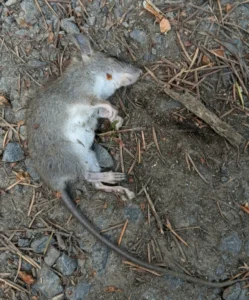
By day five to seven, the rat has usually died from internal bleeding and blood loss. The exact timeline varies based on how much poison the rat consumed, the rat’s size and health, and individual variation in sensitivity to the poison.
Storage and Disposal of Brodifacoum Products
Store brodifacoum products in their original packaging in a cool, dry place out of reach of children and pets. A locked cabinet or high shelf in a garage or shed works well.
Never transfer poison to unmarked containers.
Keep the product dry and away from extreme temperatures. Heat, humidity, and moisture can degrade the poison and reduce its effectiveness.
Properly stored brodifacoum bait can remain effective for one to three years.
When you’re done using the poison and need to dispose of leftover bait, don’t just throw it in the trash where animals could get into it. Check if your local hazardous waste facility accepts rodenticides. Many communities have collection days for pesticides and similar products.
If hazardous waste disposal isn’t available, the EPA recommends double-bagging unused bait in sealed plastic bags and disposing of it in your regular trash, but only if your trash is secure from animals. Never dump poison outdoors or pour it down drains.
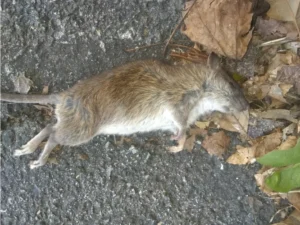
Dispose of dead rats found near bait stations carefully. Wear gloves and seal the body in a plastic bag before putting it in the trash. The rat’s body contains poison that could harm scavengers, so you don’t want it accessible to other animals.
Conclusion
Many popular rat poison brands contain brodifacoum, including d-CON, Tomcat, JT Eaton, and Havoc products. This second-generation anticoagulant is extremely potent and can kill rats after a single feeding, making it one of the most effective rodenticides available.
However, brodifacoum’s power comes with serious risks. It’s highly dangerous to pets and wildlife, persists in the environment for months, and is restricted or banned in several states due to environmental concerns.
If you choose to use brodifacoum products, always use tamper-resistant bait stations, follow all label directions, and be prepared for the long treatment period if your pet is accidentally poisoned.
Consider whether brodifacoum is really necessary for your situation. First-generation anticoagulants, alternative poisons, or non-chemical methods like traps and exclusion might solve your rat problem with fewer risks.
The most powerful poison isn’t always the best solution, especially when safer alternatives can be just as effective with proper use.

Hi, my name is Ezra Mushala, i have been interested animals all my life. I am the main author and editor here at snakeinformer.com.