
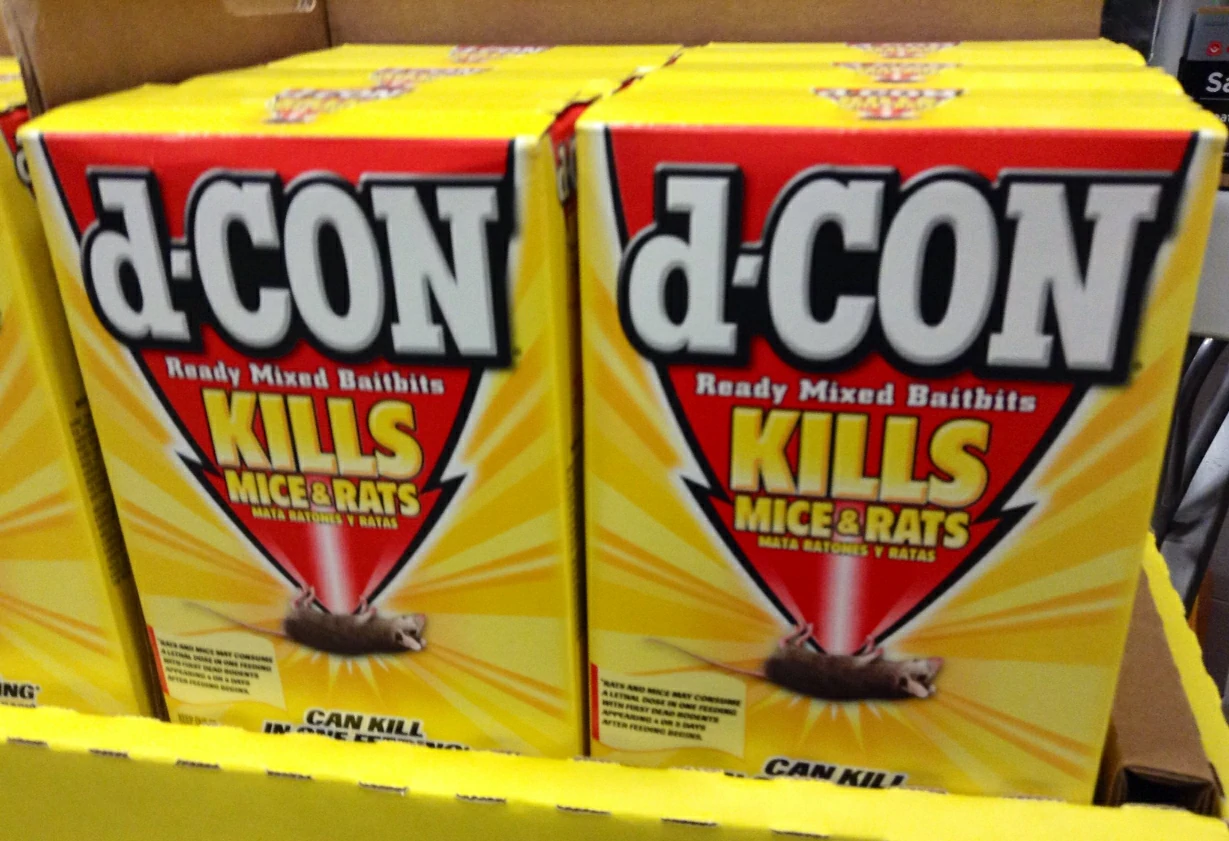
Rat poison is one of the most common ways people try to deal with rodent problems in their homes, barns, and other buildings. You put it out, the rats eat it, and the problem goes away.
But if you’ve ever wondered about how rat poison actually works, you might be curious about what happens to the rat after it eats the poison. Does rat poison hurt rats?
Yes, rat poison does hurt rats. Most rat poisons cause internal bleeding, which leads to pain, weakness, and difficulty breathing before the rat dies. The process can take anywhere from a few days to over a week, and the rat will suffer during this time.
The way rat poison works means rats don’t just peacefully fall asleep and pass away.
They go through a painful process that can last several days, experiencing symptoms like internal bleeding, extreme thirst, difficulty breathing, and organ failure before they finally die.
How Rat Poison Actually Works
Most rat poisons you can buy use something called anticoagulants. These are chemicals that stop the blood from clotting properly.
When a rat eats this poison, its blood slowly loses the ability to clot.
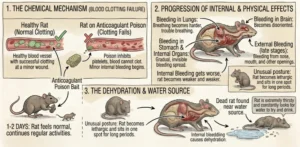
Over the next few days, the rat starts bleeding internally. This happens inside its body where you can’t see it. The bleeding might happen in the rat’s stomach, lungs, brain, or other organs.
As the internal bleeding gets worse, the rat becomes weaker and weaker. It might have trouble breathing if there’s bleeding in its lungs.
It might become disoriented if there’s bleeding in its brain. The rat will also become very thirsty and look for water constantly.
What Rats Experience After Eating Poison
When a rat eats poison, it doesn’t feel the effects right away. The rat will go about its normal activities for the first day or two.
This is actually why rat poison works so well, because the rat doesn’t connect eating the poison with feeling sick.
But after a couple of days, things start to go downhill fast. The rat will become lethargic and weak. It won’t want to move around much.
You might see it sitting in one spot for long periods, which is unusual for rats since they’re normally very active animals.
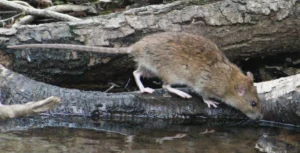
The rat will also become extremely thirsty. This happens because the internal bleeding causes the rat to become dehydrated.
If you’ve ever put out rat poison, you might notice dead rats near water sources. They were trying to drink water to deal with the extreme thirst.
As the bleeding continues, the rat will have more and more trouble breathing. Its lungs might fill with blood, making each breath harder than the last. The rat might also start bleeding from its nose, mouth, or other openings in its body.
The Timeline of Suffering
The suffering doesn’t happen all at once. It’s a gradual process that can be really difficult for the rat.
Here’s what typically happens over time:
| Time After Eating Poison | What Happens |
|---|---|
| Day 1–2 | The rat may appear mostly normal. It may continue eating the poison because it doesn’t feel sick yet. |
| Day 3–4 | The rat becomes less active and may isolate itself. Internal bleeding has started, and it may become increasingly thirsty. |
| Day 5–7 | The rat becomes very weak and may have difficulty moving or breathing. Visible bleeding from the nose or mouth may occur. |
| Day 7–10 | Death usually occurs during this period, depending on the amount and type of poison eaten. Some poisons work faster, while others may take longer. |
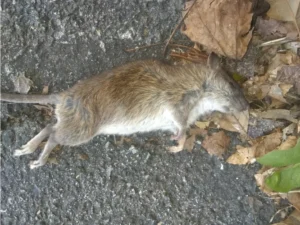
On day one or two after eating the poison, the rat seems mostly normal.
It might eat the poison multiple times during this period, which makes the effects even worse later on. The poison is building up in its system, but the rat doesn’t know anything is wrong yet.
By day three or four, the rat starts showing signs that something’s wrong. It becomes less active and might isolate itself from other rats.
It starts looking for water more desperately than usual. The internal bleeding has started, even though you can’t see it from the outside.
By day five to seven, the rat is in serious trouble. It’s very weak and can barely move. Breathing becomes labored and difficult. The rat might have visible bleeding from its nose or mouth. It’s suffering quite a bit at this point.
Death usually comes within a week to ten days, depending on how much poison the rat ate and what type of poison it was.
Some newer poisons work faster, while older types can take even longer.
Different Types of Rat Poison Cause Different Suffering
Not all rat poisons work exactly the same way, and some cause more suffering than others.
The most common type is the anticoagulant poison we already talked about.
These include things like warfarin, bromadiolone, and brodifacoum.
There are also older types of rat poison that work differently. Some use substances like bromethalin, which attacks the rat’s nervous system.
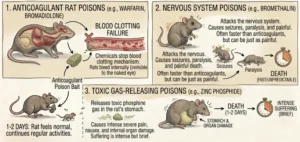
This causes the rat to have seizures and eventually leads to paralysis and death. This can be just as painful, if not more so, than anticoagulant poisons.
Another type uses zinc phosphide, which releases toxic gas in the rat’s stomach.
This causes severe pain, nausea, and damage to the rat’s internal organs. Death comes faster with this type, usually within a day or two, but the suffering is intense during that time.
Some really old rat poisons used things like strychnine, which causes extremely painful muscle spasms and seizures.
These are banned in many places now because they’re considered too cruel, even for killing pests.
Why Rats Keep Eating the Poison
You might wonder why rats keep eating poison if it’s hurting them. The answer is actually built into how the poison works. The poison is designed so the rat doesn’t feel sick right away.
If the rat got sick immediately after eating the poison, it would learn to avoid it. Rats are really smart animals and they can learn to connect food with feeling sick.
This is called bait shyness, and it’s a big problem with some types of pest control.
But because anticoagulant poisons take days to cause symptoms, the rat never makes that connection. By the time the rat starts feeling sick, it’s already eaten the poison multiple times. It doesn’t realize the poison is what’s making it feel bad.
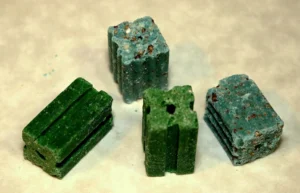
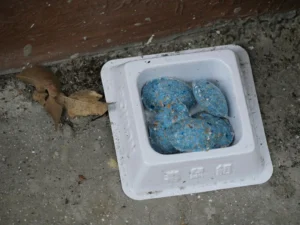
The poison is also usually mixed with things that taste good to rats. Peanut butter, grains, and other attractive foods are used to make the poison appealing.
The rat thinks it’s found a great food source and keeps coming back for more.
What Happens to Rats That Don’t Die Right Away?
Sometimes rats eat poison but don’t eat enough to kill them right away. These rats go through a really rough time. They might recover if they stop eating the poison and their body eventually clears it out, but the recovery process is painful.
During recovery, these rats are very weak and vulnerable. They can’t defend themselves well against predators or other rats. They might lose their place in the social hierarchy if they live in a group. Other rats might even attack them because they seem sick.
Some rats that survive a poisoning will develop a resistance to that type of poison. Their bodies learn to deal with the anticoagulant better.
This is actually becoming a big problem in pest control, because there are now “super rats” that are resistant to common rat poisons.
The Ethics of Using Rat Poison
When you think about how much rats suffer from poison, it raises some questions about whether this is the right way to deal with rat problems.
Many people who work in animal welfare think rat poison is one of the cruelest ways to kill an animal.
The suffering lasts for days, and the rat experiences pain, fear, and distress throughout that time. If you had to watch a rat go through this process, you’d probably find it pretty disturbing.
But because it happens out of sight (usually in walls, attics, or other hidden places), most people don’t think about it much.
There are more humane ways to deal with rats. Snap traps, when used correctly, can kill a rat instantly or within seconds. This is much faster and less painful than poison.
Electronic traps are even better, delivering a shock that kills the rat in under a second.
Live traps are another option, though you then have to figure out what to do with the rat once you’ve caught it. Releasing it somewhere else just makes it someone else’s problem, and the rat might not survive in an unfamiliar area anyway.
Secondary Poisoning Is Another Problem
It’s not just the rats that suffer from rat poison. Other animals can get poisoned too, and they go through the same painful process. This is called secondary poisoning.
When a rat eats poison and then dies, its body still contains that poison. If another animal eats the dead rat, that animal gets poisoned too. This happens a lot with pets like dogs and cats, but it also affects wildlife.
Owls, hawks, and other birds of prey often eat rats. If they eat a poisoned rat, they get poisoned too. These birds go through the same internal bleeding and suffering that the rat did. Many birds of prey have died from eating poisoned rats.
Even if the poisoned rat doesn’t die right away, predators might catch it more easily because it’s weak and slow. That predator then eats a rat that’s full of poison, and the cycle continues.
This has become such a serious problem that some places have started banning certain types of rat poison. California, for example, has restricted the use of second-generation anticoagulants because they’re killing too many wild animals.
Signs a Rat Has Been Poisoned
If you’ve put out rat poison, you might see rats showing signs that they’ve eaten it. Understanding these signs can help you know if the poison is working, but it also shows you how much the rat is suffering.
Poisoned rats often come out during the day, which is unusual since rats are normally nocturnal. They do this because they’re so weak and disoriented that they can’t think straight. They might stumble around or move very slowly.
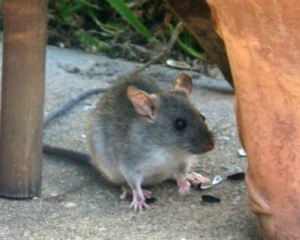
You’ll often find poisoned rats near water sources. They’re desperately thirsty and trying to drink as much as possible. They might be sitting by a water bowl, a sink, or any other place where water is available.
Blood might be visible around the rat’s nose or mouth. This is a sign that the internal bleeding has gotten really bad. The rat is probably in severe distress at this point and will likely die within a day or two.
The rat might also be breathing heavily or gasping for air. This happens when blood fills up its lungs. Each breath is a struggle, and you can often hear the rat making wheezing or gurgling sounds.
Alternatives That Cause Less Suffering
If you need to deal with rats but don’t want to cause days of suffering, there are better options. Snap traps are probably the most humane widely available option.
When they work correctly, they kill the rat instantly by breaking its neck or crushing its skull.
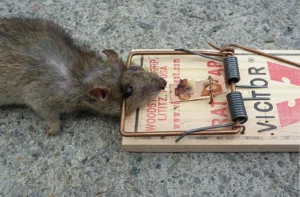
The key is to use good quality snap traps and set them correctly. Cheap traps or poorly set traps might not kill the rat right away, which defeats the purpose.
You want a trap that’s strong enough to kill instantly.
Electronic traps are even better. These are boxes that the rat enters, and once it’s inside, it gets hit with a strong electrical shock that kills it in less than a second.
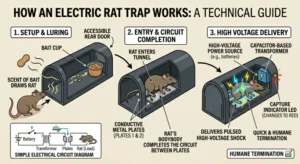
The rat doesn’t see it coming and doesn’t suffer.
Prevention is really the best approach though. If you can keep rats from getting into your space in the first place, you don’t have to kill them at all.
Seal up holes and gaps in your building. Keep food stored in sealed containers. Remove things that attract rats, like garbage and clutter.
If you have a lot of rats, you might need professional help. Pest control professionals have access to better tools and methods than what you can buy at the store.
They can also help you figure out why you have rats in the first place and how to prevent them from coming back.
Conclusion
So does rat poison hurt rats? Yes, it absolutely does. Rat poison causes days of suffering through internal bleeding, pain, extreme thirst, and difficulty breathing before the rat finally dies.
The process is slow and painful, taking anywhere from a few days to over a week. During this time, the rat experiences increasing distress as its body slowly fails. It’s not a peaceful or painless way to die.
If you need to deal with rats, consider using methods that kill instantly, like snap traps or electronic traps. These cause much less suffering than poison.
Better yet, focus on prevention so you don’t have to kill rats in the first place. Seal up your building, remove food sources, and make your space less attractive to rats.
Rat poison might seem like an easy solution, but when you understand what it does to the rat, you might decide it’s worth looking for a better way.

Hi, my name is Ezra Mushala, i have been interested animals all my life. I am the main author and editor here at snakeinformer.com.