
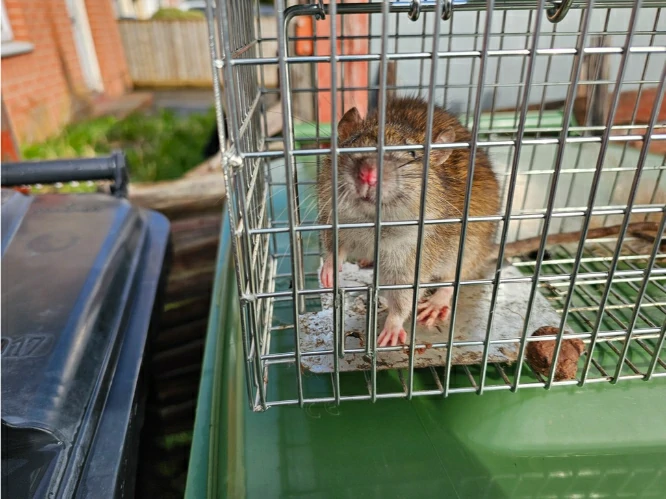
Rat cage traps offer a humane way to catch rats without killing them. Unlike snap traps or poison, cage traps capture the rat alive so you can release it far from your home or deal with it in whatever way you choose.
But just buying a cage trap and putting it on your floor won’t get you results. There’s actually a specific way to use these traps if you want them to work. How do you use a rat cage trap effectively?
To use a rat cage trap, you need to place it along walls where rats travel, load attractive bait at the back of the trap, set the spring-loaded door mechanism correctly, and check the trap twice daily. Success depends on proper placement, good bait, and patience while the rats get comfortable approaching the trap.
Using a cage trap isn’t complicated, but there are some important steps you need to follow if you want to actually catch rats. Let’s walk through everything you need to know.
Understanding How Rat Cage Traps Actually Work
Before you start using your trap, it helps to understand the basic mechanism. This knowledge will help you set it up correctly and troubleshoot problems when they come up.
Most rat cage traps are simple wire or metal cages with a spring-loaded door at one end. Inside the trap, there’s a trigger plate (usually a flat piece of metal on the floor) that’s connected to the door mechanism through a rod or wire system.
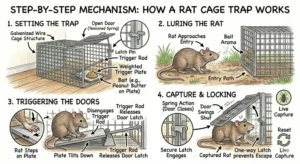
When a rat walks into the trap and steps on the trigger plate, the plate moves slightly downward. This movement releases the door, which slams shut behind the rat. The rat is now trapped inside and can’t get out.
The whole system works on balance and tension. When you set the trap, you’re creating a delicate setup where even a small amount of weight (like a rat) will cause the door to release.
Different traps have slightly different mechanisms, but they all work on this same basic principle.
Choosing the Right Location for Your Trap
Where you place your trap is probably the single most important factor in whether you’ll catch anything. You can have the best bait and the perfect setup, but if the trap isn’t in the right spot, rats will never find it.
Rats don’t wander randomly around your house. They follow the same paths over and over again, usually along walls and in corners. These paths are called runways, and they’re where you want to place your traps.

Look for signs that will tell you where rats are traveling. Small dark droppings are the most obvious sign. Fresh droppings are soft and dark, while old droppings are hard and gray. You want to find areas with fresh droppings.
You might also see grease marks along walls. Rats have oily fur, and when they run along the same path repeatedly, they leave dark smudges on the walls. These marks show you exactly where the rats are traveling.
Gnaw marks on wood, plastic, or cardboard also indicate rat activity. If you see small tooth marks on the corners of boxes or the edges of furniture, rats are probably using that area regularly.
How Rats Move Through Your Home
Understanding rat behavior helps you predict where to place your traps. Rats prefer to move along edges rather than out in the open. They feel safer when they have something solid on one side of them.
This means rats will run along baseboards, behind furniture, and in the narrow spaces between appliances and walls. They rarely cross open floor spaces unless they absolutely have to.

Rats are also more active at night. During the day, they usually stay hidden in their nests. When the sun goes down and your house gets quiet, that’s when they come out to search for food and water.
They also tend to use vertical spaces more than people realize. Rats are excellent climbers and can easily scale walls, pipes, and furniture. Don’t assume rats are only on your floor. Check attics, high shelves, and anywhere with vertical access.
Preparing Your Trap Before Use
When you first get a cage trap, don’t just set it up and expect immediate results. There are some preparation steps that will improve your success rate significantly.
First, wash the trap if it’s brand new. New traps often have manufacturing oils and smells on them that can repel rats. Use hot water and a small amount of dish soap, then rinse the trap very thoroughly. Let it dry completely.
Some people like to “age” their trap by leaving it outside for a few days before using it. This gets rid of the new metal smell and can make the trap less suspicious to rats. You can also rub dirt on the trap to mask any human or chemical odors.
Check that the trigger mechanism works properly. Push down gently on the trigger plate and make sure the door snaps shut quickly. If it’s sluggish or doesn’t close all the way, adjust the mechanism before you set the trap with bait.
Also think about whether you want to pre-bait the trap. This means leaving the trap unset with food inside for a few days so rats get used to eating from it. Once they’re comfortable, you set the mechanism and catch them easily.
What Bait Works Best in Cage Traps
The bait you choose can make or break your trapping success. Rats are attracted to foods with strong smells and high calories, but different rats sometimes have different preferences.
Peanut butter is the most popular bait for good reason. It has a strong smell that attracts rats from a distance, it’s sticky so they can’t just grab it and run, and rats really seem to love it. Put a small amount at the very back of the trap.
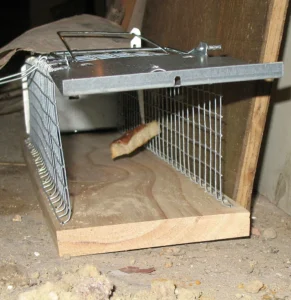
Other effective baits include chocolate (especially chocolate-hazelnut spread), bacon or other cooked meats, dried fruits like raisins or cranberries, nuts (whole or crushed), and even pet food. Some rats prefer one food over another, so you might need to experiment.
During cold weather, nesting material can actually work better than food. Rats need warm places to nest, so offering cotton balls, string, or strips of fabric can be very attractive. Place the material at the back of the trap just like you would with food.
Don’t use too much bait. A small amount is better because it forces the rat to fully enter the trap and step on the trigger plate. If you pile food everywhere, they might be able to reach it without going far enough into the trap.
Setting Up the Trap Mechanism Correctly
This is where a lot of people make mistakes. Setting the trigger mechanism correctly is critical, and it takes some practice to get it right.
Start by opening the trap door. Most traps have a door that lifts straight up. Pull it up until it locks into the open position. You should feel or hear a click when it’s ready.
Next, you need to connect the door to the trigger plate. This usually involves hooking a small metal rod or wire from the door to a notch or hole on the trigger plate. The exact method varies by trap model, so check your instructions if you have them.
Once connected, the door should be held open by very light tension. If you gently push down on the trigger plate, the door should immediately slam shut. If it doesn’t, the connection isn’t right. Try again.
The sensitivity of the trigger is important. If it’s too tight, a rat might not be heavy enough to trigger it. If it’s too loose, the door might close from vibrations or air movement before a rat even gets inside. You want it just sensitive enough that a rat’s weight will reliably trigger it.
Where to Actually Place the Set Trap
Now that your trap is baited and set, you need to position it strategically. Remember, rats follow walls and prefer enclosed spaces.
Place the trap so the entrance is facing the direction rats are likely to come from. If you see droppings along a wall, put the trap entrance facing along that wall, not perpendicular to it.

Push the trap right up against the wall or baseboard. There should be no gap between the trap and the wall. Rats won’t walk between the trap and wall if there’s space. They’ll just go around the trap entirely.
Make sure the trap is on a flat, stable surface. If it’s wobbly or tilted, the trigger mechanism might not work correctly. The rat’s weight needs to push straight down on the plate for the door to release properly.
If you have multiple areas with rat activity, use multiple traps. Don’t rely on a single trap to catch all your rats. The more traps you have out, the better your chances of success.
What to Do After Setting the Trap
Once your trap is set and placed, you can’t just forget about it. There are some things you should and shouldn’t do while waiting for a catch.
First, minimize activity in the area where you’ve placed the trap. Rats are cautious animals, and if there’s constant noise and movement, they won’t approach the trap. Keep pets away if possible.
Don’t keep moving the trap around. Rats notice when things in their environment change, and a new object (your trap) already makes them suspicious. Give them time to get used to it being there before they’ll approach it.
Avoid using strong-smelling cleaning products or air fresheners near the trap. These odors can mask the smell of your bait and might actually repel rats. Keep the area as neutral-smelling as possible.
Check your trap at least twice a day, once in the morning and once in the evening. If you catch a rat, you want to deal with it as soon as possible. Leaving a rat trapped for many hours is stressful for the animal and isn’t humane.
How Long Before You Should See Results
If your trap is set up correctly in a good location, you should catch something within a few days. But this timeline can vary quite a bit depending on several factors.
If you’re seeing very fresh signs of rat activity (new droppings every day, things getting chewed overnight), you might catch a rat within 24 hours. Rats that are actively using an area will find your trap quickly.
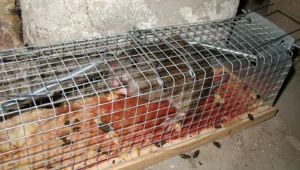
However, rats are naturally cautious of new objects in their environment. This is called neophobia, and it means they might avoid your trap for the first day or two even if it’s in the perfect spot. This is completely normal.
If a week goes by and you haven’t caught anything, something is probably wrong. Either the trap isn’t in the right location, the bait isn’t attractive enough, or the trigger mechanism needs adjustment. Don’t just keep waiting and hoping. Make changes.
Also consider that you might have fewer rats than you thought. If you catch one or two and then nothing for several days, you might have actually solved your problem. Check for fresh droppings and other signs to see if rats are still active.
Common Problems and How to Fix Them
Even when you think you’ve done everything right, problems can come up. Here are the most common issues people face and how to solve them.
If the bait keeps disappearing but you’re not catching anything, the trigger mechanism is probably set too loosely or incorrectly. The rat is able to grab the food without putting enough weight on the trigger plate. Try adjusting the sensitivity.
If the trap keeps going off on its own without catching anything, it’s set too sensitively. Small vibrations, drafts, or even the trap settling slightly are triggering the door. You need to make it less sensitive so it requires more weight to activate.
If you notice rats are avoiding the trap completely (you see fresh droppings around it but not near it), try moving the trap to a different spot. The location might not be on their regular path, or they might be able to access their food source without going near your trap.
Another solution is to try pre-baiting. Leave the trap unset with food inside for 2-3 days. Let the rats eat freely from it. Once they’re comfortable, set the mechanism and you’ll catch them easily.
Safety Considerations While Using the Trap
Cage traps are much safer than snap traps or poison, but you still need to be careful when working with them, especially once you’ve caught something.
Always wear gloves when handling a trap that has caught a rat. Rats can carry diseases, and you don’t want to come into direct contact with anything they’ve touched. Thick work gloves are better than thin latex gloves.
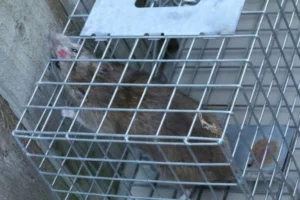
Keep your fingers away from the door mechanism when the trap is set. The door has a strong spring, and if it accidentally closes on your hand, it can hurt. Some traps have enough force to cause bruising or pinching.
If you have kids or pets, place traps in areas they can’t easily access. Even though the trap won’t seriously hurt them, you don’t want curious hands or paws messing with your setup and scaring away the rats.
When checking your trap, approach it carefully. Sometimes rats will be very aggressive when trapped, throwing themselves against the cage walls. Don’t stick your fingers near the bars or the rat might bite you through the cage.
What to Do When You Catch a Rat
When you check your trap and find you’ve caught a rat, you need to act quickly. Don’t leave the rat sitting in the trap for hours while you figure out what to do.
If you’re planning to release the rat, you need to transport it at least 2-3 miles away from your home. Rats have a strong homing instinct and can find their way back from shorter distances.
Cover the trap with a towel or blanket during transport. This keeps the rat calmer because it can’t see what’s happening. A stressed rat might hurt itself trying to escape.
If you’re not going to release the rat, you’ll need to euthanize it humanely or contact local animal control to see if they’ll take it. Check your local laws. In some areas, releasing rats is actually illegal.
Never try to open the trap near your house to let the rat go in your yard. The rat will likely just go right back inside your home. You haven’t solved the problem at all.
Conclusion
Using a rat cage trap effectively is about more than just setting up a cage and hoping for the best. You need to understand rat behavior, choose the right locations, use attractive bait, and set the mechanism correctly.
The keys to success are patience, proper placement along rat runways, checking your traps regularly, and being willing to adjust your strategy when something isn’t working. Rats are smart animals, and sometimes you need to outsmart them.
Cage traps offer a humane alternative to killing rats, and when used correctly, they can be just as effective as other trapping methods. Take the time to do it right, and you’ll see results.

Hi, my name is Ezra Mushala, i have been interested animals all my life. I am the main author and editor here at snakeinformer.com.