
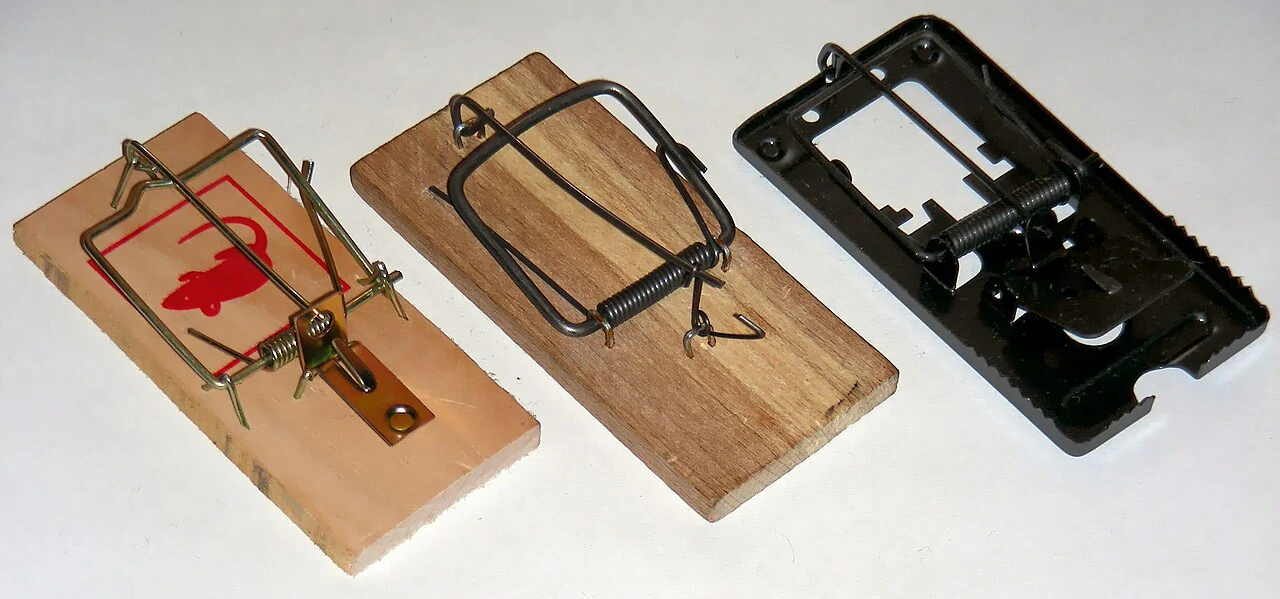
Walk into any hardware store and you’ll see a dozen different rat snap traps on the shelf. Some are made of wood, others are plastic. Some have fancy features, others stick with the classic design that’s been around for over a hundred years.
With so many options, it’s hard to know which one actually works best. What’s the most effective rat snap trap you can buy?
The Victor Metal Pedal Rat Trap is the most effective snap trap for rats. It has a larger size designed specifically for rats (not mice), a sensitive metal trigger plate that responds to light pressure, and a powerful spring that kills instantly. The classic wooden version costs around $3 to $5 and catches rats more reliably than fancy alternatives.
The best rat trap isn’t always the newest or most expensive one. Sometimes the old-school design that’s been around for decades works better than modern versions with bells and whistles.
Why the Victor Metal Pedal Trap Works So Well
The Victor Metal Pedal trap has been the gold standard for rat control since the early 1900s. It’s survived this long because the design just works.
The metal trigger plate is large and sensitive. When a rat steps on it or touches the bait, the trap fires immediately. There’s no delay, no hesitation.
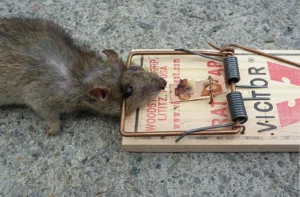
The spring is strong enough to kill a rat instantly when it comes down on the neck or head. This is more humane than traps with weaker springs that might injure a rat without killing it.
The wooden base is thick and stable. It doesn’t tip over when a rat investigates it, and it’s heavy enough that a trapped rat can’t drag it away.
You can find these traps at almost any hardware store, home improvement center, or online. They’re cheap, reliable, and pest control professionals use them all the time.
What Makes a Snap Trap Effective?
Not all snap traps are created equal. The most effective ones share a few key features that make them better at catching and killing rats.
First, size matters. Rat traps need to be bigger than mouse traps. A mouse trap might catch a small rat, but it won’t have enough power to kill a large adult rat.
The trigger mechanism needs to be sensitive but not too sensitive. If it’s too stiff, rats can steal the bait without setting it off. If it’s too sensitive, the trap will spring from vibrations or air currents.
The spring force is critical. A good rat trap has a strong spring that brings the kill bar down hard and fast. This needs to be powerful enough to kill instantly, not just injure.
The kill bar should be positioned to hit the rat’s head or neck. Traps designed with the right geometry catch rats in the right spot more consistently.
Finally, the trap needs to be easy to set. If it’s too complicated or dangerous to use, people won’t use it correctly, and it won’t work as well.
Victor Metal Pedal vs Other Popular Traps
The Victor Metal Pedal trap isn’t the only option, but it consistently outperforms other designs. Let’s look at how it compares.
The Tomcat Snap Trap is another popular choice. It works well and costs about the same as the Victor. The main difference is that the Tomcat has a slightly smaller trigger plate.
In practice, both catch rats effectively. The Victor has a slight edge because of its larger trigger area, but you can’t go wrong with either one.
Plastic snap traps like the JT Eaton Jawz trap are easier to clean and won’t rot if they get wet. They work well too, and some people prefer them.
The downside is that plastic traps can break more easily. If the plastic cracks or the hinge wears out, you need a new trap.
Expanded trigger traps have oversized trigger plates that cover most of the trap. The idea is that rats can’t avoid stepping on them.
These work okay, but they’re not necessarily better than the classic Victor design. Sometimes the larger trigger makes the trap too sensitive, and it goes off from things other than rats.
Why Wooden Traps Still Beat Plastic
You’d think plastic traps would be better than wooden ones. They’re easier to clean, they don’t rot, and they look more modern.
But wooden traps have a few advantages that keep them competitive. First, they’re heavier. A heavier trap is more stable and doesn’t tip over when a rat climbs on it.
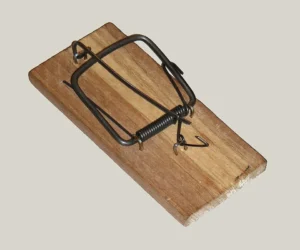
Wood also doesn’t have a strong smell. Some plastic traps have a chemical odor when they’re new, and rats can be sensitive to unusual smells.
Wooden traps are also cheaper. You can buy a pack of six Victor wooden traps for about the same price as two or three plastic ones.
The main advantage of plastic is that you can wash it thoroughly. If you’re planning to reuse traps many times, plastic makes more sense.
But if you don’t mind replacing traps after a few uses (or even after every catch), wooden traps give you more bang for your buck.
The Problem with Fancy Snap Trap Designs
Over the years, companies have tried to improve the classic snap trap with new features. Some of these work, but many don’t make the trap more effective.
Traps with covered designs (where the rat walks into a tunnel) are supposed to be cleaner and less disturbing to look at. In theory, this is nice.
In practice, rats are sometimes suspicious of enclosed spaces. They might investigate the entrance but not fully commit to going inside.
Open traps like the Victor don’t hide anything. Rats see the bait, walk up to it, and trigger the trap. Simple and effective.
Traps with built-in bait cups are convenient, but they don’t catch more rats than traps where you put bait directly on the trigger plate. The cup can actually make it easier for smart rats to steal the bait.
Some traps have teeth or grips on the kill bar to hold the rat in place. This prevents the rat from getting away, but it also makes cleanup messier.
The classic Victor design doesn’t need any of these features. It’s been catching rats for over a century without them.
How Trap Placement Affects Success
Even the best trap won’t work if you put it in the wrong spot. Rats are creatures of habit and they follow predictable paths.
Rats run along walls and edges. They don’t like being out in the open where predators can see them.
Place your trap right up against a wall, with the bait end facing the wall. When a rat runs along the baseboard, it’ll bump into the trap and investigate the bait.
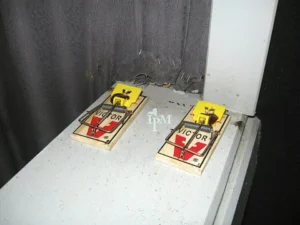
Look for signs of rat activity before you set traps. Droppings, gnaw marks, and greasy rub marks on walls all tell you where rats are traveling.
Good spots include: behind appliances, under sinks, in corners of basements or garages, along fence lines outside, and near any food sources.
Don’t put traps in the middle of rooms or away from walls. Rats won’t go there, so your trap will sit empty.
You can have the most effective trap in the world, but if it’s not where the rats are, it won’t catch anything.
The Right Bait Makes a Huge Difference
The trap itself is only half the equation. The bait you use matters just as much.
Peanut butter is hands down the best bait for rat snap traps. It’s sticky, smells strong, and rats love it.
Use just a small dab, about the size of a pea. If you use too much, rats can lick it off without putting enough pressure on the trigger plate.
Other good baits include: small pieces of bacon, dried fruit, chocolate, and nuts. All of these are high in fat and protein, which rats are naturally attracted to.
Cheese actually isn’t great for baiting rat traps, despite what cartoons have taught us. Rats can eat cheese, but they prefer other foods.
Don’t use liquid baits or anything that can drip off the trap. You want something that stays in place and forces the rat to work at getting it.
Fresh bait works better than old bait. If you’ve had a trap set for several days without catching anything, replace the bait. The smell fades over time.
Why You Need Multiple Traps
One trap won’t solve a rat problem. If you’ve seen one rat, there are almost certainly more hiding in your walls or attic.
Rats are social animals that live in groups. A single breeding pair can produce dozens of offspring in just a few months.

Set at least three to five traps in areas where you’ve seen rat activity. More traps mean more chances to catch rats.
Space them out along walls and in different rooms. Rats use multiple routes to move around your house, so you want to cover all the main pathways.
In bad infestations, you might need 10 or more traps. This sounds like a lot, but it’s actually the most effective way to get rid of rats quickly.
The Victor Metal Pedal trap is cheap enough that buying several doesn’t break the bank. A six-pack costs around $15 to $20.
How Long Do Victor Traps Last?
A well-made Victor trap can last for years if you take care of it. The spring might weaken eventually, but that takes a long time.
The wooden base can absorb blood and fluids from dead rats, which might make it smell after several uses. Some people clean and reuse them, others just throw them away.
If you clean the trap with soap and water after each use, you can get dozens of catches from a single trap.
The spring is the most important part. As long as the spring is strong and the metal parts aren’t bent or rusty, the trap will work.
Some people buy new traps after catching three or four rats just because they don’t want to deal with cleaning them. At $3 to $5 per trap, this is a reasonable approach.
The plastic version of the Victor trap (the Victor Easy Set) lasts longer because plastic doesn’t absorb fluids. You can wash it off and it’s good as new.
Victor Metal Pedal vs Victor Easy Set
Victor makes both wooden and plastic versions of their rat trap. Both use the same basic design, but there are a few differences.

The metal pedal (wooden version) costs less, usually $3 to $5 per trap. It’s the classic design that’s been around forever.
The Easy Set (plastic version) costs a bit more, around $6 to $8. It has a yellow plastic tab that makes it easier and safer to set.
The Easy Set is also easier to clean. You can rinse it off with a hose or put it in the dishwasher (though you probably don’t want to do that).
Both traps have the same spring strength and trigger sensitivity. They catch rats equally well.
The choice comes down to whether you want to spend less upfront (wooden) or have easier cleanup (plastic). For most people, the wooden version offers the best value.
What Pest Control Professionals Actually Use
If you want to know what really works, look at what the pros use when they’re dealing with rat infestations.
Most professional pest control companies use Victor Metal Pedal traps or very similar wooden snap traps. They buy them in bulk because they’re cheap and reliable.
Professionals don’t mess around with fancy traps or complicated setups. They stick with what works: simple snap traps, good bait, proper placement.
They also use a lot of traps. When a professional treats a house for rats, they might set 10 to 20 traps in a single visit.
The logic is simple: more traps catch more rats, and catching rats quickly is the goal. Snap traps work, so use lots of them.
If the people who do this for a living rely on Victor traps, that’s a pretty good endorsement.
Common Reasons Snap Traps Don’t Work
Sometimes people buy a good trap like the Victor Metal Pedal and still don’t catch any rats. Usually, this is because of user error, not a bad trap.
The most common mistake is wrong placement. If your trap isn’t where rats are traveling, it won’t work no matter how good it is.

Using the wrong bait is another issue. Cheese or dry bread won’t attract rats as well as peanut butter or bacon.
Not using enough traps is a big problem. One or two traps might eventually catch a rat, but you’ll get rid of the infestation much faster with more traps.
Setting the trap incorrectly can also cause problems. If the trigger is too stiff or not sensitive enough, rats might be able to steal the bait.
Finally, giving up too soon is a mistake. It can take a few days for rats to find and investigate new traps. Don’t move them around constantly or you’ll just confuse the rats.
Alternatives If Victor Traps Aren’t Available
The Victor Metal Pedal is widely available, but if you can’t find it, there are good alternatives.
The Tomcat Snap Trap is very similar and works almost as well. It’s sold at most hardware stores and home improvement centers.
The JT Eaton Jawz trap is a plastic option that’s easy to set and clean. It’s a bit more expensive but lasts longer.
Any snap trap designed specifically for rats (not mice) will work if it has a strong spring and a sensitive trigger. Read reviews before buying to make sure other people have had success with it.
Avoid traps that look too different from the classic design. Sometimes companies try to reinvent the wheel and end up making something less effective.
If you’re buying online, look for traps with at least a 4-star rating and hundreds of reviews. This tells you that real people have used them successfully.
Conclusion
The Victor Metal Pedal Rat Trap is the most effective snap trap you can buy because it combines a proven design, strong spring force, sensitive trigger, and affordable price.
It’s been catching rats reliably for over a hundred years, and it’s still the top choice for both homeowners and pest control professionals.
You don’t need fancy features or expensive alternatives. The classic wooden Victor trap works better than most modern designs, and it costs just a few dollars.
Buy several traps, use good bait, place them where rats actually travel, and check them daily. Do that with Victor traps and you’ll solve your rat problem quickly.
The most effective trap isn’t always the newest or most high-tech. Sometimes the old-school solution that’s been around forever is still the best.

Hi, my name is Ezra Mushala, i have been interested animals all my life. I am the main author and editor here at snakeinformer.com.