
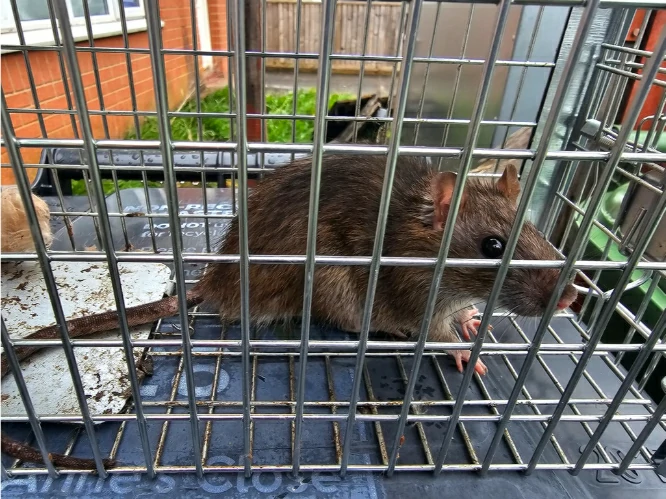
You’ve successfully caught a rat in your live trap, and now you’re faced with the next challenge. The rat is sitting in the cage, probably scared and trying to find a way out.
Releasing a trapped rat might seem simple, but if you do it wrong, you could get bitten, the rat could escape back into your house, or you might accidentally hurt the animal. How do you release a rat from a live trap safely?
To release a rat from a live trap, you need to transport the trap at least 2 to 3 miles away from your home, find a suitable outdoor location away from other buildings, wear thick gloves for protection, open the trap door while standing behind it, and step back quickly to let the rat run out on its own.
The actual release process only takes a few seconds, but the preparation and location choice are really what matter most. You can’t just open the trap in your backyard and expect the rat to leave your property for good.
Why You Can’t Just Release Rats in Your Backyard
A lot of people make the mistake of catching a rat and then releasing it right outside their house. This seems like the easiest solution, but it actually doesn’t solve your problem at all.
Rats have an incredibly strong homing instinct. Studies have shown that rats can find their way back to their original location from distances of up to a mile or more.

If you release a rat in your yard, there’s a very good chance it’ll be back inside your house within a day or two.
Even if the rat doesn’t come back inside, releasing it near your house just means it’ll live in your yard, garage, or shed instead. You haven’t really gotten rid of the problem. You’ve just moved it a few feet away.
This is why you need to take the rat far enough away that it can’t realistically find its way back. The general rule is at least 2 to 3 miles, though some experts recommend going even further if possible.
What You Need Before Releasing the Rat
Before you even pick up the trap, you should gather a few supplies to make the release process safer and easier for both you and the rat.
First and most important, you need thick gloves. Regular gardening gloves aren’t enough because rats can bite through thin fabric. You want heavy-duty leather work gloves or welding gloves that a rat’s teeth can’t penetrate.
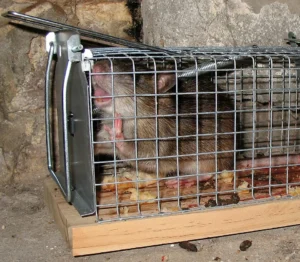
You’ll also want something to cover the trap during transport. A towel or blanket works well. Covering the trap helps keep the rat calm because it can’t see what’s happening. A calmer rat is less likely to hurt itself trying to escape.
Some people like to bring hand sanitizer or disinfectant wipes for after the release. Even though you’ll be wearing gloves, it’s a good idea to clean your hands after handling anything a rat has touched.
If you’re driving to the release location, you might want to put the trap inside a cardboard box or plastic bin for extra security during transport. This also protects your car in case the rat urinates or defecates in the trap.
Finding the Right Release Location
Choosing where to release your rat is actually really important. You can’t just dump it anywhere and hope for the best. You need to find a spot that’s far enough away but also gives the rat a chance to survive.
Look for natural areas like woods, fields, or parks that are at least 2 to 3 miles from your home. The area should have some form of shelter (trees, bushes, rocks) where the rat can hide and build a new nest.

Avoid releasing rats near other people’s homes or businesses. You don’t want to solve your rat problem by giving someone else a rat problem. That’s not fair to them, and in some areas, it might actually be illegal.
Also avoid releasing rats in completely open areas with no cover. Rats are prey animals, and if you release one in the middle of an empty field, it’ll likely get eaten by a hawk, owl, or other predator within hours.
While that might seem like nature taking its course, it’s not really humane if you can avoid it.
Make sure the release location has access to water. Rats need water to survive, so releasing one in a completely dry area is basically a death sentence. A location near a stream, pond, or other water source is ideal.
How to Transport the Trap Safely
Once you’ve got your gloves and covering ready, it’s time to pick up the trap. This part makes a lot of people nervous, but it’s actually pretty straightforward if you’re careful.
Pick up the trap by the handle or top, never by the sides near the rat. Keep the trap away from your body as you carry it. Rats can sometimes reach through the bars of cage traps, and you don’t want to get bitten through your clothes.
If the rat is acting really frantic and throwing itself against the sides of the trap, cover it with your towel or blanket before moving it. The darkness usually calms them down pretty quickly.
When you’re walking to your car, move slowly and steadily. Don’t shake or jolt the trap. This will just stress the rat out more and could potentially damage the trap’s mechanism.
Place the trap in your trunk or truck bed if possible. If you have to put it in the passenger area of your car, make sure it’s secured so it won’t slide around while you’re driving. Put it in a cardboard box or bin for extra protection.
Drive carefully to your release location. Sharp turns and sudden stops can throw the rat around inside the trap, which is stressful for the animal and could cause injury.
What to Do When You Arrive at the Release Site
When you get to your chosen location, don’t rush the release. Take a minute to look around and make sure this is really a good spot.
Check that there are no people nearby, especially kids who might be curious about what you’re doing. You don’t want anyone getting too close when you open the trap.

Look for predators too. If you see hawks circling overhead or hear dogs barking nearby, you might want to choose a different spot. You want to give the rat at least a fighting chance.
Find a spot with some natural cover nearby. A bush, a pile of rocks, or some dense grass gives the rat somewhere to run and hide immediately after release. Rats feel vulnerable in open spaces, so they’ll head for cover as soon as they can.
Position your car so you can get back to it quickly after the release. You don’t want to be fumbling with car doors while a potentially aggressive rat is nearby.
The Actual Release Process Step by Step
Now comes the moment you’ve been preparing for. Put on your thick gloves if you haven’t already. This is absolutely critical. Never release a rat without hand protection.
Place the trap on the ground in the spot you’ve chosen. Make sure the door is facing away from you and toward the natural cover you identified. You want the rat to run away from you, not toward you.
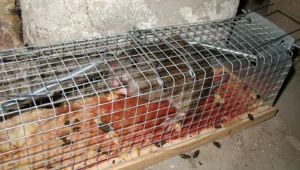
Position yourself behind or to the side of the trap, never in front of it. When that door opens, the rat is going to bolt, and you don’t want to be in its path.
Take a deep breath and quickly open the trap door. Different traps have different mechanisms, but most just require you to lift a latch or pull a handle. Do it quickly and confidently.
The second the door opens, step back. Don’t stand there watching. Give the rat space to exit on its own terms. Most rats will run out immediately, but some might hesitate for a few seconds before bolting.
What to Expect When the Rat Exits
When you first open the door, the rat might not move right away. This is actually pretty common. The rat has been trapped and stressed, and it needs a moment to realize it’s free.
Don’t poke at the trap or try to shake the rat out. Just be patient. In most cases, the rat will figure out it can leave within 5 to 10 seconds and will take off running.
Some rats will pause at the entrance and look around before leaving. They’re checking for predators and getting their bearings. This is normal behavior. Just stay back and let them do their thing.
Very occasionally, a rat will be so scared that it refuses to leave the trap even when the door is wide open. If this happens, you can try gently tilting the trap so the opening is angled down. Gravity will usually encourage the rat to leave.
If the rat still won’t exit after a few minutes, you can try walking away from the trap for a bit. Sometimes the rat is waiting for you to leave before it feels safe enough to come out. Go back to your car and watch from a distance.
What to Do If the Rat Won’t Leave the Trap
In rare cases, you might encounter a rat that absolutely refuses to leave the trap no matter what you do. This can be really frustrating, but there are a few tricks you can try.
First, make sure the door is actually fully open. Sometimes the door mechanism gets stuck or only opens partway. If the rat doesn’t think the opening is big enough, it won’t try to squeeze through.

Try moving the trap to a different spot with better cover. If the rat can see a good hiding place right outside the trap, it might be more willing to make a run for it.
You can also try covering the trap with your blanket or towel again for a few minutes. When you remove the cover and the rat sees daylight, the sudden change sometimes triggers it to bolt.
As a last resort, you can carefully tip the trap on its side so the rat basically has to crawl out. Just be ready to step back quickly when you do this.
Never reach into the trap to try to pull or push the rat out. This is extremely dangerous and you will likely get bitten. If you absolutely can’t get the rat to leave after 10 or 15 minutes, you might need to consider other options.
Safety Concerns During Release
Even though you’re trying to release the rat humanely, this is still a situation where you could get hurt if you’re not careful. Rats can be aggressive when they’re scared, and a cornered rat might try to bite.
Always keep your gloves on until you’re completely done and the rat is gone. Don’t take them off early just because the rat has left the trap. There might still be contamination on the trap or gloves.
Watch where you’re standing. If you’re on uneven ground or near a slope, you could trip or fall while backing away from the trap. Make sure you have stable footing before you open the door.
Be aware of your surroundings. If you’re in a wooded area, watch out for poison ivy, thorns, or other hazards. Getting a rash or cut while releasing a rat would be a really unfortunate addition to your day.
If the rat runs toward you instead of away (which can happen), don’t panic. Just step to the side and let it pass. Don’t try to kick at it or block its path. It’s not trying to attack you. It’s just scared and running.
What to Do With the Trap After Release
Once the rat is gone and you’re sure it’s not coming back, you need to deal with the trap. Don’t just throw it in your car as-is. The trap is contaminated with rat urine, feces, and possibly diseases.
If you brought plastic bags with you, put the trap in a bag before putting it back in your car. This contains any mess and keeps your vehicle clean.
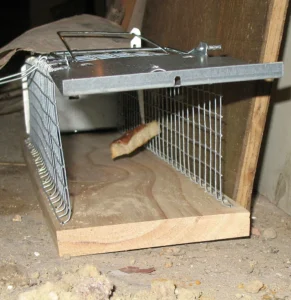
When you get home, clean the trap thoroughly before using it again or storing it. Use hot, soapy water and scrub every surface, including the trigger mechanism and door.
Some people like to disinfect the trap with a diluted bleach solution after washing it. This kills any bacteria or viruses that might be lingering on the metal. Just make sure you rinse the trap really well afterward so no bleach residue remains.
Let the trap dry completely before storing it. Moisture can cause rust, especially on the springs and hinges.
If you live somewhere humid, you might want to wipe it down with a light coat of oil to prevent rust.
Legal and Ethical Considerations
Before you release any rat, you should know that live release isn’t legal everywhere. Some states and cities have laws against relocating wildlife, including rats, because it can spread diseases to new areas.
Check your local regulations before you catch and release rats. In some places, you’re required to euthanize trapped rats rather than release them.
This might seem harsh, but it’s designed to prevent the spread of disease and protect local ecosystems.
Even where it’s legal, think about the ethics of what you’re doing. Releasing a domestic rat (like a pet rat that escaped) into the wild is basically a death sentence. They don’t have the skills to survive outdoors and will likely die quickly.
Wild rats have a better chance of surviving after release, but you’re still putting stress on the animal and potentially introducing it to a new area where it might not be welcome (by wildlife or humans).
Some people argue that euthanasia is actually more humane than relocation, especially for rats that are sick, injured, or very young. This is a personal decision you’ll have to make based on your own values and local laws.
Conclusion
Releasing a rat from a live trap takes more thought and preparation than most people realize. It’s not just about opening a door and walking away.
You need to choose the right location, transport the rat safely, and perform the release in a way that’s safe for both you and the animal.
The most important things to remember are: wear thick gloves, release the rat at least 2 to 3 miles from your home, choose a location with natural shelter and water, and give the rat space to exit the trap on its own.
If you follow these guidelines, you’ll minimize the risk to yourself and give the rat the best possible chance of survival.
Whether or not live release is the right choice depends on your local laws, your personal values, and the specific situation. But if you do choose to release a trapped rat, doing it correctly makes all the difference.

Hi, my name is Ezra Mushala, i have been interested animals all my life. I am the main author and editor here at snakeinformer.com.