
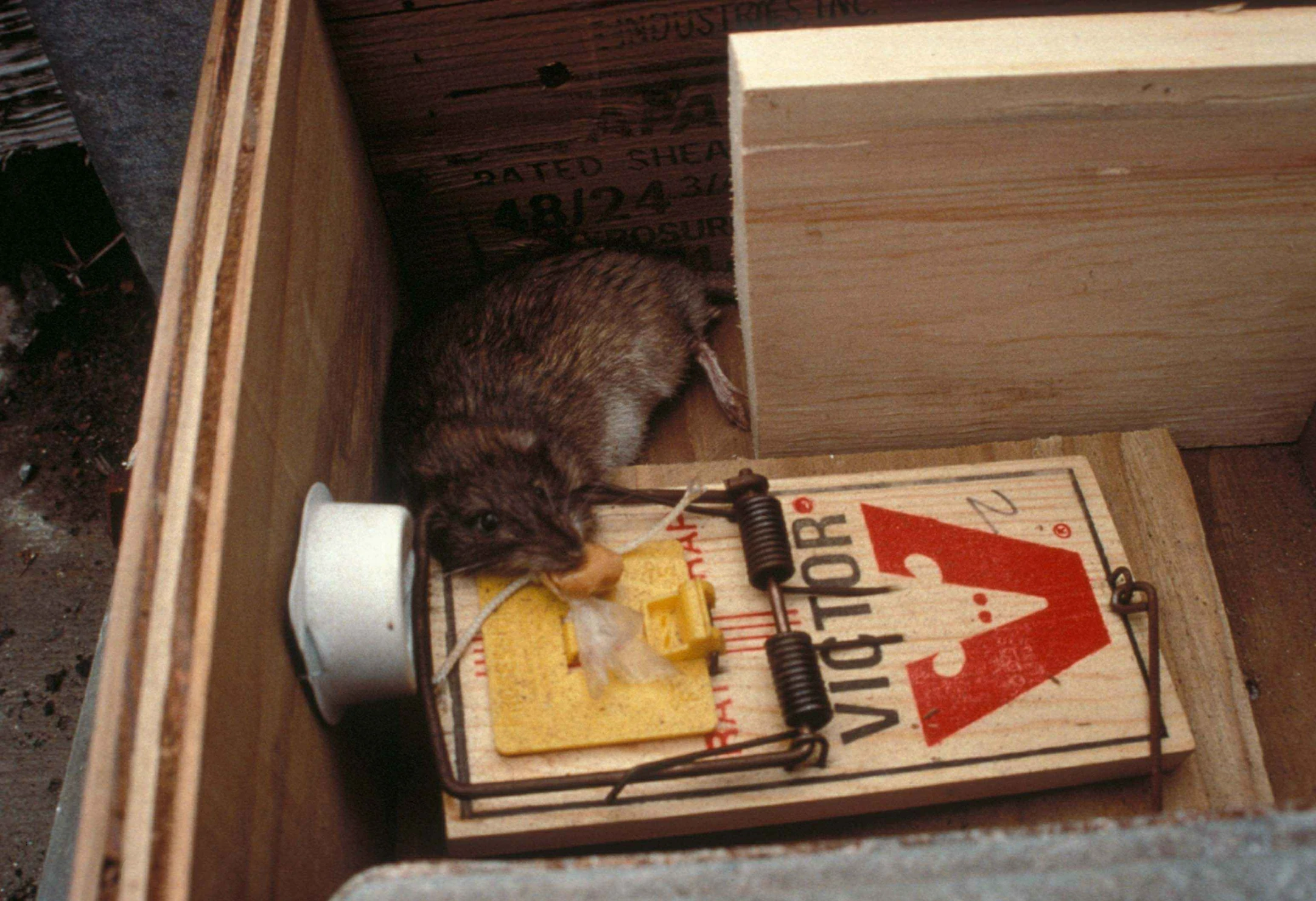
You’re setting up rat traps in your home or garage, and you’re being extra careful because you’ve heard these things can really hurt you.
Maybe you’re worried about accidentally triggering one while setting it up, or you’re concerned about kids or other family members getting hurt. Do rat traps hurt humans?
Yes, rat traps can definitely hurt humans if triggered accidentally. Snap traps can break fingers or cause deep bruises, electronic traps can deliver painful electric shocks, and glue traps can be very difficult and painful to remove from skin. The severity depends on the trap type and where it catches you.
The good news is that rat traps are designed to kill animals much smaller than humans, so while they can hurt you, they’re unlikely to cause life-threatening injuries. But they can still cause real pain and damage if you’re not careful.
How Much Snap Traps Can Hurt You
Snap traps are the most common type of rat trap, and they’re also the ones most likely to hurt you if you’re not careful.
The metal bar on a snap trap is spring-loaded and snaps shut with a lot of force. It’s designed to break a rat’s neck or spine instantly, which requires significant power. When that bar hits your finger instead of a rat, it hurts a lot.
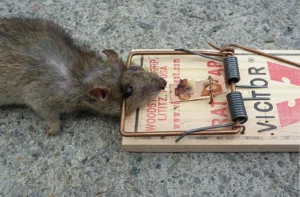
A snap trap catching your finger can cause bruising, swelling, and intense pain. The metal bar hits hard enough to break the skin in some cases, leaving a cut or deep bruise that takes days or weeks to heal.
The pain is immediate and sharp, kind of like slamming your finger in a car door.
Broken fingers are possible, especially with larger traps designed for bigger rats. The force of the snap can crack or fracture small bones in your fingers, particularly if the trap catches you across the first knuckle or fingertip.
This is more likely with heavy-duty rat traps than with regular mouse traps.
Children are at higher risk of serious injury because their bones are smaller and more fragile. A trap that would just bruise an adult’s finger could potentially break a child’s finger. This is why you should always place traps where kids can’t reach them.
The worst injuries happen when the trap catches multiple fingers at once or catches your thumb. Your thumb has bigger bones and more nerve endings than your other fingers, so an injury there is more painful and potentially more serious.
Most snap trap injuries aren’t medical emergencies, but they’re painful enough that you’ll want to be very careful. Ice, pain medication, and a bandage are usually enough to treat minor injuries. Broken bones or deep cuts might require a doctor’s visit.
What Happens If You Get Shocked by an Electronic Trap
Electronic rat traps use high-voltage, low-amperage electricity to kill rats quickly. If you stick your finger in one while it’s on, you’ll get shocked.
The shock from an electronic rat trap is painful but not usually dangerous to healthy adults. It’s designed to kill a small animal, not to seriously harm a person.

You’ll feel a sudden, sharp jolt of electricity that makes your muscles contract involuntarily.
The sensation is similar to touching an electric fence. Your hand will jerk back automatically, and you’ll feel tingling or numbness in the affected area for several minutes afterward.
Some people describe it as feeling like hitting your funny bone, but stronger and more sudden.
The shock can be more serious for certain people. If you have a pacemaker or other medical device, the electrical current could potentially interfere with it.
People with heart conditions should be extra careful around electronic traps and probably shouldn’t be the ones setting them up.
Children and pets are at higher risk from electronic trap shocks. Their smaller bodies mean the electrical current has a bigger effect on them.
A shock that’s just painful for an adult could potentially cause more serious problems for a small child.
Most electronic traps have safety features to prevent accidental shocks. Many won’t activate unless the tunnel is closed or unless sensors detect something inside. But you should still never stick your fingers into an active electronic trap.
The risk of getting shocked goes up if the trap malfunctions or if you’re working on it with the batteries still installed.
Always remove the batteries before cleaning or adjusting an electronic trap.
Even with the batteries out, some traps can hold a charge for a short time, so wait a minute or two after removing batteries.
How Painful Are Glue Traps for Humans
Glue traps won’t hurt you in the way snap traps or electronic traps do, but they can still be a painful and frustrating experience.
Getting stuck to a glue trap is immediately annoying and can become painful if you try to pull free. The adhesive is extremely strong and designed to hold a struggling rat in place. When it grabs your skin or hair, it doesn’t let go easily.
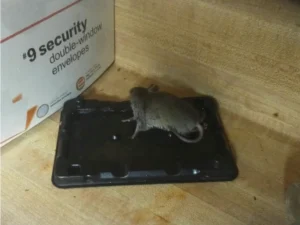
Pulling skin off a glue trap can tear the outer layers of skin and cause bleeding. This is especially painful on sensitive areas like the inside of your wrist or the webbing between your fingers. The harder you pull, the more damage you do to your skin.
Hair getting stuck in glue traps is really painful to remove. If you kneel on a glue trap or sit on one accidentally, the adhesive will grab onto leg hair, arm hair, or even head hair.
Pulling it off rips out hair by the roots, which hurts just as much as you’d expect.
Children who touch glue traps can panic and make things worse. A scared kid will pull and struggle, which just spreads the adhesive to more of their skin and hair.
Calming them down and carefully removing the glue is important to prevent more pain and injury.
Pets stepping on glue traps is another painful situation. Dogs and cats will try to shake or bite the trap off, which spreads adhesive all over their fur and sometimes their mouth. Removing it requires patience and often a trip to the vet.
The glue itself can cause skin irritation even after you get it off. Some people have allergic reactions to the chemicals in the adhesive, which can cause redness, itching, or a rash. This is less common but definitely possible.
Removing glue trap adhesive requires oil, not water. Vegetable oil, olive oil, or baby oil will break down the adhesive so you can slide your skin free. This process takes time and can be messy, but it’s much less painful than just ripping yourself free.
Injuries From Setting Up Traps
Most rat trap injuries happen during setup, not from accidentally walking into an already-set trap.
Snap traps can go off while you’re trying to set them if you’re not careful. Your finger can slip, or you might not pull the bar back far enough to lock it in place. When the trap snaps while you’re still holding it, there’s nowhere for your fingers to go.
The trigger mechanism on snap traps is sensitive by design. It has to be sensitive enough to catch a cautious rat, which means it’s also easy to trigger by accident. Even a light touch or a small vibration can set it off if it’s not locked properly.
Electronic traps can shock you during battery installation if you accidentally touch the metal plates while the batteries are making contact.
Always install batteries with the trap turned off and pointing away from you.
Glue traps are the safest to set up since there’s no mechanism to trigger. The worst that can happen is you accidentally touch the sticky side and get your fingers stuck. This is annoying but not painful unless you panic and jerk your hand away.
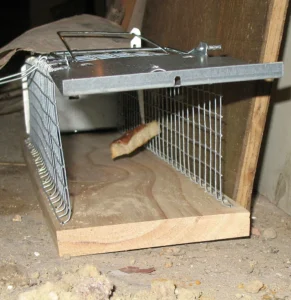
Live catch traps can sometimes snap shut on your fingers if you’re adjusting the trigger or placing bait. The spring-loaded door is lighter than a snap trap bar, so it won’t break your finger, but it can pinch hard enough to hurt and leave a mark.
Setting traps in awkward positions increases injury risk. If you’re reaching into a tight space under furniture or into a dark corner, you can’t see what you’re doing as well. It’s easier to trigger the trap accidentally or have it slip and snap on your fingers.
How to Avoid Getting Hurt by Rat Traps
Taking a few simple precautions can prevent most rat trap injuries.
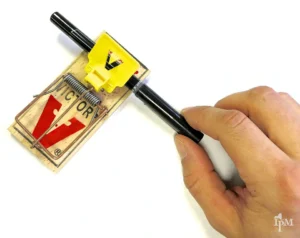
Use a tool to set snap traps instead of your bare hands. A pencil, stick, or the handle of a wooden spoon can be used to pull back the bar and set the trigger. This keeps your fingers away from the dangerous parts of the trap.
Hold the trap on a stable surface while setting it, not in your hand. Put it on a table or the floor and use both hands to set it carefully. This gives you better control and reduces the chance of it snapping on your fingers.
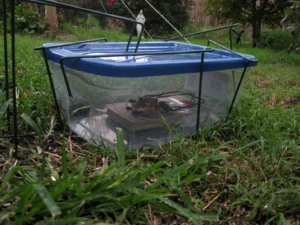
Tony Alter (CC BY 2.0)
Remove batteries from electronic traps before cleaning or adjusting them. Even with safety features, there’s always a risk of accidental shock if the batteries are still in. It only takes a few seconds to remove them.
Wear gloves when handling glue traps. Cheap disposable gloves will protect your skin from accidentally touching the adhesive. If you do touch it with gloves on, you can just throw the gloves away instead of dealing with getting glue off your skin.
Teach children that traps are dangerous and off-limits. Kids are naturally curious and might try to play with traps they find. Keep traps in areas kids can’t access, and make it very clear that touching them is not allowed.
Mark trap locations so you don’t forget where they are. Put a piece of tape nearby or make a mental note. This prevents you from accidentally reaching into an area where you’ve placed a trap and triggering it with your hand.
Use a flashlight when placing or checking traps in dark areas. You need to see what you’re doing to stay safe. Feeling around blindly for a trap is a good way to trigger it accidentally.
What to Do If You Get Hurt
If you do get injured by a rat trap, here’s what to do.
For snap trap injuries, remove your finger from the trap as soon as possible. Press the bar down to release the tension and carefully pull your finger out. Don’t just yank your hand away while the trap is still clamped on.
Apply ice to reduce swelling and pain. Wrap ice or a cold pack in a towel and hold it against the injured area for 10 to 15 minutes. This helps with both pain and bruising.
Clean any cuts or broken skin with soap and water. Rat traps can be dirty, and you don’t want bacteria getting into an open wound. Use an antibiotic ointment and cover the injury with a clean bandage.
Take over-the-counter pain medication if needed. Ibuprofen or acetaminophen can help with pain and swelling. Follow the dosage instructions on the package.
For suspected broken bones, seek medical attention. If you can’t bend your finger, if it’s at a weird angle, or if the pain is severe and doesn’t improve, you might have a fracture. A doctor can take X-rays and provide proper treatment.
If you get shocked by an electronic trap, sit down for a few minutes. The shock can make you dizzy or disoriented. Don’t try to continue working right away. Let your body recover from the jolt.
For glue trap incidents, apply oil generously to the stuck area. Pour vegetable oil or olive oil over your skin and the adhesive. Let it soak for a minute, then gently slide your skin free. Don’t pull or rip. Be patient and add more oil if needed.
Wash off the oil and remaining adhesive with soap and water once you’re free. Check your skin for any irritation or allergic reaction. If redness or itching develops, apply a mild hydrocortisone cream.
Are Certain Traps Safer Than Others?
If you’re worried about injuries, some trap types are definitely safer to use than others.
Live catch traps are the safest for humans. There’s no spring-loaded bar to snap on your fingers and no electricity to shock you. The worst that can happen is the door might close on your hand, which would pinch but not seriously hurt you.
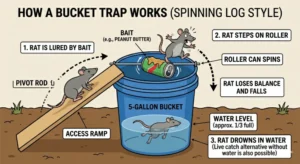
Bucket traps are very safe to set up. There’s no mechanism to trigger, just a bucket with a ramp and a spinning rod. You won’t get hurt setting these up unless you somehow fall into the bucket yourself.
Electronic traps with good safety features are reasonably safe if you follow instructions. Look for traps that won’t activate unless the tunnel is properly closed and that automatically shut off when you open them for cleaning.
Snap traps are more dangerous but manageable if you’re careful. Traditional wooden snap traps are less powerful than heavy-duty plastic or metal ones. If you’re particularly worried, stick with the lighter-duty versions.
Glue traps are safe in terms of not causing immediate injury, but they’re frustrating and painful to deal with if you touch them. They’re probably the “safest” if you’re really worried, but they have other problems like catching non-target animals.
Poison bait stations are safe from a physical injury standpoint because there’s no mechanism to trigger. The poison itself is the hazard, but as long as you don’t ingest it and you wash your hands after handling it, you won’t get hurt.
How Often Do Rat Trap Injuries Actually Happen?
Rat trap injuries are fairly common, but they’re usually minor.
Emergency rooms see rat trap injuries regularly, though they’re rarely serious enough to require hospitalization. Most people treat snap trap injuries at home with ice and bandages.
Professional pest control workers have the highest rate of rat trap injuries simply because they handle thousands of traps over their careers. Even with experience and training, accidents happen when you’re setting dozens of traps a day.

Homeowners typically get hurt a few times over years of dealing with rat problems. If you set 10 or 20 traps in your life, there’s a decent chance you’ll trigger one on your finger at least once. It’s not inevitable, but it’s common enough that you should be prepared for it.
Children getting hurt by rat traps is less common than you might think, but it does happen. Most parents are careful about where they place traps. The injuries that do occur are usually from kids finding traps and playing with them rather than accidentally triggering them.
Pet injuries from rat traps are probably more common than human injuries. Dogs and cats investigate everything and can easily step on snap traps or get stuck to glue traps. This is another good reason to place traps very carefully.
The actual injury rate is hard to measure because most minor rat trap injuries never get reported anywhere. People just deal with it at home and move on. Only the more serious injuries that require medical attention show up in any statistics.
Conclusion
Rat traps can definitely hurt humans, but serious injuries are uncommon if you’re careful. Snap traps can bruise or break fingers, electronic traps can deliver painful shocks, and glue traps can be extremely difficult to remove from skin and hair.
The key to avoiding injuries is taking your time when setting traps, using tools instead of your bare hands when possible, and keeping traps away from children and pets. Most injuries happen during setup when people are rushing or being careless.
If you do get hurt, most rat trap injuries can be treated at home with ice, pain medication, and basic first aid. Broken bones or severe cuts might need medical attention, but these are rare.
Use common sense, follow safety precautions, and you’ll most likely get through your rat problem without any injuries.

Hi, my name is Ezra Mushala, i have been interested animals all my life. I am the main author and editor here at snakeinformer.com.