
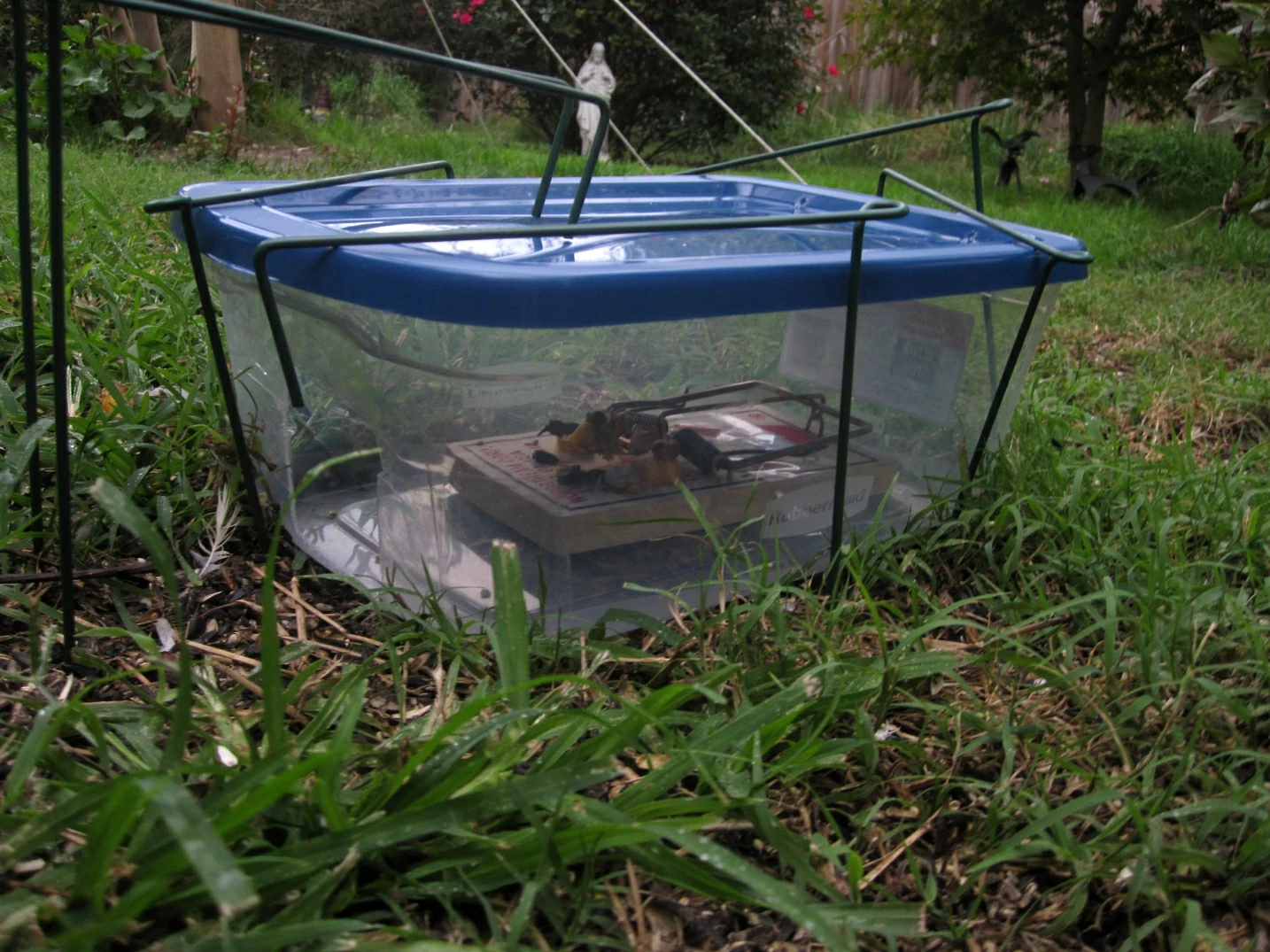
Rat snap traps are one of the most effective ways to deal with a rat problem in your home. But even the best trap won’t work if you don’t bait it correctly.
Many people just slap some cheese on the trigger plate and hope for the best, but there’s actually a better way to do it. So how do you bait a rat snap trap?
To bait a rat snap trap properly, use a small amount of high-protein food like peanut butter, bacon, or dried fruit. Place the bait directly on the trigger plate and press it into the metal so the rat has to tug at it to get a taste. This forces the rat to apply enough pressure to set off the trap.
The key is making sure the rat can’t just grab the bait and run. When you secure the bait to the trigger plate, the rat has to work for it, and that’s when the trap springs.
Why the Type of Bait Really Matters
Not all baits work the same when you’re trying to catch rats. You might think cheese is the go-to option (thanks to cartoons), but rats actually prefer high-protein and high-fat foods.
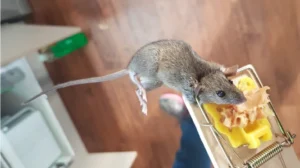
Peanut butter is one of the best choices because it’s sticky, smells strong, and rats love it. When you spread a small amount on the trigger plate, the rat has to lick and nibble at it, which means they’re right in the strike zone when the trap goes off.
Other good options include bacon, dried fruit, nuts, chocolate, and even small pieces of hot dog. The stronger the smell, the better it’ll attract rats from across the room.
How Much Bait Should You Use?
This is where a lot of people mess up. They think more bait means better results, but that’s not true.
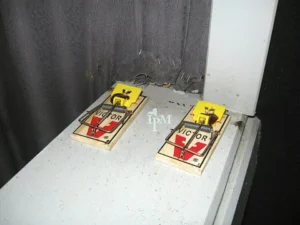
You only need a tiny amount of bait, about the size of a pea or even smaller. If you use too much, the rat might be able to eat some of it without putting enough pressure on the trigger plate to set off the trap.
When you use just a little bit and press it firmly into the trigger mechanism, the rat has to really work at it. That’s when they apply the pressure needed to spring the trap.
Where to Place the Bait on the Trap
The bait needs to go directly on the trigger plate, which is the flat metal piece in the center of the trap. This is the part that’s connected to the spring mechanism.
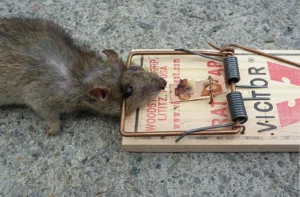
Don’t put bait near the trap or around it. The whole point is to get the rat’s head and body positioned right where the bar will come down.
If you’re using peanut butter, spread a thin layer right on the trigger plate. If you’re using something solid like a piece of bacon or a nut, you can use a tiny dab of peanut butter as “glue” to stick it to the plate.
How to Secure the Bait So Rats Can’t Steal It
Rats are smart and surprisingly gentle with their paws. If the bait isn’t secured properly, they can sometimes steal it without setting off the trap.
The best way to prevent this is to press the bait into the trigger plate or tie it down if possible. With peanut butter, you can push it into any small holes or grooves in the metal.
For solid baits like bacon or dried fruit, you can tie them to the trigger with a piece of thread or dental floss. This makes it impossible for the rat to grab and run. They have to pull and tug, which triggers the trap.
Setting Up the Trap After You Add Bait
Once your bait is in place, you need to set the trap carefully. Snap traps have a strong spring, and if you’re not careful, you can hurt your fingers.
Pull the kill bar (the metal bar that snaps down) back until it’s all the way behind the trap. Then take the small metal catch and hook it under the trigger plate.
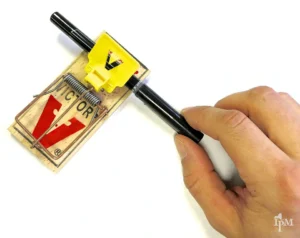
It should click into place and hold tension. The trap is now live, and even a small amount of pressure on the trigger will set it off.
Always set the trap with the trigger plate facing a wall. Rats like to run along walls, so they’ll approach the trap from the right angle.
Best Places to Put Your Baited Trap
Location matters just as much as the bait itself. You can have the perfect bait, but if the trap isn’t where the rats are traveling, you won’t catch anything.
Look for signs of rat activity like droppings, gnaw marks, greasy rub marks along walls, or small holes. These are the areas where rats are actively moving.
Place traps along walls with the trigger plate facing the wall. Rats almost always travel along edges rather than out in the open.
Good spots include along baseboards, behind appliances, in attics, in basements, under sinks, and in garages. If you’ve seen a rat or found droppings in a specific area, that’s your best bet.
How Often Should You Check and Replace the Bait?
Even if a rat hasn’t been caught, you should check your traps every day. Bait can dry out, get moldy, or lose its smell, which makes it less effective.
If the bait looks old or dried out after a day or two, replace it with fresh bait. Peanut butter can last a bit longer than fresh foods like bacon, but it’s still a good idea to refresh it every couple of days.
When you check the trap, look for signs that a rat has been near it. If the bait is disturbed but the trap didn’t go off, the rat might be “trap shy,” and you’ll need to adjust your approach.
What to Do If Rats Keep Avoiding Your Baited Trap
Sometimes rats are cautious and won’t go near a trap right away, especially if they’ve seen another rat get caught. This is called neophobia, which basically means they’re scared of new things in their environment.
If your traps aren’t working after a few days, try leaving them unset with bait on them for a day or two. Let the rats get comfortable eating from the trap without any danger.

After they’ve taken the bait a few times, set the trap. They’ll be less cautious, and you’re more likely to catch them.
You can also try changing the type of bait. If peanut butter isn’t working, switch to bacon or dried fruit. Different rats have different preferences.
Using Multiple Traps with Different Baits
If you’re dealing with more than one rat (which is usually the case), you’ll want to set multiple traps. Don’t just use one and hope for the best.
Place several traps in the same area, each with slightly different bait. One might have peanut butter, another might have bacon, and a third might have chocolate.
This way, you’re covering all your bases. Some rats might prefer one food over another, and you’ll increase your chances of catching them all.
Space the traps about 10 to 15 feet apart along the walls where you’ve seen activity. More traps mean better odds.
Common Mistakes People Make When Baiting Rat Traps
One of the biggest mistakes is using too much bait. Like we said earlier, a tiny amount is all you need. Too much bait lets the rat eat without triggering the trap.
Another mistake is not securing the bait. If the rat can grab it and run, your trap is useless. Always press it into the trigger plate or tie it down.
Some people also put the traps in random spots instead of where rats actually travel. Always place traps along walls and in areas where you’ve seen signs of rats.
And don’t give up too soon. It might take a few days for rats to approach the trap, especially if they’re cautious. Be patient and keep the bait fresh.
How to Handle the Trap After You Catch a Rat
Once you’ve caught a rat, you need to deal with the trap carefully. Wear gloves when you handle it, because rats can carry diseases.
If you’re planning to reuse the trap (which you can), remove the dead rat and clean the trap with hot soapy water. You can also spray it with a disinfectant to kill any bacteria.
After it’s clean and dry, you can re-bait it and set it again. Snap traps can be used multiple times as long as they’re still in good working condition.
If the trap is damaged or the spring seems weak, it’s better to replace it. A faulty trap won’t kill the rat quickly, which is inhumane.
Conclusion
Baiting a rat snap trap the right way can make all the difference between catching rats and wasting your time. Use a small amount of high-protein bait like peanut butter, secure it to the trigger plate, and place the trap along walls where rats travel.
Check your traps daily, replace old bait, and don’t be afraid to use multiple traps with different baits. With the right approach, you’ll be able to get rid of rats quickly and effectively.

Hi, my name is Ezra Mushala, i have been interested animals all my life. I am the main author and editor here at snakeinformer.com.