
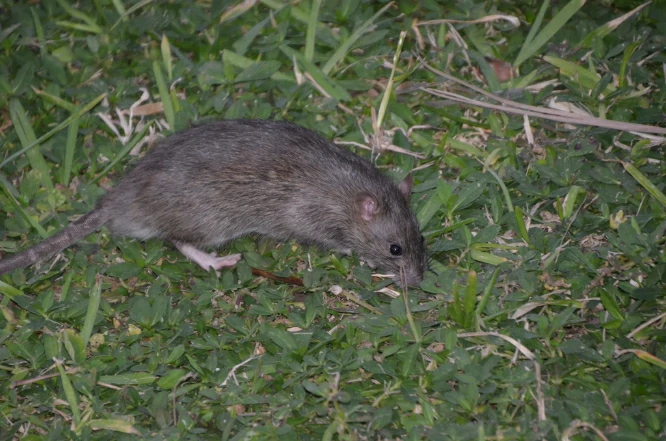
You set out a glue trap to catch that rat you’ve been hearing in your walls, and when you go to check on it later, the entire trap is just gone. Not moved a few inches, not flipped over, but completely vanished.
This can be really confusing and honestly a bit unsettling because now you’re wondering where it went and what happened to it. Did the rat drag it away? Did another animal take it? So what really happens when a rat glue trap disappears?
A rat glue trap usually disappears when a rat gets stuck on it and drags the trap to a hiding spot while trying to escape. Larger rats can pull glue traps into walls, under furniture, or into other hidden areas. Pets like dogs or cats can also move or carry glue traps to different locations.
The trap doesn’t just vanish into thin air. Something or someone moved it, and figuring out what happened can help you find it and deal with your rodent problem more effectively.
In most cases, a rat strong enough to move the trap is now stuck somewhere in your home with the trap still attached to it.
Why Rats Can Actually Move Glue Traps
Glue traps are designed to hold rodents in place, but they don’t always work perfectly. If a rat only gets partially stuck (maybe just one or two paws instead of their whole body), they can still move around.
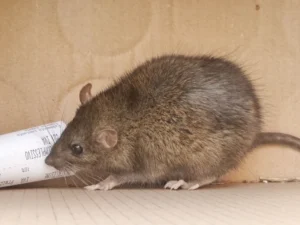
Rats are surprisingly strong for their size. A large Norway rat can weigh up to a pound and has powerful leg muscles built for climbing, jumping, and digging.
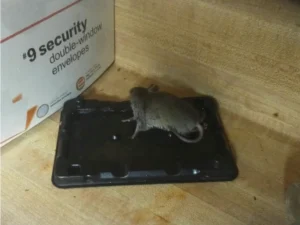
When a rat gets stuck on a glue trap and panics, adrenaline kicks in and they’ll use every bit of strength they have to try to escape. If the trap is lightweight and the rat is big enough, they can absolutely drag it along as they try to find a safe hiding spot.
The trap acts like a sticky shoe they can’t shake off. They’ll pull it behind them as they run, and since rats instinctively head for dark, enclosed spaces when they’re scared, that’s usually where the trap ends up.
This is why you’ll often find disappeared glue traps wedged under appliances, inside wall voids, in closets, or behind furniture.
Common Places Where Glue Traps End Up
If a rat dragged your glue trap away, there are several likely spots where you might find it. Check under your refrigerator, stove, dishwasher, and washing machine because rats love tight spaces behind and under appliances.
Look inside cabinets, especially in the back corners where it’s dark. Check closets, particularly in the corners or under piles of clothes or boxes.
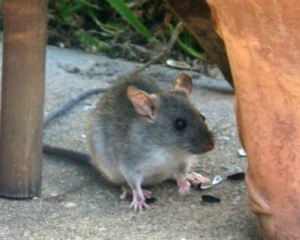
Inspect the area around your water heater, furnace, or any other large equipment in your basement or utility room. If you have a garage, check behind stored items, in corners, and around any clutter.
Rats will also try to get back to their nest when they’re injured or scared, so if you know where the rat has been nesting, check there first. Look for holes in your walls or gaps around pipes where a rat could have squeezed through while dragging a trap.
Sometimes you won’t find the trap itself but you’ll smell it. If a rat died while stuck to the trap, you’ll notice a strong, unpleasant odor coming from wherever the trap ended up.
How Your Pets Might Be the Culprit
Before you assume a rat moved your trap, consider whether you have pets that could’ve gotten into it. Dogs are naturally curious and investigate anything new in their environment.
If a dog steps on or sniffs a glue trap, they can easily get it stuck to their paw or nose and then panic and run around trying to get it off.

They might shake their head or paw and fling the trap across the room, under furniture, or even outside if they have access to a dog door.
Cats are just as likely to mess with glue traps. They’re curious hunters and anything that looks like it might be prey-related will catch their attention.
A cat can step on a glue trap, get it stuck to their paw, and then run and hide somewhere with the trap still attached. Both dogs and cats will often try to remove the trap themselves by licking, biting, or rubbing against things, which can cause the trap to end up in weird places.
If you have pets and your glue trap disappeared, check your pet first for any signs of glue on their fur or paws before you start tearing apart your house looking for it.
What to Do When You Can’t Find the Trap
If you’ve looked in all the obvious places and still can’t find your glue trap, you have a few options. First, keep your nose alert for any unusual smells.
If a rat is stuck to the trap and dies, the decomposition smell will lead you right to it within a few days. The smell starts out faint but gets stronger quickly, and you’ll be able to track it to the general area.
Second, set out more glue traps in the same area where the first one disappeared. Mark these new traps with a small piece of tape or write on them with a marker so you can tell them apart.
Check them frequently (every few hours if possible) so if a rat gets caught, you can remove it before it has a chance to drag the trap away. Third, try using different types of traps.
Snap traps are much harder for rats to move because when they’re triggered, the rat is usually killed or seriously injured immediately and can’t drag anything anywhere. Live traps are also heavier and more difficult for a rat to relocate.
If you’re dealing with a really large or strong rat that keeps moving your traps, you might need to secure your glue traps to the floor using tape, nails through the edges of the trap, or by placing them inside a cardboard box that’s taped down.
Why Glue Traps Sometimes Get Moved by the Rat’s Struggle
When a rat first steps onto a glue trap, their immediate reaction is to panic and try to escape. They’ll twist, turn, pull, and push with all their strength.
This violent struggling can actually cause the trap to flip over, slide across smooth floors, or move several feet from where you originally placed it.
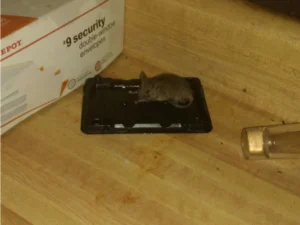
Hardwood floors, tile, and linoleum are especially slippery, and a rat thrashing around can easily make the trap skid across these surfaces.
If the trap is near a ledge, the rat’s movements might knock it off and send it falling to a lower level. For example, if you placed a trap on a countertop or shelf, the rat could knock it off and it would fall behind or under something.
The rat might also get the trap stuck to their body in a way that doesn’t completely restrict movement. If only their tail or one leg is stuck, they can still run and will drag the trap with them.
This is more common with cheaper, lower-quality glue traps that don’t have enough adhesive coverage or with traps that have been sitting out for a while and have collected dust, which reduces their stickiness.
Could Another Animal Have Taken It?
In some cases, a different animal entirely might be responsible for your missing glue trap. If you have other rodents in your home (like mice), a curious mouse could technically get stuck and move a small glue trap, though they usually aren’t strong enough to drag it very far.
More likely, if you have access points to the outdoors, a wild animal could have wandered in and encountered your trap. Raccoons, opossums, and even squirrels sometimes enter homes through open doors, pet doors, or damaged vents.
If one of these animals stepped on or investigated your glue trap, they could definitely move it or carry it off. Raccoons in particular are known for their curiosity and dexterity, and they might pick up a glue trap just to examine it.
If you live in an area with these animals and have any openings they could get through, this is worth considering. Check for other signs of wildlife intrusion like droppings that are different from rat droppings, knocked-over garbage, or disturbed food.
If you suspect a larger wild animal took your trap, you might need to deal with that problem before you can effectively tackle your rat issue.
The Dangers of a Lost Glue Trap with a Rat Still Alive
If your glue trap disappeared with a rat stuck to it, and that rat is still alive, you’ve got a problem beyond just not knowing where your trap went. A rat stuck to a glue trap will suffer for hours or even days before dying from stress, exhaustion, dehydration, or starvation.
This is one of the main reasons animal welfare groups consider glue traps inhumane. The rat will be in pain and distress the entire time, struggling to escape.

If the trap is somewhere in your walls or under your house where you can’t reach it, there’s nothing you can do to help the rat or end its suffering quickly. Eventually the rat will die, and then you’ll have a dead rat decomposing somewhere in your home.
This creates a horrible smell that can last for weeks, and it can attract other pests like flies or beetles. The smell will also help you locate where the trap ended up, but by then you’re dealing with the unpleasant task of removing a decomposing rat.
Beyond the smell and the ethical concerns, a rat that’s stuck but still alive and hidden could potentially gnaw through electrical wires or damage insulation while trying to escape, which creates safety hazards.
How to Prevent Glue Traps from Disappearing
If you want to keep using glue traps but don’t want them disappearing on you, there are several things you can do. First, secure the traps to the floor or surface where you’re placing them.
You can use strong double-sided tape to stick the bottom of the glue trap to the floor. You can also use small nails or screws through the very edges of the trap (being careful not to interfere with the sticky surface) to pin it down.
Some people place glue traps inside a cardboard box with entrance holes cut in the sides, then tape or nail the box to the floor. This keeps the trap in place and also makes it less likely that pets will accidentally get into it.
Second, use heavier-duty glue traps or glue boards that are bigger and harder to move. Commercial-grade traps are usually larger and stickier than the cheap ones from the grocery store.
Third, check your traps very frequently. If you check every few hours, you can find and deal with any caught rats before they have time to struggle enough to move the trap.
This also lets you humanely euthanize any rats that are stuck and suffering, rather than leaving them to die slowly.
What the Law Says About Glue Traps in Some Places
It’s worth knowing that glue traps are actually illegal in some places because of how inhumane they are. Several cities and even some countries have banned them entirely.
If you live in one of these areas and you’re using glue traps, you could potentially face fines. Even in places where they’re legal, animal welfare organizations strongly discourage their use.
The Humane Society, PETA, and similar groups all recommend against glue traps because of the prolonged suffering they cause.
If you’re uncomfortable with the idea of an animal suffering for hours or days, or if you’ve had a bad experience with a glue trap (like having one disappear with a rat still on it), consider switching to other methods.
There are more humane alternatives that kill quickly or allow you to release the animal outside unharmed. Snap traps, when used correctly, kill almost instantly.
Electronic traps electrocute rodents in seconds. Live traps let you catch rats and release them far from your home (though you should check local regulations because releasing rats isn’t legal everywhere).
Better Alternatives to Glue Traps
If the disappearing glue trap situation has convinced you to try something else, you’ve got options. Snap traps are the classic choice and they’re effective when placed correctly.
The key is to put them perpendicular to walls with the trigger side facing the wall because rats run along walls, not out in the open. Use peanut butter or hazelnut spread as bait because it’s sticky and rats can’t just grab it and run.
Electronic traps are more expensive but they’re very effective and kill instantly. They use a high-voltage shock that kills the rat in under a second.
These traps are also enclosed, so you don’t have to see the dead rat, and many models let you dispose of the rat without touching it.
Live traps let you catch rats without killing them. You bait the trap, the rat goes inside to get the food, and a door closes behind them. Then you take the trap somewhere far from your home and release the rat.
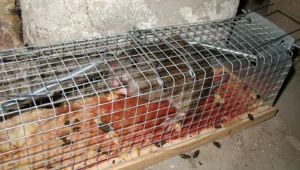
This is the most humane option, but it’s also the most work because you have to check the traps very frequently (rats can die from stress if left too long) and you have to physically transport and release the rats.
Whatever method you choose, the most important thing is dealing with why you have rats in the first place.
Seal up entry points, remove food sources, and eliminate clutter where rats can hide.
Signs a Rat Dragged Your Trap vs. Other Causes
There are usually clues that can tell you whether a rat moved your trap or something else happened. If a rat dragged it, you might find a trail or smear marks on the floor, especially if the floor is dusty or dirty.
The glue can pick up dust and debris as it’s dragged, leaving a visible path. You might also find small drops of blood because rats often injure themselves struggling against the glue.
Look for disturbed areas where it seems like something struggled, like knocked-over objects, scattered items, or marks on the floor. If a pet moved the trap, you’ll usually find glue residue in multiple spots because the trap gets stuck and unstuck as the pet moves around.
You might also notice your pet acting strangely, hiding, or favoring one paw. If the trap simply slid due to vibrations, being bumped, or air currents, it will usually still be visible just in a slightly different location.
It won’t have traveled far or ended up in a completely different room. If you suspect kids moved it (either playing or out of curiosity), just ask them directly.
Kids often don’t realize they shouldn’t touch pest control devices.
Conclusion
When your rat glue trap disappears, it’s almost always because something or someone moved it.
Most commonly, a rat got partially stuck and dragged it to a hiding spot while trying to escape.
Pets can also move glue traps if they accidentally step on them or investigate them. Check all the likely hiding spots like under appliances, in closets, behind furniture, and in wall voids.
Use your nose to help locate the trap if a rat died while stuck to it. To prevent this from happening again, secure your traps to the floor, check them frequently, or consider switching to different types of traps that are harder to move or more humane.
If you keep having problems with disappearing traps or dealing with rats in general, it might be time to call a professional pest control service that can assess your specific situation and provide solutions that actually work.
Remember, the goal isn’t just to catch the rats you have now, but to prevent more from coming in by sealing up your home and removing what’s attracting them in the first place.

Hi, my name is Ezra Mushala, i have been interested animals all my life. I am the main author and editor here at snakeinformer.com.