
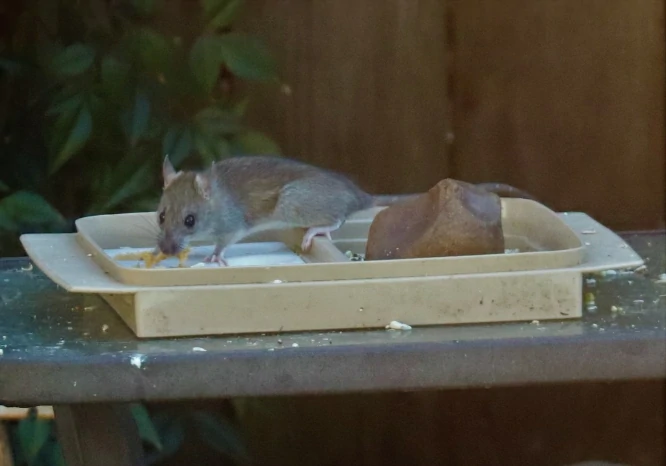
If you’re dealing with mice in your home and can’t figure out where they’re getting in, you might be overlooking one of the most common entry points. Your plumbing system runs throughout your entire house and connects to the outside world in multiple places.
Each of these connections is a potential doorway for mice. But can mice really use your plumbing to get inside?
Yes, mice can come in through your plumbing. They squeeze through gaps where pipes penetrate walls and foundations, climb up drain pipes, and travel through spaces around water lines and sewer connections. Any opening larger than a quarter inch around your plumbing can let mice into your home.
Your plumbing system isn’t just a water delivery network. It’s also a maze of potential entry points and highways that mice can use to move around inside your walls and between different levels of your home.
How Plumbing Creates Entry Points for Mice
Every home has dozens of places where plumbing passes through walls, floors, and the foundation. Each of these spots is a potential mouse entrance.
When your home was built, contractors drilled holes through the foundation for the main water line, sewer line, and various other pipes. These holes are usually bigger than the pipes to make installation easier.
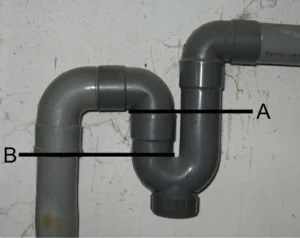
The space around the pipes is supposed to be sealed, but this sealing often isn’t done well. Sometimes it’s skipped entirely. Even when it’s done right, the sealant can crack, shrink, or fall out over time.
Inside your walls, pipes create vertical and horizontal pathways. Mice can use the spaces around these pipes to travel between floors without ever being visible to you.
Under sinks, behind toilets, and near water heaters, you’ll find areas where pipes come through the floor or wall. These transitions are rarely sealed completely, leaving gaps that mice can squeeze through.
Even new homes have these vulnerabilities. While new construction might have better initial sealing, settling of the house over time can create new gaps around plumbing.
The Main Plumbing Entry Points in Your Home
Some plumbing locations are more vulnerable to mice than others. Understanding where to look helps you protect your home.
The main water supply line is a major entry point. This pipe comes in from the street through your foundation, and the opening around it is often large. Check where your water meter is located (usually in the basement or crawl space), and you’ll see what I mean.
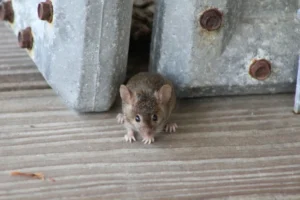
Sewer line connections are equally problematic. Your home’s waste water flows out through the main sewer line, which exits through the foundation. The gaps around this pipe can be substantial, and they lead directly to the sewer system where many rodents live.
Outdoor faucets and hose bibs create holes through your exterior walls. The gaps around these fixtures are often on the outside of your home where you don’t regularly see them.
Kitchen and bathroom drain pipes that go through exterior walls are common weak spots. Cold water pipes especially tend to be on exterior walls, and each penetration is a potential mouse entrance.
Washing machine hookups in laundry rooms, basements, or garages usually have both water supply and drain connections. These areas often have multiple large gaps that are hidden behind the appliance.
Water heater connections include both incoming cold water, outgoing hot water, and often a gas line. The area where these pipes enter is rarely well sealed.
Can Mice Swim Up Through Your Drains?
This is a common worry, and the answer is more complicated than just yes or no. Mice can swim, and they can climb, but several factors affect whether they’ll come up through your drains.
Mice are actually decent swimmers. They can tread water for up to three days and swim quite well when needed. So the presence of water in your pipes doesn’t automatically stop them.
However, most drains have P-traps or S-traps. These are the curved sections of pipe under sinks and toilets that always hold water. This water barrier stops sewer gases from entering your home, and it also stops mice most of the time.
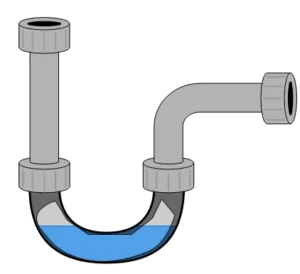
The water in the trap would need to be gone for a mouse to easily climb through. This can happen with floor drains or sinks that don’t get used regularly. If the water evaporates, the trap becomes an open pipe that mice can navigate.
Mice are more likely to climb up dry or mostly dry drains. Basement floor drains, utility sink drains in garages, and drains in vacation homes that sit empty for months are particularly vulnerable.
The inside surface of drain pipes gives mice enough grip to climb. The rough texture and any buildup of grime make it easier for them to work their way up vertical pipes.
Once inside your drain system, mice can access the spaces between walls where all your plumbing runs. From there, they can move throughout your home.
Signs That Mice Are Using Your Plumbing
If mice are getting in through your plumbing, certain clues will point you to this entry method.
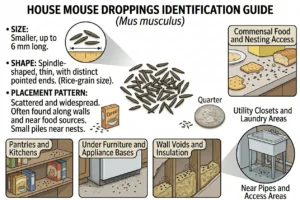
Droppings concentrated around plumbing fixtures are the clearest sign. Check under sinks, behind toilets, near the water heater, and around any visible pipes. Fresh droppings are dark and moist, while old ones are gray and crumbly.
Scratching or scurrying sounds from inside walls, especially near bathrooms and kitchens, often mean mice are traveling through the spaces around your plumbing.
Grease marks on pipes show where mice have been squeezing past. Mice have oily fur that leaves dark smudges on surfaces they rub against repeatedly.
A musty, unpleasant smell near drains might mean mice are living in the spaces around your plumbing. This smell is from their urine and droppings.
Gnaw marks on exposed pipes, especially plastic ones, indicate mice have been there. They gnaw on things both to wear down their teeth and to test if something is edible.
Water damage or moisture around pipes creates conditions mice like. If you have slow leaks, mice are attracted to the water, and the damaged areas often have larger gaps.
Can Mice Enter Your Home Through the Sewer System?
Your home’s plumbing connects directly to the municipal sewer system, and this connection is a highway for mice.
Sewer systems in cities provide ideal habitat for large mouse and rat populations. They find food from what people flush and wash down drains, plenty of water, and protection from weather and predators.
The mice living in sewers can access your private plumbing through several routes. Any crack or break in your main sewer line allows them entry. Old clay sewer pipes are especially prone to cracking and tree root intrusion.
The cleanout access points on your sewer line are meant to be sealed but often aren’t tight. These are usually in your basement or outside your home, and they provide direct access to your sewer line.
Vent pipes that go up through your roof are part of your drain system. They’re designed to be open to the air, but they should have caps with screens. If the screen is damaged or missing, mice can enter from the roof and travel down into your plumbing.
Mice coming from sewers are especially concerning because they’ve been exposed to all sorts of bacteria and diseases. Sewer mice are more likely to carry harmful pathogens than mice coming from other sources.
Why Plumbing Gaps Often Go Unnoticed
Even careful homeowners often miss the gaps around their plumbing. There are several reasons why these entry points go unnoticed.
Many plumbing penetrations are hidden behind appliances, in cabinets, or inside walls. You can’t see them without moving things or specifically looking for them.

The gaps can be small and hard to spot. A gap the size of a dime is plenty for a mouse, but it’s easy for your eye to miss, especially in dark or cramped spaces.
Plumbing areas often aren’t cleaned or inspected regularly. When’s the last time you looked behind your water heater or under your kitchen sink with a flashlight? These forgotten spaces are exactly where mice thrive.
In multi-story homes, plumbing runs vertically through walls. The gaps around these pipes exist between floors where you never see them. Mice can use these spaces like highways between levels.
Professional plumbers focus on making pipes work, not on pest control. When plumbing is installed or repaired, sealing gaps against mice isn’t usually their priority. This job falls to you or requires a separate contractor.
How to Inspect Your Plumbing for Mouse Entry Points
Finding these gaps takes some work, but it’s worth the effort. Here’s how to do a thorough inspection.
Start in your basement or crawl space if you have one. This is where your main water and sewer lines enter, and it’s often the easiest place to spot large gaps.
Use a bright flashlight and get down on the ground. Look at where every pipe comes through the foundation wall. Check for any gaps around the pipes, cracks in the foundation, or holes that aren’t sealed.
Move to your kitchen and check under the sink. Open the cabinet doors and look where pipes go through the back wall or floor. Feel around the pipes with your hand because some gaps are easier to feel than see in dark cabinets.
Check every bathroom the same way. Look under sinks, behind toilets, and around any exposed pipes. Don’t forget bathtubs and showers, which have drain connections that might be accessible through removable panels.
Inspect your laundry room. Pull the washing machine away from the wall far enough to see the connections. Check both the water supply lines and the drain pipe.
Look at your water heater. Check all around where pipes connect to it and where those pipes enter through the wall or floor.
Go outside and walk around your home’s perimeter. Look for any pipes coming through the foundation or exterior walls. Outdoor faucets, AC line sets, gas meters, and electrical conduits all create potential entry points.
Use a smoke pencil or incense stick to find hidden gaps. Hold it near pipes and watch the smoke. If it gets sucked into a gap, air can flow through, and so can mice.
How to Seal Gaps Around Pipes to Keep Mice Out
Once you’ve found gaps around your plumbing, sealing them properly keeps mice out. The right method depends on the size and location of each gap.
For tiny gaps (less than 1/4 inch), silicone caulk works well. Choose waterproof, mold-resistant caulk for areas that might get wet. Clean the area first so the caulk sticks properly.

For small to medium gaps (1/4 inch to 1 inch), use steel wool first. Mice can’t chew through steel wool, so stuff it into the gap, then seal over it with caulk or expanding foam. This combination creates a barrier that’s both physically blocking and sealed.
For larger gaps (over 1 inch), use copper mesh or hardware cloth. Cut it to fit the opening, stuff it in firmly, then seal around it with expanding foam or hydraulic cement.
Expanding foam designed for pest control works great around plumbing. It contains additives that discourage rodents from chewing it. Regular expanding foam can be gnawed through by determined mice.
For foundation penetrations, hydraulic cement or masonry repair compound creates a permanent seal. These materials are weatherproof and very hard, so mice can’t chew through them.
Don’t use wood, standard foam, or plastic alone. Mice can chew through all of these materials. Always use metal (steel wool, copper mesh, or hardware cloth) as part of your barrier.
Seal gaps on both sides when pipes go through exterior walls. Just sealing the inside or outside isn’t enough because mice can still live in the wall cavity.
How to Seal Gaps Around Different Types of Pipes
Different types of plumbing need slightly different approaches when it comes to keeping mice out.
Water supply pipes are usually small (1/2 inch to 1 inch in diameter). The gaps around them should be small, but check carefully because even tiny gaps work for mice.
Drain pipes are larger (1.5 to 4 inches typically), so the gaps around them can be bigger. These need more sealing material and thorough coverage.
Gas lines require special care. You can seal around them, but be careful not to damage the pipe or its connections. If you’re unsure, have a professional handle gas line sealing.
PEX water lines are flexible plastic pipes common in newer homes. The gaps where these come through walls are often irregular because the pipes can move. Use flexible sealants that accommodate this movement.
Cast iron pipes in older homes might have significant gaps because the pipes are heavy and settling can open up spaces around them. These often need professional attention.
Copper pipes conduct temperature changes. If you seal around copper with the wrong material, expansion and contraction can crack the seal. Use flexible caulk or foam that can handle movement.
How to Keep Mice From Entering Through Drains
Drain traps are your first line of defense against mice coming up through drains. Keeping them working properly is important.
Every drain should have a trap that holds water. This water barrier blocks both sewer gases and rodents. Check that all your drains have functioning traps.
Pour water down rarely used drains at least once a month. This keeps the trap filled. Drains in guest bathrooms, floor drains in basements, and utility sinks in garages often dry out because they don’t get regular use.
If you have a vacation home or a property that sits empty, have someone add water to all drains regularly. A few cups of water in each drain once a month prevents the traps from drying out.
For drains that never get used, install drain plugs or covers. You can buy covers designed to let water through while blocking pests.
Add a small amount of mineral oil to drain traps in places you rarely use. The oil floats on top of the water and slows evaporation, so the trap stays filled longer.
Check floor drains regularly. These are often forgotten and can dry out quickly, especially in heated spaces like basements.
What to Do If Your Sewer Line Has Damage
Problems with your main sewer line can let mice into your plumbing system. These issues often require professional help.
If your home is more than 30 years old, consider having your sewer line inspected. Older pipes develop cracks, especially clay pipes which were common in older construction.
Tree roots can break into sewer lines looking for water. Once roots create an opening, mice can use it too. If you have large trees near your sewer line, inspection is especially important.
Sewer cleanouts should have tight-fitting caps. Check these caps periodically and replace any that are loose, cracked, or missing. They’re usually located in your basement or outside near the foundation.
Backwater valves can prevent mice (and worse things) from coming in through your sewer line. These one-way valves let water flow out but prevent anything from coming back in. They’re especially useful if you’ve had problems with mice or rats coming from the sewer.
If you frequently have slow drains or backups, your sewer line might have damage that’s also letting mice in. Get it inspected and repaired.
Some cities offer sewer line insurance or repair programs. Check with your local water department about options for maintaining or replacing your portion of the sewer line.
Are Older Homes More Vulnerable to Mice Than Newer Homes?
The age of your home affects how vulnerable your plumbing is to mouse entry.
Older homes (built before 1980) often have cast iron or clay pipes. These materials were durable but can crack over time. The connections and seals around these old pipes are also likely deteriorated.
Settling and shifting over decades creates new gaps in older homes. Even if plumbing was sealed well originally, 30 or 40 years of foundation movement can open up spaces.
Renovation work in older homes often leaves gaps. When plumbing is updated but other work isn’t done carefully, new entry points can be created.
Newer homes (built after 2000) typically have PVC or PEX plumbing. These materials don’t corrode or crack like old pipes do. However, newer doesn’t mean mouse-proof.
Modern building codes are better about pest prevention, but mice still find ways in. The gaps around pipes in new homes might be smaller, but they still exist.
Settling happens in new homes too. Within the first few years, minor shifting can create gaps that weren’t there initially.
Regardless of your home’s age, regular inspection and maintenance are key. Old homes need more frequent checks, but new homes aren’t immune to problems.
Can Pipe Insulation Attract Mice?
Pipe insulation is meant to prevent freezing and conserve energy, but it can also affect mouse access.
Foam pipe insulation is common around water supply lines. Mice can chew through this foam easily and sometimes nest inside it.
If you’re adding or replacing pipe insulation, consider using materials that are less attractive to mice. Closed-cell foam is harder to nest in than open-cell foam.
The bigger issue is gaps where insulated pipes pass through walls. The insulation itself creates a larger profile than the bare pipe, often requiring bigger holes. Make sure these larger openings are well sealed.
In cold climates, insulation around pipes is necessary to prevent freezing. Don’t remove it to deter mice. Instead, make sure the penetrations are sealed and check regularly for signs of mouse activity.
Some types of pipe insulation contain materials that discourage rodents. If you’re installing new insulation in areas where mice have been a problem, look for these rodent-resistant options.
How to Combine Plumbing Repairs With Other Mouse Prevention Methods
Sealing your plumbing is important, but it’s just one part of keeping mice out. A complete approach works best.
Check and seal all other entry points too. Mice are determined and will find other ways in if you only fix your plumbing gaps. Look at doors, windows, vents, and cracks in your foundation.

Keep your home clean. Mice are attracted by food, so limiting food sources makes your home less appealing even if they do get in.
Store food in airtight containers that mice can’t chew through. Glass, metal, or thick plastic containers work best.
Fix any leaks promptly. Besides attracting mice with moisture, leaks can damage the seals around pipes and create larger gaps.
Reduce clutter, especially in areas near plumbing like under sinks, in basements, and in laundry rooms. Clutter gives mice places to hide and nest.
Consider using traps preventively. Setting a few traps near vulnerable plumbing areas can catch the first scouts before an infestation establishes.
Regular home maintenance helps overall. When you’re fixing other issues, check plumbing areas for new gaps or signs of mice.
When Professional Help Is Needed
Some plumbing-related mouse problems are beyond DIY solutions. Know when to call for help.
If you can’t find where mice are getting in despite thorough searching, a pest control professional can help. They have experience spotting entry points that homeowners miss.
Hidden plumbing inside walls requires professional access. If mice are using plumbing routes you can’t reach, you might need both a pest control expert and a plumber or contractor.
Sewer line problems definitely need professional diagnosis. Camera inspection of your sewer line can find cracks and breaches that let mice in.
If you have a serious infestation that doesn’t respond to DIY efforts, professional exterminators have stronger tools and methods.
When you’re uncomfortable sealing certain areas (like around gas lines or in hard-to-reach spots), hire someone who can do it safely.
If your home is very old and has extensive plumbing, a professional can create a comprehensive plan for sealing all the vulnerable points.
During major plumbing work or renovation, make pest prevention part of the project. Tell your plumber or contractor that you want all penetrations properly sealed against rodents.
Conclusion
Mice can definitely come in through your plumbing, and they do so in two main ways. They squeeze through gaps where pipes penetrate walls and foundations, and they can climb up through drain pipes, especially ones that don’t get regular use.
Your entire plumbing system is full of potential entry points. From the main sewer and water lines coming through your foundation to the small pipes under each sink, every penetration is a possible doorway for mice.
The good news is that these entry points can be sealed. Using the right materials (steel wool, caulk, expanding foam, and hardware cloth), you can close off the routes mice use to get in through your plumbing.
Regular maintenance is key. Keep water in your drain traps, check seals periodically, and inspect for new gaps as your home settles and ages.
Combining plumbing security with other mouse prevention methods gives you the best protection. Seal all entry points, keep your home clean, and address problems promptly when you spot signs of mice. Your plumbing doesn’t have to be a mouse highway if you take the right preventive steps.

Hi, my name is Ezra Mushala, i have been interested animals all my life. I am the main author and editor here at snakeinformer.com.