
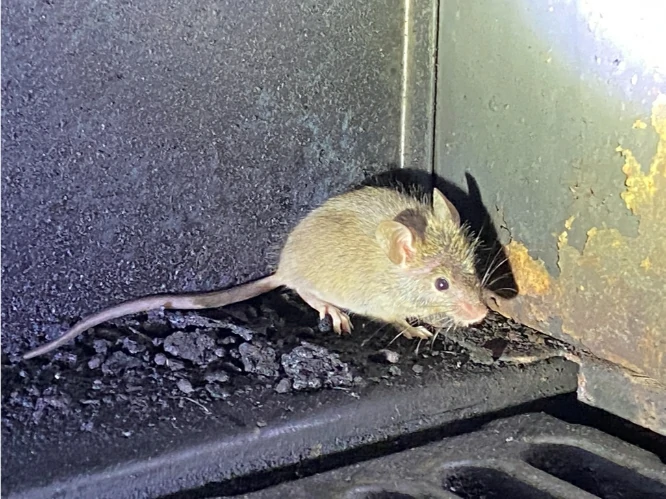
The idea of mice traveling through your sewer system and entering your home through the pipes is pretty disturbing. Most people don’t want to think about what might be lurking in their sewer lines.
But if you’ve spotted mice in your home and can’t figure out where they’re coming from, your sewer pipes might be the answer. So can mice actually use sewer pipes to get into your house?
Yes, mice can come in through sewer pipes. They can enter your home’s sewer system through cracks in the main sewer line, gaps around pipe connections, broken cleanout caps, or damaged vent pipes. Once inside your sewer system, they can travel through the pipes and emerge in your basement, crawl space, or even come up through drains.
Sewer systems provide an ideal environment for mice and rats. They offer protection from weather, predators, and plenty of water. If your sewer pipes have any openings, mice living in the sewers can use them as a direct route into your home.
Why Do Mice Live in Sewer Systems?
Before we talk about how they get into your home, it helps to understand why mice are in sewers in the first place.
City sewer systems provide everything mice need to survive. There’s water everywhere, which is essential for mice. They can drink from the constant moisture in the tunnels.
Food comes from what people flush and wash down drains. Food scraps, grease, and organic waste all end up in sewers, providing plenty of meals for rodents.
The temperature in sewers is relatively stable. Even in winter, sewers stay warmer than the outside because of the warm water flowing through them. In summer, they’re cooler than the surface.
Protection from predators is another big draw. Cats, dogs, hawks, and other animals that hunt mice can’t access the sewer system. It’s a safe haven underground.
The tunnel structure gives mice plenty of places to nest and hide. The walls of sewer pipes, access chambers, and junction points all provide shelter.
These conditions mean that large populations of mice (and rats) live in city sewers. Some of these rodents find their way from the public sewer system into private sewer lines that connect to homes.
How Mice Enter Your Home’s Sewer Line
Your home’s private sewer line connects to the city’s main sewer system. This connection point is one place where mice can get into your pipes.
Cracks and breaks in your sewer line are common entry points. Old sewer pipes, especially clay pipes that were standard in older homes, develop cracks over time. These cracks are wide enough for mice to squeeze through.
Tree roots can break into sewer lines searching for water. Once roots create an opening, mice can use the same hole to get inside your pipes.
The connection between your private sewer line and the city main isn’t always perfectly sealed. Small gaps at this junction allow mice to move from the public system into your private line.
Settling and ground movement can shift sewer pipes and create gaps at connection points. Even modern PVC pipes can develop problems if the ground settles unevenly.
Once mice are in your sewer line, they have direct access to your home. They can travel up the pipes and emerge through various openings in your house.
Can Mice Swim Up Through Drain Pipes?
This is what really worries people. Can a mouse actually swim through the water in your sewer pipes and come up through a drain?
Mice are surprisingly good swimmers. They can tread water for up to three days if needed, and they can swim quite well. So the presence of water and sewage in pipes doesn’t automatically stop them.
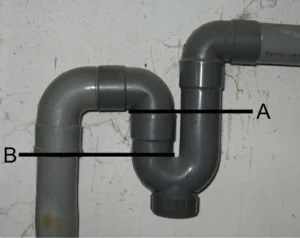
However, most drains in your home have P-traps or S-traps. These are the curved sections of pipe that always hold water. This water barrier is designed to block sewer gases from entering your home, and it also creates an obstacle for mice.
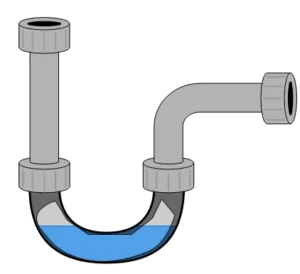
For a mouse to come up through a drain, it would need to swim through the water in the trap. This is possible but not common because mice don’t like swimming when they have other options.
The most vulnerable drains are ones that don’t get used regularly. If a drain sits unused for weeks or months, the water in the trap evaporates. Once the trap is dry, it’s just an open pipe that mice can climb through.
Floor drains in basements, utility sinks in garages, and drains in vacation homes are especially risky because they often dry out.
Toilet bowls have water in them constantly, which makes it harder (but not impossible) for mice to come up through them. The water in the toilet bowl and the S-bend creates a barrier that most mice won’t try to swim through.
Common Entry Points from Sewer Lines
Besides coming up through drains, mice can emerge from your sewer system in several other ways.
Cleanout access points are meant for plumbers to access your sewer line when there’s a clog. These are usually in your basement or outside near your foundation. If the cap on a cleanout isn’t tight or the gasket is damaged, mice can get through.
The main sewer line enters your home somewhere, usually through the foundation in your basement or crawl space. The gap around this pipe as it comes through the foundation wall is a major entry point if it’s not sealed properly.
Vent pipes are part of your drain system. Every home has vent pipes that go up through the roof to allow air into the drain system. If the vent cap on your roof is damaged or missing, mice can enter from the top and climb down through the vent into your sewer pipes.
The space between the outer sewer pipe and your home’s walls provides routes for mice. Even if they don’t come up through a drain, they can use the gaps around sewer pipes to get inside wall spaces.
Broken or damaged pipes in crawl spaces or basements give mice direct access. If your sewer pipe has visible damage in these areas, mice can get out of the pipe and into your home.
Signs That Mice Are Coming from Your Sewer
If mice are using your sewer system to enter your home, certain clues point to this source.
A sewer smell in areas where you see mice might indicate they’re coming from your drain system. Mice that have been in sewers carry that smell with them.
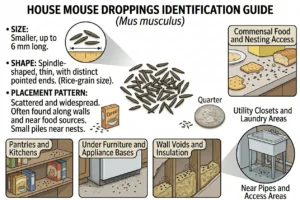
Droppings near drains, floor drains, or around the base of toilets suggest mice are using these routes. Fresh droppings are dark and moist, while old ones are gray and crumbly.
Scratching or squeaking sounds from inside walls near bathrooms or the kitchen might be mice traveling through the spaces around sewer pipes.
Slow drains or frequent backups can indicate damage to your sewer line. If tree roots or cracks are causing drain problems, these same issues let mice in.
Mice appearing in your basement first often means they’re coming from below through the foundation or sewer connections.
A sudden increase in mice during wet weather might mean your sewer line has problems. Heavy rain can flood sewer systems, driving mice to seek higher ground through any available route.
How Are Mice Different From Rats in Sewers?
Both mice and rats live in sewers, but they behave differently regarding how they enter homes.
Norway rats are much better at coming up through toilets than mice are. They’re excellent swimmers and have been documented swimming up through toilet bowls, though it’s still not common.

Rats need larger openings than mice do. While mice can squeeze through a gap the size of a dime, rats need holes about the size of a quarter. This means some small cracks that let mice through won’t work for rats.
Mice are better climbers than rats in vertical pipes. They can navigate tight, vertical drain pipes more easily than the larger, heavier rats.
Sewer rats are more common in cities with older sewer systems. Rural areas typically have fewer rats in sewers but might still have mice.
If you’re seeing rats instead of mice, the sewer connection is even more likely because rats depend heavily on sewer systems for habitat.
How to Inspect Your Sewer Line for Entry Points
Finding out if your sewer line is letting mice in requires some investigation.
Start with the visible parts of your sewer system. In your basement or crawl space, look for the main sewer line and any cleanout access points. Check for cracks, gaps, or damage.
Inspect cleanout caps carefully. These should be screwed on tight with good rubber gaskets. If they’re loose, cracked, or missing entirely, mice can get through.
Look where the main sewer line exits through your foundation. Feel around the pipe for gaps between the pipe and the concrete or brick. Even small gaps need to be sealed.
Check floor drains in basements, garages, and laundry rooms. Make sure they have water in them. If they’re dry, pour water down them and note how long it takes to evaporate. Drains that dry out quickly need attention.
Outside your home, find where your sewer line exits the foundation. The same gap-checking applies here. Also look for any signs of digging or disturbed soil near sewer pipes, which might indicate animal activity.
If your home is more than 30 years old, consider having your sewer line professionally inspected with a camera. This can reveal cracks, breaks, and tree root intrusion that you can’t see from the outside.
Check the vent pipe on your roof. Use binoculars if you can’t safely access the roof. The vent cap should be in place with an intact screen to keep rodents out.
How to Keep Water in Your Drain Traps
The water barrier in your drain traps is your first defense against mice coming up through drains. Maintaining these traps is important.
Pour water down every drain in your home at least once a month. This is especially important for rarely used drains like floor drains, guest bathroom sinks, and utility sinks.
Use enough water to completely refill the trap. A few cups should do it for most drains. You’ll hear the water gurgle as it fills the P-trap.
For drains that you use even less frequently (like in a vacation home), pour water down them before you leave and as soon as you return.
Add a small amount of mineral oil to traps in rarely used drains. Pour about 1/4 cup of mineral oil down the drain after the water. The oil floats on top of the water and dramatically slows evaporation.
Don’t use this oil trick for drains you use regularly because oil can cause buildup over time. It’s only for drains that sit unused for weeks or months.
Consider installing trap primers for floor drains that never get direct use. These devices automatically add small amounts of water to the trap when other plumbing is used nearby.
If you have a drain that won’t hold water (the trap drains out quickly even after you fill it), you might have a broken trap or vent issue. Get this fixed because an empty trap is an open invitation to mice.
How to Seal Gaps Around Sewer Pipes
Once you’ve identified gaps around your sewer pipes, sealing them keeps mice out.
For small gaps (less than 1/2 inch), use waterproof caulk. Sewer areas tend to be damp, so choose a caulk rated for wet conditions and mold resistance.
For medium gaps (1/2 inch to 2 inches), stuff copper mesh or steel wool into the gap first, then seal over it with expanding foam or hydraulic cement. Mice can’t chew through metal mesh.
For large gaps (over 2 inches), use metal hardware cloth cut to fit. Push it into the opening, then seal around and over it with hydraulic cement or mortar.
Hydraulic cement is ideal for foundation penetrations because it’s designed for use in damp conditions and sets very hard. Mice can’t chew through it.
Don’t use wood, regular foam, or plastic alone. These materials can be gnawed through by determined rodents. Always include a metal component in your barrier.
When sealing around active sewer pipes, be careful not to damage the pipe or interfere with its function. If you’re unsure, have a professional do the sealing.
Replace damaged cleanout caps. New caps with fresh rubber gaskets are inexpensive and easy to install yourself. Make sure they’re screwed down tight.
What to Do About Damaged Sewer Lines
If your inspection reveals cracks or breaks in your sewer line, you need to get these repaired to stop mice from entering.
Camera inspection by a professional plumber can show the extent of damage inside your pipes. This service typically costs a few hundred dollars but gives you detailed information about what needs fixing.
Small cracks in accessible areas might be patched. If the damaged section is in your basement or crawl space, a plumber can sometimes repair it without digging.
Larger breaks or tree root intrusion usually require replacing the damaged section of pipe. This is more expensive but solves the problem permanently.
Trenchless sewer repair methods are less disruptive than traditional digging. These techniques can replace or reline pipes without tearing up your yard or foundation.
Don’t delay repairs if you have serious sewer line damage. Besides letting mice in, damaged sewer pipes can cause backups, water damage, and contamination of your property.
After repairs, make sure the work includes proper sealing around any new pipe penetrations. Tell the plumber that rodent prevention is a priority.
Can a Backwater Valve Keep Mice Out?
A backwater valve is a one-way valve installed in your sewer line. It’s designed to prevent sewage from flowing back into your home during backups, but it also helps prevent mice from coming in.
The valve allows water and waste to flow out of your home but prevents anything from coming back in through the sewer line. This blocks mice trying to travel up your sewer pipe.
Installation requires a plumber and usually involves cutting into your main sewer line. It’s not a cheap fix, typically costing several hundred to over a thousand dollars.
The valve needs to be accessible for cleaning and maintenance. It’s usually installed in the basement where the main sewer line exits your home.
Backwater valves are especially worthwhile in areas prone to sewer backups or if you’ve had recurring problems with rodents coming from sewers.
Check local building codes because some areas require backwater valves in certain situations. Your plumber can advise on what’s required and recommended.
How to Maintain Your Sewer System to Prevent Mice
Regular maintenance keeps your sewer system in good condition and reduces the chances of mice getting in.
Have your sewer line cleaned professionally every few years, especially if you have older pipes or large trees near your sewer line. This removes buildup and can catch problems early.
Don’t plant trees with aggressive root systems near your sewer line. Willows, poplars, and some other species are notorious for invading sewer pipes.
Address slow drains promptly. While a single slow drain might just need snake cleaning, recurring problems could indicate line damage that’s also letting mice in.
Watch for signs of foundation settling or ground movement near where your sewer line runs. Shifting can crack pipes and create gaps.
Keep cleanout caps in good condition. Replace them every few years or whenever you notice the rubber gaskets are cracked or hardened.
Consider root treatments if you have trees near your sewer line. Products containing copper sulfate can kill roots in pipes, though they’re not a substitute for proper line maintenance.
What to Do If You Find Mice in Your Drains
If you actually see or catch a mouse in or near a drain, act quickly.
Pour water down the drain to fill the trap immediately. This creates a barrier if it was dry.
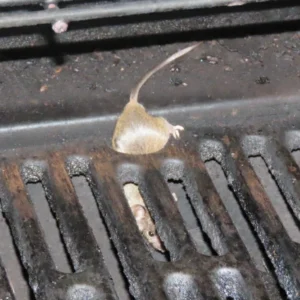
Set snap traps near the drain where you found the mouse. Mice rarely travel alone, so there are probably others.
Check and fill the traps in all nearby drains. If one drain was vulnerable, others might be too.
Inspect the area around the drain for gaps or damage. Look at where pipes go through walls or floors near the drain.
Clean the area thoroughly with disinfectant. Mice from sewers carry especially harmful bacteria and diseases.
Consider calling a pest control professional if mice keep appearing near drains despite your efforts. They have tools and methods for dealing with mice in plumbing.
Have your sewer line inspected if the problem persists. Recurring issues with mice in drains usually mean there’s damage somewhere in your sewer system.
How to Prevent Mice From Returning Through Sewer Pipes
Once you’ve dealt with the immediate problem, take steps to prevent mice from using your sewer system as an entry point again.
Make drain trap maintenance a regular habit. Set a monthly reminder on your phone to pour water down all rarely used drains.
Keep your basement or crawl space clean and check it regularly for signs of mice. Early detection prevents a small problem from becoming a big one.
Seal any gaps you find right away. Don’t wait until you have a mouse problem to close entry points.
Monitor your drains for slow drainage or unusual smells. These can be early warnings of sewer line problems.
Consider upgrading old sewer pipes if your home has the original clay or cast iron pipes and they’re deteriorating. Modern PVC or ABS pipes are much more resistant to cracking and root intrusion.
Keep gutters and drainage systems working properly. Excess water around your foundation can speed up sewer pipe deterioration.
When Should You Call a Professional?
Some sewer-related mouse problems are beyond DIY solutions.
If you can’t find where mice are entering despite thorough checking, a pest control professional can help. They have experience identifying entry points that homeowners miss.

Sewer line problems require a licensed plumber. Don’t attempt to repair or replace sewer pipes yourself because mistakes can cause serious problems.
Camera inspection of your sewer line is best left to professionals. They have the right equipment and know what to look for.
If you have a serious mouse infestation coming from your sewer, combining professional pest control with professional plumbing work gives you the best results.
When you’re selling or buying a home, consider including a sewer line inspection as part of the process. Finding problems before they become your responsibility is worth the cost.
Conclusion
Mice can definitely come in through sewer pipes, and they do this by exploiting cracks, breaks, and gaps in your home’s sewer system. City sewers contain large populations of mice and rats, and these rodents can find their way into private sewer lines through various openings.
The most common entry points are cracks in old sewer pipes, gaps around pipe connections, loose cleanout caps, and dried-out drain traps. Once inside your sewer system, mice can travel through the pipes and emerge in your home through floor drains, damaged pipes, or gaps around sewer connections.
Preventing mice from using your sewer system requires maintaining your drain traps, sealing gaps around pipes, keeping cleanout caps tight, and repairing any damage to your sewer line. Regular inspection and maintenance catch problems before they become serious.
If you suspect mice are coming from your sewer, don’t ignore the problem. These mice have been in sewage and carry more diseases than mice from other sources. Get your sewer line inspected, seal all entry points, and eliminate the mice in your home. The investment in proper repairs and pest control protects both your property and your health.

Hi, my name is Ezra Mushala, i have been interested animals all my life. I am the main author and editor here at snakeinformer.com.