
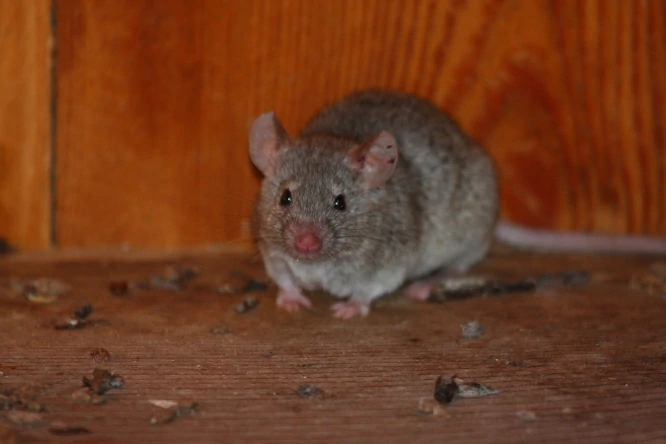
You’re hearing scratching noises above your ceiling at night, or maybe you’ve spotted droppings when you went up to get your Christmas decorations.
Lofts and attics seem like they’d be difficult for mice to reach, but these small rodents are surprisingly skilled at climbing and finding entry points to high places. Can mice get into lofts?
Yes, mice can easily get into lofts through gaps in the roof, ventilation openings, holes around pipes and wires, and by climbing up walls inside your home. Lofts are actually one of the most common places where mice nest because they’re warm, quiet, and usually undisturbed.
Your loft provides everything mice need for a comfortable home. It’s got insulation for nesting material, it’s protected from weather and predators, and it’s rarely visited by humans. Once mice discover your loft, they’ll often establish a large colony there.
How Mice Actually Get Into Your Loft
Mice are excellent climbers and can scale rough vertical surfaces like brick, wood siding, and even stucco. They use their sharp claws and flexible bodies to climb exterior walls right up to your roofline.
Once they’re at roof height, they look for any gap or opening to squeeze through. Mice can fit through holes as small as a dime (about 6 millimeters), so even tiny gaps in your roof or soffits are big enough.
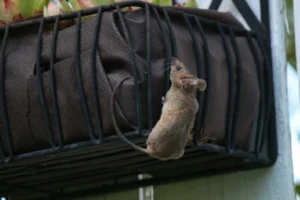
Gaps where your roof meets the walls are common entry points. These areas often aren’t sealed perfectly during construction, leaving small openings that mice can exploit.
Ventilation openings in your soffits, gable ends, or ridge vents are designed to let air flow through your loft. But without proper screening, they also let mice in.
Mice can also climb up inside your walls using the spaces around pipes, wires, and structural elements. Once they’re in the wall cavity, accessing the loft from below is easy.
Common Entry Points in Roofs and Eaves
The junction where different roof sections meet often has small gaps. These valleys and angles are difficult to seal perfectly and mice can find these weak spots.
Soffits (the underside of your roof overhang) often have ventilation holes or gaps where they connect to the wall. If these aren’t covered with fine mesh screening, mice will use them.
Damaged or missing roof tiles or shingles create obvious openings. Even if the gap seems small, mice can widen it by gnawing on the surrounding material.

Fascia boards (the boards running along the edge of your roof) can develop gaps where they meet or where they’ve rotted due to water damage. These provide easy access for mice.
The areas around your chimney often have gaps where the flashing meets the roof or walls. These are particularly common entry points because they’re hard to seal properly.
Gable vents are designed to ventilate your loft, but if the screening is damaged or missing, mice walk right in. Even small tears in the screening are enough.
Why Do Mice Love Lofts So Much?
Lofts stay relatively warm, even in winter. The heat from your living space rises and keeps the loft warmer than the outside temperature, which is perfect for mice.
The insulation in your loft is ideal nesting material. Mice will shred it to create warm, comfortable nests for their babies.
Lofts are dark and quiet, which makes mice feel safe. They’re prey animals, so they’re always looking for places where they can hide from predators.
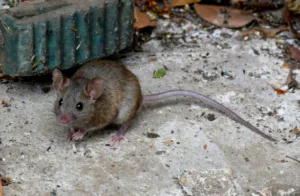
You probably don’t go into your loft very often. This means mice can establish a colony without being disturbed, and the problem can get quite serious before you even notice.
If you store things in your loft (boxes, old furniture, holiday decorations), these items create even more hiding spots and nesting areas that mice love.
Many people store food items in lofts, like extra pantry supplies or pet food. This turns your loft into a perfect habitat with both shelter and food available.
Signs That Mice Are Living in Your Loft
Scratching, scurrying, or squeaking noises coming from your ceiling are the most obvious signs. You’ll usually hear these at night when mice are most active.
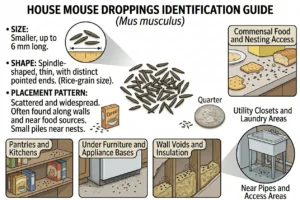
Mouse droppings are small, dark pellets about the size of a rice grain. You’ll find them along the edges of your loft, near walls, and around any stored items.
Gnaw marks on wooden beams, cardboard boxes, or insulation show that mice have been there. They constantly chew to keep their teeth from growing too long.
Shredded insulation, paper, or fabric means mice are building nests. You might see piles of this material in corners or tucked into wall cavities.
A strong, musty smell in your loft indicates mouse urine. This odor builds up when mice have been living there for a while.
Grease marks or smudges along beams and rafters show the paths mice travel regularly. Their oily fur leaves dark marks on surfaces they brush against.
Finding actual mice (dead or alive) in your loft is the most definite sign, but by the time you see mice, you probably already have a serious infestation.
What Damage Can Mice Cause in a Loft?
Mice chew through electrical wiring, which creates a serious fire hazard. Exposed or damaged wires in your loft can spark and ignite the insulation or wooden structures.
They’ll destroy your insulation by pulling it apart for nesting material and contaminating it with urine and droppings. Damaged insulation loses its effectiveness and will need to be replaced.
Any items you’re storing in your loft are at risk. Mice will chew through cardboard boxes, fabric, and even some plastics to get at food or create nesting material.
Wooden beams and rafters can be damaged by gnawing. While mice usually won’t cause structural damage, repeated chewing can weaken wood over time.
The smell of mouse urine and droppings can permeate your home, especially if you have a large infestation. This odor is difficult to remove and can make your whole house smell bad.
Mouse droppings and urine spread diseases like hantavirus and salmonella. If contaminated dust becomes airborne when you move things around in your loft, you can breathe it in.
Health Risks of Mice in Your Loft
Hantavirus is one of the most serious diseases associated with mice. You can get it by breathing in dust contaminated with mouse droppings or urine, which is exactly what happens in a dusty loft.
Salmonella bacteria from mouse droppings can spread throughout your home through dust and air circulation. Even if you don’t go into your loft often, the contamination can affect your living spaces.

Mouse allergens from their fur, urine, and droppings can trigger asthma and allergies. These allergens become airborne and circulate through your home’s ventilation system.
If mice die in your loft, decomposing bodies create health hazards and terrible smells. Dead mice also attract other pests like flies and beetles.
Mice can carry fleas, mites, and ticks, which can then spread throughout your home and bite humans and pets.
How to Find Where Mice Are Getting In
Inspect your roofline from the outside on a bright day. Look for any gaps, holes, or damaged areas where mice could enter.
Check all your ventilation openings. Look at soffit vents, gable vents, and ridge vents to make sure they have intact screening.
Go into your loft during the day and turn off all lights. Look for any spots where you can see daylight coming through. If light can get in, mice can too.
Examine the areas around pipes, wires, and vents that pass through your roof or walls. These penetrations often have gaps around them that are easy to overlook.
Look at your chimney flashing and where different roofing materials meet. These junctions are common weak spots.
Check your fascia boards and soffits for rot or damage. Soft, rotted wood is easy for mice to chew through and create new entry points.
How to Seal Entry Points and Keep Mice Out
Use steel wool to stuff any small gaps or holes. Mice can’t chew through steel wool, unlike foam or caulk alone.
Cover ventilation openings with hardware cloth (metal mesh with small holes). Make sure the mesh has holes smaller than 6 millimeters so mice can’t squeeze through.
Replace any damaged roof tiles, shingles, or flashing. These repairs not only keep mice out but also protect your home from water damage.

Seal gaps around pipes and wires with expanding foam and steel wool. Push steel wool into the gap first, then cover it with foam to hold it in place.
Replace or repair damaged fascia boards and soffits. If the wood is rotted, mice can easily chew through it even if you seal the current holes.
Check and repair your chimney cap and flashing. Make sure the cap has mesh screening that’s in good condition.
How to Get Rid of Mice Already in Your Loft
Set snap traps throughout your loft, focusing on areas where you’ve seen droppings or signs of activity. Place them along walls and near any stored items.
Bait traps with peanut butter, chocolate, or dried fruit. These foods have strong smells that attract mice, and they’re sticky enough that mice can’t just grab them and run.
Check and reset traps daily. Dead mice need to be removed quickly, and you’ll need to keep trapping until you stop catching anything for at least a week.
Consider using electronic traps if you don’t want to deal with traditional snap traps. These kill mice quickly and contain the body so you don’t have to see it.
Avoid using poison in your loft unless absolutely necessary. Poisoned mice often crawl into wall cavities or other inaccessible areas to die, creating smell problems you can’t fix.
If you have a serious infestation, professional pest control is worth the cost. They have access to stronger treatments and can address the problem more comprehensively.
How to Clean Up After a Mouse Infestation
Don’t sweep or vacuum mouse droppings right away. This stirs up contaminated dust that you can breathe in.
Ventilate your loft by opening windows or vents and letting fresh air circulate for at least 30 minutes before you start cleaning.
Wear a proper dust mask or respirator, gloves, and old clothes that you can wash immediately after cleaning.
Spray droppings and contaminated areas with a disinfectant solution (one part bleach to ten parts water). Let it soak for five minutes before cleaning.

Use paper towels to pick up droppings and contaminated materials. Put everything in sealed plastic bags for disposal.
Mop or wipe down hard surfaces with the disinfectant solution. Let areas air dry completely.
If insulation is heavily contaminated or damaged, it needs to be removed and replaced. This is a job best left to professionals who have proper protective equipment.
Preventing Mice From Coming Back
Keep tree branches trimmed back from your roofline. Overhanging branches give mice an easy path onto your roof.
Remove ivy or other climbing plants from your exterior walls. These create highways for mice to climb up to your roof.
Install chimney caps with mesh screening if you don’t already have them. This blocks one of the easiest entry points.
Inspect your roof and loft at least twice a year (spring and fall). Look for new damage or gaps that mice could use.
Don’t store food in your loft, even if it’s in sealed containers. The smell can still attract mice, and they’re persistent enough to chew through most packaging.
Keep your loft organized and minimize stored items if possible. The less clutter there is, the fewer places mice have to hide and nest.
Does Loft Insulation Attract Mice?
Mice love to burrow into insulation to make nests. This is one of the main reasons lofts are so attractive to them.
Damaged insulation loses its ability to regulate temperature, which means higher heating and cooling costs for you.
If your insulation is contaminated with mouse urine and droppings, it can spread odors and diseases throughout your home through air circulation.
Some types of insulation are more attractive to mice than others. Fiberglass insulation gets shredded easily, while foam board insulation is harder for them to damage (though they’ll still try).
When replacing insulation after a mouse infestation, consider options that are treated with pest repellents. These won’t guarantee mice will stay away, but they provide an extra layer of protection.
When to Call Professional Help
If you’re hearing mice in your loft but can’t find where they’re getting in, professionals have the experience to identify hidden entry points.
Large infestations (finding dozens of droppings or seeing multiple mice) need professional treatment. DIY methods often aren’t enough when the problem is serious.
If you’ve tried trapping mice yourself for several weeks without success, it’s time to get expert help. You might be missing something important.
Professional pest control companies can also handle the cleanup and insulation replacement safely if your loft is heavily contaminated.
If you’re not comfortable going into your loft (due to mobility issues, fear of heights, or other concerns), professionals can handle the entire process for you.
Conclusion
Mice can definitely get into lofts through gaps in your roof, ventilation openings, and by climbing up walls and pipes. Your loft provides an ideal habitat for them with warmth, shelter, and nesting material.
The key to keeping mice out of your loft is sealing all entry points with materials they can’t chew through (like steel wool and metal mesh) and maintaining your roof and soffits in good condition.
If you already have mice in your loft, you need to trap them, find and seal all entry points, and clean up thoroughly to remove contamination and prevent diseases.
Regular inspections of your loft and roof will help you catch problems early before a small mouse problem turns into a serious infestation that damages your home and puts your health at risk.

Hi, my name is Ezra Mushala, i have been interested animals all my life. I am the main author and editor here at snakeinformer.com.