
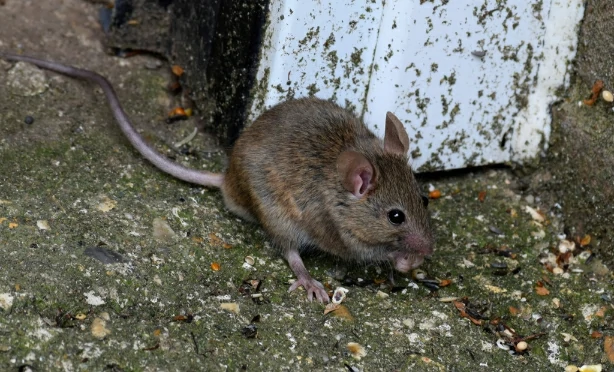
If you’ve successfully caught or killed a mouse in your home, you might be worried about what happens next. There are a lot of conflicting stories about whether dead mice draw more mice to the area or scare them away.
Understanding how mice actually respond to dead mice can help you handle the situation properly. But will dead mice attract other mice?
Dead mice don’t directly attract other mice, but they don’t scare them away either. Mice are generally indifferent to dead mice and will walk right past them. However, the conditions that attracted the first mouse (food, water, shelter) are still there, so more mice will keep coming for those same reasons, not because of the dead mouse.
The idea that dead mice bring more mice is mostly a myth. Mice aren’t drawn to death or decay the way some scavengers are.
But dead mice also don’t work as a warning to other mice. They’ll simply go about their business, continuing to look for food and nesting sites in your home, regardless of whether there’s a dead mouse nearby.
How Mice Actually React to Dead Mice
In the wild and in laboratory studies, mice show surprisingly little interest in dead mice. They might sniff a dead mouse briefly out of curiosity, but they don’t treat it as food and they don’t avoid it as a threat.
Mice are much more interested in living mice, food sources, and potential dangers like predators or humans. A dead mouse is just another object in their environment.
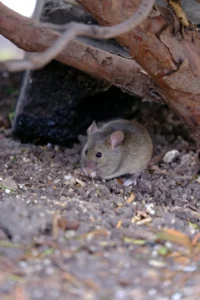
You might occasionally see a mouse appear to “investigate” a dead one, but this is usually just normal exploratory behavior. Mice investigate everything in their environment by smelling and sometimes nibbling on it.
This doesn’t mean they’re attracted to the dead mouse specifically. They’re just checking out something new in their territory.
Some people think mice will eat other dead mice, but this is actually rare. Mice are omnivores and will eat a wide variety of foods, but they prefer seeds, grains, fruits, and other plant materials.
They’ll eat insects and small amounts of meat opportunistically, but cannibalism isn’t a normal part of their diet. Even in cases of extreme starvation, mice are more likely to seek out other food sources than to eat dead mice.
The Real Reason More Mice Keep Coming
If you’re still seeing mice after killing one or several, it’s not because the dead mice attracted them. It’s because whatever brought the first mouse is still present in your home.
Mice come inside looking for food, water, and shelter. If your home still offers these things, and the entry points are still open, more mice will keep coming in.

One dead mouse in a trap doesn’t change any of these conditions. The crumbs in your pantry are still there, the gap under your door is still there, and your warm attic is still there.
New mice will find these resources the same way the first mouse did. This is why trapping or killing individual mice doesn’t solve an infestation by itself.
You need to address the root causes: seal entry points, remove food sources, fix moisture problems, and eliminate nesting sites. Without doing these things, you’ll just keep catching mice indefinitely.
Why Do People Think Dead Mice Attract More Mice?
This misconception probably comes from seeing more mouse activity after starting to trap mice. When you set traps and start catching mice, you’re also checking those areas more carefully.
You’re more aware of mouse activity, so you notice things you might have missed before. It can feel like the mice are multiplying, but really, you’re just more tuned in to the problem.

Another factor is timing. Most people start dealing with mice in fall and winter when mouse pressure is naturally highest.
More mice are trying to get inside during these months regardless of whether you’re trapping or not. So you might catch one mouse, then see another one soon after, and assume the dead mouse attracted it.
But that second mouse was probably already in your home or was coming inside anyway. There’s also the issue of how quickly mice reproduce.
If you have a breeding population in your home, new mice are constantly being born. You might trap an adult, then see babies from a nearby nest a few days later.
What Happens When a Dead Mouse Starts to Decompose?
While dead mice don’t attract living mice, decomposing mice can attract other pests. Flies, beetles, and other insects that feed on decaying matter will be drawn to a dead mouse.
If the mouse has been dead for several days and is starting to decompose, you might notice these insects around it. This is why it’s important to remove dead mice as soon as you find them.
A dead mouse in your wall or under your floor can also create a terrible smell as it decomposes. This smell can last for weeks depending on the size of the mouse and the temperature.
The smell comes from gases and fluids released during decomposition. While this odor is unpleasant to humans, it doesn’t attract more mice.
Mice don’t have any special interest in the smell of decay. But the smell can help you locate dead mice that you didn’t know about.
If you notice a strong, musky odor that gets worse over a few days then gradually fades over a few weeks, there’s probably a dead mouse somewhere in that area.
How Mouse Scent Trails Lead Other Mice to the Same Spots
While dead mice themselves don’t attract living ones, the scent trails left by living mice absolutely do. Mice leave pheromone markers everywhere they travel.
These chemical signals tell other mice that a route is safe, where food is located, and whether other mice are present. When a mouse dies in a trap, its scent markers are still on the surrounding surfaces.
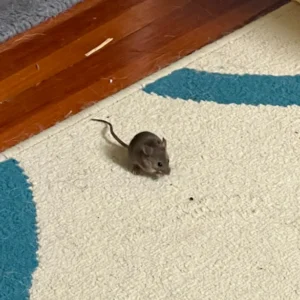
New mice can follow these same trails and end up in the same spots where the previous mouse traveled. This is why you might catch multiple mice in the same trap location.
It’s not because the dead mouse attracted them, it’s because they’re all following the same scent trails that lead to food or water. To break this cycle, you need to clean areas where mice have been active.
Use a strong cleaner or an enzymatic cleaner specifically designed to break down pheromones. Regular household cleaners can help, but they might not completely eliminate all the scent markers.
Rat Poison vs. Traps: Where Dead Mice End Up
One reason people worry about dead mice attracting more is because of how poison works. When mice eat poison, they don’t usually die right away.
They’ll continue moving around for hours or even days before the poison takes full effect. This means they can die in hard-to-reach places like inside walls, under floors, or in attics.
You might not find these dead mice for weeks, and by then they’re decomposing. Multiple dead mice in hidden locations can make it seem like you have an even worse infestation.
But again, these aren’t attracting new mice. The new mice are coming for the same reasons the poisoned ones did.
Traps have an advantage here because you can see and remove the dead mouse immediately. This prevents the decomposition problem and keeps your home cleaner.
It also lets you track how many mice you’re catching and where they’re most active. This information helps you figure out where to focus your pest control efforts.
What Actually Keeps Mice Away?
Since dead mice don’t scare living mice away, you might wonder what does deter them. The answer is pretty simple: remove what attracts them and block their access.
Mice won’t stay in or keep entering a home that doesn’t meet their needs. If they can’t find food, they’ll search elsewhere.
If they can’t find water, they’ll look for it somewhere else. If entry points are sealed, they physically can’t get inside no matter how attractive your home might be.
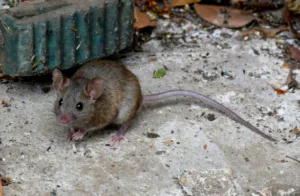
Natural predators can deter mice to some extent. The scent of cats does make mice more cautious, though cats aren’t always effective at catching mice.
Some ultrasonic devices claim to repel mice, but research shows these have limited or no long-term effectiveness. Mice quickly get used to the sounds.
Strong scents like peppermint oil might make mice avoid a specific small area temporarily, but they won’t abandon your entire home because of it. They’ll just move their routes slightly to avoid the smell.
Why You Might Have More Mice Than You Realize
Understanding why it seems like more mice appear after you kill one requires looking at mouse population dynamics. If you have a breeding population in your home, there are probably multiple mice at different life stages.
You might trap an adult male, but there could still be several adult females, juveniles, and multiple litters of babies hidden in nests. When you remove one mouse, the others continue their normal activities.
Mice are also most active at night, so you might not see them even when they’re there. You could have a dozen mice in your home but only spot one or two.
When you start trapping and checking traps regularly, you get a more accurate picture of how many mice you’re actually dealing with. This can be shocking, but it’s important information.
It tells you the true scale of your infestation and helps you understand that catching one or two mice isn’t enough.
Why Trapping Mice Can Feel Like an Endless Cycle
Many people get frustrated because they keep catching mice even after trapping for weeks. They wonder if the dead mice are somehow calling more mice to their home.
The reality is less mysterious. If you haven’t sealed entry points, new mice from outside can keep getting in.
A single entry point can let dozens of mice enter over time. You could be catching these new arrivals while missing the fact that more are coming in behind them.
If you have a breeding population inside, you’re dealing with constant reproduction. Female mice can have a new litter every three weeks.
Those babies mature in six to eight weeks and start breeding themselves. You could be trapping adults while new generations are being born faster than you can catch them.
This is why sealing entry points is so critical. Without it, trapping becomes an endless cycle.
What to Do When You Find a Dead Mouse
When you catch a mouse in a trap, remove it as soon as possible. Don’t leave dead mice sitting in traps for days.
Wear gloves when handling dead mice or the traps they’re in. You can dispose of dead mice in your outdoor garbage in a sealed plastic bag.
Some people prefer to bury them away from their home. After removing a dead mouse, clean the area around the trap.
Wipe down surfaces with disinfectant to remove any droppings, urine, or scent markers. Reset the trap with fresh bait and check it daily.
If you’re using snap traps, you can reuse them after cleaning. Just make sure they’re still working properly.
Bent or damaged traps won’t catch mice effectively. If you find a dead mouse that wasn’t in a trap (maybe it died from poison or natural causes), handle it the same way.
Use gloves, seal it in a plastic bag, and dispose of it in outdoor garbage. Then clean the area thoroughly.
How to Keep More Mice Out of Your Home
Instead of worrying about whether dead mice attract more mice, focus your energy on prevention. The best mouse control strategy is keeping them out in the first place.
Do a thorough inspection of your home’s exterior. Look for any openings larger than 1/4 inch and seal them with steel wool, caulk, or hardware cloth.
Pay special attention to areas where pipes and wires enter your home, gaps around doors and windows, cracks in foundations, and openings in your roof or attic vents. Inside your home, store all food in sealed containers made of glass, metal, or thick plastic.
Don’t leave pet food out overnight. Clean up crumbs and spills immediately.
Take out garbage regularly and use bins with tight-fitting lids. Fix any leaky pipes or faucets to eliminate water sources.
Reduce clutter in basements, attics, and garages to eliminate nesting sites. These steps make your home much less attractive to mice, with or without dead mice present.
Conclusion
Dead mice don’t attract living mice. Mice are generally indifferent to dead mice and will simply continue searching for food, water, and shelter regardless of whether there are dead mice nearby.
The reason you might see more mice after killing some is because the conditions that attracted the first mice are still present in your home. More mice keep coming for those resources, not because of the dead mice.
The key to solving a mouse infestation isn’t just trapping or killing individual mice. You need to address the root causes by sealing entry points, removing food and water sources, and eliminating nesting sites.
Without these steps, you’ll keep seeing mice no matter how many you catch. Focus on making your home unattractive and inaccessible to mice, and you’ll finally break the cycle of recurring infestations.

Hi, my name is Ezra Mushala, i have been interested animals all my life. I am the main author and editor here at snakeinformer.com.