
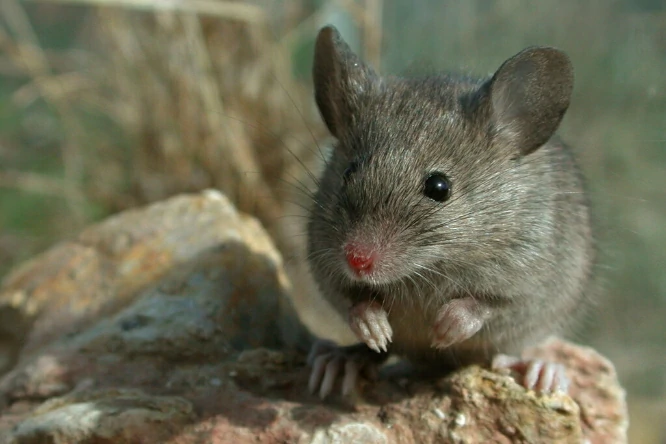
Ziploc bags are convenient for food storage. They keep things fresh, they’re easy to see through, and the seal seems pretty secure. Many people use them to protect food in their pantries and cabinets.
But if you’re dealing with mice or worried about them getting into your food, you might be wondering: are Ziploc bags actually mouse-proof? Can mice chew through these plastic bags to reach the food inside?
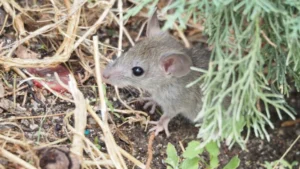
Yes, mice can easily chew through Ziploc bags and other similar plastic storage bags. The thin plastic that these bags are made from offers almost no resistance to a mouse’s teeth. A mouse can chew through a Ziploc bag in seconds if it smells food inside.
Ziploc bags are designed to keep air out and maintain freshness, not to protect against pests with sharp teeth and a biological need to gnaw constantly.
Why Ziploc Bags Don’t Stop Mice
The main problem with Ziploc bags is how thin they are. These bags are made from low-density polyethylene, which is a soft, flexible plastic that’s easy to chew through.
A typical Ziploc bag is only about 0.0015 to 0.002 inches thick. That’s incredibly thin. For comparison, a piece of paper is thicker than some plastic bags.
Mice have incredibly strong teeth designed for gnawing. Their front teeth (incisors) never stop growing, so they have to constantly chew things to wear them down. This evolutionary trait means they’re built for chewing through obstacles.

The bite force of a mouse is surprisingly strong relative to its size. While exact measurements vary, mice can chew through wood, thin metal like aluminum, and definitely plastic.
Soft plastic like Ziploc bags is easy for mice to grip with their teeth. They can pierce the plastic and then tear it open. It doesn’t take any special effort on their part.
Even the “seal” on a Ziploc bag doesn’t matter to mice. They don’t need to figure out how to open the zipper mechanism. They just chew right through the side or bottom of the bag.
How Quickly Can Mice Get Through a Ziploc Bag?
If you’re wondering whether you’d have time to stop a mouse before it gets into a Ziploc bag, the answer is probably no.
For a standard sandwich bag or storage bag, a mouse can chew through in literally seconds. If a mouse smells food and starts gnawing, it might only take 5 to 30 seconds to create a hole.
Freezer bags are slightly thicker than regular storage bags, but they still won’t stop a mouse for long. These might take a minute or two instead of seconds, but that’s not a meaningful difference.
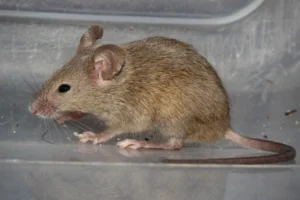
The speed depends partly on how motivated the mouse is. If it’s hungry and smells something really appealing like peanut butter or chocolate, it’ll work faster.
By the time you hear scratching or gnawing sounds and go investigate, the mouse has probably already gotten into the bag. Mice are fast and efficient when it comes to accessing food.
Do Different Types of Plastic Bags Offer More Protection?
You might wonder if some plastic bags are better than others at keeping mice out. The truth is that most plastic bags fail this test.
Regular Ziploc storage bags offer minimal protection. These are the bags you use for sandwiches, snacks, and general storage. They’re the thinnest option and easiest for mice to chew through.
Freezer bags are slightly thicker and made from sturdier plastic to prevent freezer burn. These slow mice down marginally, but determined mice still get through them easily.
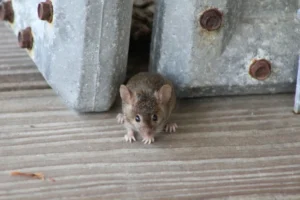
Vacuum-sealed bags (like FoodSaver bags) are thicker and tighter. The lack of air inside makes them slightly harder to grip and chew. But if a mouse can get a good angle on the bag, it can still chew through. These might take a few minutes instead of seconds.
Mylar bags used for long-term food storage are more resistant than Ziploc bags because they have a metallic layer. However, mice can still chew through even Mylar if they’re determined. The metallic layer slows them down but doesn’t stop them completely.
Heavy-duty garbage bags are thicker than food storage bags, but mice can still chew through them. Thickness helps, but it’s still plastic that’s vulnerable to rodent teeth.
Why Mice Can Smell Food Through Plastic
Part of why Ziploc bags fail to protect food is that mice can smell what’s inside. Their sense of smell is incredibly sensitive.
Plastic isn’t airtight at a molecular level. Tiny scent molecules pass through the plastic material. Humans can’t smell these traces, but mice absolutely can.
Ziploc seals keep air out well enough to prevent food from going stale, but they don’t block scent molecules completely. The “zipper” seal is designed for freshness, not for scent containment.
Foods with strong smells are especially vulnerable. Peanut butter, chocolate, cheese, bacon, and pet food all have powerful odors that pass through plastic easily.
Even foods that don’t seem smelly to humans can attract mice. Grains, cereals, and crackers all have scents that mice detect through plastic.
If you’ve handled food and then touched the outside of the bag, you’ve transferred scent to the exterior. Mice can smell these trace amounts and know there’s food inside.
The bottom line is that storing food in Ziploc bags is like putting up a “Food Here” sign for mice. They can smell it and they can easily get to it.
Signs That Mice Have Chewed Your Bags
If you suspect mice have gotten into bags in your pantry or storage areas, here’s what to look for.
Obvious holes chewed in bags are the clearest sign. These holes are usually ragged around the edges and about the size of a quarter or smaller.
Torn bags where the plastic has been ripped open suggest mice have been aggressive in getting to the food. Sometimes they create large tears rather than neat holes.
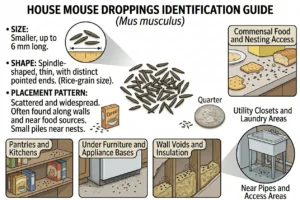
Droppings on or near bags indicate mice have been there. Mouse droppings are small, dark, and pointed at the ends, about the size of a rice grain.
Food inside the bags might be partially eaten. If you open a bag and find that only some of the food is gone or nibbled, mice have been inside.
Scattered food around the storage area shows that mice have been dragging items out of bags or dropping food as they carry it to their nest.
The smell of mouse urine is musty and ammonia-like. If bags smell strange, mice have probably contaminated them.
What Foods Are Most at Risk?
Some foods attract mice more than others when stored in plastic bags.
Grains and cereals are major targets. Rice, pasta, cereal, oatmeal, and quinoa all appeal to mice. These are natural mouse foods and have scents that carry through plastic.
Pet food (dry dog food and cat food) has a very strong smell that mice find irresistible. Even in Ziploc bags, pet food is extremely vulnerable.
Nuts and seeds are exactly what mice eat in nature. Peanuts, almonds, sunflower seeds, and bird seed in plastic bags are like candy stores for mice.
Chips and crackers with their strong flavors and oils attract mice. The scent of processed snacks carries through thin plastic easily.
Chocolate and candy are high on the list. The sugar and fat content make these extremely appealing, and mice will chew through plastic quickly to get to them.
Baking supplies like flour and sugar also attract mice. Even though these seem less aromatic, mice can still smell them through plastic.
Bread and baked goods in plastic bags are easy targets. The soft texture and carbohydrate content make these attractive food sources.
Better Alternatives to Ziploc Bags
If you want to actually protect food from mice, you need better storage solutions than plastic bags.
Glass containers with tight-fitting lids are your best option. Mice can’t chew through glass at all. Mason jars work great for dry goods, and glass food storage containers with sealing lids protect everything from flour to snacks.

Metal containers keep mice out completely. Tin canisters, metal bins, and stainless steel containers all work. Just make sure the lids fit tightly.
Heavy-duty plastic bins (much thicker than bags) provide some protection, but they’re not completely mouse-proof. If you use plastic bins, choose ones with thick walls (at least 3-4mm) and tight lids.
Ceramic containers with good seals work similarly to glass. These are heavier and can’t be chewed through.
If you must use bags, put them inside mouse-proof containers. For example, keeping Ziploc bags inside a glass jar or metal tin adds a protective barrier.
Original packaging plus a mouse-proof container is another approach. Leave food in its original packaging and then store that inside a jar or tin.
Using Ziploc Bags as Part of a System
While Ziploc bags alone don’t stop mice, they can be part of a larger storage strategy.
Bags inside containers give you organization plus protection. Use the bags to portion out food or keep things organized, then store those bags inside glass or metal containers.
Double-bagging doesn’t really help against mice. Two thin plastic bags are still easy for a mouse to chew through. You’re better off using one bag inside a proper container.
Bags for non-food items are fine. If you’re storing craft supplies, office supplies, or other things mice don’t care about, Ziploc bags work fine.
Temporary storage in Ziploc bags is okay if you’re going to eat the food soon. If you pack a lunch or snacks to take with you, the food won’t be sitting around long enough for mice to find it.
The key is understanding that Ziploc bags keep food fresh, but they don’t keep mice out. Use them for their intended purpose (freshness and organization), but add mouse-proof containers when pests are a concern.
Where People Usually Make This Mistake
Certain storage situations commonly lead people to rely on Ziploc bags when they shouldn’t.
In pantries, people often transfer food from boxes to Ziploc bags thinking this will protect it. Without a hard outer container, these bags are still vulnerable.
In basements or garages, people store bulk items in bags. These locations often have more mouse activity, making bag storage especially risky.

College dorms and small apartments where storage space is limited might lead people to use bags instead of bulkier containers. But mice don’t care about space constraints.
Camping and outdoor storage might seem okay for bags, but mice are even more common in outdoor storage areas than in homes.
In RVs and boats, people often use bags to save space. But these vehicles can have serious mouse problems, and bags offer no protection.
Pet food storage is where this mistake is most dangerous. People buy large bags of dog or cat food and reseal them with clips or put portions in Ziploc bags. Neither method stops mice.
The Cost of Relying on Bags
When mice get into food stored in Ziploc bags, the consequences go beyond just losing the food.
Food waste adds up quickly. If mice get into your pantry, you’ll have to throw out everything they’ve contaminated. This can be hundreds of dollars of groceries.
Health risks from contaminated food are serious. Mouse droppings and urine can carry diseases like Salmonella and Hantavirus. Once mice have been in food, it’s not safe to eat.
Attracting more mice happens when they find easy food sources. If mice successfully raid your Ziploc-stored food, they’ll keep coming back and bring others.
The time and effort of dealing with an infestation is exhausting. Catching mice, cleaning up droppings, and dealing with the stress could all be avoided with proper storage.
Structural damage from mice looking for food can occur. Mice might chew through cabinets, walls, or wiring while searching for more food.
The initial cost of better containers pays for itself quickly. A few glass jars or metal tins cost more upfront than Ziploc bags, but they actually protect your food and save money long-term.
Can Mice Get Into Sealed Ziploc Bags?
Even if you seal a Ziploc bag perfectly with the zipper mechanism, it won’t stop mice.
The seal is designed to keep air out, not to be tooth-proof. Mice don’t need to figure out how to open the zipper. They just chew through the plastic itself.
The sides of the bag are just as vulnerable as the top. Mice will often chew through the side or bottom of a bag rather than trying to get through the sealed top.
Doubling the seal (using two Ziploc bags, one inside another) still doesn’t work. Mice can chew through multiple layers of thin plastic easily.
Clips or rubber bands on top of the bag don’t add meaningful protection. These might keep the bag from opening accidentally, but they don’t stop teeth.
The only way a “sealed” bag is protected is if it’s sealed inside something mice can’t chew through, like a glass jar with a metal lid.
Testing Your Food Storage
If you’re not sure whether your current food storage is mouse-proof, here’s how to evaluate it.
Ask yourself: “Could a mouse chew through this material?” If the answer is yes or maybe, it’s not mouse-proof.
Check the thickness of containers. If you can easily squeeze or dent it, so can a mouse. True mouse-proof containers are rigid and solid.
Look at the lids. Even if the container body is strong, a flimsy lid is a weak point. The lid needs to be as sturdy as the rest of the container.
Consider the seal. Tight-fitting lids that leave no gaps are important. Even if mice can’t chew through the material, they might be able to pry open a loose lid.
Think about where you’re storing things. Food in high-risk areas (basements, garages, near entry points) needs better protection than food in low-risk areas.
Look for existing damage. If you see any gnaw marks on your containers, that’s proof they’re not mouse-proof.
What to Do If Mice Have Gotten Into Your Bagged Food
If you discover that mice have chewed through bags and contaminated your food, take immediate action.
Throw away all contaminated food. Don’t try to salvage anything. Once mice have been in food, it’s not safe, even if the damage looks minor.

Dispose of the food in sealed trash bags and put them in an outdoor trash can. Don’t leave contaminated food in your indoor trash where the smell might attract more mice.
Clean the storage area thoroughly. Wipe down all surfaces with disinfectant. Vacuum or sweep up any food debris or droppings.
Check all nearby food items, even if they look untouched. Mice often explore multiple items in the same area.
Set traps immediately to catch the mice that have been in your food. Use snap traps with peanut butter as bait, placed along walls and near the storage area.
Transfer any remaining food to mouse-proof containers right away. Don’t wait to see if more mice show up.
Find and seal the entry points where mice are getting into your home. Storing food properly is important, but you also need to keep mice out of your house entirely.
Long-Term Food Storage Considerations
For people who store bulk food or emergency supplies, proper containers are especially important.
Long-term storage means food sits for months or years. Ziploc bags will degrade over time, making them even less protective.
Bulk quantities attract mice more than small amounts. If you’re storing 25-pound bags of rice or flour, mice will definitely find it if it’s only in plastic bags.
Mylar bags with oxygen absorbers are popular for long-term storage, but they still need to go inside rigid containers. The Mylar helps preserve food, but it won’t stop mice alone.
Food-grade buckets with screw-on lids (not snap-on) are ideal for bulk storage. These 5-gallon buckets are thick, hard plastic that mice struggle with.
Metal trash cans with tight lids work for very large quantities. Make sure the lids have rubber gaskets for a good seal.
Label containers clearly so you know what’s inside without opening them. This reduces the time containers are open and exposed.
Store containers in a cool, dry place away from potential mouse entry points. Even in mouse-proof containers, you want food away from areas where mice are likely to be.
Conclusion
Ziploc bags and similar thin plastic storage bags offer virtually no protection against mice. A determined mouse can chew through these bags in seconds, making them completely ineffective if you’re dealing with a mouse problem.
The thin plastic material, combined with the fact that mice can smell food right through the plastic, means that Ziploc bags actually make food more vulnerable. They’re easier targets than food in original packaging because mice can see and smell what’s inside clearly.
To actually protect food from mice, you need to use glass, metal, or very thick rigid plastic containers with tight-fitting lids. These materials can’t be chewed through, and they do a better job of containing food odors.
If you like using Ziploc bags for organization or freshness, use them inside mouse-proof containers. This gives you the convenience of bags with the protection of materials that mice can’t penetrate. But never rely on thin plastic bags alone if mice are a concern in your home.

Hi, my name is Ezra Mushala, i have been interested animals all my life. I am the main author and editor here at snakeinformer.com.