

Mice are pretty amazing when it comes to squeezing into tight spaces. They can fit through openings as small as a dime, which means they can get into all sorts of places in your home that you wouldn’t expect.
If you’ve noticed droppings near your stove or heard scratching sounds coming from your kitchen appliances, you might be wondering: can mice actually get into ovens?
Yes, mice can get into ovens. They can squeeze through the small gaps and openings around the oven door, the back panel, or through the insulation spaces between the outer shell and the cooking chamber. Once inside, they often nest in the insulation or wiring areas where it’s warm and protected.
Mice are attracted to ovens because they provide warmth, especially during colder months. The insulation material inside ovens also makes great nesting material, and the enclosed space gives them a sense of safety from predators.
How Mice Get Into Your Oven
Mice don’t usually crawl into the actual cooking chamber where you bake your food (though it can happen if the door is left open). Instead, they get into the spaces between the outer shell of the oven and the inner cooking area.
Most ovens have gaps around the door seal, especially if the seal is old or damaged. Mice can squeeze through these gaps pretty easily since they only need about a quarter-inch opening to get through.

They can also get in through the back of the oven. If you pull your oven away from the wall, you’ll probably see openings where the gas line or electrical cord comes through. These openings are rarely sealed completely, giving mice an easy entry point.
The bottom drawer of your oven (the warming drawer or storage area) is another common entry point. The gaps around this drawer are often large enough for mice to slip through.
Once they’re inside the outer shell of your oven, mice find a pretty comfortable home. The insulation stays warm from the heat of cooking, and it’s soft enough to shred and use as nesting material.
Signs That Mice Are Living In Your Oven
The most obvious sign is droppings. If you see small, dark droppings near your stove, on the counter, or inside the warming drawer, you probably have mice.
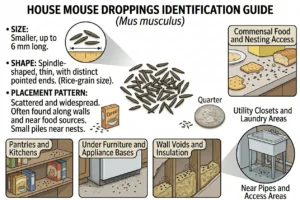
You might also smell something bad coming from your oven, especially when you turn it on. This smell comes from mouse urine, droppings, or even dead mice that got trapped inside.
Scratching or rustling sounds coming from inside or behind your oven are another clear sign. Mice are most active at night, so you’ll probably hear these sounds after dark.
If you open your warming drawer and see shredded insulation, chewed papers, or bits of food stored away, that’s a mouse nest. They love to build nests in these protected spaces.
You might also notice that your oven isn’t heating properly. Mice can chew through wiring inside the oven, which can mess up how it works or even create a fire hazard.
Why Mice Are Attracted to Ovens
Ovens provide everything a mouse needs to survive. They’re warm, protected, and usually close to a food source (your kitchen).
The warmth is really important, especially in winter. Mice can’t regulate their body temperature well, so they’re always looking for warm places to nest. The heat from your oven makes it an ideal spot.
The insulation inside ovens is perfect nesting material. It’s soft, easy to shred, and stays warm. Female mice especially look for these kinds of materials when they’re about to have babies.
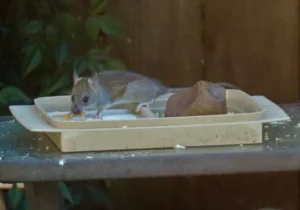
Your kitchen also has plenty of food nearby. Even if mice are living inside your oven, they can easily come out at night to look for crumbs, spills, and food left on counters.
The enclosed space makes mice feel safe. In the wild, mice live in burrows and tight spaces where predators can’t reach them. The inside of an oven feels similar to these natural hiding spots.
The Dangers of Mice In Your Oven
Having mice in your oven isn’t just gross. It’s actually dangerous for several reasons.
Mice can chew through electrical wiring inside your oven. This can cause your oven to stop working properly, or worse, it can create a fire hazard. Exposed wires can spark and ignite the insulation or nesting materials.
Mouse droppings and urine carry diseases. When you turn on your oven, the heat can spread bacteria from these droppings into the air you breathe. Some of these diseases include Hantavirus, Salmonella, and Leptospirosis.
If a mouse dies inside your oven, the smell will be horrible. Dead mice decompose quickly, especially in a warm environment, and the smell can stick around for weeks.
The contamination from mice can get into your food. Even if they’re not in the actual cooking chamber, droppings and urine can fall through gaps and land on your food or cooking surfaces.
Mice also bring other pests with them. They often carry fleas, ticks, and mites that can spread throughout your home once the mice move in.
How to Check If Mice Are In Your Oven
Start by pulling out your warming drawer (if your oven has one). Look for droppings, shredded material, or signs of nesting. Use a flashlight to check all the corners and gaps.
Next, check behind and under your oven. You’ll need to pull the oven away from the wall to do this properly. Look for droppings, grease marks (mice leave dark smudges along the paths they travel), and entry holes.

Inspect the door seal around your oven. Run your hand along it and feel for gaps or damaged areas. If the seal is cracked or worn, mice can get through.
Turn off your oven and let it cool completely. Then, open the door and look inside the cooking chamber. Check for droppings or signs that mice have been inside.
Listen carefully at night. If you hear scratching, scurrying, or rustling sounds coming from your oven area, you probably have mice living there.
How to Get Mice Out of Your Oven
First, you need to actually catch or remove the mice. Set snap traps or live traps near your oven, especially behind it and along the walls where mice travel. Bait the traps with peanut butter, which mice can’t resist.
Don’t use poison inside or near your oven. If a mouse eats poison and dies inside your oven, you’ll have to deal with the smell and possibly take apart your oven to remove the body.
Once you’ve caught the mice, you need to clean everything. Turn off and unplug your oven first. Remove the warming drawer and vacuum out any droppings, nesting material, or debris you can reach.
For a deeper clean, you might need to take off the back panel of your oven (if you’re comfortable doing this). Wear gloves and a mask while cleaning to protect yourself from diseases in the droppings.
Spray the inside areas with a disinfectant solution. You can use a mix of bleach and water (1 part bleach to 10 parts water) or a commercial disinfectant. Let it sit for a few minutes, then wipe everything down.
If mice have chewed through wiring, you’ll need to call a professional to fix it. Don’t use your oven if the wiring is damaged because it’s a fire hazard.
How to Keep Mice Out of Your Oven
The best way to deal with mice in your oven is to stop them from getting in at all. Start by sealing any gaps or openings around your oven.
Check the door seal and replace it if it’s damaged. You can buy replacement seals at most hardware stores, and they’re pretty easy to install yourself.

Fill gaps around pipes and cords at the back of your oven with steel wool. Mice can’t chew through steel wool, so it works really well. You can also use caulk or expanding foam after stuffing the gaps with steel wool.
Keep your kitchen clean. Mice are attracted to food, so don’t leave crumbs on counters, dirty dishes in the sink, or food sitting out overnight. Sweep and mop regularly, especially around your stove area.
Store food in airtight containers that mice can’t chew through. Glass or thick plastic containers work best. Don’t leave pet food out overnight either.
Take out your trash regularly and use bins with tight-fitting lids. The smell of garbage attracts mice, so keeping your trash sealed and removed often helps a lot.
Seal up other entry points in your home. Check for gaps around doors, windows, pipes, and vents. Mice can get into your house through these openings and then make their way to your oven.
Consider using peppermint oil as a natural deterrent. Mice hate the smell of peppermint. Soak cotton balls in peppermint oil and place them behind your oven and in other areas where mice might enter. Replace them every few weeks.
When to Call a Professional
If you keep finding mice in your oven even after you’ve set traps and sealed openings, you might have a bigger infestation. In this case, it’s time to call a pest control professional.
Professional exterminators can find entry points you might have missed. They have special tools and knowledge to locate exactly where mice are getting into your home.
If you’re not comfortable taking apart your oven to clean it or check for damage, call a professional appliance repair person. They can safely access all the areas inside your oven and check if mice have damaged any important parts.
When you have a serious infestation (seeing multiple mice, finding lots of droppings, or hearing constant activity), professionals can handle it more quickly and effectively than DIY methods.
If someone in your home has allergies or a weakened immune system, don’t try to clean up mouse droppings yourself. The dust from dried droppings can contain harmful bacteria and viruses. Let professionals handle the cleanup safely.
Can Mice Actually Get Into the Cooking Chamber?
Yes, mice can get into the actual cooking part of your oven, but it’s less common than them living in the outer shell. It usually happens when the oven door is left open or if there are gaps in the door seal.
If you leave your oven door open (maybe to let it cool after cooking), a mouse can easily climb or jump inside. They’re good climbers and can scale the front of your oven.

Mice can also get into the cooking chamber through vents inside the oven. Some ovens have vents that connect the cooking chamber to the insulation spaces, and mice can squeeze through these.
If you find droppings inside the actual oven where you cook, you need to clean it really thoroughly before using it again. Use the self-cleaning cycle if your oven has one, or scrub everything with hot soapy water and disinfectant.
The good news is that mice don’t usually stay in the cooking chamber. It gets too hot when you use the oven, so they prefer to nest in the cooler insulation areas around it.
Health Risks from Mice In Your Oven
Mice carry several diseases that can make you sick. When they live in your oven, the risk of spreading these diseases increases because of how close they are to your food preparation area.
Hantavirus is one of the most serious diseases mice carry. You can get it by breathing in dust that contains dried mouse droppings or urine. When you turn on your oven, it can stir up this contaminated dust.
Salmonella is bacteria that mice carry in their droppings. If droppings get into your food or on your cooking surfaces, you can get food poisoning. Symptoms include diarrhea, fever, and stomach cramps.
Leptospirosis comes from mouse urine. If you touch surfaces contaminated with urine and then touch your face or food, you can get infected. It causes flu-like symptoms and can be serious if not treated.
Lymphocytic choriomeningitis (LCMV) is a viral infection that comes from mouse droppings, urine, or saliva. It can cause fever, headache, and in severe cases, meningitis.
Always wear gloves and a mask when cleaning up after mice. Don’t sweep or vacuum droppings without wetting them first (use a disinfectant spray), because dry sweeping spreads contaminated dust into the air.
Conclusion
Mice can definitely get into your oven, and they often do because ovens provide warmth, safety, and easy access to food. They usually nest in the insulation spaces between the outer shell and the cooking chamber, but they can also get into the actual oven if the door seal is damaged or left open.
The signs of mice in your oven include droppings, bad smells, scratching sounds, and damage to wiring or insulation. These aren’t just annoying problems. They’re health hazards and fire risks that you need to deal with right away.
Getting rid of mice requires traps, thorough cleaning, and sealing up all the gaps and openings they use to get in. Keep your kitchen clean, store food properly, and check your oven regularly for signs of mice.
If you can’t get rid of the mice yourself or if you have a serious infestation, don’t hesitate to call a professional. They have the tools and experience to solve the problem safely and completely.

Hi, my name is Ezra Mushala, i have been interested animals all my life. I am the main author and editor here at snakeinformer.com.