
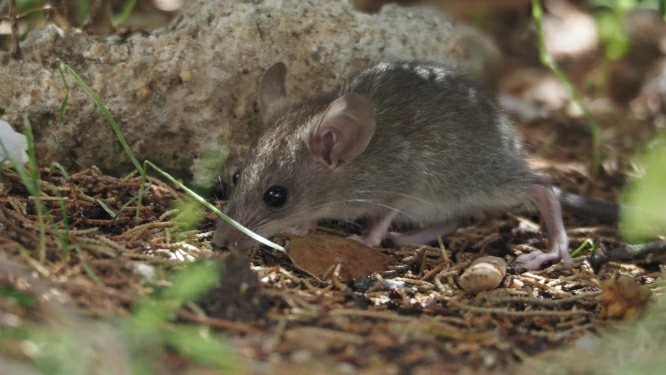
You open your locker at school or the gym and find droppings, or worse, a mouse has chewed through your lunch bag.
Lockers seem like they’d be secure from pests, but these small rodents are incredibly resourceful when it comes to finding food and shelter. Can mice get into lockers?
Yes, mice can get into lockers through ventilation slots, gaps around doors, and damaged seals. School lockers are especially vulnerable because students often store food inside, which attracts mice looking for easy meals.
Lockers aren’t designed to be mouse-proof, and the small gaps that allow air to circulate also provide entry points for mice. If there’s food inside your locker, mice will work hard to find a way in.
How Mice Get Into School Lockers
Most school lockers have ventilation slots at the top or bottom. These slots are there to prevent musty smells and let air circulate, but they’re also perfect entry points for mice.
The gap between the locker door and frame is usually small, but mice can squeeze through openings as tiny as a dime (about 6 millimeters). If the door doesn’t close tightly or the seal is worn, there’s probably enough space.
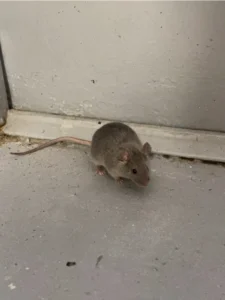
Mice can enter through the spaces between lockers if they’re not completely sealed to each other. They’ll travel through these gaps and access your locker from the side or back.
Old lockers with rust, dents, or damage often have larger gaps. Any weakness in the metal or seals becomes an opportunity for mice.
If your locker is on the bottom row, mice can more easily access it from floor level. They don’t have to climb as far, and there might be additional gaps where the locker meets the floor.
Mice can also get into the locker bank itself (the entire row of connected lockers) and then move from locker to locker through interior gaps or by chewing through weak points.
Why School Lockers Are So Attractive to Mice
Food is the main reason mice target school lockers. Students often keep snacks, lunch bags, or leftover food in their lockers, creating a reliable food source.
Even if you don’t store food, the smell from that sandwich you forgot last week or crumbs that fell to the bottom of your locker will attract mice.
School buildings provide everything mice need to survive. There’s food in the cafeteria, water from fountains and bathrooms, and plenty of hiding places throughout the building.
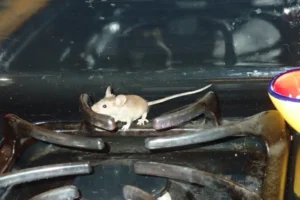
Lockers stay closed most of the time, which means mice can enter, eat, and nest without being disturbed. They only risk getting caught when you open the locker.
During weekends, holidays, and summer break, lockers go undisturbed for long periods. This gives mice even more time to settle in and potentially have babies.
The clutter in many student lockers (books, papers, gym clothes) provides additional hiding spots and nesting material that mice love.
Signs That Mice Have Been in Your Locker
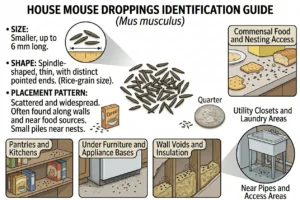
Mouse droppings are the most obvious sign. These look like small, dark pellets (about the size of a rice grain) and you’ll usually find them at the bottom of your locker or on shelves.
Chewed paper, book covers, or food packaging shows that mice have been there. They’ll gnaw through almost anything to get at food.
A musty, ammonia-like smell coming from your locker indicates mouse urine. This odor is very distinctive and hard to miss once you know what it is.
Shredded paper, fabric, or other materials tucked into corners could be a mouse nest. If you see a pile of soft material that you didn’t put there, mice might be nesting in your locker.
Food packages that have been chewed open or have small holes in them are clear signs. Mice will gnaw through plastic bags, cardboard, and even some metal containers.
Grease marks along the edges of your locker or on books show where mice have been traveling. Their oily fur leaves dark smudges on surfaces they brush against.
The Problem With Storing Food in Lockers
Any food left in your locker attracts mice, even if it’s in your backpack or lunch bag. Mice have an incredibly strong sense of smell and can detect food from far away.
Foods with strong smells (like chips, cookies, fruit, or anything with grease) are especially attractive. But really, any food will work as a lure.
Even sealed containers aren’t always safe. Mice can chew through thin plastic containers, cardboard boxes, and paper bags with ease.
Forgotten food is worse than food you eat regularly. That moldy sandwich at the bottom of your backpack or the apple that rolled behind your books creates a constant attractant.
Crumbs are just as bad as whole foods. That handful of chips that spilled in your bag or the granola bar wrapper with a few crumbs is more than enough to interest mice.
If multiple students in nearby lockers are storing food, the entire locker bank becomes a target for mice. They’ll explore the whole area looking for the easiest access to food.
Gym Lockers Have the Same Problems
Gym and fitness center lockers face similar issues to school lockers, but with some additional factors that attract mice.
Sweat and body odor on gym clothes can attract mice because the salt content is appealing to them. They need salt in their diet and can smell it on used workout gear.
Many people keep protein bars, shakes, or snacks in their gym lockers for after workouts. These high-protein foods are especially attractive to mice.
Gym lockers often have even larger ventilation openings than school lockers because they need more airflow to prevent mildew and odors.
If you don’t use your gym locker regularly, mice have more undisturbed time to explore and potentially nest inside.
The warm, humid environment of locker rooms (from showers and people) is actually comfortable for mice, especially during cold weather.
What Can Schools Do About Mice in Lockers?
Install fine mesh screening over ventilation slots. The mesh needs to have holes smaller than 6 millimeters to keep mice out while still allowing airflow.
Seal gaps between lockers and where lockers meet walls or floors. This prevents mice from traveling behind the locker banks.
Implement a no-food policy for lockers and actually enforce it. Regular locker checks help ensure students aren’t storing food that attracts mice.
Schedule professional pest control services regularly, especially during breaks when the building is empty and mice have more time to explore undisturbed.
Repair or replace damaged lockers that have gaps, rust holes, or broken seals. Old lockers with damage are much easier for mice to enter.
Keep the overall building clean and address any mice problems in other areas (cafeterias, storage rooms, etc.). Mice in lockers usually means there’s a bigger infestation elsewhere in the building.
How to Protect Your Personal Locker
Never store food in your locker, even if it’s sealed. Take your lunch with you or keep it in a designated food area if your school has one.
Clean out your locker regularly. Remove any crumbs, wrappers, or forgotten items that might attract mice.
If you must keep food temporarily (like your lunch until lunchtime), use a hard plastic or metal container that mice can’t chew through as easily.
Report any signs of mice to your school immediately. The sooner they address the problem, the less likely it is to spread.
Consider using a locker liner or mat that you can easily remove and clean. This makes it easier to spot and clean up droppings or other signs of mice.
Keep your locker organized with minimal clutter. The less stuff you have, the fewer places mice have to hide and the easier it is to spot if they’ve been there.
What to Do If You Find a Mouse in Your Locker
Don’t panic. Close the locker door (if the mouse is inside) to contain it and immediately tell a teacher, administrator, or building staff.
Don’t try to catch the mouse yourself, especially in a school setting. Let trained staff or pest control professionals handle it.
If there are droppings or signs of mice but no actual mouse visible, still report it right away. Where there’s evidence, there are mice nearby.
Don’t use your locker until it’s been cleaned and the mice problem is addressed. Using a contaminated locker puts you at risk of disease.
Remove any food, papers, or personal items you need (wearing gloves if possible). These items should be cleaned or, if contaminated, thrown away.
Push for a thorough inspection of your locker and the surrounding ones. If mice got into yours, they’ve likely been in others too.
How to Clean a Locker After a Mouse Infestation
Wear gloves when cleaning. Mouse droppings can carry diseases, so you don’t want to touch them with bare hands.
Don’t sweep or brush out droppings first, as this can stir up dust that you might breathe in. Spray the area with a disinfectant solution (one part bleach to ten parts water) first.
Let the disinfectant sit for at least five minutes to kill bacteria and viruses. Then use paper towels to pick up droppings and contaminated materials.
Wipe down all surfaces inside the locker with the disinfectant solution. Pay special attention to corners and the bottom where droppings tend to accumulate.
Wash any clothing, bags, or fabric items that were in the locker. Use hot water and detergent to kill any bacteria.
Throw away any food items that were in the locker, even if they seem untouched. If mice were in your locker, assume all food is contaminated.
Air out your locker with the door open for a while after cleaning to help eliminate odors and let everything dry completely.
The Health Risks of Mice in Lockers
Mouse droppings carry diseases like hantavirus and salmonella. When droppings dry and break apart, you can breathe in the contaminated dust.
If you touch surfaces contaminated with mouse urine or droppings and then touch your face, you can transfer bacteria to your mouth, nose, or eyes.
Mice can carry fleas, mites, and ticks that can bite humans. These parasites can spread diseases of their own.
Food contaminated by mice isn’t safe to eat, even if the packaging looks intact. Mice can leave bacteria and viruses on surfaces they touch.
The stress and disgust of finding mice in your personal space can affect your mental wellbeing, especially if you have a phobia of rodents.
Can Mice Get Into Workplace and Storage Lockers?
Employee lockers in offices, factories, or other workplaces face similar issues to school and gym lockers, but with different patterns.
If employees store lunch in their lockers, this creates the same food attraction problem. Break room refrigerators are a safer option.

Storage lockers in apartment buildings or storage facilities are vulnerable too, especially if people store food items, pet food, or bird seed.
Industrial or warehouse lockers might have more gaps and damage because they’re used more heavily. Regular maintenance is important in these settings.
The longer a locker goes unused, the more likely mice are to move in and establish a nest. This is especially common in storage lockers that people only visit occasionally.
Temporary Solutions Until the Problem Is Fixed
If you need to use your locker while waiting for the mice problem to be addressed, inspect it carefully before putting anything inside.
Use sealed plastic bags for anything you must store. Double-bag important items to add an extra layer of protection.
Check your locker daily for new signs of mice. The more frequently you check, the sooner you’ll know if mice are still active.
Consider sharing a locker with a friend if possible, or using alternative storage options (your backpack, a designated classroom area) until the problem is resolved.
Report any new signs immediately. The more information staff have about where and when mice are appearing, the better they can address the problem.
How Schools and Gyms Can Prevent Mice Long-Term
Buildings need regular professional pest control, not just when there’s an obvious problem. Prevention is much easier than dealing with an infestation.
Staff should receive training on identifying signs of mice and knowing what to do when they find evidence.
Better locker design in new construction can help. Lockers with smaller ventilation holes, tighter seals, and fewer gaps are harder for mice to enter.
Building maintenance matters. Sealing cracks in walls and floors, fixing holes, and keeping storage areas clean all help prevent mice from establishing themselves in the building.
Education for students and employees about not storing food in lockers is important. People need to understand why this rule exists, not just that it’s a rule.
Conclusion
Mice can definitely get into lockers through ventilation slots, gaps around doors, and damaged areas. School lockers are especially vulnerable because students often store food inside, which attracts mice.
The best way to protect your locker is to never store food in it, keep it clean and organized, and report any signs of mice immediately to building staff.
If you find evidence of mice in your locker, don’t use it until it’s been properly cleaned and the mice problem has been addressed. Mouse droppings can carry diseases that put your health at risk.
Schools and other facilities with lockers need regular pest control and maintenance to prevent mice from accessing locker areas in the first place. Once mice find food in one locker, they’ll explore the entire locker bank looking for more.

Hi, my name is Ezra Mushala, i have been interested animals all my life. I am the main author and editor here at snakeinformer.com.