
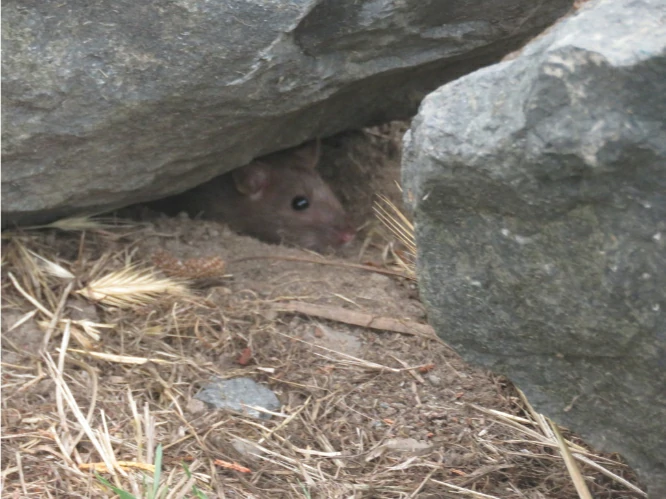
You know there are mice in your house because you’ve found droppings or heard scratching, but you never actually see them. Mice are expert hiders and usually stay well hidden from humans.
Understanding what makes them come out of hiding can help you know when and where to set traps or when you’re most likely to see them. What makes mice come out of hiding?
Mice come out of hiding when they need food or water, during their active hours (dusk through dawn), when they feel safe because your house is quiet, when temperatures drop and they search for warmth, or when their population grows and competition forces them into more visible areas.
Mice are naturally cautious animals because they’re prey for many predators. They’ve evolved to be secretive and stick to hidden areas as much as possible. But their basic needs and instincts will eventually force them into the open.
Hunger and Thirst Are the Main Drivers
Mice need to eat frequently. They have fast metabolisms and need to consume food multiple times throughout the night.
When mice get hungry enough, they’ll risk coming out of hiding to find food, even if conditions aren’t ideal. Hunger eventually overrides their caution.

They’re especially drawn out by strong food smells. Cooking, open food containers, or crumbs left on counters create scents that mice can’t ignore.
Thirst drives mice out of hiding too. They need water daily and will search for moisture sources like dripping faucets, pet water bowls, or condensation around pipes.
If you’ve recently cleaned up all accessible food, mice might become more visible as they desperately search for new food sources.
Time of Day Matters
Mice are nocturnal, meaning they’re most active at night. They typically start coming out around dusk and stay active until dawn.
The darkest hours of night (usually between midnight and 4 AM) are when mice feel safest and are most active.

If you’re seeing mice during the day, it usually means you have a serious infestation. Large populations create competition, forcing some mice to forage during daylight hours when they’d normally hide.
Daytime sightings can also mean a mouse is sick, injured, or has been disturbed from its nesting area.
Mice learn your schedule. If you work nights and sleep during the day, mice might adjust their activity to times when you’re asleep and the house is quiet.
Quiet and Stillness in Your Home
Mice wait for your house to become quiet before coming out. When everyone’s asleep and there’s no movement or noise, they feel it’s safe to leave their hiding spots.
Any unusual activity or noise sends them back into hiding immediately. This is why you might hear them but rarely see them.

Homes that are empty during the day might have mice that are active during those hours. If no one’s home from 9 to 5, mice learn that this time is safe.
Vacations or extended absences make mice bolder. Several days without human activity in the house makes them feel safe to explore more openly.
Even small noises or vibrations can alert mice. They’re very sensitive to sound and movement and will hide at the first sign of danger.
Temperature Changes Force Mice Out
When temperatures drop, mice need to find warmer areas. This might force them out of cold hiding spots (like unheated garages or basements) into warmer parts of your house.
In winter, mice are especially motivated to find warm areas near heating vents, water heaters, or appliances that generate heat.
Extreme heat can also drive mice from hiding. If their nesting area becomes uncomfortably hot, they’ll search for cooler spots.
Sudden temperature changes in your home (turning off heat, opening windows, using AC) can disturb mice and make them more active as they adjust.
Population Pressure and Competition
When mouse populations grow large, competition for food, water, and nesting sites increases. This forces more mice to venture out to find resources.
Younger or weaker mice get pushed out of prime hiding spots by dominant mice. These displaced mice are more likely to be seen because they’re stuck with less secure locations.

During breeding season, male mice become more active and less cautious as they search for mates. This makes them more visible.
When there are too many mice in one area, they start expanding into new parts of your house, including areas closer to human activity.
Large populations also mean more mice active at the same time, increasing your chances of seeing one.
Food Sources Run Out in Hiding Areas
If mice have been eating food they stored near their nests and it runs out, they’re forced to travel further to find more.
When you clean up an area where mice were getting food easily, they have to come out of hiding to search for new sources.
Mice will venture into riskier areas if their usual safe food sources aren’t available. Desperation makes them less cautious.
Removing outdoor food sources (bird feeders, pet food, garbage) can also push mice to come inside more actively.
Disturbances in Their Hiding Spots
Home repairs, renovations, or moving furniture disturbs mice in their hiding places and forces them into the open.
Pest control activity (setting traps, using repellents) can push mice out of their usual hiding spots as they try to avoid the threat.

If you seal some entry points or hiding areas, mice that were living there need to find new spots, making them more visible during the transition.
Noise from construction, plumbing work, or electrical repairs in walls and floors disturbs mice and makes them more active.
Even rearranging storage areas or cleaning out cluttered spaces forces mice to relocate and increases your chances of seeing them.
Breeding and Nesting Behavior
Pregnant female mice are more active as they search for good nesting sites and gather materials. They’re less cautious during this time.
Female mice with babies need to eat more frequently to produce milk, forcing them to leave their nests more often.
Young mice that are just starting to explore on their own are less experienced and more likely to be seen. They haven’t yet learned the safest routes and times.
When babies are old enough to leave the nest, there’s suddenly a lot more mouse activity as the young ones explore their environment.
Changes in Light Levels
Mice prefer darkness but can adapt to consistent low light. Sudden changes in lighting make them more cautious, but stable lighting patterns let them adjust.

If you usually keep lights on in certain areas at night, mice learn to avoid those spots. But if you start leaving different lights on, they might not adjust right away.
Motion-sensor lights can startle mice and send them scrambling, sometimes into view before they find cover.
Very dark houses make mice feel safer and they’ll venture out more boldly. Using nightlights in key areas can help deter them.
Scent and Pheromone Trails
Mice follow scent trails they’ve created. These trails lead them to food sources, nesting areas, and safe pathways through your house.
When mice feel safe along their established routes, they’re more likely to come out of hiding and use those paths.
The presence of other mice (detected through scent) makes individual mice feel safer. If one mouse is successfully finding food, others follow.
Human scent can deter mice temporarily, but they quickly become accustomed to it if you’re not actively disturbing their hiding spots.
Strong smells (cleaning products, air fresheners, cooking) can mask mouse scent trails and force them to come out more openly to reestablish routes.
Lack of Predators
If you don’t have cats, dogs, or other pets, mice feel safer coming out of hiding. The absence of predator scent makes them bolder.

Homes without much human activity during certain hours give mice confidence. They learn when it’s safe to emerge.
If you’ve had a cat or dog that passed away or moved out, mice will quickly realize the predator is gone and become more active.
Even the presence of a non-hunting pet (like a lazy cat or a dog that doesn’t chase mice) is better than no pet at all in terms of deterring mice.
What Makes Mice Hide Again?
- Sudden noises send mice running back to their hiding spots immediately. They’re always on alert for danger.
- Movement and vibrations (footsteps, doors closing, furniture being moved) signal that it’s not safe to be out.
- Bright lights turned on suddenly will make mice scatter. They’re adapted for low light and sudden brightness is alarming to them.
- The presence of humans, pets, or any potential predator makes mice retreat to safety as quickly as possible.
Any change in their environment that seems threatening (new objects, different smells, unfamiliar sounds) makes them more cautious.
How to Use Mouse Behavior to Set Traps
Set traps during evening hours when mice are starting to become active. They’re more likely to encounter traps while foraging.
Place traps along walls and in corners where mice travel. They stick to edges and follow the same routes repeatedly.
Use strongly scented bait (peanut butter, chocolate, bacon) to draw mice out of hiding toward your traps.
Keep your house quiet after setting traps. The less disturbance, the more confident mice will be about coming out.
If you’re seeing mice during the day, you probably need professional help because it indicates a large infestation.
Can Removing Food and Water Change Mouse Behavior?
While you don’t want mice in your house at all, understanding what makes them come out helps you know where to focus your efforts.

If you know they need food and water, removing these resources makes them more desperate and likely to investigate traps.
Knowing they’re active at night helps you time your trapping efforts for maximum effectiveness.
Understanding that they feel safer in quiet environments means you can use this against them by placing traps in the quietest areas.
The goal is to use their natural behaviors against them: they need to come out for food and water, and that’s when you catch them.
Signs of Heavy Mouse Activity
If you’re seeing mice during the day, hearing them constantly, or finding droppings everywhere, you have a serious infestation.
Multiple mice visible at the same time means the population is large enough that competition is forcing them into riskier behavior.
Bold mice that don’t immediately run when they see you have likely had repeated safe encounters and feel confident in their environment.
Finding baby mice or nests in obvious places indicates mice are so comfortable they’re not even trying to stay hidden.
How Mice Develop Regular Activity Patterns
Mice are creatures of habit. Once they establish safe routes and reliable food sources, they’ll repeat the same patterns every night.

This predictability works in your favor for trapping. Once you identify their routes, you can place traps effectively.
They typically make several foraging trips per night, visiting the same locations in the same order.
If you block one route or food source, they’ll establish new patterns, but this takes time and makes them more cautious temporarily.
Can Weather and Humidity Affect Mouse Activity?
Barometric pressure changes before storms can affect mouse behavior, though this isn’t completely understood. Some people notice increased activity before weather changes.
Humidity levels affect mouse comfort. They prefer moderate humidity and might be more active when seeking better conditions.
Seasonal changes affect activity patterns. Fall and winter see increased activity as mice seek shelter and food for cold months.
Conclusion
Mice come out of hiding primarily when they need food or water, during nighttime hours when they feel safe, when your house is quiet, or when growing populations create competition. Understanding these triggers helps you know when and where to focus your pest control efforts.
The key to catching mice is working with their natural behaviors rather than against them. Set traps during their active hours, along their travel routes, with strongly scented bait, and in quiet areas where they feel safe foraging.
If you’re seeing mice during the day or encountering them frequently, you have a serious infestation that needs immediate attention, ideally from professional pest control.
Remember that mice don’t want to be seen any more than you want to see them. They’re naturally cautious and secretive, but their need for food and water eventually forces them out of hiding. That’s your opportunity to catch them.

Hi, my name is Ezra Mushala, i have been interested animals all my life. I am the main author and editor here at snakeinformer.com.