
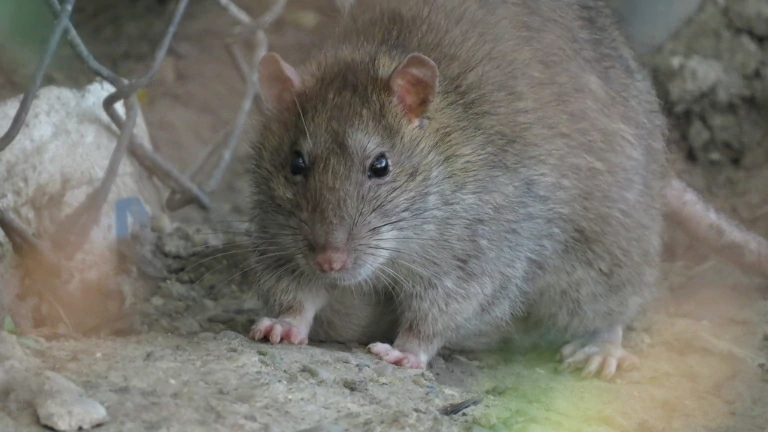
You set out a rat trap to deal with a rodent problem, but now your cat has walked right onto it. This is one of those panic-inducing moments that many pet owners face.
Your cat is stuck, probably scared and yowling, with glue all over its paws or fur. The situation looks terrible and you’re not sure how to help without making things worse or hurting your cat. So what should you do when your cat steps in a rat glue trap?
If your cat stepped in a rat glue trap, stay calm and use vegetable oil or cooking oil to dissolve the adhesive. Massage the oil into the stuck fur and work it around the glue until it loosens. Never pull or rip the trap off, as this will hurt your cat and tear out fur. Work slowly and patiently until your cat is free.
The good news is that glue trap adhesive isn’t poisonous to cats. The main problem is just getting the sticky mess off your cat’s fur and paws without causing pain or injury.
With the right approach and some patience, you can free your cat and clean them up without needing an emergency vet visit in most cases.
Stay Calm and Assess the Situation
The first thing you need to do is take a deep breath and stay calm. Your cat is probably already stressed and scared, so your energy matters.
Look at how stuck your cat actually is. Is it just one paw, or are multiple paws stuck? Is the cat’s belly or face involved? Understanding the extent of the problem helps you plan your approach.
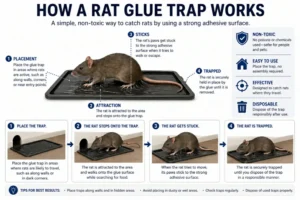
Check if your cat is in immediate distress. If your cat can’t breathe properly or seems to be choking, that’s an emergency. Call your vet right away. But in most cases, the cat is just stuck and upset, which you can handle at home.
Try to keep your cat calm while you figure things out. Speak in a soothing voice and avoid sudden movements. A panicked cat will struggle more and potentially get more stuck.
If possible, confine your cat to one area so they don’t drag the trap around your house. The more your cat moves with the trap attached, the more likely they are to get it stuck on furniture or get more body parts glued.
Don’t try to just rip the trap off. This is many people’s first instinct, but it’ll hurt your cat badly and tear out chunks of fur and possibly skin. The glue is incredibly strong and won’t let go that easily.
Gather Your Supplies Before You Start
Before you begin trying to remove the trap, get everything you need together. This makes the process smoother and faster.
You’ll need cooking oil as your main tool. Vegetable oil works great, but olive oil, coconut oil, or even baby oil will do the job. The oil breaks down the adhesive and makes it release from fur.
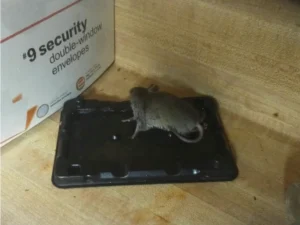
Get several clean towels or rags. You’ll use these to wipe away oil and glue as you work. Have more than you think you’ll need because this gets messy.
If you have cornstarch or flour, grab that too. These can help absorb some of the oil later and make cleanup easier.
Pet-safe shampoo will be necessary for the bath your cat will need afterwards. Make sure it’s formulated for cats, not dogs or humans.
You might want an extra pair of hands if possible. Having someone help hold your cat gently while you work on removing the glue makes the whole process easier and faster.
If your cat is very aggressive or difficult to handle, you might need a towel to wrap them in. This can help calm some cats and protect you from scratches and bites.
How to Remove the Glue Trap From Your Cat
Now that you’re prepared, here’s the step-by-step process for freeing your cat from the trap. Work slowly and be patient.
Start by pouring a generous amount of oil directly onto the stuck areas. Don’t be stingy with the oil. You want enough to really saturate the glue and fur. Let it sit for a minute or two to start working.
Massage the oil into the fur and work it around the edges of the glue. Use your fingers to gently work the oil between the fur and the adhesive. You’re trying to get the oil to penetrate underneath the glue layer.
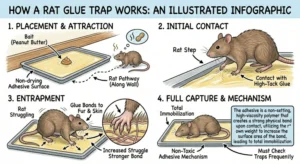
As the glue starts to break down, gently pull small sections of fur away from the trap. Work from the edges toward the center. Don’t yank or pull hard. If it’s not coming loose easily, add more oil and wait longer.
Keep adding oil and massaging as needed. This process takes time, sometimes 15-30 minutes depending on how much glue there is. Don’t rush it or you’ll hurt your cat.
If the cardboard backing is stuck to fur, you can carefully cut away pieces of the cardboard with scissors. Be extremely careful not to cut your cat’s skin or fur. Only cut the cardboard, not anything attached to your cat.
Once you’ve freed the main trap, you’ll probably still have glue residue in the fur. Keep working with oil until all the sticky spots are gone. Your cat’s fur should feel oily but not sticky anymore.
Dealing With Glue on Sensitive Areas
Sometimes cats get glue on their paws, face, or other delicate areas. These need special care.
For paws, you can soak them in a shallow dish of warm water mixed with oil. This is easier than trying to massage oil onto struggling paws. Let the paw soak for a few minutes, then gently work the glue loose.
Face and whiskers require extra caution. Use a cotton ball or soft cloth dampened with oil to gently work on facial glue. Be very careful around eyes, nose, and mouth. If glue is near the eyes, consider going to a vet.
If whiskers are glued together or glued to the face, work very slowly. Whiskers are important sensory organs for cats. Breaking them off can disorient your cat. Use lots of oil and patience to preserve the whiskers.
For belly fur, you might need to have your cat lie on their side or back. Many cats hate this position, so you’ll definitely need a helper to hold them gently but firmly.
Ears can be tricky because cats shake their heads when you touch them. Try to work quickly but gently on ear glue. If there’s glue deep in the ear canal, that’s a vet visit.
Between toes is another difficult spot. The skin there is thin and sensitive. Use a cotton swab dipped in oil to work in these tight spaces. Don’t pull toes apart forcefully.
Giving Your Cat a Bath After Removal
Once all the glue is off, your cat will be covered in oil. They need a bath to get clean, which most cats don’t enjoy.
Fill a sink or tub with a few inches of warm (not hot) water. Test the temperature with your elbow like you would for a baby. It should feel comfortably warm.
Gently place your cat in the water. Hold them securely but not too tightly. Most cats will try to escape, so you need to be firm but gentle.
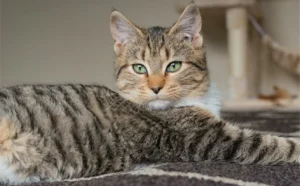
Use cat-safe shampoo and work it through the oily areas. You’ll probably need to shampoo two or three times to get all the oil out. The first washing breaks up the oil, and the second and third remove it.
Rinse thoroughly between each shampooing. Any soap left in the fur can irritate your cat’s skin. Make sure the water runs clear before you stop rinsing.
Pay special attention to paws since cats lick these constantly. You don’t want them ingesting oil or soap residue when they groom themselves later.
After the bath, wrap your cat in a clean towel and pat them dry. Some cats tolerate a blow dryer on the lowest, coolest setting, but many are terrified of them. Air drying is fine if your home is warm.
When to Call the Vet
Most glue trap incidents can be handled at home, but some situations require professional help. Know when to seek veterinary care.
If your cat has glue in or near their eyes, don’t try to remove it yourself. The eye is extremely delicate and you could cause serious damage. Get to a vet right away.
When glue is in the mouth or throat, that’s an emergency. If your cat is drooling excessively, gagging, or having trouble breathing, call your vet immediately or go to an emergency clinic.
If large amounts of skin are torn or bleeding from attempted removal, your cat needs medical attention. The wounds might need cleaning, antibiotic treatment, or even stitches.
Some cats become so stressed during the removal process that they overheat or have difficulty breathing. If your cat seems disoriented, is panting heavily, or has pale gums, get to a vet fast.
If you’ve been working for over an hour and still can’t free your cat, it’s time for professional help. The vet has tools and sedatives that can make the process easier and less traumatic.
When large portions of your cat’s body are stuck to the trap, professional removal might be safer. They can sedate your cat if needed to keep them still during the process.
Preventing Future Glue Trap Accidents
Once you’ve dealt with this stressful situation, you’ll want to make sure it never happens again. Here’s how to protect your cat while still dealing with rats.
Place glue traps only in areas where your cat absolutely cannot access them. Inside cabinets, in the attic, or in a closed-off room are good options. If your cat can reach an area, don’t put a trap there.
Use trap covers or bait stations designed to keep non-target animals out. These are boxes with small openings that rats can enter but cats cannot. You put the glue trap inside the box.
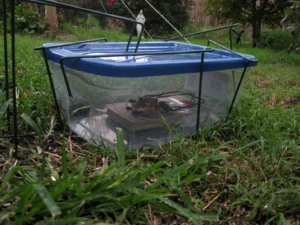
Tony Alter (CC BY 2.0)
Consider switching to different rat control methods that are safer around pets. Snap traps in covered stations or electronic traps might be better choices if you have a curious cat.
Supervise your cat if they’re in areas where traps are set. Don’t let them roam freely in spaces with active pest control going on.
Check traps very frequently, like twice a day. The sooner you find and remove a trap that’s caught something (or that your cat has found), the less chance of problems.
Tell everyone in your household where traps are located. Make sure they know to keep doors closed to rooms with traps and to not let the cat in those areas.
What If Your Cat Ate Some of the Glue?
Cats sometimes lick at their paws or fur while stuck, potentially ingesting some of the adhesive. Here’s what you need to know.
The glue itself isn’t toxic to cats. Rat trap adhesive is formulated to be non-poisonous because manufacturers know pets might contact it. So if your cat swallowed a small amount, they probably won’t get poisoned.
However, the glue can cause digestive upset. Your cat might vomit or have diarrhea. This is uncomfortable but usually not dangerous. Monitor your cat for these symptoms over the next 24 hours.
Larger amounts of glue could potentially cause an intestinal blockage if it clumps up in the stomach or intestines. Watch for signs like loss of appetite, lethargy, or straining to defecate.
If your cat seems sick after the incident, call your vet. Describe what happened and what symptoms you’re seeing. They can tell you whether to bring your cat in or monitor at home.
Don’t try to make your cat vomit. This outdated advice can actually make things worse. Let the glue pass through their system naturally unless your vet specifically tells you to do something else.
Offer your cat plenty of water. Staying hydrated helps their digestive system process and eliminate the glue more easily.
Treating Your Cat’s Skin and Fur After the Incident
Even after you’ve removed all the glue and given your cat a bath, there might be some aftercare needed.
The skin under the glue might be irritated or red. The pulling and tugging during removal can cause inflammation. Check these areas daily for signs of infection like oozing, excessive redness, or heat.
Some fur will probably be lost during the removal process. Don’t worry too much about bald patches. Cat fur grows back. It might take a few weeks or months, but the fur will return.
If your cat seems itchy in the affected areas, you can apply a small amount of coconut oil or aloe vera gel (make sure it’s pet-safe and doesn’t contain additives). This soothes the skin.
Watch for excessive licking or biting at the affected spots. Some cats become obsessed with grooming areas that were stuck. If this happens, you might need a cone to prevent over-grooming while the skin heals.
Monitor for any signs of infection over the next week. Redness that gets worse instead of better, swelling, warmth, or discharge all indicate infection. These symptoms require a vet visit.
Keep your cat indoors until the skin is healed and fur is growing back. Exposed skin is more vulnerable to injury, sunburn, and infection.
Helping Your Cat Recover Emotionally
The physical trauma isn’t the only concern. Your cat went through a scary experience and might be stressed or anxious afterward.
Give your cat space and quiet time after the ordeal. Don’t force interaction. Let them come to you when they’re ready. Some cats want comfort right away, while others need time alone.
Provide their favorite treats or food. Positive experiences help them move past the negative one. Special treats can help your cat associate the aftermath with good things.
Maintain normal routines as much as possible. Feed at the usual times, play at the usual times, and keep everything else consistent. Routine is comforting to cats.
Some cats become nervous around the area where the trap was. If your cat seems anxious in certain rooms, give them time. Don’t force them into spaces where they don’t want to go.
Extra play sessions can help burn off stress. Interactive play with toys gives your cat an outlet for any lingering anxiety or fear.
If your cat seems traumatized and won’t eat or is hiding constantly even days later, talk to your vet. They might recommend anxiety medication or other interventions to help your cat feel safe again.
Alternative Products Safer for Homes With Cats
If this incident has you rethinking glue traps, here are some alternatives that pose less risk to curious cats.
Snap traps in covered stations work well. The cover prevents your cat from accessing the trap mechanism. Only rats can get in through the small opening.
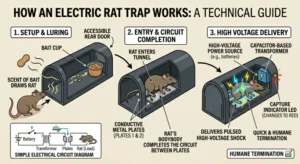
Electronic rat traps are cat-safe when used properly. Place them in areas cats can’t reach, or use versions that come in protective boxes. These kill rats instantly with electricity.
Live catch traps let you capture rats without harming them or risking your cat’s safety. These are large cages with doors that close when the rat enters. Your cat can’t get trapped inside.
Ultrasonic repellents emit sounds that bother rodents but don’t affect cats. These might help keep rats away without any trapping involved. However, their effectiveness is debated.
Professional pest control services can use methods that are safe around pets. They know how to place traps and bait stations where your cat won’t find them.
Conclusion
Finding your cat stuck to a rat glue trap is stressful, but it’s a problem you can solve at home in most cases.
The key is using oil (vegetable oil, olive oil, or baby oil) to break down the adhesive and working slowly and patiently to free your cat without pulling or tearing fur. Never try to just rip the trap off, as this will hurt your cat and potentially injure their skin.
After removing the glue, your cat will need a bath to get all the oil out of their fur. Watch for signs of skin irritation or infection over the next few days, and keep an eye on your cat’s behavior to make sure they’re not overly stressed by the experience.
To prevent this from happening again, place glue traps only in areas your cat can’t possibly access, or switch to safer rat control methods like covered snap traps or electronic traps.
Your cat’s safety should be the top priority, even when you’re dealing with a rat problem. With proper precautions, you can control pests without putting your cat at risk of another scary and uncomfortable glue trap incident.

Hi, my name is Ezra Mushala, i have been interested animals all my life. I am the main author and editor here at snakeinformer.com.