
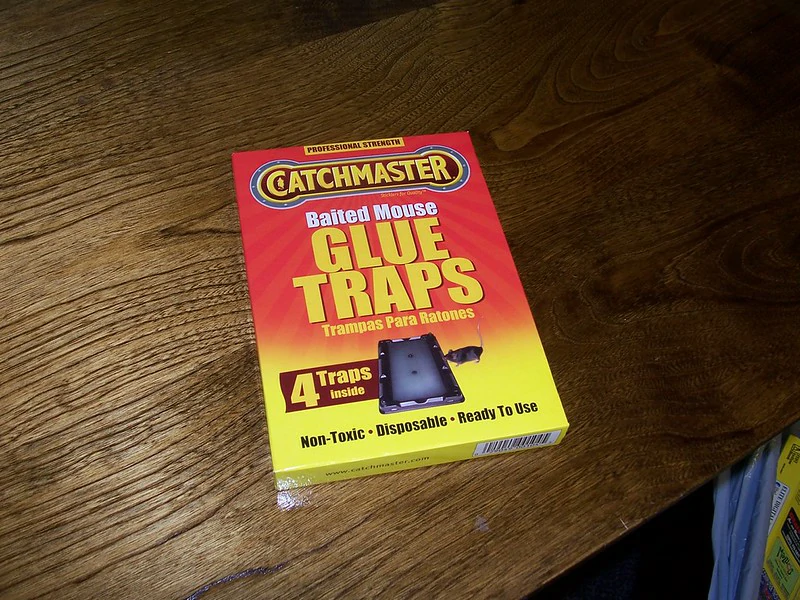
Glue traps are sticky boards that catch mice, rats, and bugs, and they’ve become a hot topic in California lately. But are glue traps legal or illegal in California?
Glue traps are still legal under California state law, so they aren’t banned in California statewide. However, a growing number of California cities, including West Hollywood, Ojai, Culver City, and Ventura, have banned them.
A statewide ban was proposed in 2025, but it stalled and died in early 2026. So whether you can use a glue trap depends mostly on the city where you live.
Are Glue Traps Banned In California Statewide?
No, as of this writing, no law bans glue traps across the whole state, so you can still buy and use them in most of California.
That surprises a lot of people. The news has been full of stories about glue trap bans, and those stories can make it sound like the whole state has already acted.
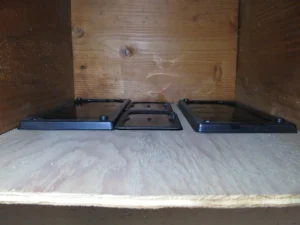
What’s really happened is that some cities have passed their own bans (more on those below), while the state hasn’t.
Federal law does protect most wild birds, so a glue trap that catches one could cause problems for you even in a place where glue traps are allowed.
So even where there’s no ban, glue traps come with real risks, both for the animals and for you.
The rest of this post covers what the law says now, which cities have banned them, and what you can do instead.
What Happened To California’s Statewide Glue Trap Bill?
In February 2025, Assemblymember Rick Zbur introduced AB 724, a bill that animal protection groups backed as the Glue Trap Prohibition Act.
The plan was to ban the use, sale, and distribution of glue traps across California, with a few exceptions under certain conditions.
Backers said a state ban would help animals and public health, and since California has such a big economy, it could make the traps harder to find across the country.
But the bill never made it out of the starting gate, and it officially died on February 2, 2026.
Bills like this can come back, though, and supporters are still pushing, with a new petition asking Governor Newsom and lawmakers for a statewide ban.
A national bill from California Rep. Ted Lieu also stalled in Congress and died, so for now, any glue trap ban in California is a local one.
Glue Traps Are Banned In California Cities Like West Hollywood And Ojai
While the state has held off, several cities have acted on their own, and the list keeps growing.
West Hollywood was first, since its city council voted unanimously in April 2023, which made it the first city in the entire US to ban glue traps.
Ojai followed in March 2024 with a unanimous vote of its own, and it became the second US city to do it.
Culver City came next, and Ventura (the largest US city to ban glue traps so far) joined more recently. Laguna Beach has also been reported as approving a ban.
Other places are talking about it too. Berkeley’s leaders asked the city manager to look into a ban in March 2026, and San Francisco’s animal welfare commission has pushed for one.
These local rules are called ordinances (laws passed by a city council), and they only apply inside that city’s limits.
So a trap that’s fine a few miles away might be against the rules in your own neighborhood.
What Do The City Bans Actually Cover?
Most of them cover two things: selling glue traps and using them.
In West Hollywood and Ojai, that means stores can’t stock or display them, and residents can’t set them out at home or at a business.
Culver City’s rule describes a glue trap as a board or tray with glue that never dries. It holds animals in place until they die.
That wording is pretty broad, so it can reach more than just mouse traps.
Pest control companies have pushed back, saying they use sticky traps to find pests and not just to catch them. Their national trade group has been sending letters to city leaders about it.
Each ordinance has its own wording and its own exceptions, so it’s smart to read the actual text for your city.
City Bans May Cover Roach And Spider Traps Too
This part surprises people most, because some California bans aren’t limited to mouse traps.
Culver City’s ban applies to insects too, which means a sticky trap for roaches or spiders could be covered.
West Hollywood’s rule covers devices used to capture or kill any animal, and it’s not totally clear whether bugs count.
Both cities are in the Los Angeles area, where plenty of people use sticky traps for roaches, crickets, and spiders.
If you live in a city with a ban, don’t assume bug traps are safe. Check the wording first, or call the city.
And if you’d rather skip the question, baits and sealed cracks work better for roaches anyway, and a cup and card works for spiders.
What Do Pest Control Pros Say About Sticky Traps?
Pest control pros don’t love these bans, and they’ve been pretty open about why.
Their main point is that sticky traps (the thin, flat kind) are a basic tool for finding pests early, especially roaches, spiders, and other bugs that hide during the day.
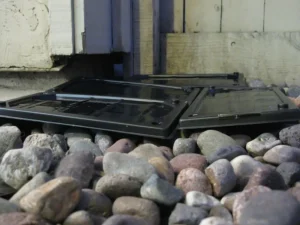
A trap left along a wall can show them what’s living in a home and where it’s hiding. That helps them treat just the right spots instead of spraying everywhere.
Pest control industry groups have sent letters and fact sheets to city leaders in California to explain how they use these traps.
They also worry that bans in California could spread to other states, so they’re watching closely.
There’s a fair point on both sides, since using a trap to count bugs is very different from using one to catch a mouse.
Why Are California Cities Banning Glue Traps?
The short answer is animal suffering, since a mouse or rat on a glue trap can stay alive and stuck for days before it dies.
Animals often struggle hard, and some end up suffocating when their face sticks in the glue.
Glue traps also catch whatever walks across them, including birds, kittens, squirrels, lizards, and even owls.
In Ventura, local wildlife rehabilitators (people who care for hurt wild animals) spoke up about the cruelty before the city voted.
Public health plays a part too, and we’ll get to that next.
Supporters also point out that glue traps don’t fix the real problem, because new animals move in as long as food and shelter are still there.
The CDC Also Advises Against Glue Traps For Rodents
It’s not just animal groups. The CDC (the US government’s public health agency) tells people to avoid glue traps for catching rodents.
The reason is simple: a frightened mouse or rat stuck on a glue trap often pees and poops, and that can spread germs into your home.
Mice and rats can carry germs that make people sick, like salmonella and hantavirus (a serious lung illness).
A live animal that’s scared and stuck is also hard to deal with safely, since you have to pick up the whole board and that puts you close to it.
Snap traps (the classic spring bar kind) are what pest experts usually recommend instead, because they work fast when they’re set right.
Whatever you pick, wear gloves when you handle traps or droppings, and wash your hands well afterward.
Glue Traps Don’t Solve A Rodent Problem Anyway
Even if you set the cruelty aside, glue traps aren’t great at the one job you want done, which is getting rid of the problem.
A glue trap catches one animal at a time, and it only works if the animal happens to walk across it.
Mice breed fast, and a single female can have several litters a year with five or six babies in each one.

So while you’re dealing with one mouse on a board, there may already be a nest of them in your walls.
Pest experts say the real fix is to find how they’re getting in, seal those gaps, and remove the food and shelter that drew them in the first place.
That’s why even people who use snap traps should treat them as one tool and not the whole plan.
Can You Still Buy Glue Traps In California?
In most places, yes, since you can still find them at some hardware stores and online.
However, they’re getting harder to find. Several big chains, including Target, CVS, Walgreens, Dollar General, and Dollar Tree, have stopped selling them.
In cities with a ban, stores can’t sell them at all, so you won’t see them on the shelf.
Buying online doesn’t get around the rules, since the bans also cover using the traps inside city limits.
If you buy one in a nearby town and bring it home to a city with a ban, you could still be breaking the local rule when you set it out.
Some online stores may not check whether your city has a ban, so that part is up to you.
What Happens If You Break A City Glue Trap Ban?
Each city sets its own penalties, so there isn’t one answer.
Local rules like this are usually handled like other city code violations (which often start with a warning or a fine).
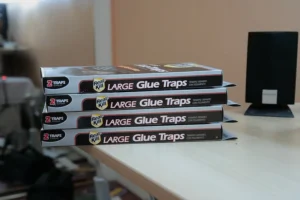
That means the person who sets the trap, and the store that sells it, could both be on the hook.
If you rent, your landlord or a pest control company may be the one setting traps, so it’s worth asking what they use.
Some cities may start with a warning, but you shouldn’t count on that.
To learn your city’s exact penalties, read the ordinance or call city hall.
Landlords And Pest Control Companies Usually Have To Follow Bans Too
A city ban doesn’t just apply to homeowners. It generally applies to anyone who sets a glue trap inside the city, including businesses and pest control companies.
So if you hire a pest control company in West Hollywood, Ojai, or Culver City, that company should be following the same rules at your home.
Renters should know that a landlord usually can’t skip the rules either. It’s okay to ask what kind of traps are used in your building.
Restaurants and stores are covered too, which matters because many of them use sticky traps for pests like flies and roaches.
If you spot a glue trap in a place where they’re banned, you may be able to report it to your city, which may pass it along to code enforcement or animal control.
It’s best to start with a friendly conversation, since many people don’t know the rules have changed.
How Can You Check If Your City Has A Glue Trap Ban?
Checking only takes a few minutes, and you don’t need a law degree.
Start by searching your city’s name along with the words “glue trap ordinance” or “municipal code” (a city’s book of local laws).
Many cities post their codes online, and West Hollywood’s glue trap rule sits in Chapter 9.53 of its municipal code.
If you can’t find anything, call your city clerk or the local animal services office, since they usually know about new rules.
City council agendas are another good place to look, because bans like these often show up there months before a vote.
You can also ask a licensed pest professional, because they have to follow these rules and tend to know them well.
Check county rules too if you live in an unincorporated area (a spot that isn’t inside any city).
Better Options Than Glue Traps For Rodents And Bugs
The good news is that the methods pest experts like best are also easy to find in California.
For mice and rats, snap traps (spring loaded traps that kill quickly when set right) are the top pick, and they’re cheap too.
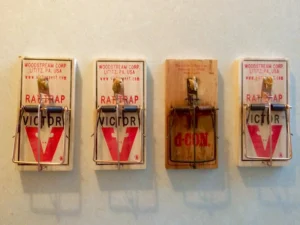
Place them along walls, since mice run along edges, and set several at once so you catch them fast.
Sealing holes matters even more, since mice can squeeze through a gap about a quarter inch wide (roughly the width of a pencil), and rats need about half an inch.
Use steel wool, metal mesh, or caulk to plug gaps around pipes, doors, and vents, since mice can chew through softer things.
Keep food in sealed containers, take out the trash often, and clean up crumbs, since mice follow food. It sounds simple, and it really is.
Live traps (cages that hold the animal alive) are another choice, but you need a plan for what to do with the animal afterward, since rules on releasing wildlife can be strict.
Be careful with poison baits, because they can harm pets and wildlife that eat the poisoned rodent.
For roaches, gel baits and sealed cracks work best. For spiders, a cup and card gets them outside with no harm.
What Should You Do If An Animal Gets Stuck On A Glue Trap?
It’s a hard thing to find, whether it’s a mouse in your garage or a bird on your patio, and the first thing to know is don’t panic.
Wear thick gloves so you stay safe from bites and germs, and keep the animal as calm as you can.
Many wildlife rescuers suggest dripping cooking oil or vegetable oil onto the glue where it touches the animal, which loosens the grip so the animal can slowly pull free.
Go slowly, and don’t yank. Pulling can tear skin, feathers, or fur, and it can break small bones.
Once it’s loose, rescuers often wipe off the leftover glue with more oil and a little dish soap.
Wild animals should go to a licensed wildlife rehabilitator (a trained person who cares for hurt wild animals) as soon as you can reach one.
A mouse or rat that’s badly hurt may need a vet, since a vet can end its suffering quickly and safely.
If you can’t free the animal or it’s already weak, call a wildlife rescue group, an animal control office, or a vet for advice right away.
Afterward, wash your hands well, and toss the trap in a sealed bag so nothing else can get stuck.
Are Glue Traps Banned Anywhere Else In The US Or Abroad?
In the US, California cities have led the way, and New York lawmakers have looked at bills of their own.
A few cities outside California, like Cartersville in Georgia and Eugene in Oregon, have stopped using glue traps in their own city work, though that’s not the same as a ban for everyone.
Overseas, the rules are stricter. Glue traps are banned in Ireland, Wales, and New Zealand, and Scotland’s ban on using them for most animals took effect in 2026.
England restricts them too. It’s illegal for the public to set a glue trap to catch rodents there, though a few pest control professionals can get a license.
Victoria, in Australia, has a ban of its own.
If you live outside California, the rules where you live may be very different, so check locally.
California May Ban Glue Traps Statewide Someday, But Not Yet
Nobody can say for sure, but the trend is pointing that way.
More cities keep passing bans, with Ventura joining the list and Berkeley now studying one.
The statewide bill died, but supporters are still pushing, and bills can be brought back in a new session.
Pest control groups are pushing back, though, and they argue that sticky traps are a useful tool for finding pests.
The 2025 bill would have allowed some exceptions under certain conditions, so a future version might too.
Until then, the safest move is to check your city’s rules before you buy or set a glue trap.
Conclusion
Glue traps are legal under California state law, so they aren’t banned in California statewide.
However, cities like West Hollywood, Ojai, Culver City, and Ventura have banned them, and a few of those bans may reach insect traps too.
A statewide bill died in early 2026, but supporters are still pushing, so the rules could change.
If you live in a city with a ban, you can’t buy or use glue traps there, and fines may apply.
Wherever you live, snap traps, sealed gaps, and clean kitchens work better and cause less suffering.
Take a few minutes to check your city’s rules, and you’ll know exactly where you stand.

Hi, my name is Ezra Mushala, i have been interested animals all my life. I am the main author and editor here at snakeinformer.com.