
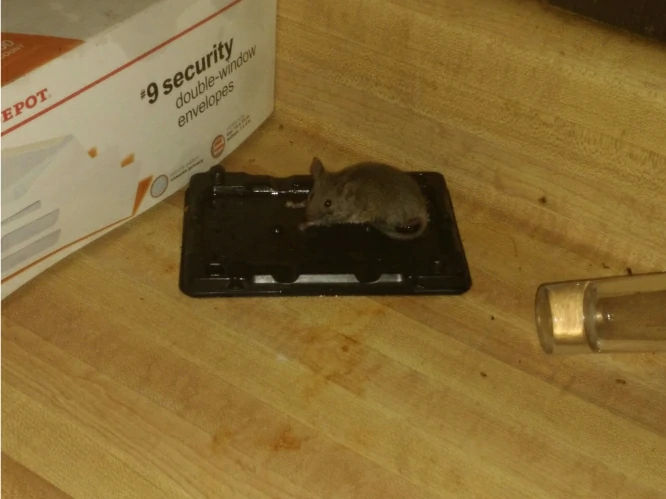
You were setting out a rat trap or checking on one, and somehow you got glue trap adhesive on your clothes. Maybe you brushed against it, or maybe you were trying to remove a trap and it stuck to your shirt or pants.
Now you’ve got a sticky, gooey mess that won’t come off with regular washing. The glue seems permanent, and you’re worried your favorite clothes are ruined. So how do you remove glue trap glue from clothes?
You can remove rat trap glue from clothes using cooking oil or commercial adhesive removers like Goo Gone. Apply oil directly to the glue, let it soak in for 10-15 minutes, then rub the fabric together to work the glue loose. After the glue is removed, wash the clothing with dish soap to remove the oil, then launder normally.
The adhesive on rat traps is designed to be incredibly sticky and permanent, so it won’t come out with just soap and water.
But with the right approach and some patience, you can get it out without damaging your clothes. The key is using something that breaks down the glue’s molecular structure.
Why Rat Trap Glue Is So Hard to Remove
Understanding what you’re dealing with helps you choose the right removal method. Rat trap adhesive isn’t like regular glue.
The glue is made from synthetic polymers designed to stay sticky indefinitely. It doesn’t dry or harden like white glue or super glue. This permanent tackiness makes it great for catching rats but terrible for clothing.
It bonds at a molecular level to fabrics. The polymer chains in the glue wrap around individual fibers in your clothing. This creates thousands of tiny connection points that are hard to break all at once.
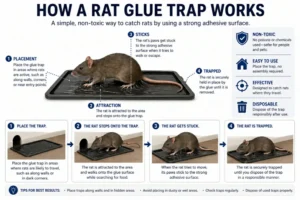
Water won’t dissolve or weaken this type of adhesive. The glue is formulated to be water-resistant so it can work in damp environments. Running glue-covered clothes through the wash will just spread the problem.
Heat can make the glue even stickier. Putting the clothes in a dryer or using hot water often makes things worse by causing the adhesive to penetrate deeper into the fabric.
The glue is specifically designed not to let go. That’s literally its job – to hold onto whatever touches it. Your clothes are just another surface it’s doing its job on.
The Oil Method for Removing Glue
Oil is the most effective and safest way to remove rat trap glue from most fabrics. Here’s how to do it properly.
Choose your oil. Vegetable oil, olive oil, coconut oil, or baby oil all work well. You want something that’s liquid at room temperature and safe for fabrics.
Apply oil generously directly to the glue spot. Don’t be shy about the amount. You need enough to really saturate the adhesive. Pour it on and let it sit.
Let the oil soak in for at least 10-15 minutes. For really stubborn glue, you can let it sit for up to an hour. The oil needs time to penetrate the glue and break down its molecular structure.
Rub the fabric together gently to work the glue loose. You should feel it starting to break up and become less sticky. Keep working the fabric and adding more oil if needed.
As the glue loosens, you can scrape it off with your fingernails or a dull butter knife. Work carefully so you don’t damage the fabric. The glue should start coming off in sticky clumps.
Once most of the glue is removed, you’ll be left with oil-soaked fabric. This is normal and expected. We’ll deal with the oil in the next steps.
Removing the Oil After the Glue Is Gone
After using oil to remove the glue, your clothes will be greasy. You need to remove this oil before the clothes are wearable again.
Apply dish soap directly to the oily area. Don’t dilute it with water yet. Dish soap is designed to cut through grease and oil, which is exactly what you need.
Rub the dish soap into the fabric thoroughly. Work it in with your fingers until you see it starting to foam. You might need quite a bit of dish soap depending on how much oil you used.
Let the soap sit for 5-10 minutes. This gives it time to break down the oil. You can use this time to check that all the glue is really gone.
Rinse the area with hot water. The hottest water your fabric can safely handle (check the care label) works best for removing oil. Rub the fabric together under the water.
Repeat the dish soap and rinsing process several times. It usually takes 2-4 rounds to completely remove all the oil. You’ll know you’re done when the fabric no longer feels greasy when wet.
Finally, wash the garment in your washing machine with regular laundry detergent. Use the warmest water setting that’s safe for that fabric. This final wash removes any remaining oil and soap residue.
Using Commercial Adhesive Removers
Products designed to remove sticky residues can also work on rat trap glue. These are often more effective than oil but require more caution.
Goo Gone is one of the most popular commercial options. It’s specifically made to remove adhesive and sticky substances. You can find it at most hardware stores or online.
Apply the product directly to the glue according to the bottle’s instructions. Usually, you pour or spray it on and let it sit for a few minutes.
Test it on a hidden area of the fabric first. Some adhesive removers can damage certain fabrics or cause color fading. Try a small spot on the inside of a hem or seam before using it on the visible glue.
Work the product into the glue with your fingers or a soft brush. You should see the adhesive starting to break down and become gummy rather than sticky.
Scrape away the loosened glue with a butter knife or your fingernails. Be gentle with delicate fabrics. The glue should come off more easily now.
Wash the garment immediately after using commercial removers. These products often contain solvents that shouldn’t be left on fabric for long periods. Follow the washing instructions on the product label.
What to Do About Glue on Delicate Fabrics
Some fabrics require extra care when removing adhesive. You can’t use the same aggressive techniques on silk or wool that you’d use on denim.
For silk, use the oil method but with extreme gentleness. Baby oil is a good choice because it’s very mild. Apply it carefully and don’t rub too hard.
Wool can be tricky because it can felt or shrink. Use room temperature or cool oil and work very gently. Don’t twist or wring the fabric.
Synthetic fabrics like polyester or nylon usually handle oil well. These are actually some of the easier fabrics to clean because they’re less absorbent than natural fibers.
For dry-clean-only garments, don’t try home remedies. Take the item to a professional cleaner and explain what happened. They have specialized solvents that can remove the glue without damaging delicate fabrics.
Leather and suede need special treatment. Don’t use water-based solutions. A leather cleaner or saddle soap might work, but test in an inconspicuous spot first. Professional cleaning is often the safest bet.
Lace or very thin fabrics might be too delicate to save. Sometimes the glue removal process can damage these materials more than the glue itself. Consider whether the garment is worth the risk.
Alternative Removal Methods
If you don’t have oil or commercial removers available, there are a few other options you can try.
Peanut butter contains natural oils that can break down adhesive. Spread it on the glue, let it sit for 15-20 minutes, then work it into the fabric. This is messier than pure oil but can work in a pinch.
Rubbing alcohol can help with some adhesives. Apply it to the glue and rub gently. This works better on fresh glue that hasn’t fully bonded yet. It won’t work as well as oil on old, set-in glue.
WD-40 is technically a lubricant but can remove some adhesives. Spray it on the glue, let it sit briefly, then wipe away. Be sure to wash the fabric thoroughly afterward because WD-40 can stain.
Mayonnaise contains oil and can work similarly to peanut butter. Spread it on the glue and let it sit. This is really only a last resort when you have nothing else available.
Ice might help with fresh glue. Put ice cubes on the sticky spot to harden the adhesive, then try to peel it off. This rarely works completely but might reduce the amount of glue before you try oil.
Mistakes to Avoid When Removing Glue
Some common approaches to removing sticky substances will actually make rat trap glue worse. Here’s what not to do.
Don’t put the clothes in the dryer before the glue is completely removed. Heat will set the adhesive deeper into the fabric and make it nearly impossible to remove. Always air dry until you’re certain all glue is gone.
Don’t use acetone or nail polish remover unless you test it first. These can dissolve some fabrics, cause colors to run, or damage synthetic materials. They’re too harsh for most clothing.
Don’t try to just wash the clothes normally. The glue won’t come out in a regular wash, and you might spread it to other clothes in the load or gunk up your washing machine.
Don’t pull or rip at the fabric trying to remove stuck areas. You’ll tear the material or stretch it out of shape. Patience and the right solvent work better than brute force.
Don’t use very hot water before the glue is removed. While hot water helps remove oil later, it can make glue penetrate deeper into fabric initially.
Don’t assume the glue is gone just because you can’t see it. Feel the fabric carefully. If there’s any stickiness remaining, repeat the removal process.
How to Handle Large Glue Stains
If you sat on a glue trap or got a large area of clothing stuck, you need a more comprehensive approach.
You might need to work in sections rather than treating the whole area at once. Focus on one portion, remove the glue there, then move to the next section.
Use more oil or adhesive remover than you would for a small spot. Large glue stains require proportionally more product. Don’t try to skimp and make a small amount stretch.

Consider soaking the entire garment in oil if the stain is very large. Put the clothes in a basin with enough oil to cover the affected area. Let it soak for 30 minutes to an hour.
You’ll need multiple rounds of dish soap to remove oil from large areas. Budget extra time for this process. It might take 5-6 soap and rinse cycles to fully remove all the oil.
Large stains on expensive clothing might warrant professional help. If the garment is valuable or has sentimental worth, a professional cleaner might be worth the cost.
Sometimes large stains have damaged the fabric beyond repair. If the glue has been on the clothes for a long time and is deeply embedded, you might not be able to save the item.
Preventing Glue From Getting on Clothes
The best solution is not getting glue on your clothes in the first place. Here are prevention tips for next time.
Wear old clothes or an apron when handling glue traps. Don’t set traps or check them while wearing anything you care about. Designate a “trap handling outfit” you don’t mind getting messy.
Use gloves when touching traps. Disposable latex or nitrile gloves protect your hands and prevent glue transfer to your clothes when you touch them later.
Be very careful when removing or disposing of traps. Hold them away from your body. Use tongs or a grabber tool if you have one so you don’t need to get close to the sticky surface.
Store unused traps carefully. Keep them in their original packaging until you’re ready to use them. Don’t leave exposed traps sitting where you might brush against them.
Work slowly and deliberately. Most glue accidents happen when people are rushing. Take your time when positioning or checking traps.
If you do get a small amount of glue on your clothes while wearing them, take the garment off immediately. The sooner you treat the glue, the easier it is to remove.
What to Do If the Glue Won’t Come Out
Sometimes despite your best efforts, the glue just won’t completely come out. Here are your options.
Try the removal process multiple times. What doesn’t work the first time might work on the second or third attempt. Some glue is just stubborn and needs repeated treatment.
Combine methods. Use oil first, then try a commercial remover, then oil again. Sometimes using different approaches in sequence works better than any single method.
Accept that the garment might be damaged. If you’ve tried everything and there’s still sticky residue, you might need to consider the clothes ruined. Don’t waste more time and money on unsalvageable items.
Cut out the affected area if it’s in a non-critical spot. If the glue is on the hem of pants or the back of a shirt, you might be able to cut that section away and still wear the garment.
Repurpose the clothing. Turn pants into shorts, a shirt into cleaning rags, or jeans into a craft project. At least you’ll get some use from the damaged item.
Use the damaged area as a patch pocket or cover it with an appliqué. Creative solutions can hide glue-damaged spots while making the garment look intentionally styled.
Special Considerations for Different Clothing Items
Different types of clothing present different challenges when removing glue. Here’s specific advice for common items.
Jeans and denim can handle aggressive treatment. You can scrub harder and use more oil without worrying about damage. The thick fabric is forgiving.
T-shirts and cotton clothes are relatively easy to clean. Cotton absorbs oil well, so you’ll need extra rounds of dish soap, but the fabric itself won’t be damaged by the removal process.
Dress shirts and work clothes need more care. If these are clothes you need to look professional in, take them to a cleaner rather than risking damage with DIY methods.
Jackets and coats are bulky and hard to treat. Focus just on the affected area rather than washing the whole garment. Spot treatment works better for these items.
Underwear and socks are cheap enough that you might just want to throw them away. Unless they have special value, it’s not worth the effort to clean them.
Children’s clothes often can’t handle harsh chemicals. Stick with oil and dish soap rather than commercial removers to avoid any chemical residue that might irritate sensitive skin.
Conclusion
Removing rat trap glue from clothes is definitely possible, but it requires patience and the right approach. The best method is using cooking oil (vegetable, olive, coconut, or baby oil) applied directly to the glue and allowed to soak for 10-15 minutes. Work the fabric to loosen the adhesive, then remove the oil with multiple applications of dish soap before washing normally.
Commercial adhesive removers like Goo Gone can also work well, but test them on a hidden area first to make sure they won’t damage your fabric. Whatever method you use, never put the clothing in the dryer until all the glue is completely removed, as heat will set the adhesive permanently.
For delicate fabrics or valuable clothing, professional cleaning might be worth the cost. And going forward, wear old clothes when handling rat traps and use gloves to prevent glue transfer. Prevention is always easier than trying to remove stubborn adhesive from your favorite outfit.

Hi, my name is Ezra Mushala, i have been interested animals all my life. I am the main author and editor here at snakeinformer.com.